Archive
Texas Holdem VS. Pot Limit Omaha!
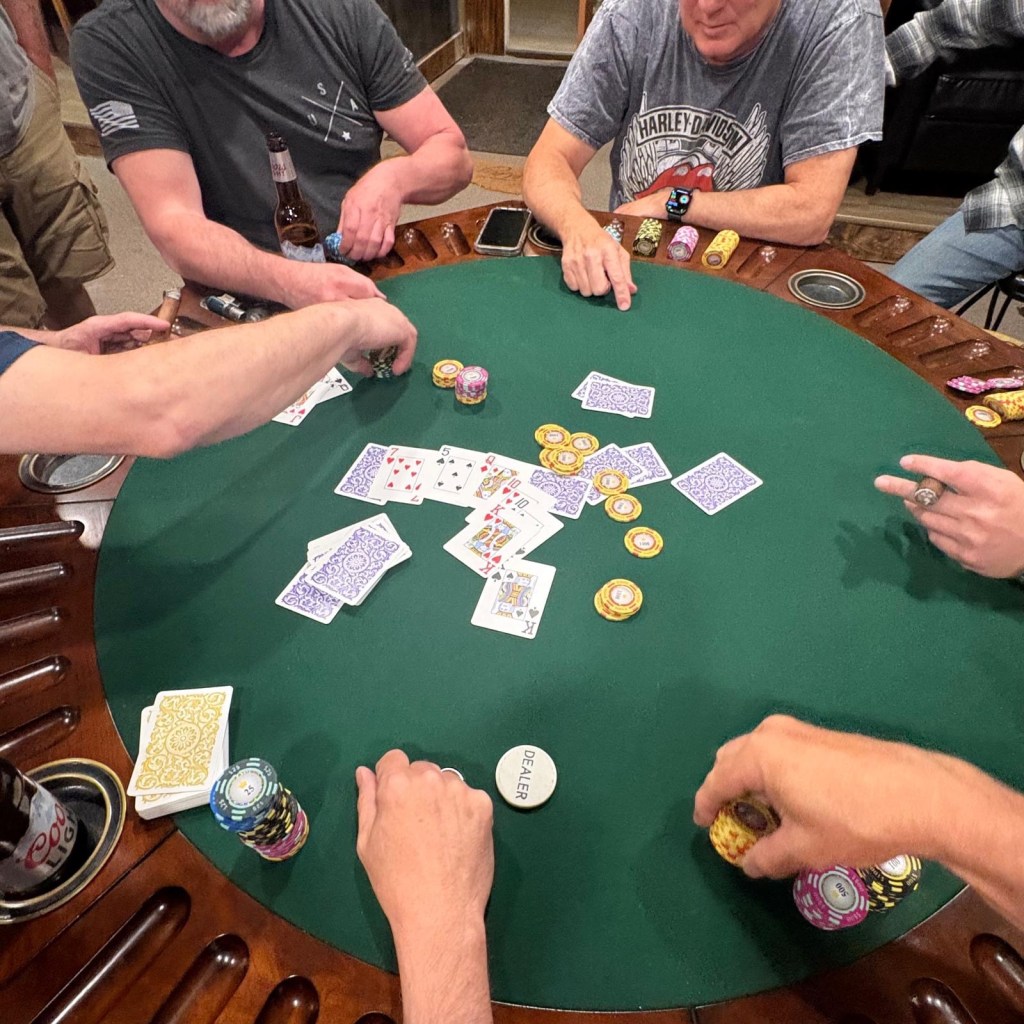
Walk into almost any poker room today, and you’ll find two games dominating the action: Texas Hold’em and Pot Limit Omaha (PLO).
Both games use community cards. Both require skill, patience, and strategy. Yet the similarities stop there.
While Texas Hold’em is known for calculated aggression and straightforward hand reading, Pot Limit Omaha is a game of massive draws, big pots, and constant action.
So which game is right for you?
Let’s compare the two and see what makes each unique.
Texas Hold’em: The World’s Most Popular Poker Game
Texas Hold’em remains the most popular poker variant in the world—and for good reason.
Each player receives two private hole cards, followed by five community cards. Players make the best five-card hand using any combination of those cards.
Hold’em is easy to learn but incredibly difficult to master.
It rewards patience, discipline, position, and strong decision-making.
For beginners, Texas Hold’em is usually the best place to start because the rules are simple and hand values are easier to understand.
Pot Limit Omaha: More Cards, More Action
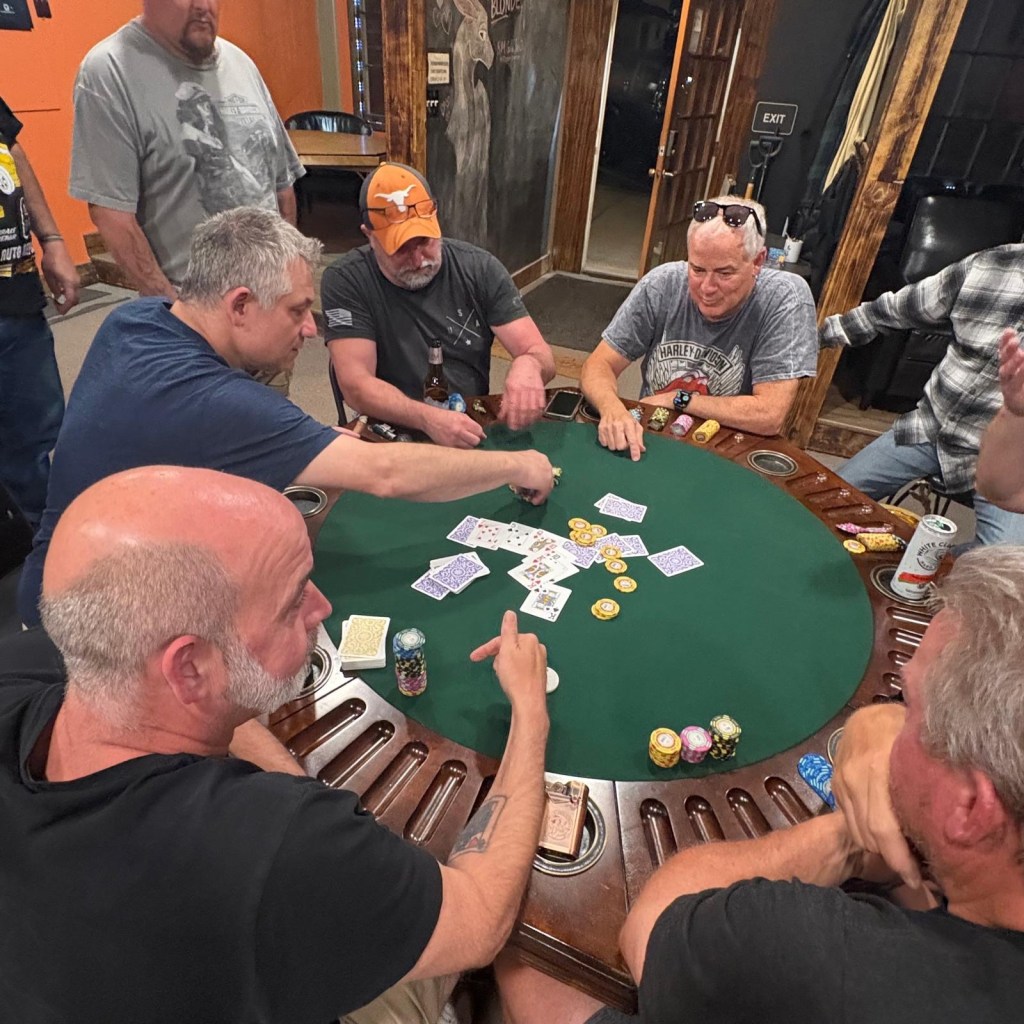
Pot Limit Omaha raises the excitement immediately.
Instead of two hole cards, every player receives four hole cards.
However, there’s one rule every new player must remember:
You must use exactly two of your hole cards and exactly three community cards to make your final hand.
That single rule changes everything.
Because players have four hole cards, they make stronger hands much more often than in Hold’em.
Straights, flushes, full houses, and monster combination draws become common.
If you enjoy action, you’ll probably love PLO.
Starting Hands Matter Differently
In Texas Hold’em, premium starting hands like pocket Aces, Kings, and Ace-King dominate before the flop.
In Pot Limit Omaha, premium hands are built around coordination.
The strongest PLO hands contain connected cards, suited cards, and multiple ways to improve after the flop.
For example:
Strong Hold’em Hand
● A♠ A♥
Strong PLO Hand
● A♠ A♦ K♠ Q♦ (double suited)
Notice the difference?
In Omaha, all four cards need to work together.
Big Hands Happen More Often
One of the biggest shocks for Hold’em players is how often huge hands appear in Omaha.
Top pair that wins comfortably in Hold’em is often worthless in PLO.
Even top set can become vulnerable on coordinated boards.
The winning hand in Omaha is frequently the nuts—the best possible hand.
If you consistently chase second-best hands, Omaha will quickly teach you an expensive lesson.
Betting Structures
Texas Hold’em is most commonly played as No-Limit Hold’em, allowing players to bet all of their chips at any time.
Pot Limit Omaha uses a different betting structure.
The maximum bet is the size of the current pot.
This changes strategy significantly.
Instead of relying on all-in pressure, PLO players focus on building pots, maximizing value, and making disciplined decisions over multiple betting streets.
Variance: Prepare for Bigger Swings
Both games have variance.
Pot Limit Omaha simply has more of it.
Because draws often have substantial equity against made hands, even favorites lose more frequently than many Hold’em players expect.
That doesn’t mean Omaha is luck-based.
It means bankroll management becomes even more important.
Successful PLO players understand that short-term swings are part of the game.
Which Game Requires More Skill?

Poker players have debated this question for years.
Texas Hold’em places a premium on reading opponents, understanding ranges, bluffing, and extracting value with thinner edges.
Pot Limit Omaha demands exceptional hand selection, board reading, equity evaluation, discipline, and an understanding of complex post-flop situations.
Neither game is “easy.”
They simply challenge different poker skills.
The best players often study and enjoy both.
Which Game Should You Play?
Choose Texas Hold’em if you:
● Prefer a slower, more strategic pace.
● Enjoy bluffing and reading opponents.
● Are new to poker.
● Want the widest variety of games and tournaments.
Choose Pot Limit Omaha if you:
● Love action-packed poker.
● Enjoy drawing hands and complex decisions.
● Like deeper post-flop strategy.
● Don’t mind larger bankroll swings.
Many players begin with Hold’em before adding Omaha to their skill set, giving them a broader understanding of poker strategy.
Final Thoughts from The Player in Seat 4
Texas Hold’em and Pot Limit Omaha are both fantastic games, but they reward different approaches.
Hold’em is often a game of patience, precision, and calculated aggression.
Pot Limit Omaha rewards coordinated starting hands, nut potential, position, and disciplined post-flop play.
If you’ve never tried PLO, give it a chance. Just don’t expect your Hold’em instincts to translate perfectly.
The players who adapt, continue learning, and respect the differences between the two games are usually the ones stacking chips at the end of the night.
Whether you’re grinding a $1/$2 cash game, chasing tournament glory, or simply looking to improve your overall poker skills, learning both formats will make you a more complete player.
Key Takeaways
● Texas Hold’em uses 2 hole cards; Pot Limit Omaha uses 4 hole cards.
● In PLO, you must use exactly 2 hole cards and 3 community cards.
● Omaha produces stronger hands and larger pots more often.
● Hold’em rewards patience and reading opponents.
● PLO rewards coordinated hands, nut potential, and disciplined post-flop decisions.
● Mastering both games will strengthen your overall poker success
If you enjoyed this article please like, share, comment and subscribe. Please take a second and click on our advertiser links to keep these articles free. Thanks for reading and I’ll see you at the tables!
Stop Losing at Pot Limit Omaha! The 10 Biggest Mistakes Texas Hold’em Players Make in PLO

If you’ve spent years crushing Texas Hold’em and think you’ll automatically dominate Pot Limit Omaha (PLO), think again.
Every day, experienced Hold’em players sit down in a PLO game convinced they’re bringing a huge edge to the table. A few hours later, they’re wondering where their bankroll went.
The truth is simple: Pot Limit Omaha is an entirely different game.
The skills you’ve developed playing Hold’em certainly help, but many habits that make you a winning Hold’em player can become costly mistakes in PLO.
If you’re making the transition, avoid these ten common mistakes and you’ll give yourself a much better chance of becoming a winning Omaha player.
1. Overvaluing Pocket Aces
In Texas Hold’em, pocket aces are the undisputed king of starting hands.
In Pot Limit Omaha, they’re only as good as the other two cards.
A hand like A♠ A♥ K♠ Q♥ double-suited is a monster because it has premium flush and straight potential.
A hand like A♠ A♦ 7♣ 2♥ rainbow? Not nearly as exciting.
Many Hold’em players stack off simply because they have aces.
In Omaha, always evaluate all four cards—not just the pair.
2. Playing Too Many Starting Hands
Four hole cards create endless possibilities.
Unfortunately, they also create endless bad decisions.
Many Hold’em players believe that four cards automatically mean more playable hands.
Wrong.
Winning PLO players are selective. They look for hands that work together with connected cards, suited combinations, and nut-making potential.
Disconnected hands belong in the muck.
3. Falling in Love with Top Two Pair
Top two pair is often a powerhouse in Hold’em.
In Omaha?
It’s frequently a bluff catcher.
Because every player starts with four cards, strong made hands happen much more often. Sets, straights, bigger two-pair combinations, and monster draws are everywhere.
If you’re stacking off with top two pair in PLO, prepare for some expensive lessons.
4. Chasing Non-Nut Draws

may be the biggest adjustment for Hold’em players. Second-best flushes.
Bottom ends of straights.
Weak full houses.
These hands often lose huge pots.
Winning PLO players constantly ask themselves:
“Am I drawing to the nuts?”
If the answer is no, proceed carefully.
5. Ignoring Position
Position is valuable in every form of poker.
In Pot Limit Omaha, it becomes even more important.
The extra combinations mean more difficult decisions on every street.
Playing in position allows you to gather information before risking chips.
Playing out of position forces you to guess.
Good Omaha players guess less.
6. Overplaying Sets
Flopping top set feels incredible.
Until the board runs out:
9♠ 10♠ J♦ Q♣ K♠
Welcome to Omaha.
Sets remain strong, but they become vulnerable very quickly on coordinated boards.
Always ask yourself what draws your opponents could realistically have.
7. Ignoring Board Texture
Hold’em players often think:
“I have top set.”
Omaha players think:
“What does this board hit?”
Every flop should trigger questions.
Is it coordinated?
Are flushes possible?
How many straight combinations exist?
Could multiple players have monster draws?
Reading board texture separates winning PLO players from losing ones.
8. Betting Like It’s No-Limit Hold’em
PLO uses pot-limit betting.
That changes strategy dramatically.
You cannot pressure opponents by moving all-in whenever you choose.
Instead, successful players build pots strategically over multiple streets while paying close attention to stack-to-pot ratios.
Learning proper pot control is a huge step toward becoming a winning Omaha player.
9. Underestimating Variance
Even when you’re a favorite, you’ll lose.
Often.
Monster draws frequently have significant equity against made hands.
That means swings are much larger than many Hold’em players expect.
Don’t panic after a losing session.
Stick to sound strategy and protect your bankroll.
10. Refusing to Adapt
This is the mistake that ties all the others together.
Too many players try to force Hold’em strategy into an Omaha game.
PLO rewards flexibility.
It rewards patience.
It rewards discipline.
The sooner you stop thinking like a Hold’em player, the sooner you’ll start winning at Omaha.
Final Thoughts from The Player in Seat 4

Pot Limit Omaha isn’t simply “Texas Hold’em with four cards.”
It’s a game built around nut hands, powerful draws, position, discipline, and careful hand selection.
The biggest winners in PLO aren’t always the most aggressive players—they’re the ones who consistently avoid expensive mistakes.
If you’re transitioning from Hold’em, take your time. Study the game, respect the action, and remember that every hand offers more possibilities—for both you and your opponents.
Master these ten adjustments, and you’ll already be ahead of many players making the same transition.
Join the Conversation
Which mistake do you see most often when Texas Hold’em players try Pot Limit Omaha? Share your thoughts in the comments!
For more strategy articles, cash game tips, tournament advice, and poker psychology, visit The Player in Seat 4 at jackstokingspoker.org.
If you enjoyed this article please like, comment, share and subscribe. Please click on our sponsor ads to keep our articles free. Thank you for reading and I’ll see you at the tables!

How to Play Pot Limit Omaha: A Beginner’s Guide to PLO Poker
I started writing this series of articles because I wanted to branch out beyond Texas Holdem. I have been seeing more and more casinos offering PLO in poker rooms, so I decided to dig deeper into this poker variation to improve myself and possibly help others . I will review playing basics, best hands to play, bankroll management and distinct differences between PLO and Texas Holdem.
If you have spent most of your poker life playing Texas Hold’em, Pot Limit Omaha can feel like someone suddenly turned the action up to maximum speed.
More cards. Bigger draws. Bigger pots. And yes—sometimes much bigger swings.
Pot Limit Omaha, commonly called PLO, has become a favorite poker game for players who enjoy action and complex post-flop decisions. But before jumping into a PLO game, you need to understand one important fact:
Omaha is not Texas Hold’em with two extra cards.
The Player in Seat 4 is breaking down the basics of how to play Pot Limit Omaha and the simple strategy adjustments beginners should make before putting chips in the middle.
What Is Pot Limit Omaha Poker?
Pot Limit Omaha is a community card poker game similar to Texas Hold’em.
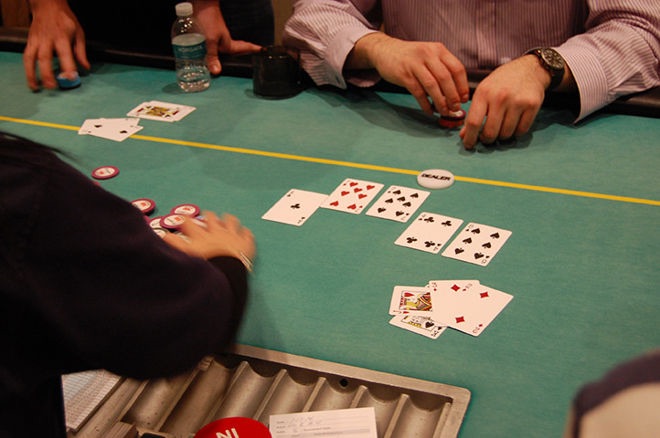
Each player receives four hole cards instead of two. Five community cards are then dealt on the board using the familiar flop, turn, and river format.
Here is the rule every new Omaha player must remember:
You must use exactly TWO cards from your hand and exactly THREE cards from the community board.
Not one card from your hand.
Not three cards from your hand.
Exactly two.
This rule creates plenty of confusion for Hold’em players making the move to Omaha.
For example, if four hearts are showing on the board and you hold only one heart in your hand, you do not have a flush. You must use two hole cards to complete your five-card poker hand.
Learn this rule before you learn anything else about PLO.
Why Is It Called Pot Limit Omaha?
Unlike No Limit Texas Hold’em, you cannot simply shove your entire stack into the middle whenever you want.
The maximum bet or raise is determined by the size of the pot.
This is why the game is called Pot Limit Omaha.
Don’t worry if calculating a pot-sized raise seems confusing at first. In a live poker room, you can simply announce “pot” and the dealer will calculate the correct maximum raise.
The pot-limit structure may sound like it controls the action.
It doesn’t.
PLO pots can grow incredibly fast.
Starting Hand Selection Is Critical in PLO
One of the biggest mistakes new Omaha players make is playing too many hands.
Four cards look exciting.
You look down at your hand and immediately start imagining straights, flushes, and full houses.
But not all four-card combinations are created equal.
The best PLO starting hands contain cards that work together.
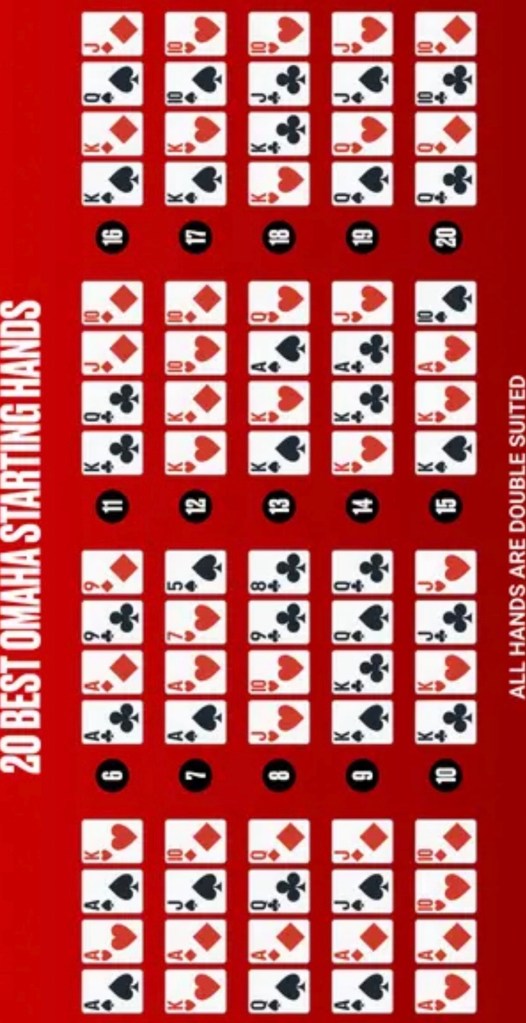
Hands such as:
A-A-K-Q double suited
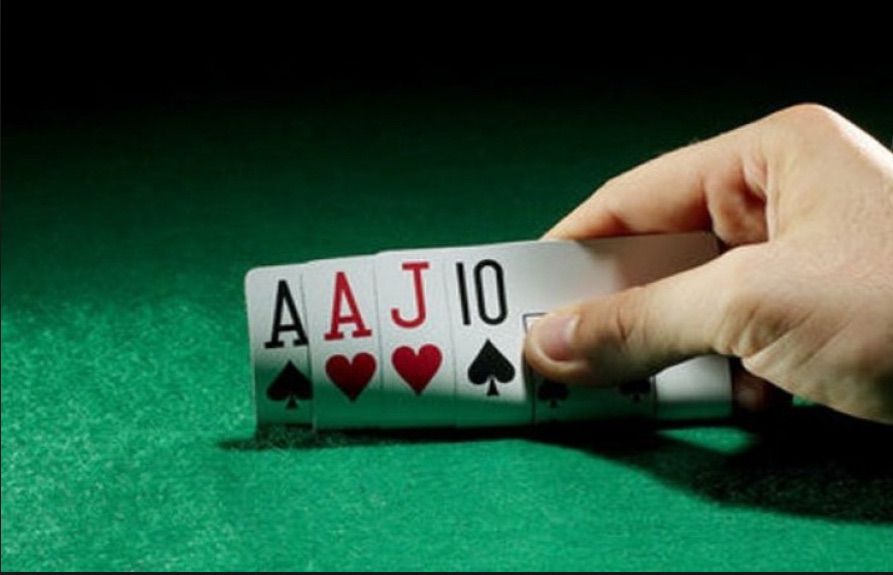
A-A-J-10 double suited
K-Q-J-10 double suited
J-10-9-8 double suited
These hands have multiple ways to connect with the flop.
Compare that to a hand like:
K-8-5-2 rainbow
Yes, you have four cards.
Unfortunately, those four cards have very little connection.
The Player in Seat 4 rule for beginners is simple:
Play four cards that work together—not four cards that simply look playable.
Double-Suited Hands Are Powerful
You will often hear Omaha players describe a hand as double suited.
This means your four-card hand contains two different suited combinations.
For example:
A♠ K♠ J♥ 10♥
You now have two possible flush draws along with straight possibilities.
Double-suited hands are valuable because they give you multiple ways to make strong hands.
But remember—making a flush isn’t always enough in Omaha.
You should constantly be thinking about the nut flush.
In Pot Limit Omaha, Draw to the Nuts
This may be the most important strategy adjustment for Texas Hold’em players.
In Hold’em, a king-high flush can be an incredibly strong hand.
In Omaha?
It might cost you your entire stack.
With four hole cards dealt to every player, opponents have far more combinations available. Strong hands appear much more frequently.
When you are drawing to a flush, ask yourself:
Am I drawing to the best possible flush?
When you are drawing to a straight, ask:
Could someone make a higher straight?
PLO punishes players who repeatedly make the second-best hand.
The second nut flush looks beautiful right up until someone turns over the ace-high flush.
If you enjoyed this post please like, share, comment and subscribe! Please click on our sponsor links to help keep this poker source free. Thanks for reading and I’ll see you at the tables!

Is 4-Betting Just a Setup to Shove All-In?
In my last post we discussed 3 betting in 2026, what about the 4 bet? If you’ve played enough No-Limit Texas Hold’em, you’ve probably seen the action go raise, 3-bet, and then 4-bet. At lower stakes, many players assume that a 4-bet automatically means someone is committed to getting all of their chips into the middle. But is a 4-bet really just a setup to shove all-in? The answer is: not always.
What Is a 4-Bet?
A 4-bet is the fourth aggressive action before the flop. For example, Player A opens the pot, Player B 3-bets, and Player A responds with a 4-bet. This move is usually made with a very strong hand, but experienced players also include well-timed bluffs in their 4-betting range to stay balanced.
Does a 4-Bet Mean You’re Pot-Committed?
In many $1/$2 and $2/$5 cash games, a large 4-bet often leaves only a pot-sized bet remaining. That means both players may already be committed to the hand, making an all-in shove on the next action very common. However, stack depth matters. With 200 big blinds or more, skilled players can sometimes 4-bet and still fold if faced with overwhelming aggression from an opponent who only continues with premium hands.
When Should You 4-Bet?
The best 4-bets are made for value with premium hands like AA, KK, QQ, and AK against aggressive opponents. Occasionally, adding hands like suited wheel aces (A5s or A4s) as bluffs can make your strategy harder to exploit. The key is understanding your opponent. Against players who only 3-bet monsters, bluff 4-betting is usually a losing play. Against aggressive regulars who 3-bet frequently, well-timed 4-bets can be extremely profitable.
Final Thoughts
A 4-bet is often a step toward playing for stacks, but it isn’t automatically a commitment to shove all-in. Your stack size, your opponent’s tendencies, position, and table dynamics should all influence your decision. Great poker players don’t 4-bet simply because they have a strong hand—they 4-bet because it’s the most profitable play in the situation.
Whether you’re grinding your local $1/$2 cash game or battling tougher $2/$5 players, understanding when a 4-bet is for value, when it’s a bluff, and when it leads to an all-in confrontation will make you a far more dangerous opponent at the table.
If enjoyed this article please like, share, comment and subscribe. Thanks for reading and see you at the tables!

Poker Lingo used in 2026!

I’m often asked what some of the lingo, or acronyms I use in my articles mean, I take for granted that I’ve been playing, studying poker for several years now. So using my AI partners tried to compile a glossary of commonly used terms that would help other players at different levels understand better. I’m sure this isn’t everything so if you have additional questions please let me know!
Poker Lingo Glossary 2026: Essential NLHE Tournament Terms Every Player Needs
Are you new to poker or looking to sharpen your game in 2026? Understanding poker lingo is one of the fastest ways to improve your No-Limit Hold’em (NLHE) tournament strategy. Whether you’re defending your big blind, navigating ICM pressure on the bubble, or studying GTO ranges, knowing the right terms helps you think and talk like a pro.
This updated poker glossary focuses on modern MTT (Multi-Table Tournament) language. It’s perfect for beginners and intermediate players alike.
Why Learning Poker Terms Matters in 2026
Poker strategy has never been more solver-driven. With tools like GTO Wizard and advanced training software, players throw around terms like “fold equity,” “blockers,” and “ICM” constantly. Mastering this vocabulary improves your hand reading, table talk, and overall expected value (EV).
Let’s break down the most important poker lingo used in NLHE tournaments today.
Core Game and Structural Terms
• NLHE / NL: No-Limit Hold’em – the world’s most popular poker format where you can bet all your chips at any time.
• MTT: Multi-Table Tournament. Events with hundreds or thousands of players that pay out based on finishing position.
• BB (Big Blind): The larger forced bet. Also refers to the position that posts it (a key spot for defending).
• SB (Small Blind): The smaller forced bet to the left of the big blind.
• Ante: A forced bet posted by every player, common in later stages to speed up play and build bigger pots.
• Effective Stack: The shortest stack at the table, measured in big blinds. This heavily influences strategy.
Key Poker Positions
• UTG (Under the Gun): First player to act preflop – the toughest position.
• Cutoff (CO): Seat immediately right of the Button. Strong stealing position.
• Button (BTN): Dealer position. Best seat at the table as you act last postflop.
• OOP (Out of Position): Acting first on one or more streets (common when defending the big blind).
• IP (In Position): Acting after your opponent – a major advantage.
Strategy and Math Concepts
• EV (Expected Value): The long-term profitability of a play in chips or dollars. +EV = profitable over time.
• ICM (Independent Chip Model): Converts chip stacks into real-money equity based on payouts. Critical near pay jumps and final tables.
• GTO (Game Theory Optimal): An unexploitable baseline strategy solved by computers. Many players study GTO ranges in 2026.
• Pot Odds: Ratio of the pot size to the cost of calling. Essential when deciding whether to defend your big blind.
• Implied Odds: Potential to win more chips later if you hit your hand.
• Fold Equity: The value of making your opponent fold when you bet or raise.
Common Actions and Plays
• Open (Open Raise): The first raise preflop.
• 3-Bet: Re-raising preflop. A key weapon when defending the big blind.
• Flat / Call: Matching the current bet without raising.
• Defend: Calling or 3-betting from the blinds against a raise.
• Steal: Raising light from late position to win the blinds and antes.
• Squeeze: 3-betting after an open and call(s) to apply maximum pressure.
• Jam / Shove: Going all-in with your remaining stack.
• Muck: Folding your hand without showing it.
Player Types and Dynamics
• Nit: Extremely tight player who only plays premium hands.
• LAG (Loose Aggressive): Plays many hands and bets/raises frequently.
• TAG (Tight Aggressive): Selective but aggressive – the classic solid style.
• Fish / Whale: Recreational or weak player (your main profit source).
• Reg: Experienced regular/grinder.
• Tilt: Playing emotionally after bad beats, usually leading to mistakes.
Tournament Stage Terminology
• Bubble: One player away from the money. Play often tightens dramatically here.
• Pay Jump: Moving up payout positions and the resulting increase in prize money.
• Final Table: The last table in an MTT.
• Chip EV: Playing as if chips equal real money (early tournament or cash game mindset).
• ICM Pressure: Adjusting strategy based on payout implications.
Hand Notation and Other Slang
• AKs: Ace-King suited.
• 76s: Seven-Six suited (a classic suited connector).
• Broadway: High cards (A-K-Q-J-10) that can make the nut straight.
• Suited Connectors: Consecutive same-suit cards (great for big blind defense).
• Blockers: Holding key cards that reduce the chance your opponent has a specific hand.
• Cooler: When two very strong hands clash unavoidably.
• Bad Beat: Losing a big pot with a strong hand to a statistically unlikely one.
How to Use This Poker Glossary
Print this out or bookmark it as your go-to poker terms reference. When you read a strategy article about defending your big blind, you’ll now understand why pot odds, effective stack depth, and ICM all matter.
Pro tip: The biggest EV gains often come from late-position steals and proper big blind defense. Combine this vocabulary with solid range construction and you’ll quickly move up in stakes.
Final Thoughts
Poker lingo in 2026 is more solver-influenced than ever, but the fundamentals remain the same. Master these terms and you’ll feel more confident at the tables, in training videos, and in discussions with other players.
If you enjoyed this article please like, comment, share and subscribe! Thanks for reading and I’ll see you at the tables!
Good Game… Did they mean it?
🃏 Why Poker Players Say “Good Game”: The Hidden Meaning Behind a Simple Phrase
In poker, words are rarely wasted. Every bet, every pause, every gesture carries weight — and so do the things players choose to say after the chips are pushed and the cards are mucked.
One of the most common phrases you’ll hear at the table is “Good game” or simply “GG.”
It sounds polite. It sounds harmless. But in poker, nothing is ever just surface‑level.
This article breaks down why players say “good game,” what it signals, and how the phrase functions inside the culture of poker — from live tournaments to online grinders firing 12 tables at once.
🎯 1. It’s a Ritual of Respect — Even When the Game Isn’t “Good”
Poker is a competitive, high‑pressure environment. People get stacked. People get unlucky. People misplay hands they’ll think about for days.
Saying “good game” is the sport’s version of a handshake.
It acknowledges:
- You showed up and battled
- You played with integrity
- You handled the swings
- You were part of the experience
Even if someone busted early, ran cold, or got coolered into oblivion, “GG” is a nod to the shared grind. It’s less about the quality of the cards and more about the respect between competitors.
🔥 2. It’s a Pressure Valve for Emotion
Poker is emotional.
Tournament bust-outs especially can feel like a punch to the ribs.
“Good game” is a socially acceptable way to:
- Release tension
- Close the emotional loop
- Avoid tilting or lashing out
- Reset your mindset before the next event
It’s a small phrase that keeps the environment civil — and keeps players from spiraling into frustration.
🤝 3. It Reinforces Table Image and Social Capital
In live poker, your reputation matters.
People remember who’s gracious and who’s toxic.
Saying “good game” builds:
- A friendly, approachable table image
- A sense of professionalism
- Goodwill with regulars
- A positive presence in the room
Players who consistently show sportsmanship get more action, more conversation, and more respect.
Players who don’t… well, they get the opposite.
🧠 4. It’s a Mental Game Tool
Elite players understand that mindset is an edge.
Saying “GG” after a loss is a subtle form of mental discipline:
- You acknowledge the result without dwelling on it
- You avoid excuses
- You stay focused on long-term EV
- You train yourself to detach from short-term pain
It’s a micro‑habit that reinforces emotional resilience — one of the most underrated skills in tournament poker.
🌐 5. Online Poker Turned “GG” Into a Universal Language
Online poker popularized the shorthand “GG.”
It became the default sign-off in chat boxes, Discord groups, and Twitch streams.
Why it stuck:
- It’s fast
- It’s neutral
- It works whether you won or lost
- It signals you’re part of the poker culture
Even players who never speak at the table will type “GG” when they bust a tournament. It’s become part of the game’s DNA.

🪙 6. Sometimes It’s Strategic — Yes, Really
Poker players are human.
Humans respond to tone, friendliness, and social cues.
A well-timed “good game” can:
- Smooth over a tough beat
- Keep a recreational player happy
- Prevent someone from steaming
- Maintain a friendly dynamic that benefits you later
It’s not manipulative — it’s awareness.
Poker is a social game, and social edges matter.
🏁 7. It Marks the End of a Battle
Tournaments are wars of attrition.
Hours — sometimes days — of grinding, adjusting, surviving, and battling.
When someone says “good game,” they’re acknowledging:
- The shared journey
- The swings you both endured
- The fact that poker is bigger than one hand
It’s closure.
A clean ending to a messy, beautiful, unpredictable competition.
✏️ Final Takeaway
“Good game” isn’t filler.
It’s a cultural handshake, a mental reset, a sign of respect, and a nod to the shared struggle that makes poker what it is.
In a game defined by deception, “GG” is one of the few things players say that’s almost always genuine.
If you enjoyed the article please like, share, comment and subscribe. Thank you and I’ll see you at the tables!
Strategy for Calling Stations in Poker!
What Is a Calling Station in Poker? (And the Best Strategy to Beat Them)
If you play live low-stakes poker like $1/$2 or $2/$5 cash games, you’ve definitely run into the classic calling station. These players are everywhere—and if you know how to adjust, they can become one of your biggest sources of profit.
In this article, we’ll break down exactly what a calling station is in poker and the best strategy to exploit them for maximum value.
What Is a Calling Station in Poker?
A calling station is a type of poker player who calls far too often and folds far too rarely. Instead of playing aggressively, they prefer to check and call with a wide range of hands—many of which are weak.
Common Traits of a Calling Station
- Calls with weak pairs, draws, and even high cards
- Rarely folds after seeing the flop
- Almost never bluffs
- Plays passively (check/call instead of bet/raise)
In simple terms: they hate folding and are willing to “see it through” to the river.
Why Calling Stations Are Profitable
Calling stations might seem frustrating because they hit unexpected hands—but in reality, they are highly exploitable.
Why? Because poker is about making your opponents make mistakes—and calling stations make one of the biggest mistakes in the game:
Calling too much with worse hands
That means you can consistently extract value when you’re ahead.

Best Strategy to Beat a Calling Station
To win against calling stations, you need to shift your mindset. Forget fancy plays—this is about simple, disciplined, value-driven poker.
1. Value Bet Relentlessly
This is the #1 adjustment.
If you think you have the best hand, bet—and bet big. Calling stations will often pay you off with worse hands.
Examples of hands to value bet:
- Top pair (good kicker)
- Overpairs
- Two pair or better
Pro tip: Don’t get tricky. If they’re calling, keep charging them.
2. Stop Bluffing (Almost Completely)
Bluffing a calling station is one of the fastest ways to lose money in poker.
- They don’t fold enough
- They call “just to see it”
- Even scary board cards won’t always work
Rule: If your strategy relies on them folding, rethink it.
3. Use Bigger Bet Sizes
Against strong players, you balance your bet sizing. Against calling stations, you exploit.
Since they call too much:
- Increase your bet sizes (60%–100% pot or more)
- Charge their draws heavily
- Build bigger pots when you’re ahead
You’re not trying to be balanced—you’re trying to get paid.
4. Play Tighter Preflop
You want to go to showdown with strong, value-heavy hands.
Avoid:
- Weak suited connectors (especially out of position)
- Marginal hands that make weak pairs
Focus on hands that can make:
- Top pair with a strong kicker
- Overpairs
- Strong draws with equity
5. Don’t Slow Play Your Big Hands
Slow playing is a mistake against calling stations.
Why?
- They’re already calling too much
- You risk missing value
- You give free cards that can beat you
Instead, bet your strong hands immediately and often.
6. Stay Patient and Emotionally Disciplined
Calling stations will:
- Hit lucky draws
- Catch miracle river cards
- Occasionally crack your premium hands
That’s part of the game.
The key is understanding:
You’re making money long-term by getting called by worse hands
Stick to your strategy and avoid tilt.
Winning Mindset Against Calling Stations
Against skilled opponents, poker is about balance and deception.
Against calling stations, it’s much simpler:
- Bet when you’re ahead
- Don’t bluff when you’re behind
- Charge them as much as possible
Final Thoughts
If you’re playing live low-stakes poker, learning how to beat calling stations is essential. These players are not your enemy—they’re your opportunity.
Master this one adjustment—value betting relentlessly—and you’ll see a noticeable increase in your win rate.
If you enjoyed this article please like, share, comment and subscribe. Thanks for reading and I’ll see you at the tables!
Exploring the C Bet in Poker
What Exactly Is a Continuation Bet in Poker?
A continuation bet occurs when you raise pre-flop, then bet again on the flop — even if the board didn’t improve your hand.
It’s called a “continuation” because you’re simply continuing the story you started pre-flop: “I have a strong hand.” Your opponents don’t know you missed — and that uncertainty is pure gold.
Why Continuation Bets Are So Important in Poker
A well-timed c-bet serves two massive purposes at once:
1. Taking Down the Pot Immediately
Most flops miss most hands. When you c-bet, you force folds from the majority of opponent ranges that whiffed the board (weak aces, suited connectors, small pairs, etc.).
Result? You win the pot right there without a showdown. In heads-up pots, a standard ⅔-pot c-bet often succeeds 60-70% of the time. That’s massive EV.
2. Gathering Critical Information
Your opponent’s reaction tells you everything:
• Instant fold → They have nothing or a weak draw.
• Quick call → They likely have a marginal made hand or decent draw.
• Raise → They hit big or are bluffing aggressively.
This information shapes your entire plan for the turn and river. You now know whether to double-barrel, check-fold, or value-bet thin.
When Should You Fire That C-Bet?
• You raised pre-flop from early or middle position
• The flop is dry or semi-dry (e.g., K♦ 8♠ 3♥)
• You’re in position against 1-2 opponents
• The board favors your perceived range more than theirs
Pro tip: Even on coordinated boards (flush draws, straight draws), selective c-bets with strong blockers or backdoor equity keep you in control.
Quick Stats That Prove the Power of C-Bets
• Average c-bet frequency for winning regulars: 55-65%
• Expected value of a single successful c-bet: often +0.75 to +1.5 big blinds
• Players who c-bet too little leave money on the table; players who c-bet too much get punished on later streets
Final Thoughts: Make the Continuation Bet Your Default
The continuation bet in poker isn’t just a move — it’s a mindset. It turns marginal hands into winners and turns information into profit. Master the c-bet and you’ll instantly start stealing more pots while reading your opponents like an open book.
Ready to level up your poker game? Start incorporating continuation bets into your sessions today and watch your win rate climb.
What’s your favorite board texture for a c-bet? Drop it in the comments below!
If you enjoyed this article please like, share, comment and subscribe! Thanks, see you at the tables!
Poker Position 101
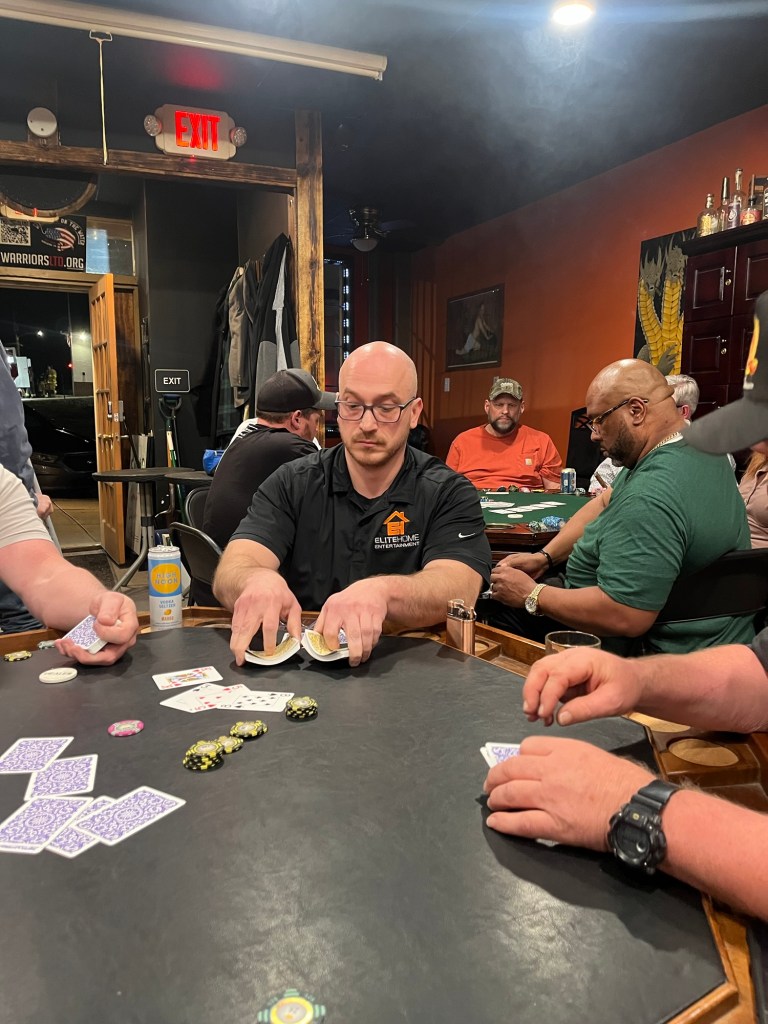
I wrote an article recently called the importance of understanding position in poker and have had several people ask me more about the different positions and what they are called. I decided to follow up with this simple explanation as a back to basics.
Poker table positions are one of the most important concepts for beginners to learn in Texas Hold’em (the most popular poker variant). Your position at the table determines when you act in each betting round, which gives you more (or less) information about what other players are doing. Acting later is a huge advantage because you see everyone’s actions before deciding.
The dealer button (a small disc labeled “Dealer”) moves clockwise each hand, so positions rotate. This guide focuses on a standard 9-handed (full-ring) table, common in live games and many online settings.
Why Position Matters for Beginners
• Early positions act first → tougher, play fewer hands.
• Late positions act last → easier, play more hands aggressively.
• Blinds post forced bets but act out of order.
Positions are grouped into early, middle, late, and blinds.
Poker Positions Explained (9-Handed Table)
1. Small Blind (SB)
Directly left of the button. Posts the small forced bet (half the big blind). Acts second-to-last preflop (after big blind calls/raises) but first postflop (after the flop). Tricky spot—play carefully.
2. Big Blind (BB)
Left of the small blind. Posts the full forced bet. Acts last preflop (great for seeing raises) but second postflop. Defend your blind with decent hands.
3. Under the Gun (UTG)
First to act preflop (left of big blind). “Under the gun” means pressure—no one has acted yet. Tightest position—only play strong hands.
4. Under the Gun +1 (UTG+1)
Next after UTG. Still early position. Similar to UTG: be selective.
5. Lojack (LJ) or Middle Position
Early-middle. More flexibility than UTG but still somewhat early.
6. Hijack (HJ)
Middle-late position (right of lojack). Good spot to open-raise if folded to you.
7. Cutoff (CO)
Right of the hijack (one seat right of button). Strong late position—often steal blinds with wider ranges.
8. Button (BTN)
The dealer position (button in front). Best seat overall. Acts last postflop in almost every hand—maximum information. Play most hands aggressively here.
Quick Tips for Beginners
• Position > Cards — A mediocre hand in late position often beats a good hand in early position.
• Always note the button location—it shows who’s in late position.
• In online poker or 6-max games, positions shift (fewer early seats, more late-play opportunities).
• Start by playing tight from early positions and looser from late.
Mastering positions will instantly improve your game more than memorizing hand rankings. Practice at low-stakes tables, watch where the button is, and ask yourself: “Do I act early or late?” Good luck at the tables
If you enjoyed this article please like, comment subscribe and share. Thank you and see you at the tables!
What kind of Poker Player are you?
Understanding Poker Player Types: Casual, Recreational, and Regular Players Explained
In the world of poker, knowing the different types of poker players can give you a real edge at the table. Whether you’re a beginner searching for poker playing styles or a seasoned grinder looking to exploit poker players, understanding categories like casual poker player, recreational poker player, and poker regular is key. These poker player types influence game dynamics, strategy, and even where you choose to play—be it online poker sites, live casinos, or home games. In this guide, we’ll break down each type with brief descriptions, highlighting their motivations, habits, and how they fit into the broader poker strategy ecosystem.
What Is a Casual Poker Player?
A casual poker player is the epitome of low-commitment fun in the game. These players dip into poker sporadically, often treating it like any other leisure activity—think someone who joins a friendly home game during holidays or logs into a free online poker app when bored. Their primary goal isn’t winning big; it’s simply enjoying the social vibe or killing time.
Key traits of a casual poker player:
• Frequency: Plays infrequently, maybe a few times a year.
• Strategy: Minimal knowledge beyond basic rules; decisions are gut-based, leading to common mistakes like chasing unlikely draws.
• Mindset: Low stakes, no bankroll management—losses are just part of the entertainment.
• Impact on Games: They add unpredictability but aren’t consistent enough to be reliable “action” providers.
If you’re searching for beginner poker tips, starting as a casual player is a low-pressure way to learn without the grind.
What Is a Recreational Poker Player (Rec)?
Often abbreviated as “rec,” a recreational poker player takes the hobby a step further than casuals. These are the enthusiasts who play for the thrill and social interaction, viewing poker as a fun escape rather than a job. In poker lingo, recs are the “fish” that keep games juicy, as they prioritize enjoyment over profit.
Brief description of a recreational poker player:
• Frequency: Regular sessions, like weekly casino visits or online games a few times a month.
• Strategy: Basic understanding of hands, but prone to loose calls and speculative plays—think overvaluing suited connectors in video poker or live settings.
• Mindset: Accepts long-term losses as the “cost of fun,” similar to a night out. They might watch poker streams or follow pros for entertainment.
• Impact on Games: Essential for the ecosystem; pros love tables full of recs because they’re exploitable with solid poker strategy.
Recs embody the spirit of free poker games but with real money on the line, making them a staple in discussions about poker player differences.
What Is a Regular Poker Player (Reg)?
A poker regular, or “reg,” represents the more serious side of non-pro play. These players treat poker as a consistent pursuit, often aiming to break even or profit over time. They’re the familiar faces at local card rooms or online tables, grinding sessions with discipline.
Essential traits of a poker regular:
• Frequency: Plays frequently, sometimes daily, with a routine schedule.
• Strategy: Employs structured approaches like tight-aggressive (TAG) or loose-aggressive (LAG) styles, focusing on stats, position, and reads to exploit poker players.
• Mindset: Bankroll-focused, with goals for improvement—might use tools like HUDs or study resources to refine their game.
• Impact on Games: They stabilize tables but can make them tougher; regs often spot and avoid each other, targeting recs and casuals instead.
For those researching poker terms or advancing from casual play, becoming a reg involves mastering essential poker math and player reads.
Key Differences Between Casual, Rec, and Regular Poker Players
To sum up the poker player types:
• Casual vs. Recreational: Casuals play rarely and passively, while recs are more engaged hobbyists who show up often but still prioritize fun over strategy.
• Recreational vs. Regular: Recs lose money long-term for enjoyment, whereas regs aim for sustainability or profit through disciplined play.
• Overall: Casuals bring whimsy, recs fuel the action, and regs provide the challenge—together, they create balanced, exciting games.
Understanding these types of poker players can transform your sessions. If you’re a casual poker player eyeing progression, start by observing regs at free poker games to pick up tips. For regs, spotting recs is your path to profitability.
Whether you’re into online poker or live tournaments, recognizing these categories enhances your experience. What’s your poker player type? Share in the comments below!
Thank you for reading this article. If you enjoyed it please like, comment or subscribe! See you at the table!

General Poker table etiquette
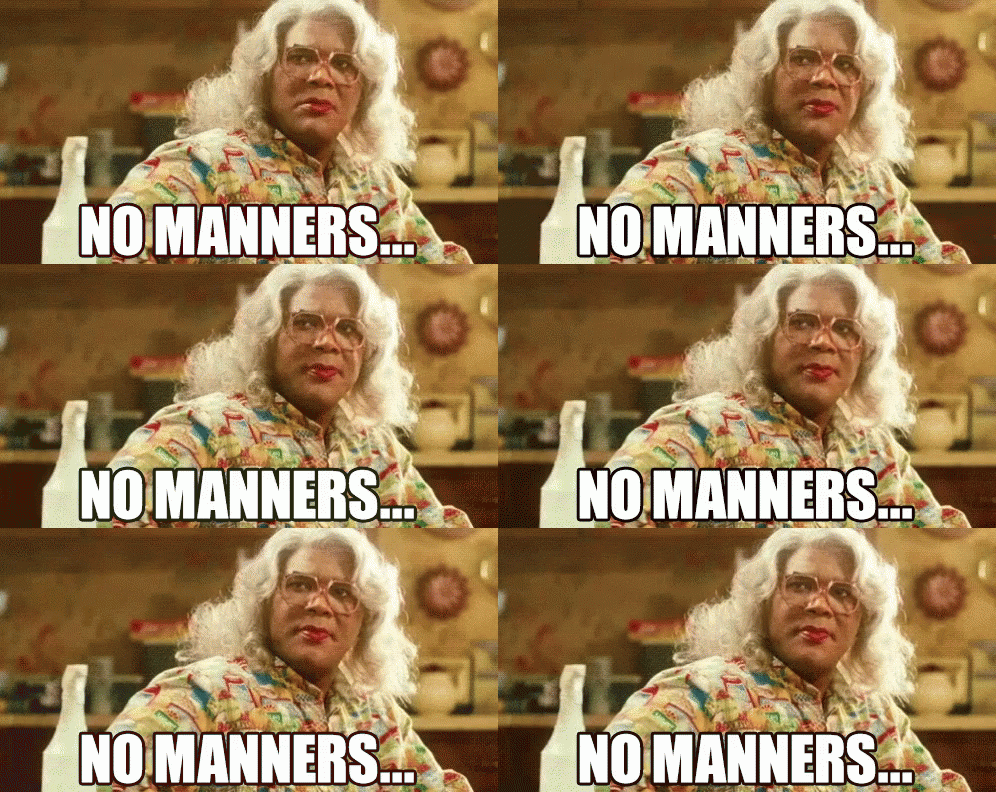
Poker table etiquette helps keep the game enjoyable, fair, and flowing smoothly for everyone—whether you’re at a casino, home game, or tournament. Good manners show respect for the dealers, staff, and fellow players, and they prevent unnecessary tension or delays.
Here are the most important guidelines to follow:
Act in Turn and Pay Attention
Always wait for your turn before acting (betting, calling, folding, etc.). Acting out of turn can give unfair information or disrupt the action. Stay focused on the hand—even when you’ve folded—so you don’t miss your turn later. If you’re unsure, ask the dealer for clarification.
Be Clear and Deliberate with Actions
Announce your intentions verbally (“raise to $50,” “all-in,” “call”) before moving chips. Avoid “string bets” (reaching for more chips after already putting some forward). Place bets neatly in front of you—don’t “splash the pot” by throwing chips haphazardly into the center.
Don’t Slow Roll
When you win a big pot, don’t deliberately delay showing your winning hand to build suspense or taunt opponents. Flip your cards promptly when called or at showdown. Slow rolling is one of the most disliked behaviors in poker.
Respect the Table and Players
• Keep conversation friendly and avoid excessive trash talk, especially when someone is on tilt.
• Don’t criticize other players’ decisions or give unsolicited advice.
• Protect your cards and stack—keep chips organized and don’t touch other players’ cards or chips.
• One player to a hand: Don’t discuss strategy or show hole cards while a hand is ongoing.
Phone and Distractions
Step away from the table for phone calls or important texts. Constant phone use slows the game and annoys others. Many casinos require you to leave the table for calls anyway.
Tipping and Leaving
Tip the dealer when you win pots (especially big ones)—a small toke is standard in live games. If you need to leave, say a quick goodbye and cash out politely. Avoid “hit and run” tactics (buying in, winning a big pot quickly, then immediately leaving), which can frustrate regulars.
General Courtesy
• Be gracious in both victory and defeat—don’t gloat or berate others.
• Keep the table clean—no food/drink spills, no excessive profanity if the table vibe doesn’t support it.
• If you’re new, feel free to ask the dealer questions—most are happy to help beginners.
Following these simple rules makes you a welcome player at any table. Poker is social, and good etiquette keeps the atmosphere positive and the action moving. Good luck—and may your bluffs always get through! ♠️
These are basic, I’ll cover the difference between a casino and home game etiquette in a future article!
If you enjoyed this article please like, comment, share or subscribe! Thank you and see you at the tables!



 THE PLAYER IN SEAT 4..
Recent Comments