Archive
Video Poker Strategy: How to Play Video Poker and Make Smarter Decisions at the Machine
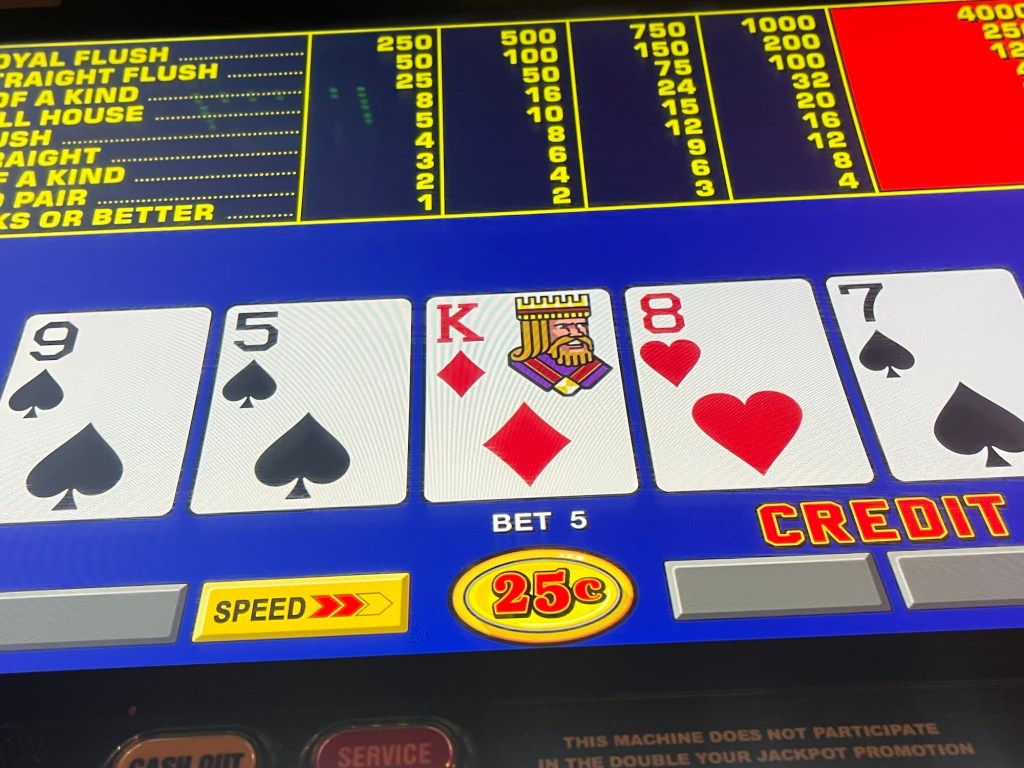
Video poker can look a lot like a slot machine, but there is one huge difference: you make decisions.
Instead of simply pressing a button and hoping for a winning combination, you are dealt a hand of cards and must decide which cards to keep and which to discard. That’s the foundation of any good video poker strategy.
At jackstokingspoker.org, we focus on making better decisions at the poker table. The same idea applies here. If you understand how to play video poker and apply a solid strategy, you can reduce the house edge and play much more effectively.
Start With the Right Game: Jacks or Better Strategy Basics
Not all video poker machines are created equal.
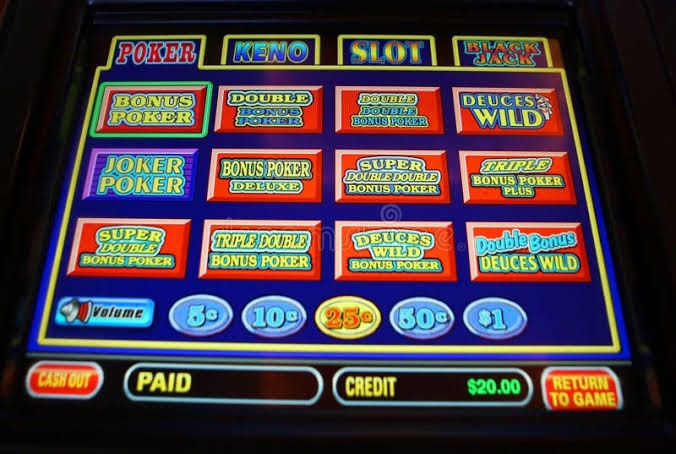
Before you put money into a machine, check the pay table. Different machines can have very different payouts, and that directly affects your long-term results.
For beginners, Jacks or Better strategy is the best place to start. It’s the most straightforward version of video poker and teaches strong fundamentals.
The goal is simple: finish with at least a pair of jacks, queens, kings, or aces — or build stronger poker hands like two pair, three of a kind, straights, flushes, full houses, four of a kind, straight flushes, or the royal flush.
The Core Video Poker Strategy: Keep Strong Hands
One of the biggest beginner mistakes in how to play video poker is overthinking strong hands.
If you are dealt a strong made hand, you usually keep it.
For example:
A♠ A♥ 7♣ 4♦ 2♠
Keep the two aces.
You already have a winning pair, so breaking it up in hopes of something better is usually a mistake in basic video poker strategy.
Likewise, if you are dealt a straight, flush, or full house, you should almost always keep the entire hand.
Don’t Automatically Chase a Royal Flush
The royal flush is the dream hand in video poker, but chasing it blindly is not part of good strategy.
Imagine you are dealt:
K♠ 9♦ 6♣ 3♥ 2♦
There is no real draw here. Keeping the king just because you hope to build a royal flush is not correct video poker strategy.
Good play is based on math, not hope. Learning how to play video poker properly means knowing when not to chase unlikely outcomes.
Learn the Value of Pairs in Jacks or Better Strategy
In Jacks or Better strategy, a pair of jacks or higher is a paying hand, which makes it very important.
For example:
A♣ A♦ 8♠ 6♥ 3♣
Keep the aces.
But a hand like:
10♠ 10♦ 7♣ 4♥ 2♦
requires more attention because tens are not a paying pair in Jacks or Better. This is where a basic strategy chart becomes extremely useful for improving your video poker strategy.
Don’t Forget About Four-Card Draws
Sometimes the best play in how to play video poker isn’t a made hand — it’s a strong draw.
For example:
10♠ J♠ Q♠ K♠ 4♦
You have four cards to a royal flush.
Keeping those four suited cards gives you a real chance to hit the strongest hand in the game. This is one of the most exciting parts of video poker strategy: you are making decisions before the final card is revealed
.

Bet Consistently for Better Video Poker Strategy
Another key part of video poker strategy is consistency.
Avoid changing your bet size based on short-term results.
Decide on a bankroll and denomination before you start. For example, if you’re playing a $0.25 machine, set a clear budget before you sit down.
Don’t chase losses by increasing your wagers. That’s one of the fastest ways to lose control of your session.
Bankroll Management Is Part of How to Play Video Poker
Even with perfect video poker strategy, you will still have losing sessions. That’s just part of the game.
That’s why bankroll management is essential.
Set a loss limit before you play and stick to it. If you reach it, walk away.
And if you’re ahead, don’t let that change your discipline. Good Jacks or Better strategy is about long-term consistency, not short-term emotion.
The Bottom Line: Video Poker Strategy Is About Better Decisions
Learning how to play video poker isn’t about finding a trick that guarantees wins.
It’s about making better decisions over thousands of hands.
Start with a good-paying machine, learn Jacks or Better strategy, understand which hands to keep, and manage your bankroll responsibly. That’s the foundation of strong video poker strategy.
At jackstokingspoker.org, we believe in one simple idea:
Better decisions lead to better results.
If you’re also working on your Texas Hold’em game, video poker is a great way to sharpen your understanding of hand values, probabilities, and decision-making.
Want to improve your poker game? Keep following jackstokingspoker.org — The Player in Seat 4 is always looking for the next edge.
Video Poker Strategy Cheat Sheet (Quick Reference)
● Always keep paying pairs (Jacks or better in Jacks or Better games)
● Always keep made strong hands: two pair, three of a kind, straights, flushes, full houses, quads, straight flushes
● Always keep four to a royal flush (same suit: 10-J-Q-K-A)
● Prefer high cards over low unsuited cards when no made hand exists
● Discard weak, unsuited low cards (especially 2–9 with no draw potential)
● Do not break strong hands chasing unlikely draws
● Do not chase royal flushes without a real draw
● Keep high pairs over drawing hands in most cases
● Follow a basic strategy chart for Jacks or Better for optimal play
In my next post I will provide a simple to memorize or print basic strategy guide!
If you enjoyed this article please like, share. Comment and subscribe. Please click on our sponsor ads to keep our blog free. Thanks for reading and I’ll see you at the tables!

How to Tilt Your Opponents in Poker (Without Crossing the Line)

In July I’m trying to write articles around a common theme, the theme is emotional intelligence in poker. We will continue to review different player types and strategies you can utilize to exploit their behaviors and improve your results.
Every poker player has experienced tilt. Whether it’s a bad beat, a missed draw, or a costly mistake, emotions can quickly affect decision-making. The best players know how to stay calm—but they also understand how to recognize when an opponent is tilting and, within the rules and good etiquette, apply pressure that causes even more mistakes.
If you’re looking to improve your Texas Hold’em strategy, learning how to capitalize on an opponent’s frustration can significantly increase your win rate. Here’s how to tilt your opponents the right way.
1. Play Solid, Aggressive Poker
Nothing frustrates opponents more than consistently running into strong hands and well-timed aggression. Raise your premium hands, value bet confidently, and apply pressure when the situation calls for it. Players who are already frustrated often begin calling too wide or making reckless bluffs against aggressive opponents.
A disciplined strategy is one of the most effective ways to create tilt naturally.
2. Stay Calm After Winning Big Pots
When you win a large pot, avoid celebrating or rubbing it in. Simply stack your chips and prepare for the next hand. Ironically, your calm demeanor can frustrate opponents even more because they don’t get the emotional reaction they’re hoping for.
Professional behavior often creates more psychological pressure than trash talk ever will.
3. Put Pressure on Short Stacks
Players with shrinking stacks frequently feel stressed. Continue making fundamentally sound raises when you’re in favorable positions. Tilted players often respond by making desperate all-in moves with weak holdings, giving you profitable opportunities to call with stronger ranges.
Remember: pressure should come from good poker decisions, not intimidation.
4. Let Your Opponents Make Their Own Mistakes
One of the biggest mistakes players make is trying too hard to force action. Instead, be patient. Tilted opponents often bluff too much, chase impossible draws, or overplay marginal hands. Give them the chance to hang themselves rather than forcing the issue.
Poker rewards patience.
5. Maintain a Friendly Table Presence

Being respectful doesn’t prevent you from gaining an edge. Smile, be courteous, and avoid arguments. Players who are already upset may become even more frustrated when they see you remaining composed while they lose control of their emotions.
Good sportsmanship is both ethical and profitable.
6. Recognize the Signs of Tilt
Watch for opponents who:
- Play far more hands than usual.
- Call large bets with weak holdings.
- Raise impulsively after losing a pot.
- Complain about bad luck.
- Show visible frustration or impatience.
Once you identify these signs, tighten your value betting and avoid unnecessary hero calls. Let their emotional decisions work in your favor.
Common Mistakes to Avoid

Trying to intentionally provoke someone with insults, slow rolling, excessive celebration, or disrespectful behavior is bad for the game and can create an uncomfortable atmosphere. The goal is not to upset people personally—it’s to recognize emotional mistakes and respond with fundamentally sound poker.
Winning because your opponents make poor strategic decisions is part of poker. Winning through poor etiquette is not.
Final Thoughts
Learning how to tilt opponents in poker isn’t about mind games or trash talk. It’s about understanding human psychology, recognizing emotional decision-making, and continuing to play disciplined, fundamentally sound poker while others lose focus.
The best players don’t create chaos—they stay composed while everyone else does the opposite. Over the long run, emotional control is one of the biggest edges you can have at the poker table.
If you enjoyed this article please like, share, comment and subscribe! Please click on sponsor ads to help keep our blog free. I hope you enjoyed reading and I’ll see you at the tables!
The Tropicana Poker Room: A Classic Atlantic City Poker Experience
For poker players who love the excitement of Atlantic City without the overwhelming crowds, the poker room at the Tropicana has long been a favorite destination. While it may not be the largest poker room in town, it offers something many players appreciate: a relaxed atmosphere, friendly competition, and plenty of action, especially during weekends.
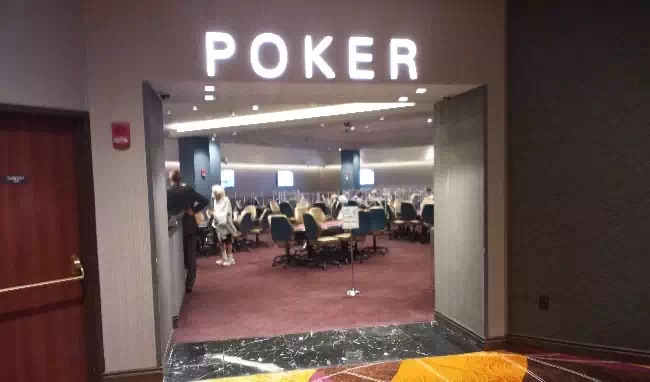
Located just off The Quarter inside the Tropicana, the poker room primarily spreads low-stakes No-Limit Hold’em cash games, making it an excellent choice for recreational players and weekend grinders. The room has earned a reputation for attracting a mix of locals and tourists, creating games that are often less intimidating than those found in larger poker rooms. Many regulars consider the games to be soft, giving patient players plenty of opportunities to build a bankroll. (Poker Wiki)
One of the biggest advantages of playing at the Tropicana is the overall experience. After your poker session, you’re just steps away from restaurants, bars, live entertainment, and the famous Boardwalk. Whether you’re celebrating a winning session or taking a break between games, there is always something to do. The convenience of having everything under one roof makes the Tropicana an ideal destination for a poker getaway.

The poker room itself focuses on cash games rather than tournaments, with $1/$2 No-Limit Hold’em being the most common game and additional stakes sometimes available during busy periods. Weekend evenings typically provide the best action, while weekdays tend to be quieter and attract more regular players.
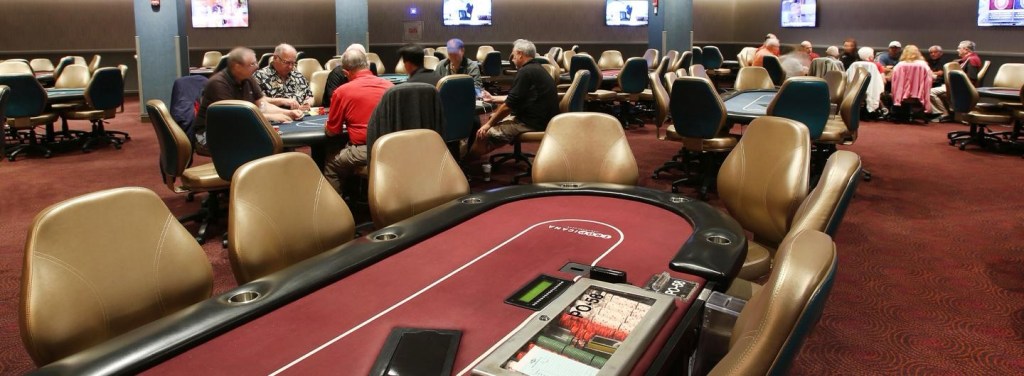
Although many serious professionals gravitate toward larger rooms like Borgata, the Tropicana has carved out its own niche. If your goal is to enjoy a fun session, meet interesting players, and play in a welcoming environment, it’s hard to go wrong. The dealers and staff are generally well regarded, and many visitors return because they enjoy the laid-back atmosphere as much as the poker itself. (Poker Wiki)
Final Thoughts
The Tropicana poker room reminds us that poker isn’t always about chasing the biggest games. Sometimes the best sessions come from good conversations, competitive tables, and the chance to enjoy one of Atlantic City’s classic casino resorts. Whether you’re visiting for the first time or making your annual poker trip to the Jersey Shore, the Tropicana deserves a spot on your list.
What do you think? Have you played at the Tropicana poker room? Share your favorite memories and biggest wins in the comments!
If you enjoyed this article please like,share, comment and subscribe! Thanks for reading and I’ll see you at the tables!

Is 4-Betting Just a Setup to Shove All-In?
In my last post we discussed 3 betting in 2026, what about the 4 bet? If you’ve played enough No-Limit Texas Hold’em, you’ve probably seen the action go raise, 3-bet, and then 4-bet. At lower stakes, many players assume that a 4-bet automatically means someone is committed to getting all of their chips into the middle. But is a 4-bet really just a setup to shove all-in? The answer is: not always.
What Is a 4-Bet?
A 4-bet is the fourth aggressive action before the flop. For example, Player A opens the pot, Player B 3-bets, and Player A responds with a 4-bet. This move is usually made with a very strong hand, but experienced players also include well-timed bluffs in their 4-betting range to stay balanced.
Does a 4-Bet Mean You’re Pot-Committed?
In many $1/$2 and $2/$5 cash games, a large 4-bet often leaves only a pot-sized bet remaining. That means both players may already be committed to the hand, making an all-in shove on the next action very common. However, stack depth matters. With 200 big blinds or more, skilled players can sometimes 4-bet and still fold if faced with overwhelming aggression from an opponent who only continues with premium hands.
When Should You 4-Bet?
The best 4-bets are made for value with premium hands like AA, KK, QQ, and AK against aggressive opponents. Occasionally, adding hands like suited wheel aces (A5s or A4s) as bluffs can make your strategy harder to exploit. The key is understanding your opponent. Against players who only 3-bet monsters, bluff 4-betting is usually a losing play. Against aggressive regulars who 3-bet frequently, well-timed 4-bets can be extremely profitable.
Final Thoughts
A 4-bet is often a step toward playing for stacks, but it isn’t automatically a commitment to shove all-in. Your stack size, your opponent’s tendencies, position, and table dynamics should all influence your decision. Great poker players don’t 4-bet simply because they have a strong hand—they 4-bet because it’s the most profitable play in the situation.
Whether you’re grinding your local $1/$2 cash game or battling tougher $2/$5 players, understanding when a 4-bet is for value, when it’s a bluff, and when it leads to an all-in confrontation will make you a far more dangerous opponent at the table.
If enjoyed this article please like, share, comment and subscribe. Thanks for reading and see you at the tables!
Mastering the 3-Bet in 2026: A Modern Poker Strategy Guide

If you want to become a stronger poker player in 2026, learning how to 3-bet effectively should be one of your top priorities. As players become more aggressive and better studied, simply calling raises isn’t enough. Whether you play $1/$2 or $2/$5 No-Limit Hold’em cash games or local tournaments, a solid 3-betting strategy can significantly increase your win rate.
What Is a 3-Bet?
A 3-bet is the first re-raise before the flop. For example, the blinds are posted, one player opens the action with a raise, and you re-raise. That’s a 3-bet.
The purpose of a 3-bet is to build the pot with your strongest hands, put pressure on opponents, and often win the pot before the flop. Many recreational players call too often instead of re-raising, leaving money on the table over the long run.
Value 3-Betting
The easiest hands to 3-bet are your premium holdings. Hands like AA, KK, QQ, AK, JJ, and AQs should usually be played aggressively. At low-stakes live games, players frequently call with weaker hands, making value 3-betting extremely profitable.
When you have the best hand, don’t be afraid to build a bigger pot. Playing premium hands passively often allows opponents to realize their equity cheaply.
Bluff 3-Betting
The best players in 2026 don’t only 3-bet with monsters—they also include carefully selected bluff hands in their range. Suited wheel aces like A5s through A2s, suited connectors, and blocker hands can make excellent bluff 3-bets in the right situations.
However, choose your opponents wisely. Bluff players who are capable of folding. Against loose calling stations, focus on value because they will often call with weaker holdings.
Position Is Everything
Position continues to be one of the biggest advantages in poker. When you’re on the Button or Cutoff, you can widen your 3-betting range because you’ll have position after the flop. Out of position, tighten your range and rely more heavily on premium hands.
Having position allows you to control the size of the pot, gather more information, and make better decisions throughout the hand.
Common 3-Betting Mistakes
Many players make the mistake of 3-betting every decent hand or never bluffing at all. Others use the same sizing regardless of position or stack depth.
Instead, pay attention to your opponent’s tendencies. Are they opening too many hands? Do they fold to aggression? Are they calling almost every raise? Adjust your strategy accordingly rather than relying on a one-size-fits-all approach.
Final Thoughts
A strong 3-betting strategy is one of the fastest ways to improve your poker results in 2026. By combining aggressive value betting with well-timed bluffs, you’ll win more uncontested pots, extract more value from your premium hands, and become a much tougher opponent.
Remember, successful poker isn’t about playing every hand aggressively—it’s about applying pressure at the right time against the right opponents. Master the 3-bet, and you’ll put yourself in position to win more consistently at the tables.
If you enjoyed this article please like. share, and subscribe. Thanks for reading and see you at the tables!
Turning Marginal Hands into Bluffs!
One of my favorite topics in poker because let’s face it sometimes you need to turn lemons into lemonade and even marginal hands can pay off if played correctly! Poker isn’t just about making big hands. Some of the most profitable players understand how to turn marginal holdings into effective bluffs when the situation calls for it. Knowing when to transform a weak pair, missed draw, or mediocre showdown hand into a bluff can help you win pots that would otherwise be lost.
What Is a Marginal Hand?
A marginal hand is a holding that has some value but is often not strong enough to comfortably win at showdown. Examples include second pair with a weak kicker, bottom pair, ace-high, or a missed straight or flush draw. Many recreational players simply check and hope these hands are good. Stronger players recognize opportunities to apply pressure and force better hands to fold.
Why Bluff With Marginal Hands?
When you hold a marginal hand, your chances of winning at showdown are often limited. If your opponent is likely to have a stronger hand, turning your holding into a bluff can be the more profitable option. By representing a strong range and applying pressure on favorable board textures, you can force folds from hands that currently beat you.
For example, imagine you’re playing a $2/$5 No-Limit Hold’em cash game. You raise preflop with J♦10♦ and get called. The board runs A♠7♣3♥K♣2♠. After your opponent checks all three streets, a large river bet may convince them to fold medium-strength hands like pocket eights, nines, or even a weak ace.
The Best Candidates for Bluffing
Not all marginal hands should become bluffs. The best bluffing candidates usually block your opponent’s strongest holdings. For instance, holding an ace can make it less likely that your opponent has top pair. Missed draws are also excellent bluff candidates because they rarely win at showdown and can credibly represent completed draws or strong made hands.
Hands that have little showdown value but contain important blockers often make the most profitable bluffs.
Picking the Right Spots

Successful bluffing depends heavily on board texture and opponent tendencies. Bluff more often against players who can fold and less often against calling stations. Look for scare cards that improve the story you’re telling. Overcards, completed flush draws, and coordinated turn or river cards can all create opportunities to represent strength.
Remember that a good bluff tells a believable story. Your betting pattern should make sense based on the hand you’re representing.
Final Thoughts
Turning marginal hands into bluffs is one of the skills that separates average poker players from winning players. Instead of giving up when you miss the flop or make a weak pair, look for opportunities to apply pressure in the right situations. By understanding blockers, board texture, and opponent tendencies, you can turn losing hands into profitable weapons.
At JackStokingsPoker.org, we believe that mastering advanced concepts like bluffing with marginal hands is essential for long-term success at the poker table. The next time you’re facing a difficult decision with a weak holding, ask yourself: “Can this hand make more money as a bluff than as a showdown hand?”
If you enjoyed this article please like, share, comment and subscribe. Thanks for reading and I’ll see you at the tables!
Strategy for Calling Stations in Poker!

What Is a Calling Station in Poker? (And the Best Strategy to Beat Them)
If you play live low-stakes poker like $1/$2 or $2/$5 cash games, you’ve definitely run into the classic calling station. These players are everywhere—and if you know how to adjust, they can become one of your biggest sources of profit.
In this article, we’ll break down exactly what a calling station is in poker and the best strategy to exploit them for maximum value.
What Is a Calling Station in Poker?
A calling station is a type of poker player who calls far too often and folds far too rarely. Instead of playing aggressively, they prefer to check and call with a wide range of hands—many of which are weak.
Common Traits of a Calling Station
- Calls with weak pairs, draws, and even high cards
- Rarely folds after seeing the flop
- Almost never bluffs
- Plays passively (check/call instead of bet/raise)
In simple terms: they hate folding and are willing to “see it through” to the river.
Why Calling Stations Are Profitable
Calling stations might seem frustrating because they hit unexpected hands—but in reality, they are highly exploitable.
Why? Because poker is about making your opponents make mistakes—and calling stations make one of the biggest mistakes in the game:
Calling too much with worse hands
That means you can consistently extract value when you’re ahead.

Best Strategy to Beat a Calling Station
To win against calling stations, you need to shift your mindset. Forget fancy plays—this is about simple, disciplined, value-driven poker.
1. Value Bet Relentlessly
This is the #1 adjustment.
If you think you have the best hand, bet—and bet big. Calling stations will often pay you off with worse hands.
Examples of hands to value bet:
- Top pair (good kicker)
- Overpairs
- Two pair or better
Pro tip: Don’t get tricky. If they’re calling, keep charging them.
2. Stop Bluffing (Almost Completely)
Bluffing a calling station is one of the fastest ways to lose money in poker.
- They don’t fold enough
- They call “just to see it”
- Even scary board cards won’t always work
Rule: If your strategy relies on them folding, rethink it.
3. Use Bigger Bet Sizes
Against strong players, you balance your bet sizing. Against calling stations, you exploit.
Since they call too much:
- Increase your bet sizes (60%–100% pot or more)
- Charge their draws heavily
- Build bigger pots when you’re ahead
You’re not trying to be balanced—you’re trying to get paid.

4. Play Tighter Preflop
You want to go to showdown with strong, value-heavy hands.
Avoid:
- Weak suited connectors (especially out of position)
- Marginal hands that make weak pairs
Focus on hands that can make:
- Top pair with a strong kicker
- Overpairs
- Strong draws with equity
5. Don’t Slow Play Your Big Hands
Slow playing is a mistake against calling stations.
Why?
- They’re already calling too much
- You risk missing value
- You give free cards that can beat you
Instead, bet your strong hands immediately and often.
6. Stay Patient and Emotionally Disciplined
Calling stations will:
- Hit lucky draws
- Catch miracle river cards
- Occasionally crack your premium hands
That’s part of the game.
The key is understanding:
You’re making money long-term by getting called by worse hands
Stick to your strategy and avoid tilt.
Winning Mindset Against Calling Stations
Against skilled opponents, poker is about balance and deception.
Against calling stations, it’s much simpler:
- Bet when you’re ahead
- Don’t bluff when you’re behind
- Charge them as much as possible
Final Thoughts
If you’re playing live low-stakes poker, learning how to beat calling stations is essential. These players are not your enemy—they’re your opportunity.
Master this one adjustment—value betting relentlessly—and you’ll see a noticeable increase in your win rate.
If you enjoyed this article please like, share, comment and subscribe. Thanks for reading and I’ll see you at the tables!
3 Card Poker; Basic Strategy

The other week I was asked if I have ever played 3 card poker? I have but I’m honestly not that great at it and I don’t have a strategy for it so I worked with AI and researched a basic strategy to share.
Mastering Basic Strategy in 3 Card Poker: Play Smarter and Minimize the House Edge
3 Card Poker is one of the most popular table games in casinos thanks to its fast pace, simple rules, and exciting mix of skill and luck. Unlike traditional poker, you play against the dealer rather than other players, and decisions are straightforward once you know the basics.
While the game offers big payouts on premium hands, many players lose money unnecessarily by making poor decisions on when to fold or play. The good news? There’s a simple, mathematically proven basic strategy that can significantly reduce the house edge and help you play longer.
Quick Overview of How 3 Card Poker Works
You start by placing an Ante bet to receive your three cards. You can also place an optional Pair Plus bet, which pays out based solely on the strength of your own hand (regardless of the dealer’s).
After looking at your cards, you decide:
• Play (also called “Raise”): Bet an additional amount equal to your Ante to compete against the dealer.
• Fold: Forfeit your Ante and end the hand.
The dealer then reveals their three cards but must qualify with at least a Queen-high hand. If the dealer doesn’t qualify, you win even money on your Ante (and your Play bet pushes). If the dealer qualifies, the highest three-card hand wins.
Hand Rankings (from highest to lowest):
• Straight Flush
• Three of a Kind
• Straight
• Flush
• Pair
• High Card
Ties push (no money exchanged on that bet).
Many tables also offer an Ante Bonus for strong hands like a straight or better, paid even if you lose to the dealer.
The Core Basic Strategy: The Q-6-4 Rule
The single most important decision in 3 Card Poker is whether to make the Play bet or fold. The optimal basic strategy is incredibly simple:
Play any hand of Queen-6-4 or better. Fold everything weaker.
This means:
• Play if your hand is Q-6-4 (Queen high with a 6 and 4) or stronger.
• Play any Ace-high or King-high hand, no matter what the other two cards are.
• Play Queen-7 or higher (e.g., Q-7-2, Q-8-3), regardless of the third card.
• Fold if your highest card is a Jack or lower, unless you have a Pair or better.
Why this rule works: The dealer needs Queen-high or better to qualify. By playing Q-6-4 or above, you’re in a position where your hand has a reasonable chance of beating a qualifying dealer hand. Folding weaker hands prevents you from risking extra money on hands that are statistical losers in the long run.
This strategy is endorsed by gambling experts like the Wizard of Odds and keeps the overall house edge on the Ante/Play bets low—around 3.37% on the Ante alone, dropping to an effective ~2.01% when factoring in the Play bet and optimal decisions.
Examples to Make It Clear
• Play these hands:
• A♠-7♦-2♣ (Ace-high)
• K♥-J♠-9♦ (King-high)
• Q♣-6♥-4♦ (exactly Q-6-4)
• Q♦-7♠-3♥ (Queen-7 or better)
• 10♠-10♥-5♣ (Pair)
• Fold these hands:
• J♦-8♣-7♥ (Jack-high)
• 9♠-6♦-4♥ (below Q-6-4)
• Q♥-5♣-3♦ (Queen with weak kickers below the threshold)
Pro tip: Compare your hand directly to Q-6-4. If it’s equal or better in poker hand ranking order (high card first, then second, then third), play it.
What About the Pair Plus Bet?
The Pair Plus is a fun side bet that pays out on any Pair or better:
• Pair: 1:1
• Flush: 3:1 (common paytable)
• Straight: 6:1
• Three of a Kind: 30:1
• Straight Flush: 40:1
(Exact payouts can vary by casino—always check the table.)
However, this bet carries a higher house edge (often ~7.28% on standard paytables). It’s best treated as entertainment rather than a core part of strategy. Many serious players skip it or bet small to keep the focus on the lower-edge Ante/Play game.
Additional Tips for Better Play
• Bankroll management: Set a loss limit and stick to it. The game moves quickly, so decide in advance how much you’re willing to risk per session.
• Avoid “mimicking the dealer”: Some players play any Queen-high or better. This is close but slightly worse than strict Q-6-4, increasing the house edge a bit.
• Don’t chase losses: Folding is not “losing”—it’s smart money management. Over thousands of hands, discipline pays off.
• Casino variations: Some tables have different Ante Bonus payouts or side bets (like 6-Card Bonus). Confirm rules before playing.
• Practice online: Many sites offer free 3 Card Poker games where you can test the Q-6-4 rule without risk.
Final Thoughts: Strategy Makes the Difference
3 Card Poker isn’t a game you can beat long-term (the house always has an edge), but following basic strategy turns it into one of the more player-friendly table games. By consistently playing Q-6-4 or better and folding the rest, you’ll minimize losses, stretch your bankroll, and enjoy the game more.
Next time you’re at the casino (or playing online), resist the urge to “just play this one” with a weak Jack-high hand. Stick to the math, stay disciplined, and let the cards fall where they may.
Have you tried the Q-6-4 strategy? What’s your biggest win (or lesson) from 3 Card Poker? Drop a comment below!
If you enjoyed this article please like, share, comment and subscribe. Thanks for reading and see you at the tables!
A lesson in playing $2/$5 min buy.
Since recently I got a chance to play $2/$5 and got stacked, I decided to do my research and write an article about how to best play with a minimal buy in. I included the resources.

Optimal Starting Hands for $2/$5 Poker: Short Stack Strategy with Minimum Buy-In (40BB)
If you’re grinding $2/$5 No-Limit Hold’em live cash games and buying in for the minimum (usually $200, or 40 big blinds), your poker strategy must change dramatically from the deep-stack playbook most players follow.
With only 40BB, you can’t rely on implied odds, multi-street bluffs, or speculative hands like suited connectors. Instead, you need tight, aggressive preflop play focused on premium starting hands that make strong top pairs or better right away.
In this guide, we’ll break down the optimal starting hands for $2/$5 poker at minimum buy-in, provide position-based ranges, and share pro tips to maximize your edge. Whether you’re new to short-stack play or looking to optimize your $2/5 NLHE strategy, this is your complete roadmap.
Why Minimum Buy-In Changes Everything in $2/$5 NLHE
Most $2/$5 tables allow a minimum buy-in of $200 (exactly 40 big blinds). This short-to-mid stack depth turns the game into a high-variance, preflop-heavy battle.
Key differences from 100BB+ deep stacks:
• No set-mining with small pairs (implied odds disappear).
• Fewer postflop decisions — you often raise-or-shove preflop or commit on the flop.
• You play for stacks quickly, so hand strength and fold equity matter most.
• Opponents (recreational players and regs) overcall lighter, giving your premiums massive value.
Short-stacking isn’t always optimal long-term (deeper stacks let you extract more value), but it’s bankroll-friendly for $2/$5 and exploits loose tables common at this stake.
Optimal Starting Hands by Stack Depth (40BB Focus)
At exactly 40 big blinds, prioritize big-card strength hands that flop top pair or better. Avoid suited connectors (87s, T9s), small pocket pairs (22-55), and weak aces (A5s-A2s) — they lose money without deep implied odds.
Core 40BB Starting Hand List (from strongest to playable):
• Premium pairs: AA, KK, QQ, JJ
• Strong aces: AKs, AQs, AKo, AQo, AJs
• Borderline: TT, AJo, KQs (add selectively by position)
As your stack drops toward 30BB or below, tighten further and shift to shove-or-fold.
Quick Reference by Effective Stack:
• 40BB: AA–JJ, AKs–AQs, AKo–AQo, AJs
• 30BB or less: Add AJ, TT, ATs, KQs
• 20BB or less: Add AT, KQ, KJs, KJ
• 10BB or less: Push any Ax, QJs, QJ (all-in preflop)
These hands dominate because they win at showdown often and play well when you jam.
Position-Based Opening Ranges for $2/$5 Short Stack (40BB)
Position still matters — even short-stacked. Here’s a simple, profitable range structure for a typical 9-handed $2/$5 table:
Early Position (UTG, UTG+1):
Play ultra-tight (top ~8-10% of hands).
Raise 3–4x BB (or larger to $20–$25).
Hands: AA–JJ, AKs–AQs, AKo–AQo
Middle Position (MP):
Slightly wider.
Hands: AA–TT, AKs–AJs, AKo–AJo, KQs
Late Position (Cutoff, Button):
Steal more aggressively, especially vs. passive blinds.
Hands: AA–99, AKs–ATs, AKo–AJo, KQs–KJs, QJs
(Shove wider from Button if blinds fold often.)
Blinds Defense:
3-bet shove premiums vs. opens. Call lighter only with position and very weak openers.
Pro Tip: Always raise first-in — never limp. At $2/$5, a $15–$20 open builds the pot while giving you fold equity. If facing a raise, 3-bet shove your strongest hands (QQ+, AK) for maximum pressure.
How to Play These Hands Postflop (Short Stack Style)
With 40BB, postflop play is simple ABC poker:
• Hit the flop strong? Bet big or jam (especially top pair top kicker or better).
• Miss? Check-fold unless you have a strong draw with equity.
• C-bet size: 50–75% pot or all-in on coordinated boards.
• Avoid fancy bluffs — your edge comes from value, not hero folds.
Example: You open AKs from middle position for $20. Flop comes A-7-2 rainbow. With ~35BB behind, jam — most $2/$5 opponents call with weaker aces or draws.
7 Essential Tips for Winning $2/$5 Short Stack Play
1. Learn preflop ranges cold — Every decision is worth big chunks of your stack.
2. Track effective stacks — Always play to the shortest stack at the table.
3. Raise bigger preflop — $15–$25 opens deter multi-way pots.
4. Exploit loose callers — $2/$5 players love calling with KJo or 76s — your premiums crush them.
5. Don’t get below 30BB — Top up if you lose a pot to stay in the 40BB sweet spot.
6. Leave after doubling up (optional) — Many short-stackers cash out winners to lock in profit.
7. Bankroll for variance — Short-stack play has big swings; bring 30–50+ buy-ins.
Common Mistakes to Avoid in $2/$5 Minimum Buy-In Games
• Playing suited connectors or small pairs — They bleed money without implied odds.
• Limping or min-raising — Builds small pots and invites multi-way action.
• Being too passive — Short stacks must apply pressure.
• Ignoring table dynamics — Looser tables = wider late-position steals.
Final Thoughts: Crush $2/$5 with Minimum Buy-In
Mastering these optimal starting hands for $2/$5 poker with a 40BB minimum buy-in gives you a massive edge over recreational players who treat it like deep-stack poker. Stick to premiums, play tight-aggressive, and watch your win rate climb.
If you enjoyed this article please like, comment, share or subscribe! Thank you and I’ll see you at the tables!
Article Sources:
Atlantic City trip Day 1
So over the past week won a Super Bowl block for $175 then managed to spin that up to $1000. Playing cards between Perryville poker room and a Championship tournament in my local home game. Decided to get out of town with my wife for a couple days to Atlantic City.

We normally stay at Harrahs because we are always treated great there, practically locals in our favorite Poker bar “ the exhibition bar”. However my wife wanted a change of pace so we booked Cesars for 2 nights…
First off it’s a Wednesday so maybe that’s part of it, but no poker room was definitely a miss. Even the poker room at Ballys next door would have been okay but that’s gone too? Shame on me for not doing my research however the website says poker but it’s now only the dealer table game version Ultimate Texas holdem.
Poker Bar was great instantly served drinks while you play didn’t have to wait for the “ green light” and the bartender was amazing. played on the machines there and then I headed to the tables. Played Ultimate Texas Holdem and ended up +$200. My wife text me she was hungry it was 600pm so ok let’s eat however the only place open was Ramsays Pub? Don’t get me wrong I love Gordon, my brother has even met him, but the only restaurant I’ve ever had a complaint about in AC is the only place open in this huge casino at 600pm?
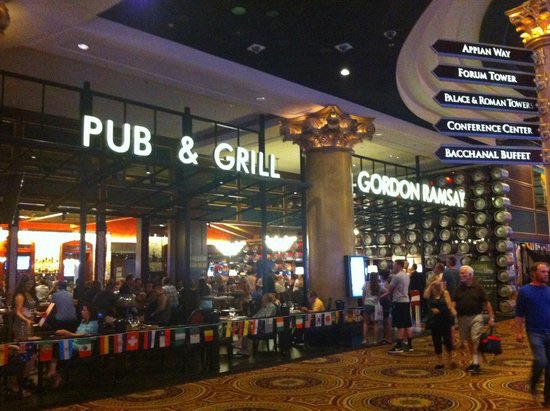

The meal was really good,my wife had a burger and I had fish and chips. Then went back to the tables tried to play Ultimate Texas Holdem again but the only table open was full. I played Top Flush, then 3 card poker both of which I hardly won more than 2 hands, lost $200 on each game! I did try to get even on craps but I should have just bet for 4 rollers to hit craps on 2 rolls each.
I decided to go back to the room and chill for a bit.. which really means lick my wounds. After talking to my wife for a bit we decided to change hotels so tomorrow we will be at Tropicana, nice room and more places to eat. My wife doesn’t really gamble so enjoying a nice dining experience is her jam!
We will see how it goes. Better food options and a poker room, so hopefully a better experience!
So for my poker followers, Cesars is not it! Great room just not the games that I was looking to play.
For Future reference the only poker rooms in AC are:
Borgata
Harrahs
Tropicana
If you enjoyed this article please like, share and subscribe. Thank you and see you at the tables!



 THE PLAYER IN SEAT 4..
Recent Comments