Archive
Turning Marginal Hands into Bluffs!
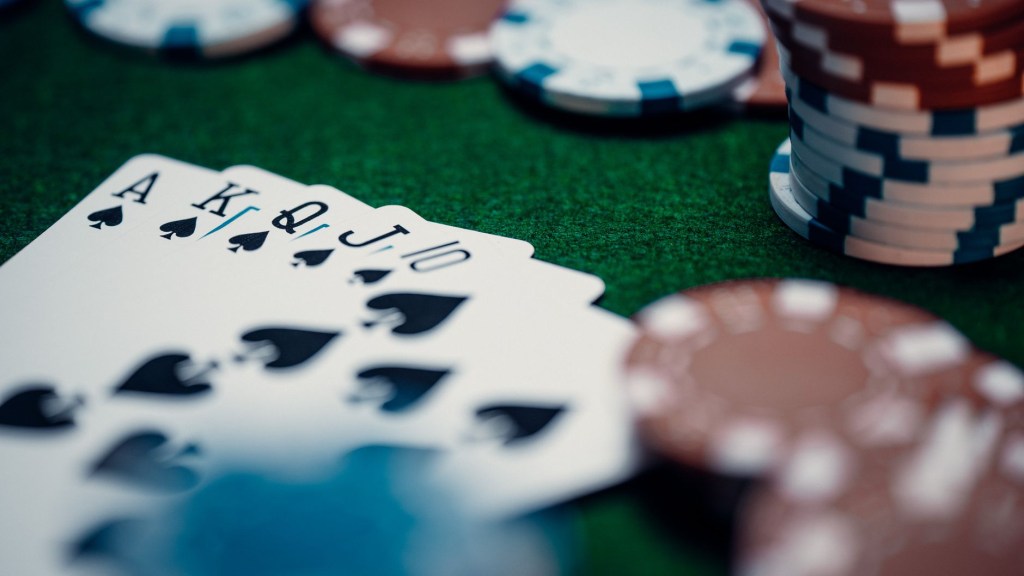
One of my favorite topics in poker because let’s face it sometimes you need to turn lemons into lemonade and even marginal hands can pay off if played correctly! Poker isn’t just about making big hands. Some of the most profitable players understand how to turn marginal holdings into effective bluffs when the situation calls for it. Knowing when to transform a weak pair, missed draw, or mediocre showdown hand into a bluff can help you win pots that would otherwise be lost.
What Is a Marginal Hand?
A marginal hand is a holding that has some value but is often not strong enough to comfortably win at showdown. Examples include second pair with a weak kicker, bottom pair, ace-high, or a missed straight or flush draw. Many recreational players simply check and hope these hands are good. Stronger players recognize opportunities to apply pressure and force better hands to fold.
Why Bluff With Marginal Hands?
When you hold a marginal hand, your chances of winning at showdown are often limited. If your opponent is likely to have a stronger hand, turning your holding into a bluff can be the more profitable option. By representing a strong range and applying pressure on favorable board textures, you can force folds from hands that currently beat you.
For example, imagine you’re playing a $2/$5 No-Limit Hold’em cash game. You raise preflop with J♦10♦ and get called. The board runs A♠7♣3♥K♣2♠. After your opponent checks all three streets, a large river bet may convince them to fold medium-strength hands like pocket eights, nines, or even a weak ace.
The Best Candidates for Bluffing
Not all marginal hands should become bluffs. The best bluffing candidates usually block your opponent’s strongest holdings. For instance, holding an ace can make it less likely that your opponent has top pair. Missed draws are also excellent bluff candidates because they rarely win at showdown and can credibly represent completed draws or strong made hands.
Hands that have little showdown value but contain important blockers often make the most profitable bluffs.
Picking the Right Spots

Successful bluffing depends heavily on board texture and opponent tendencies. Bluff more often against players who can fold and less often against calling stations. Look for scare cards that improve the story you’re telling. Overcards, completed flush draws, and coordinated turn or river cards can all create opportunities to represent strength.
Remember that a good bluff tells a believable story. Your betting pattern should make sense based on the hand you’re representing.
Final Thoughts
Turning marginal hands into bluffs is one of the skills that separates average poker players from winning players. Instead of giving up when you miss the flop or make a weak pair, look for opportunities to apply pressure in the right situations. By understanding blockers, board texture, and opponent tendencies, you can turn losing hands into profitable weapons.
At JackStokingsPoker.org, we believe that mastering advanced concepts like bluffing with marginal hands is essential for long-term success at the poker table. The next time you’re facing a difficult decision with a weak holding, ask yourself: “Can this hand make more money as a bluff than as a showdown hand?”
If you enjoyed this article please like, share, comment and subscribe. Thanks for reading and I’ll see you at the tables!

Poker Lingo used in 2026!

I’m often asked what some of the lingo, or acronyms I use in my articles mean, I take for granted that I’ve been playing, studying poker for several years now. So using my AI partners tried to compile a glossary of commonly used terms that would help other players at different levels understand better. I’m sure this isn’t everything so if you have additional questions please let me know!
Poker Lingo Glossary 2026: Essential NLHE Tournament Terms Every Player Needs
Are you new to poker or looking to sharpen your game in 2026? Understanding poker lingo is one of the fastest ways to improve your No-Limit Hold’em (NLHE) tournament strategy. Whether you’re defending your big blind, navigating ICM pressure on the bubble, or studying GTO ranges, knowing the right terms helps you think and talk like a pro.
This updated poker glossary focuses on modern MTT (Multi-Table Tournament) language. It’s perfect for beginners and intermediate players alike.
Why Learning Poker Terms Matters in 2026
Poker strategy has never been more solver-driven. With tools like GTO Wizard and advanced training software, players throw around terms like “fold equity,” “blockers,” and “ICM” constantly. Mastering this vocabulary improves your hand reading, table talk, and overall expected value (EV).
Let’s break down the most important poker lingo used in NLHE tournaments today.

Core Game and Structural Terms
• NLHE / NL: No-Limit Hold’em – the world’s most popular poker format where you can bet all your chips at any time.
• MTT: Multi-Table Tournament. Events with hundreds or thousands of players that pay out based on finishing position.
• BB (Big Blind): The larger forced bet. Also refers to the position that posts it (a key spot for defending).
• SB (Small Blind): The smaller forced bet to the left of the big blind.
• Ante: A forced bet posted by every player, common in later stages to speed up play and build bigger pots.
• Effective Stack: The shortest stack at the table, measured in big blinds. This heavily influences strategy.
Key Poker Positions
• UTG (Under the Gun): First player to act preflop – the toughest position.
• Cutoff (CO): Seat immediately right of the Button. Strong stealing position.
• Button (BTN): Dealer position. Best seat at the table as you act last postflop.
• OOP (Out of Position): Acting first on one or more streets (common when defending the big blind).
• IP (In Position): Acting after your opponent – a major advantage.
Strategy and Math Concepts
• EV (Expected Value): The long-term profitability of a play in chips or dollars. +EV = profitable over time.
• ICM (Independent Chip Model): Converts chip stacks into real-money equity based on payouts. Critical near pay jumps and final tables.
• GTO (Game Theory Optimal): An unexploitable baseline strategy solved by computers. Many players study GTO ranges in 2026.
• Pot Odds: Ratio of the pot size to the cost of calling. Essential when deciding whether to defend your big blind.
• Implied Odds: Potential to win more chips later if you hit your hand.
• Fold Equity: The value of making your opponent fold when you bet or raise.
Common Actions and Plays
• Open (Open Raise): The first raise preflop.
• 3-Bet: Re-raising preflop. A key weapon when defending the big blind.
• Flat / Call: Matching the current bet without raising.
• Defend: Calling or 3-betting from the blinds against a raise.
• Steal: Raising light from late position to win the blinds and antes.
• Squeeze: 3-betting after an open and call(s) to apply maximum pressure.
• Jam / Shove: Going all-in with your remaining stack.
• Muck: Folding your hand without showing it.
Player Types and Dynamics
• Nit: Extremely tight player who only plays premium hands.
• LAG (Loose Aggressive): Plays many hands and bets/raises frequently.
• TAG (Tight Aggressive): Selective but aggressive – the classic solid style.
• Fish / Whale: Recreational or weak player (your main profit source).
• Reg: Experienced regular/grinder.
• Tilt: Playing emotionally after bad beats, usually leading to mistakes.
Tournament Stage Terminology
• Bubble: One player away from the money. Play often tightens dramatically here.
• Pay Jump: Moving up payout positions and the resulting increase in prize money.
• Final Table: The last table in an MTT.
• Chip EV: Playing as if chips equal real money (early tournament or cash game mindset).
• ICM Pressure: Adjusting strategy based on payout implications.
Hand Notation and Other Slang
• AKs: Ace-King suited.
• 76s: Seven-Six suited (a classic suited connector).
• Broadway: High cards (A-K-Q-J-10) that can make the nut straight.
• Suited Connectors: Consecutive same-suit cards (great for big blind defense).
• Blockers: Holding key cards that reduce the chance your opponent has a specific hand.
• Cooler: When two very strong hands clash unavoidably.
• Bad Beat: Losing a big pot with a strong hand to a statistically unlikely one.
How to Use This Poker Glossary
Print this out or bookmark it as your go-to poker terms reference. When you read a strategy article about defending your big blind, you’ll now understand why pot odds, effective stack depth, and ICM all matter.
Pro tip: The biggest EV gains often come from late-position steals and proper big blind defense. Combine this vocabulary with solid range construction and you’ll quickly move up in stakes.
Final Thoughts
Poker lingo in 2026 is more solver-influenced than ever, but the fundamentals remain the same. Master these terms and you’ll feel more confident at the tables, in training videos, and in discussions with other players.
If you enjoyed this article please like, comment, share and subscribe! Thanks for reading and I’ll see you at the tables!
When and Why to defend your Big Blind in a Poker Tournament

Defending Your Big Blind in NL Poker Tournaments: When and Why to Fight for That Extra BB
In No-Limit Hold’em tournaments, the big blind is one of the most important positions at the table—and often the most misunderstood. Many recreational players treat it like a punishment: they fold far too often to raises, bleeding chips slowly while waiting for premium hands. Strong tournament players, however, view the big blind as an opportunity.
Defending your big blind properly is one of the highest-EV adjustments you can make in MTTs.
Why Defend the Big Blind?

1. You’re Already Invested You’ve posted 1 big blind. When someone raises to 2.5BB or 3BB, you’re often getting excellent pot odds (sometimes 3:1 or better) to call. That dead money changes the math significantly compared to defending from other positions.
2. You Close the Action When you defend from the big blind, there are no players left to act behind you. This reduces the chance of facing a squeeze play and lets you realize equity more cleanly.
3. You Can Win the Pot Immediately (or Apply Pressure) You can defend with calls or 3-bets. A well-timed 3-bet from the big blind can take down the pot preflop or put the opener in a tough spot, especially from late positions.
4. Tournament Dynamics Reward Aggression In MTTs, chip preservation matters, but so does chip accumulation. Letting steals go unanswered lets aggressive players run over your table. Proper defense maintains your stack and your table image.
The main downside? You play out of position (OOP) postflop. This is why your defending range must be carefully constructed—you need hands that play well OOP or have good implied odds.
When Should You Defend More Often?
1. Opener’s Position Matters Most
• Early Position (UTG, UTG+1): Tighten up significantly. These ranges are strongest, and you’ll be OOP against a player with position for the entire hand.
• Middle Position: Moderate defense frequency.
• Late Position (Cutoff, Button): Defend much wider. A button open is often 40-50%+ of hands. You can call with many suited connectors, suited gappers, weak aces, and broadway hands.
2. Stack Depths
• Deep Stacks (50BB+): Wider defending range. You have room to maneuver postflop and realize equity with speculative hands (76s, 98s, small pocket pairs).
• Mid Stacks (20-40BB): Still defend quite wide, but start 3-betting more for value/protection and folding some marginal hands.
• Short Stacks (15BB or less): Shift toward all-in 3-bets (shoves) or tight folds. Pot odds still matter, but playability OOP drops.
3. Opponent Tendencies
• Nit / Tight Opener: Defend tighter. Their range is strong.
• Aggressive / Loose Opener: Defend very wide. Punish them.
• Players Who Fold Too Much to 3-Bets: Increase your 3-bet bluff frequency from the big blind.
4. ICM and Tournament Stage
This is where tournaments differ from cash games:
• Early Stage / Deep Run: Play closer to cash-game style. Pot odds dominate.
• Bubble / Final Table: ICM pressure increases. You should defend tighter against big stacks (they can punish you) and be more willing to defend against short stacks (they have less fold equity).
• Pay Jumps: When a min-cash or big pay jump is near, over-folding the big blind can actually be correct to avoid high-variance spots.
Constructing Your Big Blind Defending Range
A simplified way to think about it:
Calling Range (vs Late Position Raise):
• All pocket pairs
• Strong aces (AJo+, ATs+)
• Broadway combinations (KQo, KJs, QJs, etc.)
• Suited connectors and one-gappers down to around 54s
• Some suited kings/queens (K9s, Q9s)
3-Bet Range:
• Premium value: QQ+, AK
• Strong hands that benefit from fold equity: AQs, AJs, KQs
• Bluffs: A5s-A2s (wheel aces), suited connectors with good blockers, some offsuit broadways
Against an UTG raise, you might only defend with the top ~15-20% of hands. Against a button min-raise, that number can jump to 40%+ depending on the player.
Common Mistakes to Avoid
• Defending too wide with trash just because of pot odds: T9o and 72s are very different hands OOP.
• Never 3-betting: This makes you exploitable. Good players will raise wider if they know you only call.
• Calling and then check-folding too often postflop: You must have a plan to continue on favorable boards.
• Ignoring table dynamics: If the table is passive, defend wider. If it’s aggressive with frequent 3-bets, tighten up.
Quick Rule of Thumb for Intermediate Players
If the raise is from the Button or Cutoff and the effective stack is 25BB+, you should usually defend at least 30-35% of hands (mix of calls and 3-bets). Many players defend closer to 25% or less—leaving significant EV on the table.
Final Thoughts
Mastering big blind defense separates good tournament players from great ones. It’s not about “gamboling” or “seeing flops”—it’s about understanding ranges, pot odds, position, and ICM.
Start by widening up versus late position opens, track your results, and study postflop play in those spots. Over time, you’ll stop dreading the big blind and start looking forward to it as a profitable position.
What’s your biggest leak in the big blind right now—over-folding, over-calling, or postflop play? Drop a comment below.
If you enjoyed this article please like, comment share and subscribe. Thank you and I’ll see you at the tables!

Hand of the Day: Pocket 9s vs AK off in an ugly way.

Hand of the Day: Pocket Nines Face the High-Variance Runout in a $1/$3 Cash Game
Preflop Action: Building a Low-SPR ( Stack to pot ratio) Pot
In a $1/$3 cash game with $134 effective stacks, the cutoff opens to $10. Hero looks down at 9♣ 9♦ in the big blind and elects to apply maximum pressure with a $37 3-bet, effectively committing to the hand with only $97 behind. The table folds back to the cutoff, who makes the call with A♠ K♥, setting up a low SPR situation where postflop decisions become brutally simple.
Flop: 2♦ 4♣ 7♠ — A Dream Board for Pocket Nines
The flop comes 2♦ 4♣ 7♠, a clean, low, uncoordinated board that heavily favors Hero’s range and hand. With an SPR under 1, Hero shoves the remaining $97, putting maximum pressure on all unpaired overcard hands. The cutoff thinks briefly but calls with Ace-King high, trusting the equity of two overcards in a shallow-stacked pot.
Turn and River: The Deck Has the Final Word
The turn brings the 5♣, a total brick that keeps Hero well ahead. But the river delivers the K♣, giving the cutoff top pair and the winning hand. Hero’s pocket nines, ahead the entire way, get clipped at the finish line.
Result
Villain wins with top pair, kings, after calling off with Ace-King high and finding one of their six outs on the river.
Strategy Takeaway
This hand is a textbook example of low-SPR dynamics. Once Hero 3-bets to $37 with only $97 behind, the hand is essentially committed. On a dry 2-4-7 flop, shoving pocket nines is the correct, profitable play against the cutoff’s calling range. But when you give A-K two cards to come, sometimes it gets there. The line is sound, the shove is standard, and the result is simply poker doing what poker does.
If you enjoyed this article please like, share comment and subscribe. Thank you and I’ll see you at the tables!
Strategy for Calling Stations in Poker!

What Is a Calling Station in Poker? (And the Best Strategy to Beat Them)
If you play live low-stakes poker like $1/$2 or $2/$5 cash games, you’ve definitely run into the classic calling station. These players are everywhere—and if you know how to adjust, they can become one of your biggest sources of profit.
In this article, we’ll break down exactly what a calling station is in poker and the best strategy to exploit them for maximum value.
What Is a Calling Station in Poker?
A calling station is a type of poker player who calls far too often and folds far too rarely. Instead of playing aggressively, they prefer to check and call with a wide range of hands—many of which are weak.
Common Traits of a Calling Station
- Calls with weak pairs, draws, and even high cards
- Rarely folds after seeing the flop
- Almost never bluffs
- Plays passively (check/call instead of bet/raise)
In simple terms: they hate folding and are willing to “see it through” to the river.
Why Calling Stations Are Profitable
Calling stations might seem frustrating because they hit unexpected hands—but in reality, they are highly exploitable.
Why? Because poker is about making your opponents make mistakes—and calling stations make one of the biggest mistakes in the game:
Calling too much with worse hands
That means you can consistently extract value when you’re ahead.

Best Strategy to Beat a Calling Station
To win against calling stations, you need to shift your mindset. Forget fancy plays—this is about simple, disciplined, value-driven poker.
1. Value Bet Relentlessly
This is the #1 adjustment.
If you think you have the best hand, bet—and bet big. Calling stations will often pay you off with worse hands.
Examples of hands to value bet:
- Top pair (good kicker)
- Overpairs
- Two pair or better
Pro tip: Don’t get tricky. If they’re calling, keep charging them.
2. Stop Bluffing (Almost Completely)
Bluffing a calling station is one of the fastest ways to lose money in poker.
- They don’t fold enough
- They call “just to see it”
- Even scary board cards won’t always work
Rule: If your strategy relies on them folding, rethink it.
3. Use Bigger Bet Sizes
Against strong players, you balance your bet sizing. Against calling stations, you exploit.
Since they call too much:
- Increase your bet sizes (60%–100% pot or more)
- Charge their draws heavily
- Build bigger pots when you’re ahead
You’re not trying to be balanced—you’re trying to get paid.

4. Play Tighter Preflop
You want to go to showdown with strong, value-heavy hands.
Avoid:
- Weak suited connectors (especially out of position)
- Marginal hands that make weak pairs
Focus on hands that can make:
- Top pair with a strong kicker
- Overpairs
- Strong draws with equity
5. Don’t Slow Play Your Big Hands
Slow playing is a mistake against calling stations.
Why?
- They’re already calling too much
- You risk missing value
- You give free cards that can beat you
Instead, bet your strong hands immediately and often.
6. Stay Patient and Emotionally Disciplined
Calling stations will:
- Hit lucky draws
- Catch miracle river cards
- Occasionally crack your premium hands
That’s part of the game.
The key is understanding:
You’re making money long-term by getting called by worse hands
Stick to your strategy and avoid tilt.
Winning Mindset Against Calling Stations
Against skilled opponents, poker is about balance and deception.
Against calling stations, it’s much simpler:
- Bet when you’re ahead
- Don’t bluff when you’re behind
- Charge them as much as possible
Final Thoughts
If you’re playing live low-stakes poker, learning how to beat calling stations is essential. These players are not your enemy—they’re your opportunity.
Master this one adjustment—value betting relentlessly—and you’ll see a noticeable increase in your win rate.
If you enjoyed this article please like, share, comment and subscribe. Thanks for reading and I’ll see you at the tables!
Poker Position 101
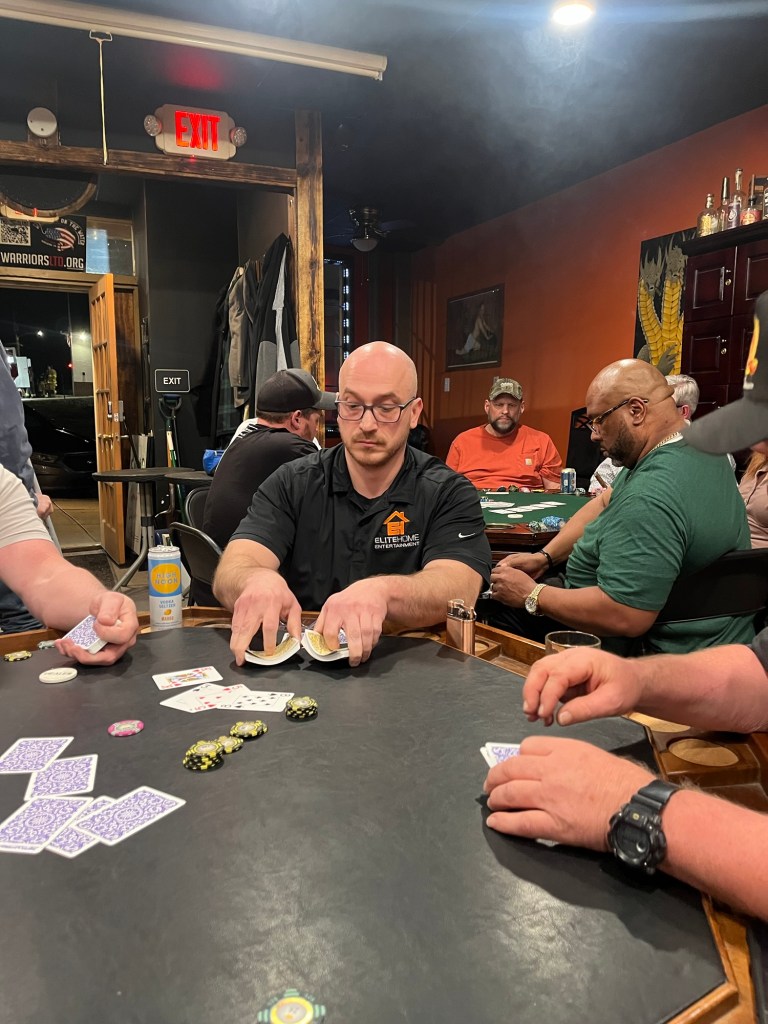
I wrote an article recently called the importance of understanding position in poker and have had several people ask me more about the different positions and what they are called. I decided to follow up with this simple explanation as a back to basics.
Poker table positions are one of the most important concepts for beginners to learn in Texas Hold’em (the most popular poker variant). Your position at the table determines when you act in each betting round, which gives you more (or less) information about what other players are doing. Acting later is a huge advantage because you see everyone’s actions before deciding.
The dealer button (a small disc labeled “Dealer”) moves clockwise each hand, so positions rotate. This guide focuses on a standard 9-handed (full-ring) table, common in live games and many online settings.
Why Position Matters for Beginners
• Early positions act first → tougher, play fewer hands.
• Late positions act last → easier, play more hands aggressively.
• Blinds post forced bets but act out of order.
Positions are grouped into early, middle, late, and blinds.
Poker Positions Explained (9-Handed Table)
1. Small Blind (SB)
Directly left of the button. Posts the small forced bet (half the big blind). Acts second-to-last preflop (after big blind calls/raises) but first postflop (after the flop). Tricky spot—play carefully.
2. Big Blind (BB)
Left of the small blind. Posts the full forced bet. Acts last preflop (great for seeing raises) but second postflop. Defend your blind with decent hands.
3. Under the Gun (UTG)
First to act preflop (left of big blind). “Under the gun” means pressure—no one has acted yet. Tightest position—only play strong hands.
4. Under the Gun +1 (UTG+1)
Next after UTG. Still early position. Similar to UTG: be selective.
5. Lojack (LJ) or Middle Position
Early-middle. More flexibility than UTG but still somewhat early.
6. Hijack (HJ)
Middle-late position (right of lojack). Good spot to open-raise if folded to you.
7. Cutoff (CO)
Right of the hijack (one seat right of button). Strong late position—often steal blinds with wider ranges.
8. Button (BTN)
The dealer position (button in front). Best seat overall. Acts last postflop in almost every hand—maximum information. Play most hands aggressively here.
Quick Tips for Beginners
• Position > Cards — A mediocre hand in late position often beats a good hand in early position.
• Always note the button location—it shows who’s in late position.
• In online poker or 6-max games, positions shift (fewer early seats, more late-play opportunities).
• Start by playing tight from early positions and looser from late.
Mastering positions will instantly improve your game more than memorizing hand rankings. Practice at low-stakes tables, watch where the button is, and ask yourself: “Do I act early or late?” Good luck at the tables
If you enjoyed this article please like, comment subscribe and share. Thank you and see you at the tables!
A lesson in playing $2/$5 min buy.
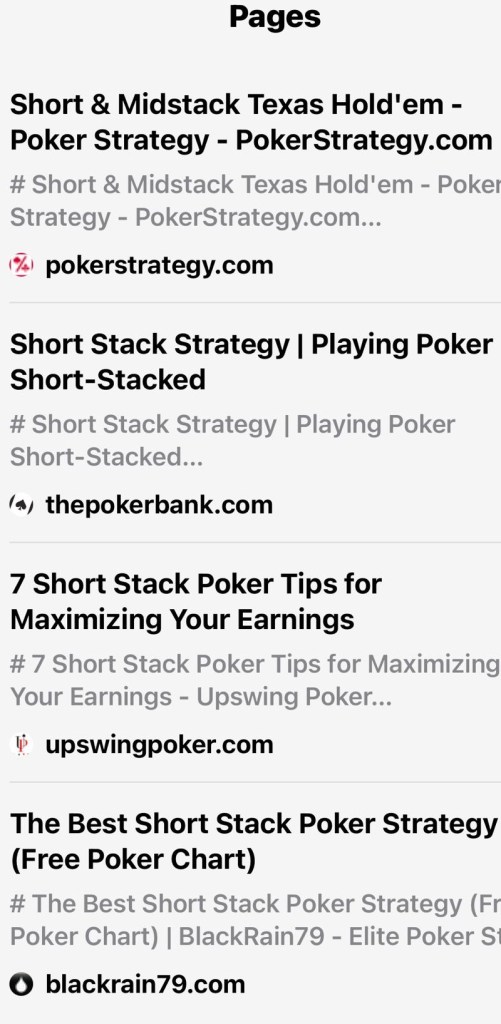
Since recently I got a chance to play $2/$5 and got stacked, I decided to do my research and write an article about how to best play with a minimal buy in. I included the resources.

Optimal Starting Hands for $2/$5 Poker: Short Stack Strategy with Minimum Buy-In (40BB)
If you’re grinding $2/$5 No-Limit Hold’em live cash games and buying in for the minimum (usually $200, or 40 big blinds), your poker strategy must change dramatically from the deep-stack playbook most players follow.
With only 40BB, you can’t rely on implied odds, multi-street bluffs, or speculative hands like suited connectors. Instead, you need tight, aggressive preflop play focused on premium starting hands that make strong top pairs or better right away.
In this guide, we’ll break down the optimal starting hands for $2/$5 poker at minimum buy-in, provide position-based ranges, and share pro tips to maximize your edge. Whether you’re new to short-stack play or looking to optimize your $2/5 NLHE strategy, this is your complete roadmap.
Why Minimum Buy-In Changes Everything in $2/$5 NLHE
Most $2/$5 tables allow a minimum buy-in of $200 (exactly 40 big blinds). This short-to-mid stack depth turns the game into a high-variance, preflop-heavy battle.
Key differences from 100BB+ deep stacks:
• No set-mining with small pairs (implied odds disappear).
• Fewer postflop decisions — you often raise-or-shove preflop or commit on the flop.
• You play for stacks quickly, so hand strength and fold equity matter most.
• Opponents (recreational players and regs) overcall lighter, giving your premiums massive value.
Short-stacking isn’t always optimal long-term (deeper stacks let you extract more value), but it’s bankroll-friendly for $2/$5 and exploits loose tables common at this stake.
Optimal Starting Hands by Stack Depth (40BB Focus)
At exactly 40 big blinds, prioritize big-card strength hands that flop top pair or better. Avoid suited connectors (87s, T9s), small pocket pairs (22-55), and weak aces (A5s-A2s) — they lose money without deep implied odds.
Core 40BB Starting Hand List (from strongest to playable):
• Premium pairs: AA, KK, QQ, JJ
• Strong aces: AKs, AQs, AKo, AQo, AJs
• Borderline: TT, AJo, KQs (add selectively by position)
As your stack drops toward 30BB or below, tighten further and shift to shove-or-fold.
Quick Reference by Effective Stack:
• 40BB: AA–JJ, AKs–AQs, AKo–AQo, AJs
• 30BB or less: Add AJ, TT, ATs, KQs
• 20BB or less: Add AT, KQ, KJs, KJ
• 10BB or less: Push any Ax, QJs, QJ (all-in preflop)
These hands dominate because they win at showdown often and play well when you jam.
Position-Based Opening Ranges for $2/$5 Short Stack (40BB)
Position still matters — even short-stacked. Here’s a simple, profitable range structure for a typical 9-handed $2/$5 table:
Early Position (UTG, UTG+1):
Play ultra-tight (top ~8-10% of hands).
Raise 3–4x BB (or larger to $20–$25).
Hands: AA–JJ, AKs–AQs, AKo–AQo
Middle Position (MP):
Slightly wider.
Hands: AA–TT, AKs–AJs, AKo–AJo, KQs
Late Position (Cutoff, Button):
Steal more aggressively, especially vs. passive blinds.
Hands: AA–99, AKs–ATs, AKo–AJo, KQs–KJs, QJs
(Shove wider from Button if blinds fold often.)
Blinds Defense:
3-bet shove premiums vs. opens. Call lighter only with position and very weak openers.
Pro Tip: Always raise first-in — never limp. At $2/$5, a $15–$20 open builds the pot while giving you fold equity. If facing a raise, 3-bet shove your strongest hands (QQ+, AK) for maximum pressure.
How to Play These Hands Postflop (Short Stack Style)
With 40BB, postflop play is simple ABC poker:
• Hit the flop strong? Bet big or jam (especially top pair top kicker or better).
• Miss? Check-fold unless you have a strong draw with equity.
• C-bet size: 50–75% pot or all-in on coordinated boards.
• Avoid fancy bluffs — your edge comes from value, not hero folds.
Example: You open AKs from middle position for $20. Flop comes A-7-2 rainbow. With ~35BB behind, jam — most $2/$5 opponents call with weaker aces or draws.
7 Essential Tips for Winning $2/$5 Short Stack Play
1. Learn preflop ranges cold — Every decision is worth big chunks of your stack.
2. Track effective stacks — Always play to the shortest stack at the table.
3. Raise bigger preflop — $15–$25 opens deter multi-way pots.
4. Exploit loose callers — $2/$5 players love calling with KJo or 76s — your premiums crush them.
5. Don’t get below 30BB — Top up if you lose a pot to stay in the 40BB sweet spot.
6. Leave after doubling up (optional) — Many short-stackers cash out winners to lock in profit.
7. Bankroll for variance — Short-stack play has big swings; bring 30–50+ buy-ins.
Common Mistakes to Avoid in $2/$5 Minimum Buy-In Games
• Playing suited connectors or small pairs — They bleed money without implied odds.
• Limping or min-raising — Builds small pots and invites multi-way action.
• Being too passive — Short stacks must apply pressure.
• Ignoring table dynamics — Looser tables = wider late-position steals.
Final Thoughts: Crush $2/$5 with Minimum Buy-In
Mastering these optimal starting hands for $2/$5 poker with a 40BB minimum buy-in gives you a massive edge over recreational players who treat it like deep-stack poker. Stick to premiums, play tight-aggressive, and watch your win rate climb.
If you enjoyed this article please like, comment, share or subscribe! Thank you and I’ll see you at the tables!
Article Sources:
Early Stage play in a multi table Poker Tournament
Mastering Early-Stage MTT Play: Play Tight, Stick to Premium Hands, and Exploit Weakness Like a Pro
If you’ve ever busted out of a poker MTT in the first two hours with a speculative suited connector or a marginal ace, you know the pain. The blinds are tiny, the stacks are deep (usually 100+ big blinds), and there are still hundreds of players left. Yet so many amateurs treat the early stages like a cash game and spew chips left and right.
The truth? Playing tight early is one of the highest-EV adjustments you can make in modern MTTs. It’s not “nitty” — it’s disciplined. You’re not there to gamble; you’re there to survive, accumulate, and exploit the recreational players who are dying to give you their chips.
Here’s exactly how to do it — from hand selection to exploitation tactics that print money when everyone else is playing loose.
Why Tight Is Right in the First 2–4 Levels
- Stack preservation is king. With 100–200bb effective stacks and tiny blinds (0.5–1bb per orbit), you don’t need to steal blinds to stay alive. One bad flip or cooler can cripple you for the entire tournament.
- ICM hasn’t kicked in yet. You’re not fighting for pay jumps — you’re fighting for chip EV. Premium hands realize their equity best against multiple callers and deep stacks.
- The field is at its weakest. Recreational players are still in “fun mode.” They limp, call 3-bets with KJo, and pay off top pair with second pair. Your job is to be the shark in the tank.
Tight play early isn’t passive — it’s selective aggression. You play fewer hands, but you play them for maximum value.
The Early-Stage Opening Range: Only the Top ~8–10% of Hands
Forget the 25% “standard” cash-game range. In an MTT with 100+bb stacks and 9-handed tables, your default opening range should look something like this (adjust slightly by position):
Early Position (UTG, UTG+1)
AA–TT, AKs–AQs, AKo–AQo, KQs
Middle Position
Add: 99–88, AJo, KJs, QJs, JTs
Late Position (Cutoff, Button)
Add: 77–66, ATo–A9s, KQo, suited connectors down to 98s (only if you have a solid postflop edge)
Big Blind Defense
Call or 3-bet only with the above plus occasional suited broadways and pocket pairs when the price is right.
Pro Tip: If the table is super soft (multiple limpers every orbit), you can widen your late-position range slightly — but never open 22 or 76s from early position just because “it’s cheap.”
How to Play Your Premium Hands for Maximum Value
- AA–KK: Raise big, always.
3–4x in early position, 2.5–3x late. If there are limpers, iso-raise huge (5–7x + 1x per limper). You want to isolate the weak players and build the pot immediately. - QQ–JJ & AK: Your bread-and-butter.
Raise standard sizing. 3-bet AK every time vs opens (especially from loose openers). With QQ–JJ, mix in flat-calls vs tight opens but 3-bet aggressively vs loose players. - Premium suited aces (AQs–AJs) and KQs:
These are your money-makers against weak ranges. Raise, call 3-bets in position, and be ready to stack off on ace-high flops when villain shows weakness. - Pocket pairs 88–TT:
Set-mine only if you’re closing the action or getting great implied odds (multiple callers behind). Otherwise, raise and take it down preflop.
Golden Rule: Never limp. Never flat-call raises with these hands unless you’re trapping a maniac (and even then, 3-bet most of the time).
Exploiting Weakness: The Real Money-Maker

This is where tight players separate themselves from the pack. While you’re waiting for premium hands, you’re laser-focused on the table dynamics.
Target these player types early:
- The “Fun Guy” — Limps 40% of hands, calls 3-bets with any two broadways, and never folds top pair.
- The Sticky Fish — Calls every raise with suited connectors and small pairs, then pays off when he hits second pair.
- The Over-Limper — Limps every orbit from every position. These players are printing money for you.
Exploitation Tactics:
- Iso-raise relentlessly. Limpers + one raise = your premium hand gets called by junk. A 5–7x iso-raise with AK or QQ often wins the pot preflop or gets heads-up against a dominated hand.
- 3-bet light vs weak openers. If a loose early-position player opens 25%+, 3-bet AK, AQ, and even some bluffs (but mostly value). They fold too much and call too wide when they do continue.
- Barrel weakness. On A-high or K-high boards, these players will check-fold second pair or gutshots way too often. One or two continuation bets usually take it down.
- Value bet thin. They call down with Kx on an A-high board. Bet your top pair for three streets.
Example Hand (real-life spot I’ve seen 100 times):
Hero (Button, 150bb): AKo
Villain (MP, recreational, limped 6 of last 8 orbits): Limps
Hero raises 5x. Villain calls.
Flop: A♠7♥3♦
Villain checks. Hero bets 60% pot. Villain calls.
Turn: 9♣
Villain checks. Hero bets 70% pot. Villain calls.
River: 2♠
Villain checks. Hero bets 80% pot and gets called by K7o.
That’s +150bb because you played tight early and waited for the right spot to isolate weakness.
Common Mistakes to Avoid
- Opening too wide early just because “the blinds are small” — variance will destroy you.
- Getting married to suited connectors preflop — save them for middle/late stages when stacks are shallower.
- Failing to adjust when the table tightens up — if everyone is suddenly playing solid, widen slightly in position.
- Slow-playing monsters — build the pot early against weak players who over-call.
Final Thoughts: Tight Early = Stack Monster Later
Playing tight early in an MTT isn’t boring — it’s strategic patience. You’re not folding to win; you’re folding to set up the biggest stack at your table when the blinds start to matter and the weak players start making massive mistakes.
Stick to the top hands, iso-raise the limpers, 3-bet the weak openers, and value bet relentlessly. Do this for the first 2–4 levels and you’ll find yourself at the final table with a massive stack far more often than the gamblers who “just wanted to see a flop.”
Now go crush those early stages.
What’s your biggest leak early in MTTs? Drop it in the comments — I read every one.
If you enjoyed this article please like, share, comment and subscribe! Thank you and I’ll see you at the tables!

You Defended with that??? Hand of the Day!

Hand of the Day: Defending the Big Blind With 9♥7♥ in a $1/$2 Cash Game
Hand of the Day is all about finding profitable spots in live poker that many players overlook. Today’s hand focuses on a key low-stakes concept: defending the big blind with suited connectors, specifically 9♥7♥, in a $1/$2 No-Limit Hold’em cash game.
Game Setup
Stakes: $1/$2 No-Limit Hold’em Location: Live cash game Hero Position: Big Blind Hero Hand: 9♥7♥ Effective Stack: $300 (150 BB)
A middle-position player opens to $8, and two players call. Action folds to us in the big blind.
Preflop: Big Blind Defense With Suited Connectors
This is a textbook spot to defend the big blind in a $1/$2 cash game. We’re getting a great price and closing the action against multiple opponents.
Why 9♥7♥ is a profitable call here:
Excellent pot odds Strong playability postflop High implied odds in live low-stakes games Performs well in multi-way pots
Folding here would be too tight. We call.
Flop: Equity and Board Coverage
Flop: T♣ 8♥ 2♦
Pot: ~$33
This is a favorable board for our big blind defending range. With 9♥7♥, we flop an open-ended straight draw with backdoor flush potential.
The preflop raiser continuation bets $15.
Flop Decision: Why This Is a Profitable Continue
In a $1/$2 cash game, this is a mandatory continue. We have:
8 outs to the straight Backdoor flush equity Strong turn cards to apply pressure
Calling keeps in weaker hands and allows us to realize our equity.
We call.
Turn: Applying Pressure in Live Poker
Turn: 6♠
Pot: ~$63
This is a perfect card—giving us the nut straight. This is where defending suited connectors in the big blind truly pays off.
The preflop raiser bets $40.
Turn Play: Maximizing Value With a Disguised Hand
At $1/$2, opponents often struggle to put the big blind on a straight. Hands like overpairs, top pair, and two pair will frequently continue.
We raise to $110.
The original raiser calls.
River: Extracting Value at $1/$2
River: 2♠
Pot: ~$283
A clean river. No flush completes, and the board pairs in a way that rarely helps the preflop raiser.
Villain checks.
River Value Bet: Getting Paid at Low Stakes
This is a clear value bet. Live $1/$2 players routinely call with:
Overpairs Top pair, top kicker Two pair
We bet $140.
Villain tanks and calls, showing A♠T♦.
Showdown
Hero: 9♥7♥ — straight Villain: A♠T♦ — top pair
Hero wins a large pot.
Key Takeaways: Big Blind Defense in $1/$2 Cash Games
Defending your big blind with suited connectors is profitable when you’re getting the right price. Hands like 9♥7♥ shine in multi-way pots common to live poker. Hidden hands generate maximum implied odds at low stakes. Board coverage allows you to fight back on connected textures. Discipline is key—win big when you hit, fold when you miss.
Final Thoughts
This Hand of the Day shows why big blind defense strategy in $1/$2 cash games is essential for long-term success. Suited connectors like 9♥7♥ aren’t flashy, but when played correctly, they quietly build your stack by winning pots opponents never see coming.
If you’re serious about improving your live low-stakes poker strategy, start paying closer attention to your big blind decisions—they matter more than you think
If you’re enjoying this blog or this article, please like , share, subscribe, tell a friend! See you at the table!
The importance of understanding position in Poker
What Position Means in Poker
Position refers to where you sit relative to the dealer button and when you act during each betting round. The later you act, the more information you have — and in poker, information is profit.
- Early Position (EP): You act first. Least information. Toughest seat.
- Middle Position (MP): More playable hands, more information.
- Late Position (LP): You act last. Maximum information. Most profitable.
- The Button: The best seat in poker.
Why Position Is So Powerful
- You Make Better Decisions With More Information
Acting last lets you see who is strong, who is weak, and who is giving up. This reduces guesswork and increases accuracy — the core of long-term winning poker.
- You Win More Pots Without Showdowns
Late position gives you more chances to:
- Steal blinds
- Apply pressure
- Float flops
- Value bet thinly
Players out of position simply can’t do this as often.
- You Can Play More Hands Profitably
In early position, you must stay tight.
In late position, you can profitably open:
- Suited connectors
- Suited gappers
- Small pairs
- Weaker aces
- Broadways
This is why strong players look “loose” — but only from the right seats.
- You Control the Size of the Pot
When you act last, you decide whether the pot stays small or grows. This is crucial with medium-strength hands that don’t want to play huge pots.
- You Avoid Difficult, Expensive Spots
Out of position, you’re forced into:
- More check-calling
- More guessing
- More defensive play
- More tough river decisions
Even strong hands lose value when you’re out of position.
Examples of Position in Action
Example 1: Same Hand, Different Position
You hold A♠ J♠.
- Under the Gun: Marginal. You’re often dominated or 3-bet.
- On the Button: A strong, profitable open.
Same hand. Different seat. Completely different value.
Example 2: Stealing the Blinds
On the button, everyone folds to you.
You raise with 9♦ 7♦.
You don’t need a premium hand — you just need the blinds to fold often enough. This is pure positional profit.
Example 3: Extracting Maximum Value
You flop top pair in position.
Your opponent checks every street.
You get:
- Free information
- Control of the pot
- The ability to value bet thinly
In position, you’re printing. Out of position, you’re guessing.
How to Use Position to Instantly Improve Your Game
✔️ 1. Play tighter in early position
Cut out marginal hands and protect your stack.
✔️ 2. Open wider in late position
Especially from the button and cutoff.
✔️ 3. 3-bet more often from late position
You win pots preflop and play postflop with the advantage.
✔️ 4. Keep pots small out of position
Medium-strength hands should avoid bloated pots.
✔️ 5. Attack capped ranges
When players check to you out of position, they often signal weakness. Punish it.
Final Thoughts
Position is one of the most important — and most misunderstood — concepts in poker. If you want to increase your win rate, reduce tough decisions, and build a more consistent long-term strategy, start prioritizing position every time you sit down.




Recent Comments