Archive
Poker Lingo used in 2026!

I’m often asked what some of the lingo, or acronyms I use in my articles mean, I take for granted that I’ve been playing, studying poker for several years now. So using my AI partners tried to compile a glossary of commonly used terms that would help other players at different levels understand better. I’m sure this isn’t everything so if you have additional questions please let me know!
Poker Lingo Glossary 2026: Essential NLHE Tournament Terms Every Player Needs
Are you new to poker or looking to sharpen your game in 2026? Understanding poker lingo is one of the fastest ways to improve your No-Limit Hold’em (NLHE) tournament strategy. Whether you’re defending your big blind, navigating ICM pressure on the bubble, or studying GTO ranges, knowing the right terms helps you think and talk like a pro.
This updated poker glossary focuses on modern MTT (Multi-Table Tournament) language. It’s perfect for beginners and intermediate players alike.
Why Learning Poker Terms Matters in 2026
Poker strategy has never been more solver-driven. With tools like GTO Wizard and advanced training software, players throw around terms like “fold equity,” “blockers,” and “ICM” constantly. Mastering this vocabulary improves your hand reading, table talk, and overall expected value (EV).
Let’s break down the most important poker lingo used in NLHE tournaments today.
Core Game and Structural Terms
• NLHE / NL: No-Limit Hold’em – the world’s most popular poker format where you can bet all your chips at any time.
• MTT: Multi-Table Tournament. Events with hundreds or thousands of players that pay out based on finishing position.
• BB (Big Blind): The larger forced bet. Also refers to the position that posts it (a key spot for defending).
• SB (Small Blind): The smaller forced bet to the left of the big blind.
• Ante: A forced bet posted by every player, common in later stages to speed up play and build bigger pots.
• Effective Stack: The shortest stack at the table, measured in big blinds. This heavily influences strategy.
Key Poker Positions
• UTG (Under the Gun): First player to act preflop – the toughest position.
• Cutoff (CO): Seat immediately right of the Button. Strong stealing position.
• Button (BTN): Dealer position. Best seat at the table as you act last postflop.
• OOP (Out of Position): Acting first on one or more streets (common when defending the big blind).
• IP (In Position): Acting after your opponent – a major advantage.
Strategy and Math Concepts
• EV (Expected Value): The long-term profitability of a play in chips or dollars. +EV = profitable over time.
• ICM (Independent Chip Model): Converts chip stacks into real-money equity based on payouts. Critical near pay jumps and final tables.
• GTO (Game Theory Optimal): An unexploitable baseline strategy solved by computers. Many players study GTO ranges in 2026.
• Pot Odds: Ratio of the pot size to the cost of calling. Essential when deciding whether to defend your big blind.
• Implied Odds: Potential to win more chips later if you hit your hand.
• Fold Equity: The value of making your opponent fold when you bet or raise.
Common Actions and Plays
• Open (Open Raise): The first raise preflop.
• 3-Bet: Re-raising preflop. A key weapon when defending the big blind.
• Flat / Call: Matching the current bet without raising.
• Defend: Calling or 3-betting from the blinds against a raise.
• Steal: Raising light from late position to win the blinds and antes.
• Squeeze: 3-betting after an open and call(s) to apply maximum pressure.
• Jam / Shove: Going all-in with your remaining stack.
• Muck: Folding your hand without showing it.
Player Types and Dynamics
• Nit: Extremely tight player who only plays premium hands.
• LAG (Loose Aggressive): Plays many hands and bets/raises frequently.
• TAG (Tight Aggressive): Selective but aggressive – the classic solid style.
• Fish / Whale: Recreational or weak player (your main profit source).
• Reg: Experienced regular/grinder.
• Tilt: Playing emotionally after bad beats, usually leading to mistakes.
Tournament Stage Terminology
• Bubble: One player away from the money. Play often tightens dramatically here.
• Pay Jump: Moving up payout positions and the resulting increase in prize money.
• Final Table: The last table in an MTT.
• Chip EV: Playing as if chips equal real money (early tournament or cash game mindset).
• ICM Pressure: Adjusting strategy based on payout implications.
Hand Notation and Other Slang
• AKs: Ace-King suited.
• 76s: Seven-Six suited (a classic suited connector).
• Broadway: High cards (A-K-Q-J-10) that can make the nut straight.
• Suited Connectors: Consecutive same-suit cards (great for big blind defense).
• Blockers: Holding key cards that reduce the chance your opponent has a specific hand.
• Cooler: When two very strong hands clash unavoidably.
• Bad Beat: Losing a big pot with a strong hand to a statistically unlikely one.
How to Use This Poker Glossary
Print this out or bookmark it as your go-to poker terms reference. When you read a strategy article about defending your big blind, you’ll now understand why pot odds, effective stack depth, and ICM all matter.
Pro tip: The biggest EV gains often come from late-position steals and proper big blind defense. Combine this vocabulary with solid range construction and you’ll quickly move up in stakes.
Final Thoughts
Poker lingo in 2026 is more solver-influenced than ever, but the fundamentals remain the same. Master these terms and you’ll feel more confident at the tables, in training videos, and in discussions with other players.
If you enjoyed this article please like, comment, share and subscribe! Thanks for reading and I’ll see you at the tables!
Pros and Cons Poker Room at the Borgata
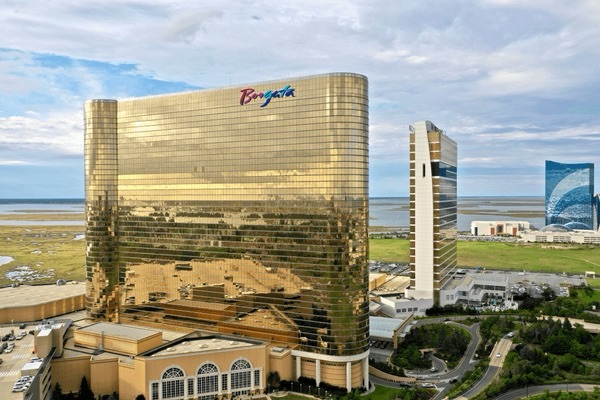
The Borgata Poker Room in Atlantic City, New Jersey, is widely regarded as one of the premier poker destinations on the East Coast. Located inside the luxurious Borgata Hotel Casino & Spa (an MGM property), it stands out as the largest and most active poker room in AC, often described as a “Vegas-style” experience outside of Las Vegas. With around 52 tables (sources vary slightly on exact count, but it’s consistently the biggest in the region), it’s open 24/7 and attracts a mix of recreational players, regulars, and pros.
Whether you’re a casual visitor or a serious grinder, the room has a lot going for it—but like any poker venue, it’s not perfect. Here’s a balanced look at the pros and cons based on player reviews, industry sites, and recent feedback.
Pros of the Borgata Poker Room
1. Size and Action Availability
The room is massive and spacious, with high ceilings, good lighting, and a dedicated, smoke-free environment separated from the main casino floor. Games run around the clock, and there’s almost always action available—especially in popular stakes like $1/$2 or $1/$3 No-Limit Hold’em. Players frequently praise the short wait times and reliable game starts, even on weekdays.
2. Tournament Excellence
Borgata is a tournament powerhouse. It hosts major series like the Borgata Poker Open and Winter Poker Open, with huge guarantees (often millions in prize pools) that draw top talent and big fields. Daily tournaments offer variety for all bankrolls, making it a go-to for tournament enthusiasts.
3. Game Variety and Stakes
Beyond standard NLHE, you’ll find Omaha, mixed games, and higher-stakes options. The room spreads more high-stakes action than most AC competitors. Bad beat jackpots, high-hand bonuses, and promotions add extra excitement and value.
4. Comfort and Amenities
The setup is player-friendly: USB charging ports at tables, comfortable chairs (with recent upgrades noted), its own restrooms, and proximity to dining options. Free drinks are standard (tip your servers), and the overall vibe is clean, professional, and upscale—many call it the “best in AC” or even a favorite in the U.S.
5. Overall Reputation
Longtime players and reviews from sites like PokerAtlas, Upswing Poker, and PokerNews often rank it as the top East Coast room (outside Vegas), with consistent praise for efficiency, competent dealers/floor staff, and a lively yet serious atmosphere.
Cons of the Borgata Poker Room
1. Game Toughness
The room attracts many serious and professional players, especially off-peak (weekdays or quieter hours). Games can be nitty or tough, with fewer “soft” recreational fish compared to some other venues. Some regulars note that softer action is more reliable on busy weekends or during big events.
2. Staff and Management Issues (Mixed Feedback)
While many praise the dealers and floor, recent reviews (including Reddit threads) mention disorganization, low dealer morale, slow service at times, or inconsistent rulings. Some players feel the room has declined in management quality compared to its peak years.
3. Minor Annoyances
TVs mounted high on ceilings make them hard to view comfortably. Some complain about the sportsbook/horse betting integration feeling intrusive if it’s near the entrance. Comps and rewards (via MGM) can be underwhelming for lower-stakes or non-high-volume players.
4. Crowds and Atmosphere During Peaks
It gets busy during tournaments or weekends, which is great for action but can lead to longer waits for preferred stakes or a more crowded feel. The sterile, serious vibe appeals to pros but might feel less “fun” to casual players compared to smaller, chattier rooms.
5. Location-Specific Quirks
As part of a high-end resort, parking, crowds in the casino, and AC’s general vibe (travel, costs) can be drawbacks for some. Recent feedback suggests renovations (new felt, chairs, TVs) are improving things, but not everyone agrees the changes have fully restored its “best on the East Coast” status.
Final Thoughts
The Borgata Poker Room remains a top-tier choice for live poker in Atlantic City and the Northeast—especially if you value big action, major tournaments, and a professional setup. It’s particularly strong for tournament players and those who don’t mind tougher games in exchange for consistent availability and upscale amenities.
If you’re a recreational player seeking softer, looser games, you might find better spots elsewhere (like some regional casinos outside AC). But for most, the pros outweigh the cons, and it’s still frequently called the best room in town.
Personally I love playing here, great poker room with an incredible vibe. Good competitive play!
Have you played there recently? What’s your take on the games or the vibe? If you’re planning a trip, it’s definitely worth checking out—especially during one of their big series!
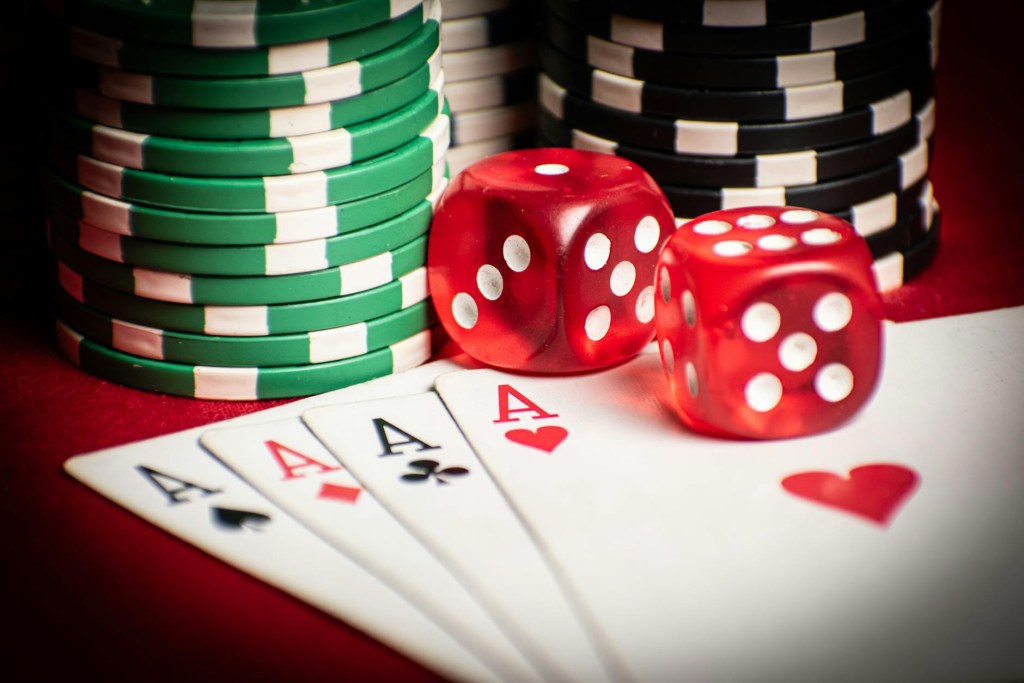
If you enjoyed this article please like, comment or share. Subscribe for additional articles. Thank you and see you at the tables
Potomac Winter Open begins this February!!
Get Ready for Winter’s Hottest Poker Action: The 2026 Potomac Winter Poker Open
Every February, poker players from across the region and beyond make a beeline for Maryland’s premier gambling destination — and 2026 is shaping up to be one of the biggest years yet. The Potomac Winter Poker Open is returning to MGM National Harbor from February 11–23, 2026, delivering more competitive action, bigger prize pools, and a fresh tournament format designed to appeal to recreational players and seasoned pros alike.
🎲 What’s New in 2026
This year’s series brings a refreshed format crafted to elevate the experience for everyone involved. For the first time, tournaments will be held directly on the casino floor in The Poker Room — putting the action front and center amid the buzz of the MGM’s gaming atmosphere.
Highlights include:
23 trophied events over 13 action-packed days. A strong mix of multi-day tournaments and mixed-game formats that test a range of poker skills. A Charity Series of Poker (CSOP) designed to give back to the community while keeping competition fierce.
Whether you’re chasing the glory of a hard-fought tournament win or just looking to enjoy some low-stress tables with friends, the series has something for every type of player.
🏆 Featured Events
While the full schedule is packed with intriguing stops, a few key events promise to be particularly big draws:
💰 Opener with a Major Guarantee
The series kicks off with a big Opener event featuring a $500,000 guaranteed prize pool and multiple starting flights — perfect for players who want plenty of chances to make deep runs.
⭐ Main Event
The $3,000 buy-in Main Event is always the marquee headliner. This year it comes with a $750,000 guaranteed prize pool and multiple starting flights designed to build excitement and attract a competitive field.
🎯 Mixed Games & Specialty Events
In addition to No-Limit Hold’em staples, the schedule features:
Tag Team poker — partner up and take on the field. Seniors and Super Seniors events — celebrating experienced players with age-specific buy-ins. Women’s event — promoting inclusion and community competition. Mixed game formats like Big O, PLO, and 8-Game Mix for players who like variety.
These additions make the tournament more than just a typical No-Limit Hold’em grind — they bring diversity, strategy, and new ways to enjoy the game.
📍 Why It Matters
The Potomac Winter Poker Open is more than just a tournament — it’s become one of the East Coast’s signature winter poker festivals. Held against the stunning backdrop of the Potomac River and just a short ride from Washington, D.C., the event draws a wide mix of seasoned pros, regional regulars, and ambitious newcomers, creating an electric atmosphere that’s as social as it is competitive.
In past years, the series has drawn hundreds of players and featured memorable stories — like deep runs and big chops in the Main Event — and 2026 is expected to continue that tradition with an even broader slate of events.
🧳 Planning Your Trip
If you’re thinking of heading down, here are a few tips:
Book early — MGM National Harbor hotels and nearby accommodations tend to fill fast during poker festivals. Study the schedule — with so many events on the calendar, planning which tournaments you want to enter can save money and energy. Play smart — these festivals are marathons, not sprints. Know your buy-in budget and pace yourself.
Whether you’re chasing glory in the Main Event, trying your hand at mixed games, or just soaking in the poker community vibe, this year’s Potomac Winter Poker Open promises something for everyone.
🃏 Final Thoughts
From its expanded schedule to its fresh new competitive formats, the 2026 Potomac Winter Poker Open is shaping up to be one of the must-play poker series of the winter season. Mark your calendars for February 11–23, sharpen your strategy, and get ready to shuffle up and deal in Maryland this February!
If you enjoyed this article please like, share, comment and subscribe! Thanks and I’ll see you at the tables!
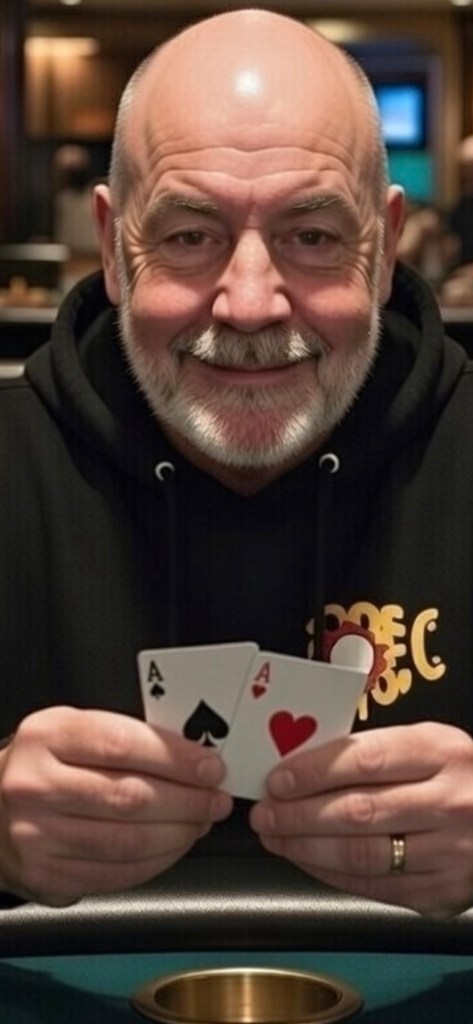
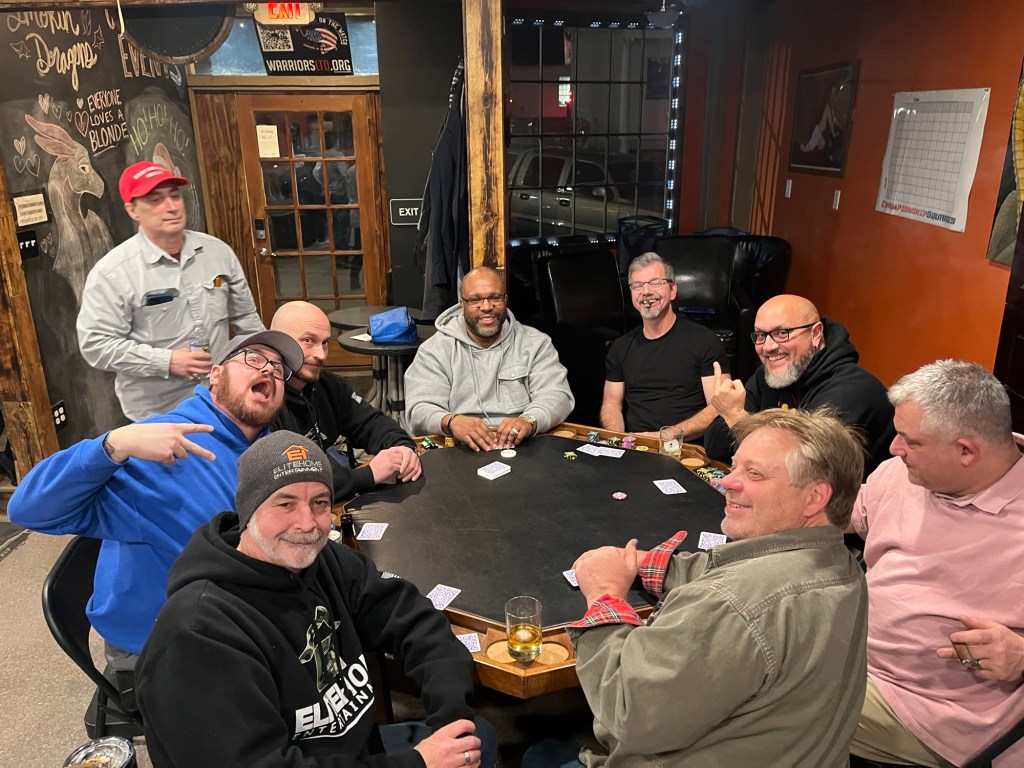
Poker Home Game Fun!!
Why Nothing Beats a Poker Home Game
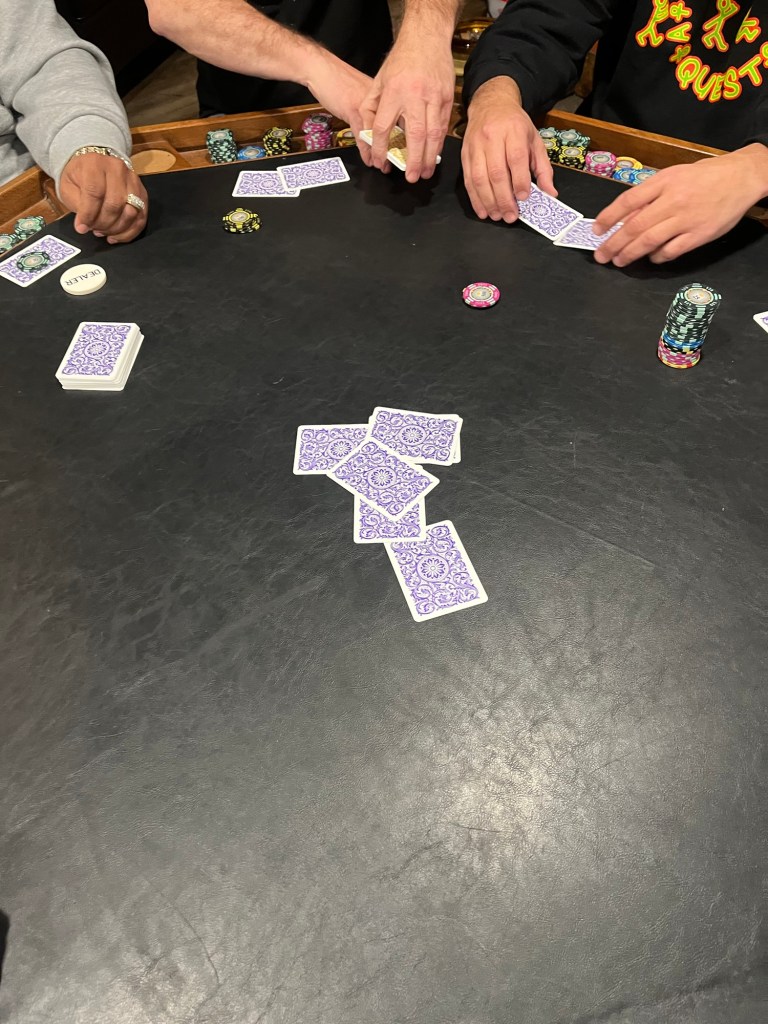
There’s something special about a poker home game that no casino, app, or online table can ever fully replicate. It’s not just about the cards—it’s about the people, the laughs, the stories, and the memories that get shuffled into every hand.
The Comfort Factor
Home games are relaxed by nature. You’re not sitting under bright casino lights or listening to slot machines screaming in the background. Instead, you’re in a living room, basement, or garage, wearing comfortable clothes, sitting in a familiar chair, and enjoying the kind of atmosphere that instantly puts you at ease. That comfort makes every hand more enjoyable—win or lose.
Friends, Trash Talk, and Inside Jokes
A home game is as much a social event as it is a poker night. Friendly trash talk, ongoing rivalries, and inside jokes are part of the experience. Someone always brings up that bad beat from three months ago. Someone else insists they’re “running cold” for the fifth week in a row. These moments are what turn a simple card game into a weekly tradition.
The Snacks Matter
Let’s be honest—home game food is undefeated. Whether it’s pizza boxes stacked on the counter, wings in the oven, or someone’s famous homemade chili, the snacks become part of the night’s identity. No overpriced casino burgers here—just comfort food shared among friends, usually eaten between hands or during a dramatic all-in.
Low Stakes, High Fun
Most home games keep the stakes reasonable, which makes the night about entertainment rather than pressure. You can experiment with plays, chase a draw once in a while, or make a hero call without worrying that it’ll ruin your week. The lower stakes also keep everyone laughing and coming back for more.
Stories You’ll Talk About for Years
Every home game produces legendary hands. The unbelievable river card. The bluff that somehow worked. The time someone accidentally mucked the winner. These stories get retold again and again, growing slightly more dramatic each time. Long after the money is gone, the memories remain.
It’s About Belonging
At its core, a poker home game is about connection. It’s about unplugging for a few hours, sitting around a table, and sharing an experience with people you enjoy. The cards give everyone a reason to gather, but the real value comes from the camaraderie.
Final Thoughts
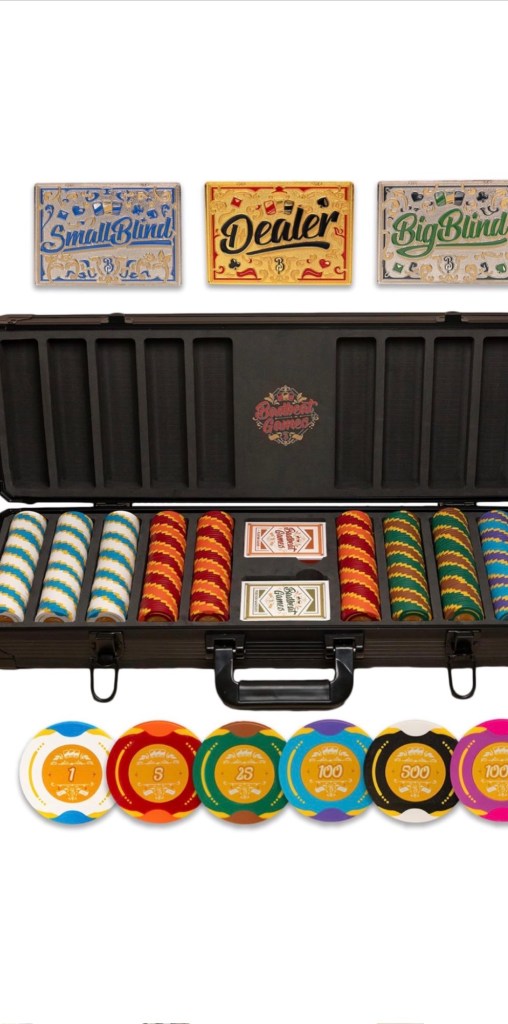
Poker home games aren’t just games—they’re traditions. They’re laughter, competition, comfort, and community all wrapped into one deck of cards. If you’ve got a table, a few friends, and a set of chips, you already have everything you need for a great night.
So shuffle up, deal, and enjoy the fun. ♠️♥️♣️♦️

https://amzn.to/3NjoVQx great home game chip set click the link to order!
Hand of the Day:
Hand of the Day: Pocket 7s in the Small Blind vs J♠8♠ in the Big Blind
Blinds: 500 / 1,000
Stack Sizes: ~30 BB effective
Position:
Small Blind (Hero): 7♣7♦ Big Blind (Villain): J♠8♠
🔍 Preflop Action
Action folds around to the Small Blind, and Hero looks down at pocket sevens — a solid but tricky hand out of position.
Hero raises to 2.5 BB.
The Big Blind calls with J8 suited, a very standard defend given the price and position.
Pot: 5 BB
✅ Good open from the small blind. Pocket pairs play well heads-up, and folding here would be far too tight.
🌊 Flop: J♦ 7♠ 2♣
Bingo. Hero flops middle set on a fairly dry board.
Hero checks.
Big Blind bets 2 BB.
Hero raises to 6.5 BB.
Big Blind calls.
Pot: ~18 BB
💡 Why check-raise?
Allows Villain to continue with top pair (Jx) Builds the pot while disguising hand strength Protects against backdoor draws
🔥 Turn: 8♥
The turn brings an 8, giving Villain two pair (J8) — but Hero still has them crushed.
Hero bets 10 BB.
Big Blind tanks… then calls.
Pot: ~38 BB
⚠️ This is a critical card. While it improves J8, it also means Villain is now less likely to fold, making value betting mandatory.
🏁 River: 3♠
No straight completes. No flush completes.
Hero shoves for remaining ~11 BB.
Big Blind snap-calls.
🃏 Showdown
Hero: 7♣7♦ — Set of Sevens Villain: J♠8♠ — Two Pair
💥 Hero wins a massive pot and nearly doubles up.
🧠 Key Takeaways
✔ Pocket pairs gain huge value in blind vs blind battles
✔ Check-raising strong hands on dry boards maximizes value
✔ When opponents improve to second-best hands, keep betting
✔ Don’t slow-play when stacks are shallow — extract chips while you can
#poker



Recent Comments