Archive
Stop Losing at Pot Limit Omaha! The 10 Biggest Mistakes Texas Hold’em Players Make in PLO

If you’ve spent years crushing Texas Hold’em and think you’ll automatically dominate Pot Limit Omaha (PLO), think again.
Every day, experienced Hold’em players sit down in a PLO game convinced they’re bringing a huge edge to the table. A few hours later, they’re wondering where their bankroll went.
The truth is simple: Pot Limit Omaha is an entirely different game.
The skills you’ve developed playing Hold’em certainly help, but many habits that make you a winning Hold’em player can become costly mistakes in PLO.
If you’re making the transition, avoid these ten common mistakes and you’ll give yourself a much better chance of becoming a winning Omaha player.
1. Overvaluing Pocket Aces
In Texas Hold’em, pocket aces are the undisputed king of starting hands.
In Pot Limit Omaha, they’re only as good as the other two cards.
A hand like A♠ A♥ K♠ Q♥ double-suited is a monster because it has premium flush and straight potential.
A hand like A♠ A♦ 7♣ 2♥ rainbow? Not nearly as exciting.
Many Hold’em players stack off simply because they have aces.
In Omaha, always evaluate all four cards—not just the pair.
2. Playing Too Many Starting Hands
Four hole cards create endless possibilities.
Unfortunately, they also create endless bad decisions.
Many Hold’em players believe that four cards automatically mean more playable hands.
Wrong.
Winning PLO players are selective. They look for hands that work together with connected cards, suited combinations, and nut-making potential.
Disconnected hands belong in the muck.
3. Falling in Love with Top Two Pair
Top two pair is often a powerhouse in Hold’em.
In Omaha?
It’s frequently a bluff catcher.
Because every player starts with four cards, strong made hands happen much more often. Sets, straights, bigger two-pair combinations, and monster draws are everywhere.
If you’re stacking off with top two pair in PLO, prepare for some expensive lessons.
4. Chasing Non-Nut Draws
may be the biggest adjustment for Hold’em players. Second-best flushes.
Bottom ends of straights.
Weak full houses.
These hands often lose huge pots.
Winning PLO players constantly ask themselves:
“Am I drawing to the nuts?”
If the answer is no, proceed carefully.
5. Ignoring Position
Position is valuable in every form of poker.
In Pot Limit Omaha, it becomes even more important.
The extra combinations mean more difficult decisions on every street.
Playing in position allows you to gather information before risking chips.
Playing out of position forces you to guess.
Good Omaha players guess less.
6. Overplaying Sets
Flopping top set feels incredible.
Until the board runs out:
9♠ 10♠ J♦ Q♣ K♠
Welcome to Omaha.
Sets remain strong, but they become vulnerable very quickly on coordinated boards.
Always ask yourself what draws your opponents could realistically have.
7. Ignoring Board Texture
Hold’em players often think:
“I have top set.”
Omaha players think:
“What does this board hit?”
Every flop should trigger questions.
Is it coordinated?
Are flushes possible?
How many straight combinations exist?
Could multiple players have monster draws?
Reading board texture separates winning PLO players from losing ones.
8. Betting Like It’s No-Limit Hold’em
PLO uses pot-limit betting.
That changes strategy dramatically.
You cannot pressure opponents by moving all-in whenever you choose.
Instead, successful players build pots strategically over multiple streets while paying close attention to stack-to-pot ratios.
Learning proper pot control is a huge step toward becoming a winning Omaha player.
9. Underestimating Variance
Even when you’re a favorite, you’ll lose.
Often.
Monster draws frequently have significant equity against made hands.
That means swings are much larger than many Hold’em players expect.
Don’t panic after a losing session.
Stick to sound strategy and protect your bankroll.
10. Refusing to Adapt
This is the mistake that ties all the others together.
Too many players try to force Hold’em strategy into an Omaha game.
PLO rewards flexibility.
It rewards patience.
It rewards discipline.
The sooner you stop thinking like a Hold’em player, the sooner you’ll start winning at Omaha.
Final Thoughts from The Player in Seat 4

Pot Limit Omaha isn’t simply “Texas Hold’em with four cards.”
It’s a game built around nut hands, powerful draws, position, discipline, and careful hand selection.
The biggest winners in PLO aren’t always the most aggressive players—they’re the ones who consistently avoid expensive mistakes.
If you’re transitioning from Hold’em, take your time. Study the game, respect the action, and remember that every hand offers more possibilities—for both you and your opponents.
Master these ten adjustments, and you’ll already be ahead of many players making the same transition.
Join the Conversation
Which mistake do you see most often when Texas Hold’em players try Pot Limit Omaha? Share your thoughts in the comments!
For more strategy articles, cash game tips, tournament advice, and poker psychology, visit The Player in Seat 4 at jackstokingspoker.org.
If you enjoyed this article please like, comment, share and subscribe. Please click on our sponsor ads to keep our articles free. Thank you for reading and I’ll see you at the tables!
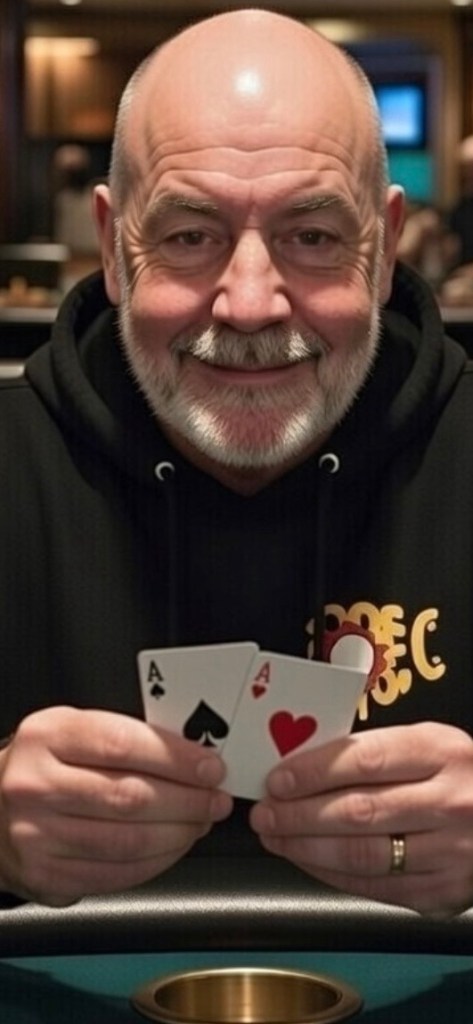
Table Image Management in Poker: How Your Reputation Can Win You More Money

As I close out this series on the Psychology of poker I wanted to end with an article on table image a topic I find both exciting and challenging to write. Poker isn’t just about the cards you’re dealt—it’s also about the story your opponents believe. At JackStokingsPoker.org, we believe one of the most overlooked skills in live poker is table image management. Whether you’re grinding $1/$2 cash games or battling in a $2/$5 lineup, understanding how other players perceive you can dramatically increase your win rate.
If you’re looking to improve your poker results, mastering your table image should be just as important as learning pot odds, bankroll management, and hand reading.
What Is Table Image in Poker?
Your table image is the reputation you’ve built at the poker table. Every showdown, bluff, fold, conversation, and betting pattern contributes to how your opponents view you.
Most players fall into one of these categories:
● Tight and passive
● Tight and aggressive (TAG)
● Loose and passive
● Loose and aggressive (LAG)
The key isn’t simply fitting into one category—it’s knowing how your opponents see you and using that perception to your advantage.
Why Table Image Matters
Imagine you’ve folded for an hour and finally raise from early position. Most observant opponents will assume you have a premium hand. That means you’ll often steal blinds and uncontested pots without needing to show your cards.
Now imagine you’ve been splashing around in nearly every pot. When you finally pick up pocket Aces, your opponents are much more likely to pay you off because they don’t believe you have a monster.
Both situations can be profitable if you recognize your current table image and adjust accordingly.
Building the Right Table Image
Strong poker players don’t leave their image to chance. They actively create one.
If the table is full of calling stations, playing a disciplined, tight-aggressive style can help you get maximum value when you make strong hands.
If everyone is playing cautiously, opening your range and applying pressure may allow you to steal more pots.
The best players constantly ask themselves:
“What does everyone at this table think I have?”
Answering that question correctly often determines whether a bluff succeeds or a value bet gets called.
Adjusting Your Strategy
Your table image should evolve throughout the session.
If you’ve shown down several premium hands, consider adding a few well-timed bluffs. Your credibility is at its highest.
If you’ve been caught bluffing multiple times, tighten up for a while. Let opponents continue calling you light until you pick up legitimate value hands.
Poker is a game of adjustments. Every orbit provides new information, and the players who adapt the fastest usually earn the biggest profits.
Common Table Image Mistakes
Many recreational players make these costly errors:
● Ignoring how often they’ve shown down weak hands.
● Bluffing players who simply don’t fold.
● Failing to recognize when the table has stopped respecting their raises.
● Playing the same style regardless of the opponents.
Awareness is a powerful edge. The more attention you pay to your own image, the more opportunities you’ll find to exploit your opponents.
Practical Tips for Live Cash Games
If you’re playing $1/$2 or $2/$5 No-Limit Hold’em, remember these simple rules:
● Observe how often opponents watch showdowns.
● Notice who pays attention and who is distracted.
● Value bet more against players who think you’re bluffing.
● Bluff more against players who believe you’re always strong.
● Don’t be afraid to change gears during long sessions.
Small adjustments based on your table image can add up to hundreds—or even thousands—of dollars over time.
Final Thoughts
Great poker players understand that every decision sends a message. Managing your table image allows you to control that message and influence the decisions of everyone around you.
The next time you sit down at the table, don’t just ask, “What cards do I have?” Ask yourself, “What story have I been telling all night?”
Mastering table image management won’t guarantee you’ll win every session, but it will help you make more profitable decisions over the long run.
For more winning poker strategy, cash game tips, hand analysis, and beginner-friendly guides, visit JackStokingsPoker.org and continue building an edge over your competition.
If you enjoyed this article please like, share, follow, and subscribe! Please click on sponsor Ads to help keep our content fresh and Free! Thank you for reading and I’ll see you at the tables!
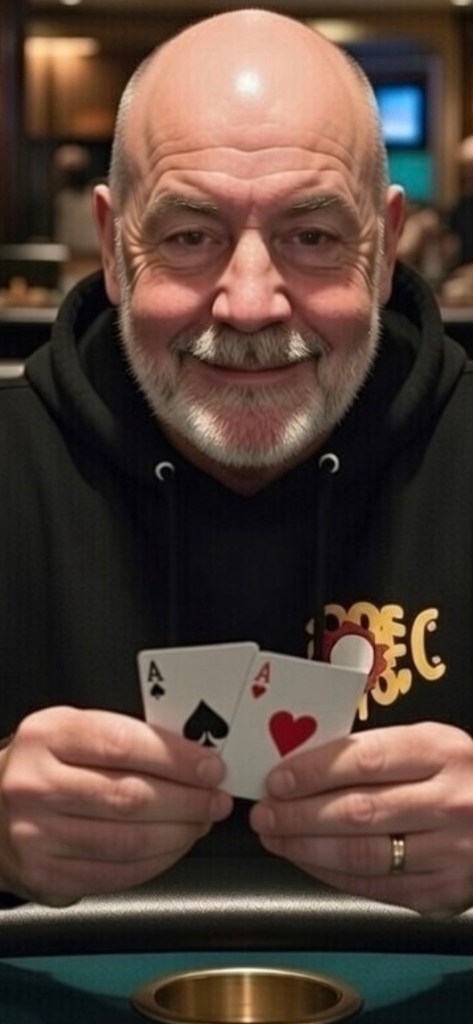
How to Tilt Your Opponents in Poker (Without Crossing the Line)

In July I’m trying to write articles around a common theme, the theme is emotional intelligence in poker. We will continue to review different player types and strategies you can utilize to exploit their behaviors and improve your results.
Every poker player has experienced tilt. Whether it’s a bad beat, a missed draw, or a costly mistake, emotions can quickly affect decision-making. The best players know how to stay calm—but they also understand how to recognize when an opponent is tilting and, within the rules and good etiquette, apply pressure that causes even more mistakes.
If you’re looking to improve your Texas Hold’em strategy, learning how to capitalize on an opponent’s frustration can significantly increase your win rate. Here’s how to tilt your opponents the right way.
1. Play Solid, Aggressive Poker
Nothing frustrates opponents more than consistently running into strong hands and well-timed aggression. Raise your premium hands, value bet confidently, and apply pressure when the situation calls for it. Players who are already frustrated often begin calling too wide or making reckless bluffs against aggressive opponents.
A disciplined strategy is one of the most effective ways to create tilt naturally.
2. Stay Calm After Winning Big Pots
When you win a large pot, avoid celebrating or rubbing it in. Simply stack your chips and prepare for the next hand. Ironically, your calm demeanor can frustrate opponents even more because they don’t get the emotional reaction they’re hoping for.
Professional behavior often creates more psychological pressure than trash talk ever will.
3. Put Pressure on Short Stacks
Players with shrinking stacks frequently feel stressed. Continue making fundamentally sound raises when you’re in favorable positions. Tilted players often respond by making desperate all-in moves with weak holdings, giving you profitable opportunities to call with stronger ranges.
Remember: pressure should come from good poker decisions, not intimidation.
4. Let Your Opponents Make Their Own Mistakes
One of the biggest mistakes players make is trying too hard to force action. Instead, be patient. Tilted opponents often bluff too much, chase impossible draws, or overplay marginal hands. Give them the chance to hang themselves rather than forcing the issue.
Poker rewards patience.
5. Maintain a Friendly Table Presence

Being respectful doesn’t prevent you from gaining an edge. Smile, be courteous, and avoid arguments. Players who are already upset may become even more frustrated when they see you remaining composed while they lose control of their emotions.
Good sportsmanship is both ethical and profitable.
6. Recognize the Signs of Tilt
Watch for opponents who:
- Play far more hands than usual.
- Call large bets with weak holdings.
- Raise impulsively after losing a pot.
- Complain about bad luck.
- Show visible frustration or impatience.
Once you identify these signs, tighten your value betting and avoid unnecessary hero calls. Let their emotional decisions work in your favor.
Common Mistakes to Avoid
Trying to intentionally provoke someone with insults, slow rolling, excessive celebration, or disrespectful behavior is bad for the game and can create an uncomfortable atmosphere. The goal is not to upset people personally—it’s to recognize emotional mistakes and respond with fundamentally sound poker.
Winning because your opponents make poor strategic decisions is part of poker. Winning through poor etiquette is not.
Final Thoughts
Learning how to tilt opponents in poker isn’t about mind games or trash talk. It’s about understanding human psychology, recognizing emotional decision-making, and continuing to play disciplined, fundamentally sound poker while others lose focus.
The best players don’t create chaos—they stay composed while everyone else does the opposite. Over the long run, emotional control is one of the biggest edges you can have at the poker table.
If you enjoyed this article please like, share, comment and subscribe! Please click on sponsor ads to help keep our blog free. I hope you enjoyed reading and I’ll see you at the tables!
Is 4-Betting Just a Setup to Shove All-In?
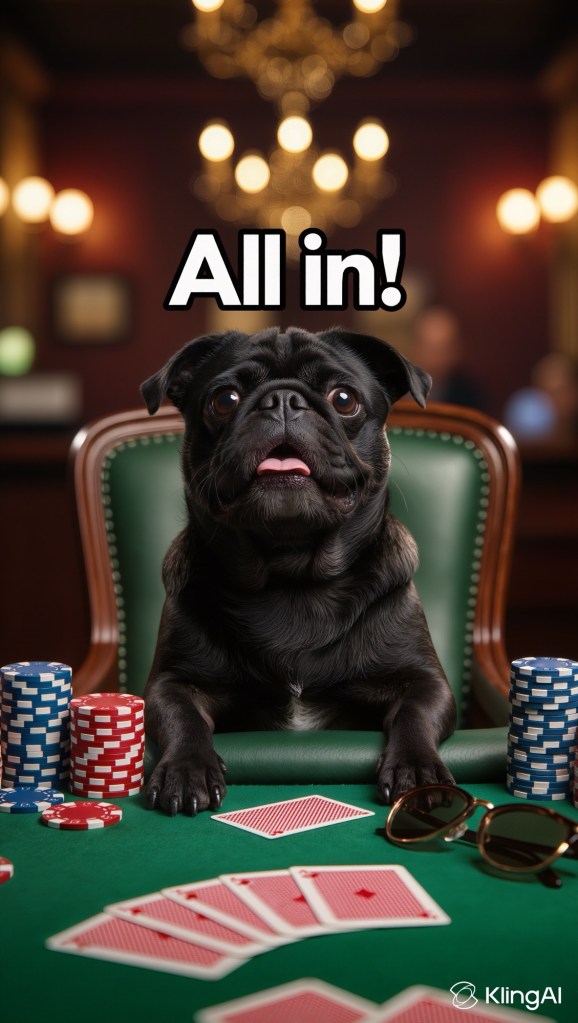
In my last post we discussed 3 betting in 2026, what about the 4 bet? If you’ve played enough No-Limit Texas Hold’em, you’ve probably seen the action go raise, 3-bet, and then 4-bet. At lower stakes, many players assume that a 4-bet automatically means someone is committed to getting all of their chips into the middle. But is a 4-bet really just a setup to shove all-in? The answer is: not always.
What Is a 4-Bet?
A 4-bet is the fourth aggressive action before the flop. For example, Player A opens the pot, Player B 3-bets, and Player A responds with a 4-bet. This move is usually made with a very strong hand, but experienced players also include well-timed bluffs in their 4-betting range to stay balanced.
Does a 4-Bet Mean You’re Pot-Committed?
In many $1/$2 and $2/$5 cash games, a large 4-bet often leaves only a pot-sized bet remaining. That means both players may already be committed to the hand, making an all-in shove on the next action very common. However, stack depth matters. With 200 big blinds or more, skilled players can sometimes 4-bet and still fold if faced with overwhelming aggression from an opponent who only continues with premium hands.
When Should You 4-Bet?
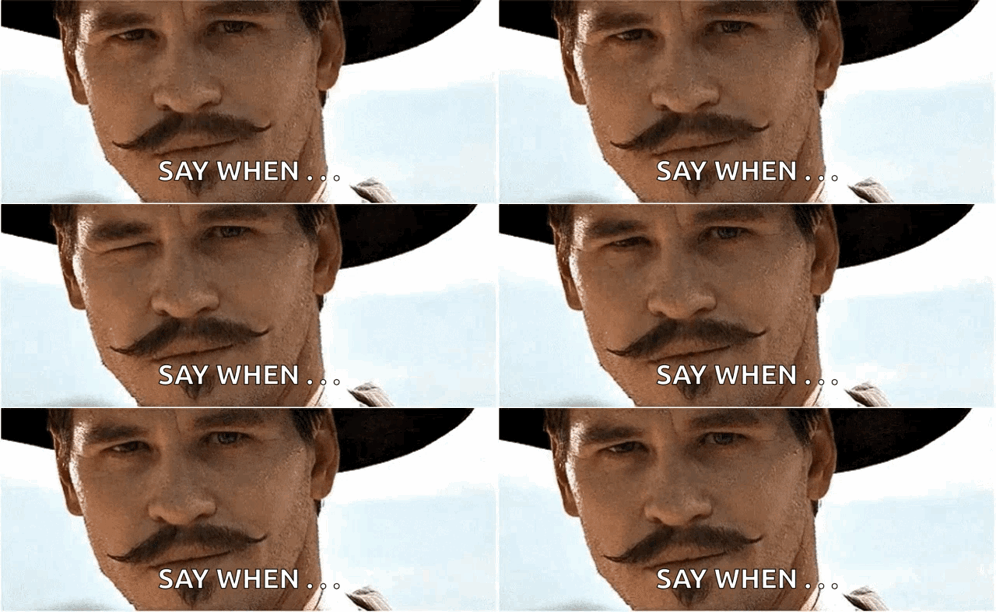
The best 4-bets are made for value with premium hands like AA, KK, QQ, and AK against aggressive opponents. Occasionally, adding hands like suited wheel aces (A5s or A4s) as bluffs can make your strategy harder to exploit. The key is understanding your opponent. Against players who only 3-bet monsters, bluff 4-betting is usually a losing play. Against aggressive regulars who 3-bet frequently, well-timed 4-bets can be extremely profitable.
Final Thoughts
A 4-bet is often a step toward playing for stacks, but it isn’t automatically a commitment to shove all-in. Your stack size, your opponent’s tendencies, position, and table dynamics should all influence your decision. Great poker players don’t 4-bet simply because they have a strong hand—they 4-bet because it’s the most profitable play in the situation.
Whether you’re grinding your local $1/$2 cash game or battling tougher $2/$5 players, understanding when a 4-bet is for value, when it’s a bluff, and when it leads to an all-in confrontation will make you a far more dangerous opponent at the table.
If enjoyed this article please like, share, comment and subscribe. Thanks for reading and see you at the tables!
Mastering the 3-Bet in 2026: A Modern Poker Strategy Guide

If you want to become a stronger poker player in 2026, learning how to 3-bet effectively should be one of your top priorities. As players become more aggressive and better studied, simply calling raises isn’t enough. Whether you play $1/$2 or $2/$5 No-Limit Hold’em cash games or local tournaments, a solid 3-betting strategy can significantly increase your win rate.
What Is a 3-Bet?
A 3-bet is the first re-raise before the flop. For example, the blinds are posted, one player opens the action with a raise, and you re-raise. That’s a 3-bet.
The purpose of a 3-bet is to build the pot with your strongest hands, put pressure on opponents, and often win the pot before the flop. Many recreational players call too often instead of re-raising, leaving money on the table over the long run.
Value 3-Betting
The easiest hands to 3-bet are your premium holdings. Hands like AA, KK, QQ, AK, JJ, and AQs should usually be played aggressively. At low-stakes live games, players frequently call with weaker hands, making value 3-betting extremely profitable.
When you have the best hand, don’t be afraid to build a bigger pot. Playing premium hands passively often allows opponents to realize their equity cheaply.
Bluff 3-Betting
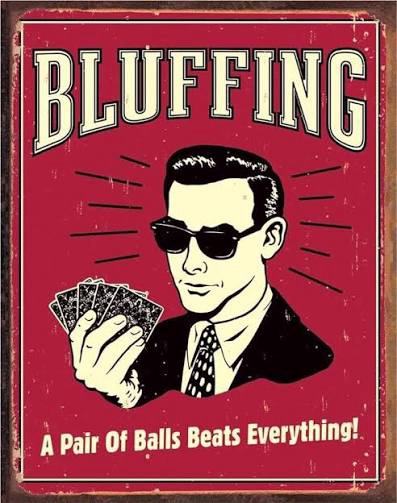
The best players in 2026 don’t only 3-bet with monsters—they also include carefully selected bluff hands in their range. Suited wheel aces like A5s through A2s, suited connectors, and blocker hands can make excellent bluff 3-bets in the right situations.
However, choose your opponents wisely. Bluff players who are capable of folding. Against loose calling stations, focus on value because they will often call with weaker holdings.
Position Is Everything
Position continues to be one of the biggest advantages in poker. When you’re on the Button or Cutoff, you can widen your 3-betting range because you’ll have position after the flop. Out of position, tighten your range and rely more heavily on premium hands.
Having position allows you to control the size of the pot, gather more information, and make better decisions throughout the hand.
Common 3-Betting Mistakes
Many players make the mistake of 3-betting every decent hand or never bluffing at all. Others use the same sizing regardless of position or stack depth.
Instead, pay attention to your opponent’s tendencies. Are they opening too many hands? Do they fold to aggression? Are they calling almost every raise? Adjust your strategy accordingly rather than relying on a one-size-fits-all approach.
Final Thoughts
A strong 3-betting strategy is one of the fastest ways to improve your poker results in 2026. By combining aggressive value betting with well-timed bluffs, you’ll win more uncontested pots, extract more value from your premium hands, and become a much tougher opponent.
Remember, successful poker isn’t about playing every hand aggressively—it’s about applying pressure at the right time against the right opponents. Master the 3-bet, and you’ll put yourself in position to win more consistently at the tables.
If you enjoyed this article please like. share, and subscribe. Thanks for reading and see you at the tables!
Turning Marginal Hands into Bluffs!
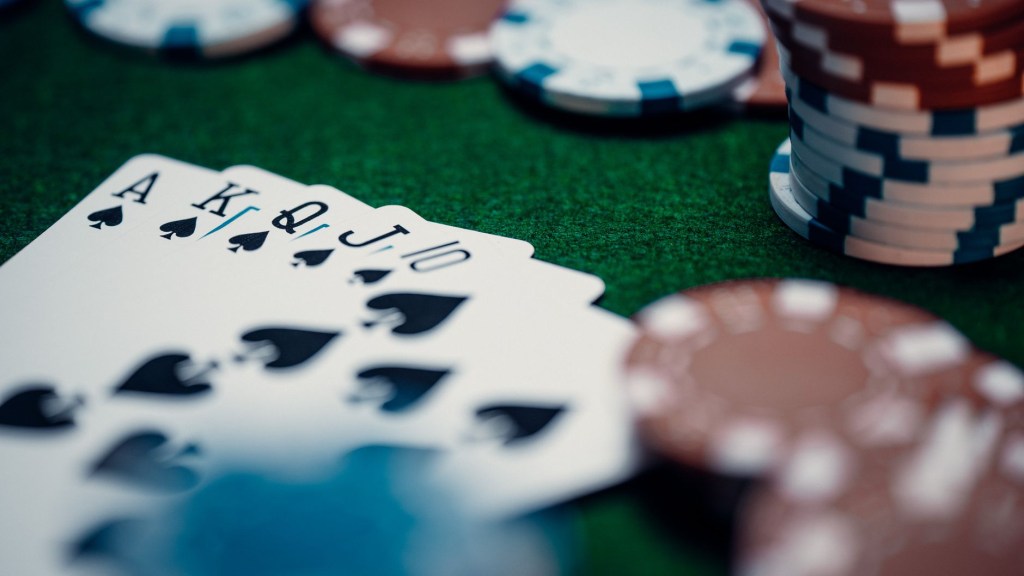
One of my favorite topics in poker because let’s face it sometimes you need to turn lemons into lemonade and even marginal hands can pay off if played correctly! Poker isn’t just about making big hands. Some of the most profitable players understand how to turn marginal holdings into effective bluffs when the situation calls for it. Knowing when to transform a weak pair, missed draw, or mediocre showdown hand into a bluff can help you win pots that would otherwise be lost.
What Is a Marginal Hand?
A marginal hand is a holding that has some value but is often not strong enough to comfortably win at showdown. Examples include second pair with a weak kicker, bottom pair, ace-high, or a missed straight or flush draw. Many recreational players simply check and hope these hands are good. Stronger players recognize opportunities to apply pressure and force better hands to fold.
Why Bluff With Marginal Hands?
When you hold a marginal hand, your chances of winning at showdown are often limited. If your opponent is likely to have a stronger hand, turning your holding into a bluff can be the more profitable option. By representing a strong range and applying pressure on favorable board textures, you can force folds from hands that currently beat you.
For example, imagine you’re playing a $2/$5 No-Limit Hold’em cash game. You raise preflop with J♦10♦ and get called. The board runs A♠7♣3♥K♣2♠. After your opponent checks all three streets, a large river bet may convince them to fold medium-strength hands like pocket eights, nines, or even a weak ace.
The Best Candidates for Bluffing
Not all marginal hands should become bluffs. The best bluffing candidates usually block your opponent’s strongest holdings. For instance, holding an ace can make it less likely that your opponent has top pair. Missed draws are also excellent bluff candidates because they rarely win at showdown and can credibly represent completed draws or strong made hands.
Hands that have little showdown value but contain important blockers often make the most profitable bluffs.
Picking the Right Spots

Successful bluffing depends heavily on board texture and opponent tendencies. Bluff more often against players who can fold and less often against calling stations. Look for scare cards that improve the story you’re telling. Overcards, completed flush draws, and coordinated turn or river cards can all create opportunities to represent strength.
Remember that a good bluff tells a believable story. Your betting pattern should make sense based on the hand you’re representing.
Final Thoughts
Turning marginal hands into bluffs is one of the skills that separates average poker players from winning players. Instead of giving up when you miss the flop or make a weak pair, look for opportunities to apply pressure in the right situations. By understanding blockers, board texture, and opponent tendencies, you can turn losing hands into profitable weapons.
At JackStokingsPoker.org, we believe that mastering advanced concepts like bluffing with marginal hands is essential for long-term success at the poker table. The next time you’re facing a difficult decision with a weak holding, ask yourself: “Can this hand make more money as a bluff than as a showdown hand?”
If you enjoyed this article please like, share, comment and subscribe. Thanks for reading and I’ll see you at the tables!
How to Study Poker and Improve Your Game: A Complete Guide for Serious Players
If you’ve ever wondered why some poker players consistently win while others struggle to break even, the answer often comes down to study habits. While experience at the tables is important, the most successful players dedicate time away from the felt to improving their skills. Whether you’re grinding $1/$2 cash games, playing $2/$5 No-Limit Hold’em, or entering poker tournaments, learning how to study poker effectively can dramatically increase your win rate.
Why Studying Poker Matters
Poker is a game of skill, strategy, and continuous adaptation. The players who consistently profit are usually those who spend time analyzing hands, learning new concepts, and correcting mistakes. Simply playing more hours isn’t enough. To become a better poker player, you need a structured approach to poker study.
Review Your Poker Hands
One of the best ways to improve your poker game is by reviewing hand histories after every session. Focus on:
- Large pots won and lost
- Tough river decisions
- Bluffing opportunities
- Spots where you felt uncertain
Ask yourself if you made the most profitable decision with the information available. Over time, you’ll begin identifying recurring mistakes and leaks in your game.
Learn Strong Preflop Strategy
Many costly errors occur before the flop. Understanding proper preflop ranges can instantly improve your results.
Key areas to study include:
- Opening ranges by position
- Blind defense strategy
- 3-betting and 4-betting ranges
- Tournament push-fold charts
Strong preflop fundamentals create easier decisions on later streets and help avoid difficult situations.
Watch Poker Training Videos
Poker training videos are an excellent resource for players looking to improve. Watching experienced players explain their thought process can help you better understand:
- Hand reading
- Bet sizing
- Bluffing frequencies
- Exploitative strategies
- Game theory concepts
To maximize learning, pause the video before key decisions and determine what action you would take.
Join a Poker Study Group
Discussing hands with other players can expose you to new perspectives and strategies. Whether it’s a local poker group, an online forum, or a private study session with friends, collaboration can accelerate improvement.
When sharing hands, include:
- Stack sizes
- Positions
- Betting action
- Opponent tendencies
The goal is not just to know what happened, but to understand why a particular play was correct or incorrect.
Use Poker Software and Tools
Modern poker players have access to powerful software that can help analyze hands and improve decision-making.
Popular study methods include:
- Equity calculators
- Range analyzers
- Poker solvers
- Session tracking software
Even spending a few hours each week studying equity can significantly improve your understanding of poker mathematics and expected value.
Study Your Opponents
Live poker is often about exploiting player tendencies rather than playing perfectly balanced strategy.
Look for common player types such as:
- Calling stations
- Tight-passive players
- Loose-aggressive players
- Recreational players
Taking notes and recognizing patterns can help you make better adjustments and maximize profits.
Improve Your Mental Game
Many poker players focus entirely on strategy while ignoring the mental side of the game. However, tilt and emotional decision-making can quickly erase hours of good play.
To strengthen your mental game:
- Accept short-term variance
- Focus on decision quality
- Practice bankroll management
- Take breaks when frustrated
- Maintain realistic expectations
The ability to remain disciplined during losing sessions is often what separates winning players from losing players.
Track Your Results
Successful poker players track their performance over time. Keeping records allows you to identify strengths, weaknesses, and trends in your game.
Track:
- Hours played
- Profit and loss
- Stakes played
- Win rate
- Session notes
Accurate records provide valuable insight into your long-term progress and help keep emotions out of the equation.
Final Thoughts
Learning how to study poker effectively is one of the biggest edges a player can develop. The combination of hand reviews, preflop study, training videos, software analysis, opponent observation, and mental game work creates a foundation for long-term success.
If you’re serious about becoming a winning poker player, consider dedicating at least one hour of study for every five hours played. Over time, that investment can lead to better decisions, fewer mistakes, and increased profits at the poker table.
If you enjoyed this article please like, share, comment and subscribe. Thanks for reading and I’ll see you at the tables!
Why Playing Small Pot Poker Can Be a Big Winning Strategy
Many poker players dream of stacking opponents in massive pots, but some of the most successful long-term winners understand the value of playing small pot poker. Whether you’re grinding a $1/$2 cash game or building a bankroll online, learning how to win small and consistent pots can dramatically improve your results. Small pot poker isn’t about being passive—it’s about making smart decisions, controlling variance, and maximizing profit over time.

What Is Small Pot Poker?
Small pot poker refers to a strategy focused on keeping pots manageable when holding medium-strength hands or marginal situations. Instead of constantly building huge pots with one-pair hands or drawing hands, skilled players often choose smaller bet sizes, pot control, and selective aggression. This approach reduces risk while still allowing players to extract value from weaker opponents.
In low-stakes cash games, many recreational players make costly mistakes by overvaluing hands and chasing draws. By keeping pots smaller and forcing opponents to make difficult decisions, you can capitalize on those mistakes without exposing your stack unnecessarily.
The Benefits of Playing Small Pot Poker
One of the biggest advantages of small pot poker is reduced variance. Large pots naturally create larger swings, which can be emotionally and financially challenging. Winning several small pots each session often produces steadier profits than relying on a few huge confrontations.
Another benefit is improved decision-making. When pots remain manageable, players can make more accurate reads and avoid committing large portions of their stack with marginal holdings. This is especially valuable in $1/$2 No-Limit Texas Hold’em games, where opponents frequently make unpredictable plays.
Small pot poker also helps preserve your bankroll. By avoiding unnecessary all-ins and oversized confrontations, you protect yourself from costly mistakes while maintaining opportunities to exploit weaker players later in the session.
Small Pots Add Up Quickly
Many new players underestimate how profitable small pots can be. Winning five or six uncontested pots per hour through solid preflop raises, continuation bets, and position play can generate a significant hourly win rate. Professional poker players understand that consistent small wins often outperform high-risk, high-variance strategies over the long run.
Think of it this way: if you’re regularly picking up blinds, taking down limped pots, and extracting value from weaker hands, those chips accumulate steadily throughout a session. Poker is ultimately a game of long-term expected value, not individual hands.
Final Thoughts
While big pots make for exciting stories, small pot poker is often where real profits are made. By controlling pot size, reducing variance, and consistently capitalizing on opponent mistakes, players can develop a more sustainable and profitable poker strategy. The next time you’re tempted to inflate a pot with a marginal hand, remember that small pots won consistently can lead to big results over time.
If you’re looking to improve your poker game, mastering small pot poker strategy may be one of the most valuable skills you can add to your arsenal.
ICM: exploring the concept in today’s #Poker Climate
Understanding ICM in Poker: Why Chip Value Changes Near the Money
If you’ve ever played a poker tournament and wondered why players suddenly become more cautious near the money bubble or final table, the answer is often ICM. The Independent Chip Model (ICM) is one of the most important concepts in tournament poker because it helps determine the real-money value of your chips. Unlike cash games where every chip has a fixed value, tournament chips gain and lose value depending on the payout structure and the number of players remaining.
ICM becomes especially important as a poker tournament approaches the money bubble, final table, or major pay jumps. For example, calling an all-in with a marginal hand might be profitable in terms of chip EV, but it could be a losing decision when ICM is considered. This is because busting out before a payout increase can cost more in real money than the chips you might gain by winning the hand.
Successful tournament players adjust their strategy based on ICM pressure. Large stacks can often apply pressure to medium stacks who are trying to survive, while short stacks must carefully choose their spots to maximize their chances of moving up the payout ladder. Understanding ICM can help players avoid costly mistakes and make better decisions when tournament life is on the line.
Whether you’re playing local poker tournaments, online MTTs, or major series events, learning ICM is essential for long-term success. Mastering ICM poker strategy, final table decision-making, and bubble play can significantly improve your tournament results and increase your overall profitability.
If you enjoyed this article please like, share, comment and subscribe! Thanks for reading and I’ll see you at the tables!
Poker Lingo used in 2026!

I’m often asked what some of the lingo, or acronyms I use in my articles mean, I take for granted that I’ve been playing, studying poker for several years now. So using my AI partners tried to compile a glossary of commonly used terms that would help other players at different levels understand better. I’m sure this isn’t everything so if you have additional questions please let me know!
Poker Lingo Glossary 2026: Essential NLHE Tournament Terms Every Player Needs
Are you new to poker or looking to sharpen your game in 2026? Understanding poker lingo is one of the fastest ways to improve your No-Limit Hold’em (NLHE) tournament strategy. Whether you’re defending your big blind, navigating ICM pressure on the bubble, or studying GTO ranges, knowing the right terms helps you think and talk like a pro.
This updated poker glossary focuses on modern MTT (Multi-Table Tournament) language. It’s perfect for beginners and intermediate players alike.
Why Learning Poker Terms Matters in 2026
Poker strategy has never been more solver-driven. With tools like GTO Wizard and advanced training software, players throw around terms like “fold equity,” “blockers,” and “ICM” constantly. Mastering this vocabulary improves your hand reading, table talk, and overall expected value (EV).
Let’s break down the most important poker lingo used in NLHE tournaments today.
Core Game and Structural Terms
• NLHE / NL: No-Limit Hold’em – the world’s most popular poker format where you can bet all your chips at any time.
• MTT: Multi-Table Tournament. Events with hundreds or thousands of players that pay out based on finishing position.
• BB (Big Blind): The larger forced bet. Also refers to the position that posts it (a key spot for defending).
• SB (Small Blind): The smaller forced bet to the left of the big blind.
• Ante: A forced bet posted by every player, common in later stages to speed up play and build bigger pots.
• Effective Stack: The shortest stack at the table, measured in big blinds. This heavily influences strategy.
Key Poker Positions
• UTG (Under the Gun): First player to act preflop – the toughest position.
• Cutoff (CO): Seat immediately right of the Button. Strong stealing position.
• Button (BTN): Dealer position. Best seat at the table as you act last postflop.
• OOP (Out of Position): Acting first on one or more streets (common when defending the big blind).
• IP (In Position): Acting after your opponent – a major advantage.
Strategy and Math Concepts
• EV (Expected Value): The long-term profitability of a play in chips or dollars. +EV = profitable over time.
• ICM (Independent Chip Model): Converts chip stacks into real-money equity based on payouts. Critical near pay jumps and final tables.
• GTO (Game Theory Optimal): An unexploitable baseline strategy solved by computers. Many players study GTO ranges in 2026.
• Pot Odds: Ratio of the pot size to the cost of calling. Essential when deciding whether to defend your big blind.
• Implied Odds: Potential to win more chips later if you hit your hand.
• Fold Equity: The value of making your opponent fold when you bet or raise.
Common Actions and Plays
• Open (Open Raise): The first raise preflop.
• 3-Bet: Re-raising preflop. A key weapon when defending the big blind.
• Flat / Call: Matching the current bet without raising.
• Defend: Calling or 3-betting from the blinds against a raise.
• Steal: Raising light from late position to win the blinds and antes.
• Squeeze: 3-betting after an open and call(s) to apply maximum pressure.
• Jam / Shove: Going all-in with your remaining stack.
• Muck: Folding your hand without showing it.
Player Types and Dynamics
• Nit: Extremely tight player who only plays premium hands.
• LAG (Loose Aggressive): Plays many hands and bets/raises frequently.
• TAG (Tight Aggressive): Selective but aggressive – the classic solid style.
• Fish / Whale: Recreational or weak player (your main profit source).
• Reg: Experienced regular/grinder.
• Tilt: Playing emotionally after bad beats, usually leading to mistakes.
Tournament Stage Terminology
• Bubble: One player away from the money. Play often tightens dramatically here.
• Pay Jump: Moving up payout positions and the resulting increase in prize money.
• Final Table: The last table in an MTT.
• Chip EV: Playing as if chips equal real money (early tournament or cash game mindset).
• ICM Pressure: Adjusting strategy based on payout implications.
Hand Notation and Other Slang
• AKs: Ace-King suited.
• 76s: Seven-Six suited (a classic suited connector).
• Broadway: High cards (A-K-Q-J-10) that can make the nut straight.
• Suited Connectors: Consecutive same-suit cards (great for big blind defense).
• Blockers: Holding key cards that reduce the chance your opponent has a specific hand.
• Cooler: When two very strong hands clash unavoidably.
• Bad Beat: Losing a big pot with a strong hand to a statistically unlikely one.
How to Use This Poker Glossary
Print this out or bookmark it as your go-to poker terms reference. When you read a strategy article about defending your big blind, you’ll now understand why pot odds, effective stack depth, and ICM all matter.
Pro tip: The biggest EV gains often come from late-position steals and proper big blind defense. Combine this vocabulary with solid range construction and you’ll quickly move up in stakes.
Final Thoughts
Poker lingo in 2026 is more solver-influenced than ever, but the fundamentals remain the same. Master these terms and you’ll feel more confident at the tables, in training videos, and in discussions with other players.
If you enjoyed this article please like, comment, share and subscribe! Thanks for reading and I’ll see you at the tables!
When and Why to defend your Big Blind in a Poker Tournament

Defending Your Big Blind in NL Poker Tournaments: When and Why to Fight for That Extra BB
In No-Limit Hold’em tournaments, the big blind is one of the most important positions at the table—and often the most misunderstood. Many recreational players treat it like a punishment: they fold far too often to raises, bleeding chips slowly while waiting for premium hands. Strong tournament players, however, view the big blind as an opportunity.
Defending your big blind properly is one of the highest-EV adjustments you can make in MTTs.
Why Defend the Big Blind?

1. You’re Already Invested You’ve posted 1 big blind. When someone raises to 2.5BB or 3BB, you’re often getting excellent pot odds (sometimes 3:1 or better) to call. That dead money changes the math significantly compared to defending from other positions.
2. You Close the Action When you defend from the big blind, there are no players left to act behind you. This reduces the chance of facing a squeeze play and lets you realize equity more cleanly.
3. You Can Win the Pot Immediately (or Apply Pressure) You can defend with calls or 3-bets. A well-timed 3-bet from the big blind can take down the pot preflop or put the opener in a tough spot, especially from late positions.
4. Tournament Dynamics Reward Aggression In MTTs, chip preservation matters, but so does chip accumulation. Letting steals go unanswered lets aggressive players run over your table. Proper defense maintains your stack and your table image.
The main downside? You play out of position (OOP) postflop. This is why your defending range must be carefully constructed—you need hands that play well OOP or have good implied odds.
When Should You Defend More Often?
1. Opener’s Position Matters Most
• Early Position (UTG, UTG+1): Tighten up significantly. These ranges are strongest, and you’ll be OOP against a player with position for the entire hand.
• Middle Position: Moderate defense frequency.
• Late Position (Cutoff, Button): Defend much wider. A button open is often 40-50%+ of hands. You can call with many suited connectors, suited gappers, weak aces, and broadway hands.
2. Stack Depths
• Deep Stacks (50BB+): Wider defending range. You have room to maneuver postflop and realize equity with speculative hands (76s, 98s, small pocket pairs).
• Mid Stacks (20-40BB): Still defend quite wide, but start 3-betting more for value/protection and folding some marginal hands.
• Short Stacks (15BB or less): Shift toward all-in 3-bets (shoves) or tight folds. Pot odds still matter, but playability OOP drops.
3. Opponent Tendencies
• Nit / Tight Opener: Defend tighter. Their range is strong.
• Aggressive / Loose Opener: Defend very wide. Punish them.
• Players Who Fold Too Much to 3-Bets: Increase your 3-bet bluff frequency from the big blind.
4. ICM and Tournament Stage
This is where tournaments differ from cash games:
• Early Stage / Deep Run: Play closer to cash-game style. Pot odds dominate.
• Bubble / Final Table: ICM pressure increases. You should defend tighter against big stacks (they can punish you) and be more willing to defend against short stacks (they have less fold equity).
• Pay Jumps: When a min-cash or big pay jump is near, over-folding the big blind can actually be correct to avoid high-variance spots.
Constructing Your Big Blind Defending Range
A simplified way to think about it:
Calling Range (vs Late Position Raise):
• All pocket pairs
• Strong aces (AJo+, ATs+)
• Broadway combinations (KQo, KJs, QJs, etc.)
• Suited connectors and one-gappers down to around 54s
• Some suited kings/queens (K9s, Q9s)
3-Bet Range:
• Premium value: QQ+, AK
• Strong hands that benefit from fold equity: AQs, AJs, KQs
• Bluffs: A5s-A2s (wheel aces), suited connectors with good blockers, some offsuit broadways
Against an UTG raise, you might only defend with the top ~15-20% of hands. Against a button min-raise, that number can jump to 40%+ depending on the player.
Common Mistakes to Avoid
• Defending too wide with trash just because of pot odds: T9o and 72s are very different hands OOP.
• Never 3-betting: This makes you exploitable. Good players will raise wider if they know you only call.
• Calling and then check-folding too often postflop: You must have a plan to continue on favorable boards.
• Ignoring table dynamics: If the table is passive, defend wider. If it’s aggressive with frequent 3-bets, tighten up.
Quick Rule of Thumb for Intermediate Players
If the raise is from the Button or Cutoff and the effective stack is 25BB+, you should usually defend at least 30-35% of hands (mix of calls and 3-bets). Many players defend closer to 25% or less—leaving significant EV on the table.
Final Thoughts
Mastering big blind defense separates good tournament players from great ones. It’s not about “gamboling” or “seeing flops”—it’s about understanding ranges, pot odds, position, and ICM.
Start by widening up versus late position opens, track your results, and study postflop play in those spots. Over time, you’ll stop dreading the big blind and start looking forward to it as a profitable position.
What’s your biggest leak in the big blind right now—over-folding, over-calling, or postflop play? Drop a comment below.
If you enjoyed this article please like, comment share and subscribe. Thank you and I’ll see you at the tables!
Good Game… Did they mean it?
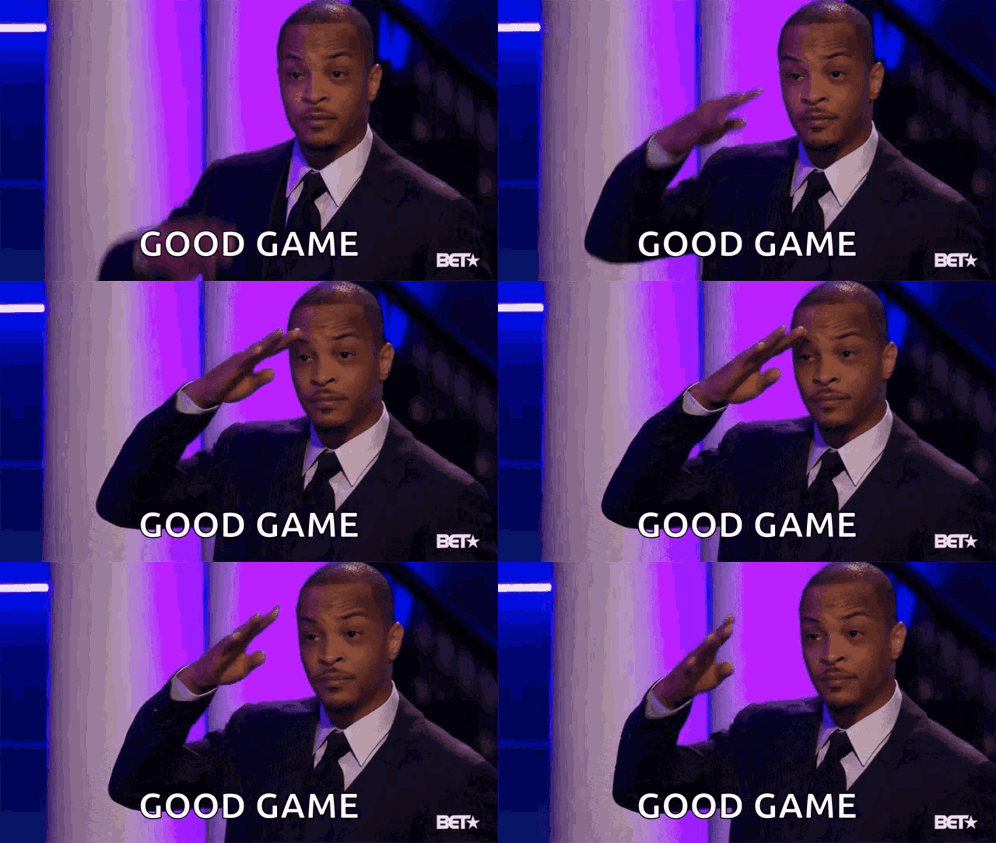
🃏 Why Poker Players Say “Good Game”: The Hidden Meaning Behind a Simple Phrase
In poker, words are rarely wasted. Every bet, every pause, every gesture carries weight — and so do the things players choose to say after the chips are pushed and the cards are mucked.
One of the most common phrases you’ll hear at the table is “Good game” or simply “GG.”
It sounds polite. It sounds harmless. But in poker, nothing is ever just surface‑level.
This article breaks down why players say “good game,” what it signals, and how the phrase functions inside the culture of poker — from live tournaments to online grinders firing 12 tables at once.
🎯 1. It’s a Ritual of Respect — Even When the Game Isn’t “Good”
Poker is a competitive, high‑pressure environment. People get stacked. People get unlucky. People misplay hands they’ll think about for days.
Saying “good game” is the sport’s version of a handshake.
It acknowledges:
- You showed up and battled
- You played with integrity
- You handled the swings
- You were part of the experience
Even if someone busted early, ran cold, or got coolered into oblivion, “GG” is a nod to the shared grind. It’s less about the quality of the cards and more about the respect between competitors.
🔥 2. It’s a Pressure Valve for Emotion
Poker is emotional.
Tournament bust-outs especially can feel like a punch to the ribs.
“Good game” is a socially acceptable way to:
- Release tension
- Close the emotional loop
- Avoid tilting or lashing out
- Reset your mindset before the next event
It’s a small phrase that keeps the environment civil — and keeps players from spiraling into frustration.
🤝 3. It Reinforces Table Image and Social Capital
In live poker, your reputation matters.
People remember who’s gracious and who’s toxic.
Saying “good game” builds:
- A friendly, approachable table image
- A sense of professionalism
- Goodwill with regulars
- A positive presence in the room
Players who consistently show sportsmanship get more action, more conversation, and more respect.
Players who don’t… well, they get the opposite.
🧠 4. It’s a Mental Game Tool
Elite players understand that mindset is an edge.
Saying “GG” after a loss is a subtle form of mental discipline:
- You acknowledge the result without dwelling on it
- You avoid excuses
- You stay focused on long-term EV
- You train yourself to detach from short-term pain
It’s a micro‑habit that reinforces emotional resilience — one of the most underrated skills in tournament poker.
🌐 5. Online Poker Turned “GG” Into a Universal Language
Online poker popularized the shorthand “GG.”
It became the default sign-off in chat boxes, Discord groups, and Twitch streams.
Why it stuck:
- It’s fast
- It’s neutral
- It works whether you won or lost
- It signals you’re part of the poker culture
Even players who never speak at the table will type “GG” when they bust a tournament. It’s become part of the game’s DNA.

🪙 6. Sometimes It’s Strategic — Yes, Really
Poker players are human.
Humans respond to tone, friendliness, and social cues.
A well-timed “good game” can:
- Smooth over a tough beat
- Keep a recreational player happy
- Prevent someone from steaming
- Maintain a friendly dynamic that benefits you later
It’s not manipulative — it’s awareness.
Poker is a social game, and social edges matter.
🏁 7. It Marks the End of a Battle
Tournaments are wars of attrition.
Hours — sometimes days — of grinding, adjusting, surviving, and battling.
When someone says “good game,” they’re acknowledging:
- The shared journey
- The swings you both endured
- The fact that poker is bigger than one hand
It’s closure.
A clean ending to a messy, beautiful, unpredictable competition.
✏️ Final Takeaway
“Good game” isn’t filler.
It’s a cultural handshake, a mental reset, a sign of respect, and a nod to the shared struggle that makes poker what it is.
In a game defined by deception, “GG” is one of the few things players say that’s almost always genuine.
If you enjoyed the article please like, share, comment and subscribe. Thank you and I’ll see you at the tables!
Bluffing 101: A guide to bluffing in 2026
Bluffing in poker remains one of the most powerful — and most misused — tools in 2026. With solvers like GTO Wizard, PioSolver, and newer ones (PeakGTO, GTO Lab) widely available and more affordable than ever, the game has shifted dramatically. Many mid-to-high stakes players defend wider, call lighter with bluff catchers, and punish obvious aggression. Yet bluffing isn’t dead; it’s evolved. The best players bluff smarter, not more often, blending GTO frequencies with sharp exploits against the field.
Whether you’re grinding micro-stakes online, live $1/2 tables in Maryland, or dreaming of bigger games, here’s a practical, up-to-date guide to bluffing effectively in today’s environment.

1. Understand Modern Bluffing Fundamentals (GTO Baseline)
Solvers show bluffing isn’t about “tricking” people — it’s about balance and range advantage.
• Bluff-to-value ratio — On the river in polarized spots, bluff roughly enough so opponents are indifferent to calling with bluff catchers (often ~1 bluff per 2–3 value bets, depending on pot odds).
• Blockers matter hugely — Bluff with hands that block your opponent’s calling range (e.g., A-high bluffs block top pair Ax holdings).
• Board texture dictates frequency — Dry boards (like K72 rainbow) allow more bluffs because value ranges are narrow. Wet/coordinated boards require tighter bluffing.
• Overbetting is standard now — Big river overbets (1.5–2x pot) polarize your range: nuts or air. Use them with strong blockers and when your range looks stronger than villain’s.
In 2026, over-relying on max exploits (e.g., always bluffing stations) burns money against solver-trained regs. Instead, start close to GTO and deviate only when you have clear reads.
2. Best Spots to Bluff in 2026
Target these high-EV opportunities:
• Steal more preflop — 3-bet light wider from the big blind vs late-position opens (especially vs players who fold too much to 3-bets). Mix in some 4-bet bluffs with suited connectors/blockers.
• Float and turn bluff — Call flop with backdoor equity, then bet turn when checked to (classic BlackRain79-style play still crushes low-mid stakes).
• Probe bets / donk bluffs — On scary turn/river cards (e.g., flush completes), donk-lead small from out of position vs passive players who check back too much.
• Capped range exploits — When villain shows weakness (check-check flop/turn), barrel big on rivers where their range caps (no nuts possible).
• ICM pressure in tournaments — Multi-way or bubble spots = more bluffs with strong-but-not-nuts hands (turn missed draws into bluffs).
Avoid bluffing:
• Calling stations / loose players who “won’t fold pairs.”
• When your range is capped (e.g., you checked back flop).
• Into players who rarely bluff themselves (they call lighter to “keep you honest”).
3. Key Tips from Pros Working in 2026
• Table image is still king — If you’re running hot and showing value, your bluffs get through easier. If you’re the table maniac, tighten up — people snap-call.
• Bet sizing tells a story — Make bluffs look like value. Use the same sizes for bluffs and value (e.g., pot-sized on turn for both). In 2026 streams/home games, players notice inconsistent sizing fast.
• Timing tells — Quick bets often scream value or planned bluffs; delays can induce folds if you Hollywood.
• Don’t force it — Bluffing frequency should come from range construction, not ego. Many leaks come from “I need to bluff more” rather than “this spot is +EV.”
• Exploit less, but exploit better — As coaches like Filip Aleksić note, full GTO play beats over-exploiting in tougher fields. Use HUDs/stats to spot under-bluffers (call lighter) and over-bluffers (fold more bluff catchers).
4. Example Hand Breakdown (Modern River Bluff)
Imagine: 100bb effective, you raise BTN with Q♠J♠, BB calls.
• Flop: K♦7♣2♥ (dry) → You c-bet small (33%), BB calls.
• Turn: 4♠ (backdoor flush draw) → You check back (or small bet if aggressive).
• River: A♠ (flush completes, scary card).
Pot is bloated, villain checks. Your range hits the ace hard (AK, AQ), but you have Q-high with the blocker to AA/AK. Overbet jam here — villain folds tons of 88-JJ, weaker Ax that fears the flush. This is a classic polarized bluff that solvers love.
Final Thoughts for 2026
Bluffing wins pots you don’t deserve, but overdoing it kills win rates. Study solvers to learn frequencies, then watch opponents to exploit deviations. Track your red line (aggression without showdown) — if it’s bleeding, bluff less vs calling stations and more vs nits.
The meta keeps shifting toward balance, but human players still fold too much to pressure in the right spots. Master when to apply it, and you’ll keep stacking chips.
What kind of games are you playing most (online cash, live, MTTs)? Any specific bluff spot you’re struggling with? Drop it below — happy to break it down! ♠️
If you enjoyed this article please like, comment share and subscribe. Thanks and see you at the tables!
Understanding GTO in Poker:
What Is GTO in Poker? A Simple 2026 Beginner’s Guide
If you’ve been playing poker in 2026 — whether grinding online micro-stakes, hitting live tables in Vegas or watching streams — you’ve probably heard the term GTO thrown around. It stands for Game Theory Optimal, and it’s one of the biggest game-changers in modern poker.
But what does GTO actually mean? Let’s break it down simply, without the math overload.
GTO Poker Explained in Plain English
GTO is a perfectly balanced strategy that makes you unexploitable. No matter what your opponent does, they can’t gain a long-term edge over you just by adjusting to your play.
Think of it like this:
• In poker, if you bluff too much, opponents start calling lighter and crush you.
• If you never bluff, they fold to every bet and you miss value.
• GTO finds the exact mix of bluffs, value bets, calls, and folds so opponents are indifferent — they can’t profit by changing their strategy against you.
It’s like playing rock-paper-scissors where you randomize perfectly: no one can beat you consistently if you stick to the optimal frequencies.
In poker terms, GTO means:
• Betting the right amount of bluffs vs. value hands in every spot.
• Defending (calling/raising) the perfect percentage against bets.
• Building ranges (groups of hands) that are tough to attack.
The goal? Maximize your expected value (EV) in the long run, even against the best players.
GTO vs. Exploitative Play: Quick Comparison
Most pros in 2026 start with GTO as a baseline (to plug leaks), then deviate exploitatively when they spot clear weaknesses (like calling stations who never fold pairs).
Why GTO Matters So Much in 2026
Thanks to affordable, powerful solvers like GTO Wizard (the top tool right now), PioSolver, PeakGTO, and others, even mid-stakes players study GTO solutions daily. The meta has shifted: regs defend wider, call lighter with bluff-catchers, and punish unbalanced aggression.
If you’re not at least GTO-aware, you’re leaking money in tougher games.
How to Start Using GTO (Without Overwhelm)
1. Learn basics — Focus on preflop ranges first (charts show how often to raise/call/fold from each position).
2. Use tools — GTO Wizard offers instant lookups, trainers, and hand analysis — perfect for beginners to pros.
3. Apply selectively — In soft live games or low-stakes online, exploit more. In reg-heavy fields, stick closer to GTO.
4. Study spots — Review hands: “Was my bluff frequency right here?” instead of “Did villain read me?”
GTO isn’t about playing “perfectly” every hand — it’s about building habits that protect your win rate and let opponents’ mistakes pay you off.
Ready to level up your game? Drop a comment: Are you playing mostly cash, tournaments, or live? What’s one spot where you’re not sure if you’re too tight or too loose?
If you enjoyed this article please like, comment, share and subscribe! Thanks and I’ll see you at the tables!
Exploring the C Bet in Poker
What Exactly Is a Continuation Bet in Poker?
A continuation bet occurs when you raise pre-flop, then bet again on the flop — even if the board didn’t improve your hand.
It’s called a “continuation” because you’re simply continuing the story you started pre-flop: “I have a strong hand.” Your opponents don’t know you missed — and that uncertainty is pure gold.
Why Continuation Bets Are So Important in Poker
A well-timed c-bet serves two massive purposes at once:
1. Taking Down the Pot Immediately
Most flops miss most hands. When you c-bet, you force folds from the majority of opponent ranges that whiffed the board (weak aces, suited connectors, small pairs, etc.).
Result? You win the pot right there without a showdown. In heads-up pots, a standard ⅔-pot c-bet often succeeds 60-70% of the time. That’s massive EV.
2. Gathering Critical Information
Your opponent’s reaction tells you everything:
• Instant fold → They have nothing or a weak draw.
• Quick call → They likely have a marginal made hand or decent draw.
• Raise → They hit big or are bluffing aggressively.
This information shapes your entire plan for the turn and river. You now know whether to double-barrel, check-fold, or value-bet thin.
When Should You Fire That C-Bet?
• You raised pre-flop from early or middle position
• The flop is dry or semi-dry (e.g., K♦ 8♠ 3♥)
• You’re in position against 1-2 opponents
• The board favors your perceived range more than theirs
Pro tip: Even on coordinated boards (flush draws, straight draws), selective c-bets with strong blockers or backdoor equity keep you in control.
Quick Stats That Prove the Power of C-Bets
• Average c-bet frequency for winning regulars: 55-65%
• Expected value of a single successful c-bet: often +0.75 to +1.5 big blinds
• Players who c-bet too little leave money on the table; players who c-bet too much get punished on later streets
Final Thoughts: Make the Continuation Bet Your Default
The continuation bet in poker isn’t just a move — it’s a mindset. It turns marginal hands into winners and turns information into profit. Master the c-bet and you’ll instantly start stealing more pots while reading your opponents like an open book.
Ready to level up your poker game? Start incorporating continuation bets into your sessions today and watch your win rate climb.
What’s your favorite board texture for a c-bet? Drop it in the comments below!
If you enjoyed this article please like, share, comment and subscribe! Thanks, see you at the tables!



Recent Comments