Bluffing 101: A guide to bluffing in 2026
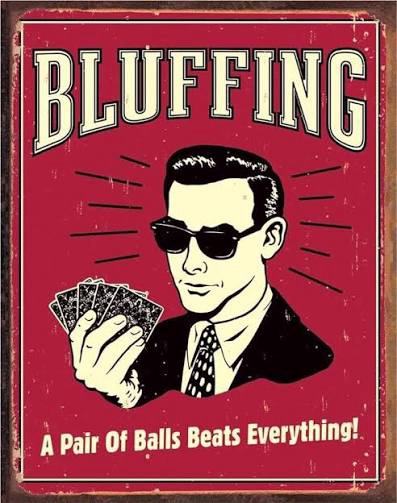
Bluffing in poker remains one of the most powerful — and most misused — tools in 2026. With solvers like GTO Wizard, PioSolver, and newer ones (PeakGTO, GTO Lab) widely available and more affordable than ever, the game has shifted dramatically. Many mid-to-high stakes players defend wider, call lighter with bluff catchers, and punish obvious aggression. Yet bluffing isn’t dead; it’s evolved. The best players bluff smarter, not more often, blending GTO frequencies with sharp exploits against the field.
Whether you’re grinding micro-stakes online, live $1/2 tables in Maryland, or dreaming of bigger games, here’s a practical, up-to-date guide to bluffing effectively in today’s environment.

1. Understand Modern Bluffing Fundamentals (GTO Baseline)
Solvers show bluffing isn’t about “tricking” people — it’s about balance and range advantage.
• Bluff-to-value ratio — On the river in polarized spots, bluff roughly enough so opponents are indifferent to calling with bluff catchers (often ~1 bluff per 2–3 value bets, depending on pot odds).
• Blockers matter hugely — Bluff with hands that block your opponent’s calling range (e.g., A-high bluffs block top pair Ax holdings).
• Board texture dictates frequency — Dry boards (like K72 rainbow) allow more bluffs because value ranges are narrow. Wet/coordinated boards require tighter bluffing.
• Overbetting is standard now — Big river overbets (1.5–2x pot) polarize your range: nuts or air. Use them with strong blockers and when your range looks stronger than villain’s.
In 2026, over-relying on max exploits (e.g., always bluffing stations) burns money against solver-trained regs. Instead, start close to GTO and deviate only when you have clear reads.
2. Best Spots to Bluff in 2026
Target these high-EV opportunities:
• Steal more preflop — 3-bet light wider from the big blind vs late-position opens (especially vs players who fold too much to 3-bets). Mix in some 4-bet bluffs with suited connectors/blockers.
• Float and turn bluff — Call flop with backdoor equity, then bet turn when checked to (classic BlackRain79-style play still crushes low-mid stakes).
• Probe bets / donk bluffs — On scary turn/river cards (e.g., flush completes), donk-lead small from out of position vs passive players who check back too much.
• Capped range exploits — When villain shows weakness (check-check flop/turn), barrel big on rivers where their range caps (no nuts possible).
• ICM pressure in tournaments — Multi-way or bubble spots = more bluffs with strong-but-not-nuts hands (turn missed draws into bluffs).
Avoid bluffing:
• Calling stations / loose players who “won’t fold pairs.”
• When your range is capped (e.g., you checked back flop).
• Into players who rarely bluff themselves (they call lighter to “keep you honest”).
3. Key Tips from Pros Working in 2026
• Table image is still king — If you’re running hot and showing value, your bluffs get through easier. If you’re the table maniac, tighten up — people snap-call.
• Bet sizing tells a story — Make bluffs look like value. Use the same sizes for bluffs and value (e.g., pot-sized on turn for both). In 2026 streams/home games, players notice inconsistent sizing fast.
• Timing tells — Quick bets often scream value or planned bluffs; delays can induce folds if you Hollywood.
• Don’t force it — Bluffing frequency should come from range construction, not ego. Many leaks come from “I need to bluff more” rather than “this spot is +EV.”
• Exploit less, but exploit better — As coaches like Filip Aleksić note, full GTO play beats over-exploiting in tougher fields. Use HUDs/stats to spot under-bluffers (call lighter) and over-bluffers (fold more bluff catchers).
4. Example Hand Breakdown (Modern River Bluff)
Imagine: 100bb effective, you raise BTN with Q♠J♠, BB calls.
• Flop: K♦7♣2♥ (dry) → You c-bet small (33%), BB calls.
• Turn: 4♠ (backdoor flush draw) → You check back (or small bet if aggressive).
• River: A♠ (flush completes, scary card).
Pot is bloated, villain checks. Your range hits the ace hard (AK, AQ), but you have Q-high with the blocker to AA/AK. Overbet jam here — villain folds tons of 88-JJ, weaker Ax that fears the flush. This is a classic polarized bluff that solvers love.
Final Thoughts for 2026
Bluffing wins pots you don’t deserve, but overdoing it kills win rates. Study solvers to learn frequencies, then watch opponents to exploit deviations. Track your red line (aggression without showdown) — if it’s bleeding, bluff less vs calling stations and more vs nits.
The meta keeps shifting toward balance, but human players still fold too much to pressure in the right spots. Master when to apply it, and you’ll keep stacking chips.
What kind of games are you playing most (online cash, live, MTTs)? Any specific bluff spot you’re struggling with? Drop it below — happy to break it down! ♠️
If you enjoyed this article please like, comment share and subscribe. Thanks and see you at the tables!
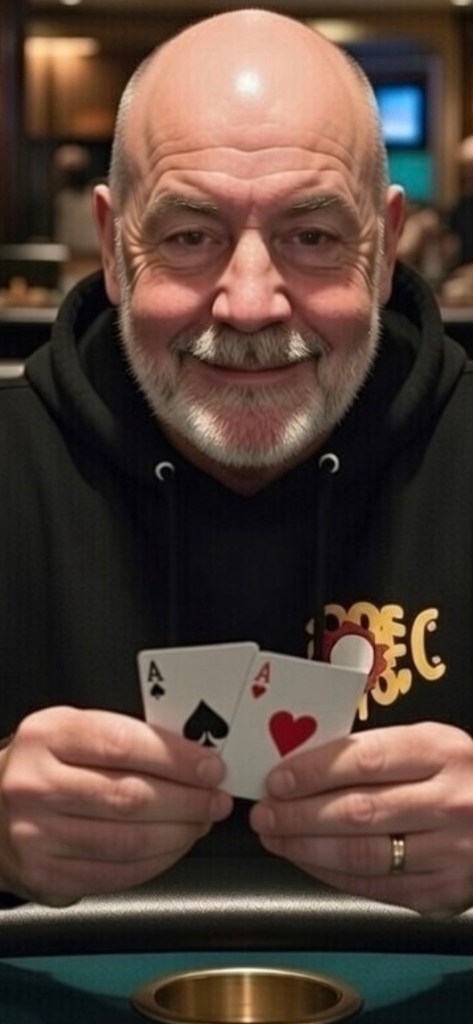

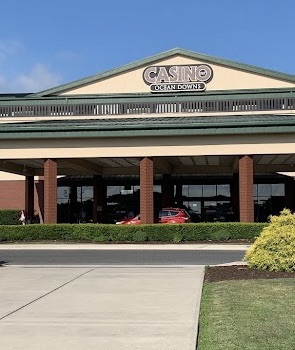
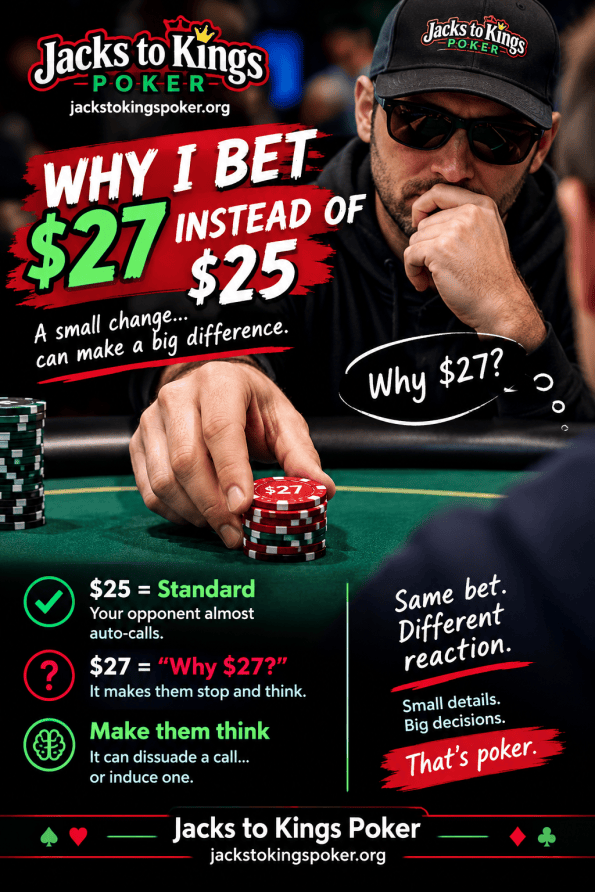

 THE PLAYER IN SEAT 4..
Recent Comments