Archive
Atlantic City trip to Tropicana: August 2026 Day 1
So it’s Dukes birthday and we decided to go to the beach for a few days and river tubing and why not spend a couple days in AC? My amazing wife found an outdoor bounce park on the bay in Margate so all of our kids decided to go! They haven’t really been to AC before so we booked at Tropicana, it’s my new favorite and probably the most Children friendly in my opinion!
We visit Cesar’s properties quite a bit so we were able to get 2 rooms for 2 nights for about $200 since even though we receive comped rooms you still need to cover the taxes and resort fees.
When arrived at 200 we were ready to check in, took like 15 minutes because I wanted to hit the desk and ensure rooms that were adjoining if possible. Otherwise it takes almost seconds with their quick kiosks!
We dropped off our bags and freshened up great ocean view and headed to get something to eat. Tropicana has a great selection of restaurants and an afford court, so it’s actually exciting just to eat! They have Carmines, PF Changs, other high end choices and tucked away I think is the last “Good “ Hooters, several food court choices and my favorite Casa and Tequila Bar! I think my children were overwhelmed so after an eternity of discussion we all agreed on Taco and Tequila. It’s close to the boardwalk and they wanted to explore! Meal as usual was fantastic and the service was great only issue is we can’t get reward points from eating there.


We took the kids on to the boardwalk checked out the beach stopped for candy at Sugar and walked as far as they wanted till their feet hurt and needed to tram car back!

We got back to the room about 930pm and I decided it was time to play cards. Since Tropicana is one of the few places left with a poker room I decided to play there! Great time great action and good play. I made a few bad decisions early actually I got called by a couple of worse hands that hit but sometimes that’s the game and was down to about $70 from my $240 start. I later hit some great hands. Doubled up with jacks then almost tripled up from a huge hand with big raises till I shoved with Rockets after the turn opponent bet out $60, a caller behind him and I shoved putting them both in the tank, one for 5 minutes obv both were on big draws. I ended up leaving at 200m with about $500 bucks as the game started to slow up.


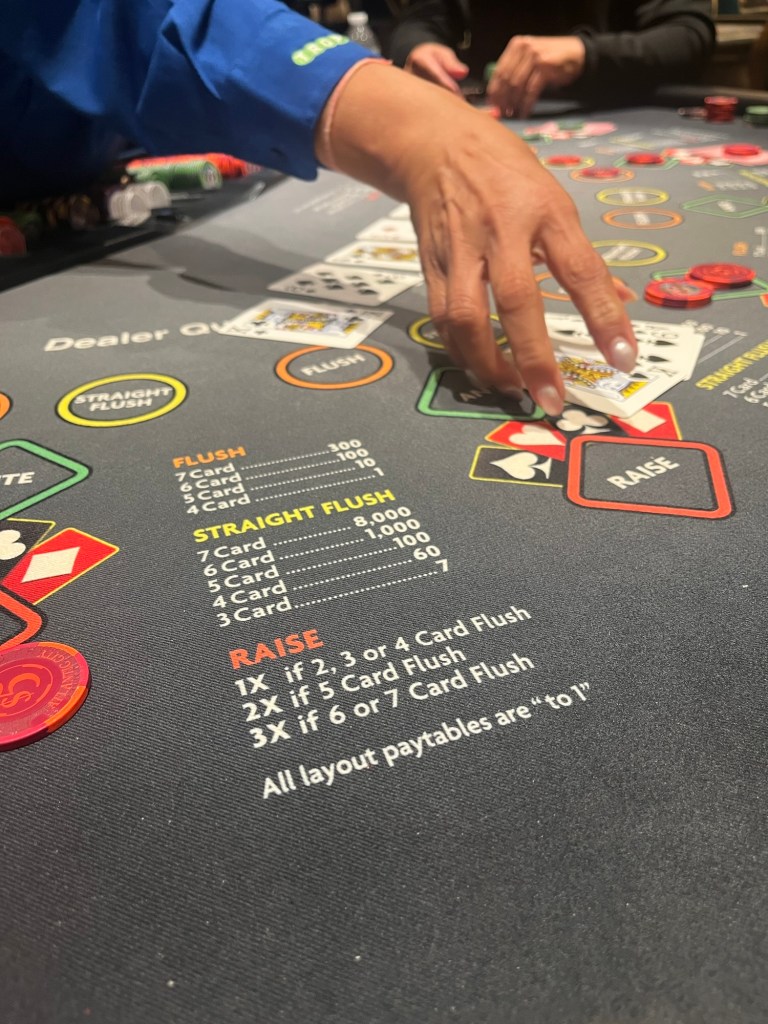
I decided it was time to head to the room but unfortunately for me I walked through the table games! I bought in for $300 on Top Flush and after an hour I had busted, telling me it was definitely bed time. I couldn’t hit a hand to save my life!
Day 2 publishing soon. If you enjoyed this article please like, share, subscribe, comment. Please click on our sponsor links to help keep our blog free! Thanks for reading and I’ll see you at the tables!

Texas Holdem VS. Pot Limit Omaha!
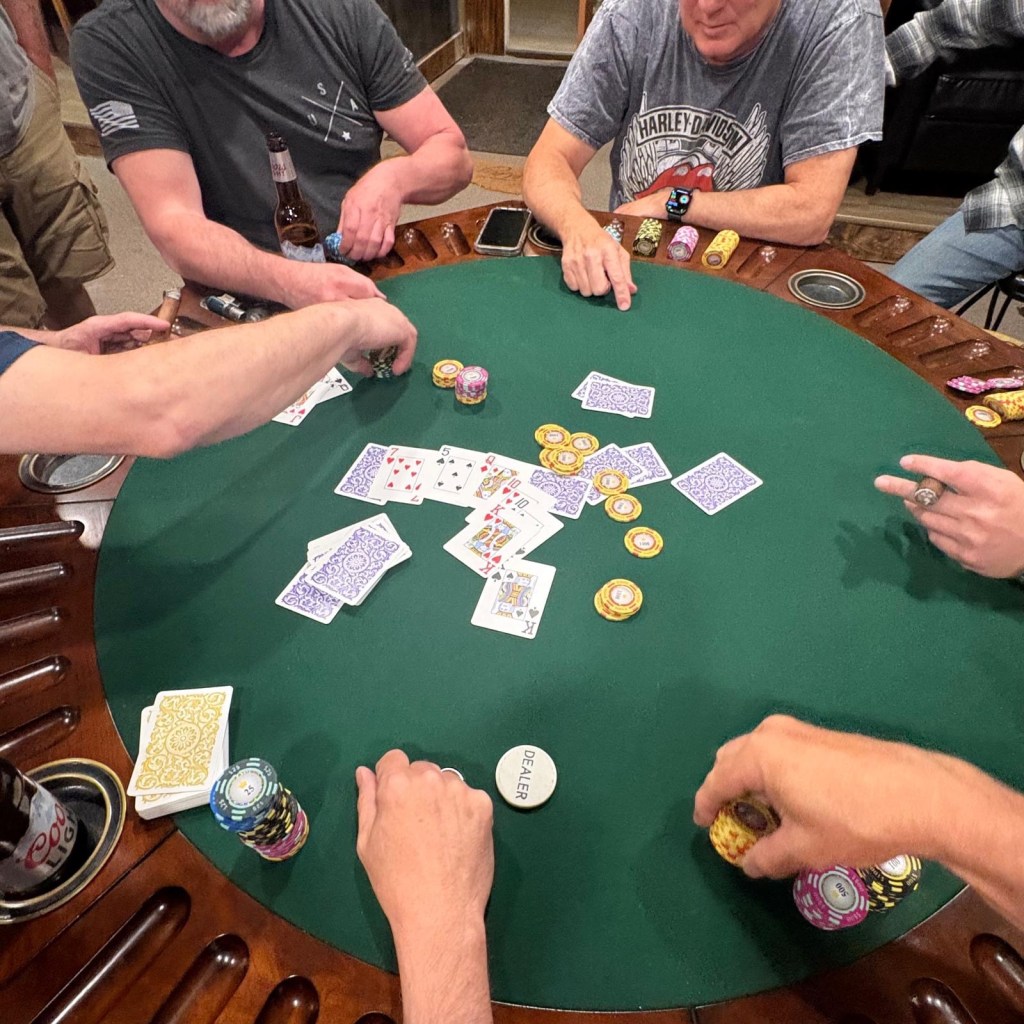
Walk into almost any poker room today, and you’ll find two games dominating the action: Texas Hold’em and Pot Limit Omaha (PLO).
Both games use community cards. Both require skill, patience, and strategy. Yet the similarities stop there.
While Texas Hold’em is known for calculated aggression and straightforward hand reading, Pot Limit Omaha is a game of massive draws, big pots, and constant action.
So which game is right for you?
Let’s compare the two and see what makes each unique.
Texas Hold’em: The World’s Most Popular Poker Game
Texas Hold’em remains the most popular poker variant in the world—and for good reason.
Each player receives two private hole cards, followed by five community cards. Players make the best five-card hand using any combination of those cards.
Hold’em is easy to learn but incredibly difficult to master.
It rewards patience, discipline, position, and strong decision-making.
For beginners, Texas Hold’em is usually the best place to start because the rules are simple and hand values are easier to understand.
Pot Limit Omaha: More Cards, More Action
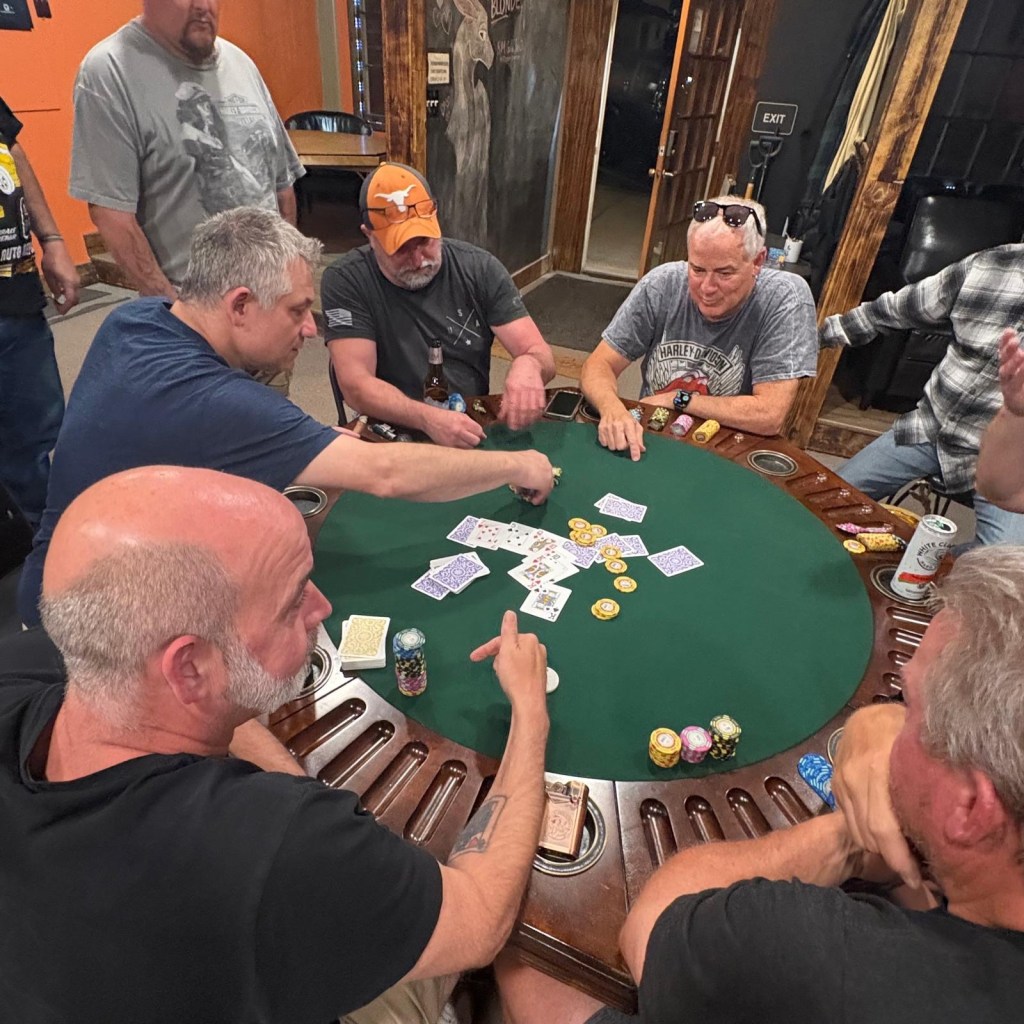
Pot Limit Omaha raises the excitement immediately.
Instead of two hole cards, every player receives four hole cards.
However, there’s one rule every new player must remember:
You must use exactly two of your hole cards and exactly three community cards to make your final hand.
That single rule changes everything.
Because players have four hole cards, they make stronger hands much more often than in Hold’em.
Straights, flushes, full houses, and monster combination draws become common.
If you enjoy action, you’ll probably love PLO.
Starting Hands Matter Differently
In Texas Hold’em, premium starting hands like pocket Aces, Kings, and Ace-King dominate before the flop.
In Pot Limit Omaha, premium hands are built around coordination.
The strongest PLO hands contain connected cards, suited cards, and multiple ways to improve after the flop.
For example:
Strong Hold’em Hand
● A♠ A♥
Strong PLO Hand
● A♠ A♦ K♠ Q♦ (double suited)
Notice the difference?
In Omaha, all four cards need to work together.
Big Hands Happen More Often
One of the biggest shocks for Hold’em players is how often huge hands appear in Omaha.
Top pair that wins comfortably in Hold’em is often worthless in PLO.
Even top set can become vulnerable on coordinated boards.
The winning hand in Omaha is frequently the nuts—the best possible hand.
If you consistently chase second-best hands, Omaha will quickly teach you an expensive lesson.
Betting Structures
Texas Hold’em is most commonly played as No-Limit Hold’em, allowing players to bet all of their chips at any time.
Pot Limit Omaha uses a different betting structure.
The maximum bet is the size of the current pot.
This changes strategy significantly.
Instead of relying on all-in pressure, PLO players focus on building pots, maximizing value, and making disciplined decisions over multiple betting streets.
Variance: Prepare for Bigger Swings
Both games have variance.
Pot Limit Omaha simply has more of it.
Because draws often have substantial equity against made hands, even favorites lose more frequently than many Hold’em players expect.
That doesn’t mean Omaha is luck-based.
It means bankroll management becomes even more important.
Successful PLO players understand that short-term swings are part of the game.
Which Game Requires More Skill?

Poker players have debated this question for years.
Texas Hold’em places a premium on reading opponents, understanding ranges, bluffing, and extracting value with thinner edges.
Pot Limit Omaha demands exceptional hand selection, board reading, equity evaluation, discipline, and an understanding of complex post-flop situations.
Neither game is “easy.”
They simply challenge different poker skills.
The best players often study and enjoy both.
Which Game Should You Play?
Choose Texas Hold’em if you:
● Prefer a slower, more strategic pace.
● Enjoy bluffing and reading opponents.
● Are new to poker.
● Want the widest variety of games and tournaments.
Choose Pot Limit Omaha if you:
● Love action-packed poker.
● Enjoy drawing hands and complex decisions.
● Like deeper post-flop strategy.
● Don’t mind larger bankroll swings.
Many players begin with Hold’em before adding Omaha to their skill set, giving them a broader understanding of poker strategy.
Final Thoughts from The Player in Seat 4
Texas Hold’em and Pot Limit Omaha are both fantastic games, but they reward different approaches.
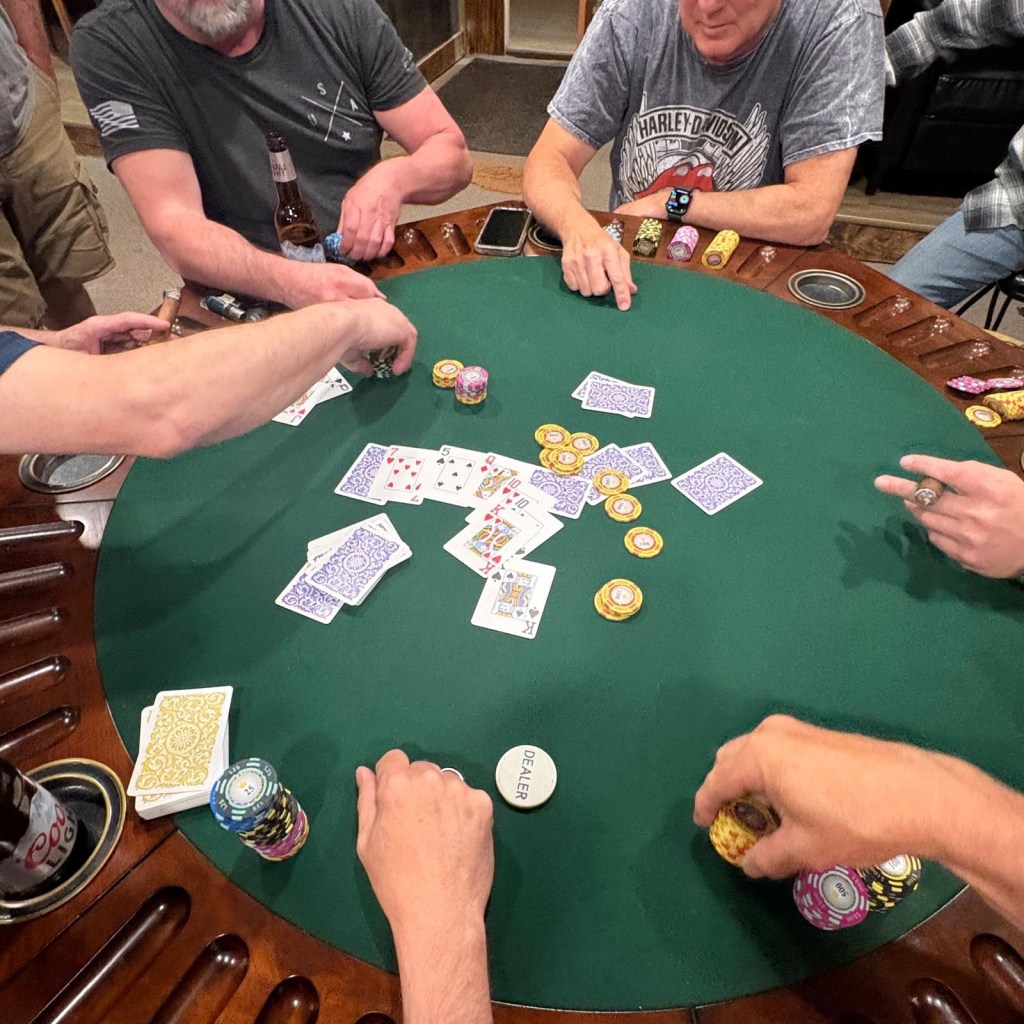
Hold’em is often a game of patience, precision, and calculated aggression.
Pot Limit Omaha rewards coordinated starting hands, nut potential, position, and disciplined post-flop play.
If you’ve never tried PLO, give it a chance. Just don’t expect your Hold’em instincts to translate perfectly.
The players who adapt, continue learning, and respect the differences between the two games are usually the ones stacking chips at the end of the night.
Whether you’re grinding a $1/$2 cash game, chasing tournament glory, or simply looking to improve your overall poker skills, learning both formats will make you a more complete player.
Key Takeaways
● Texas Hold’em uses 2 hole cards; Pot Limit Omaha uses 4 hole cards.
● In PLO, you must use exactly 2 hole cards and 3 community cards.
● Omaha produces stronger hands and larger pots more often.
● Hold’em rewards patience and reading opponents.
● PLO rewards coordinated hands, nut potential, and disciplined post-flop decisions.
● Mastering both games will strengthen your overall poker success
If you enjoyed this article please like, share, comment and subscribe. Please take a second and click on our advertiser links to keep these articles free. Thanks for reading and I’ll see you at the tables!
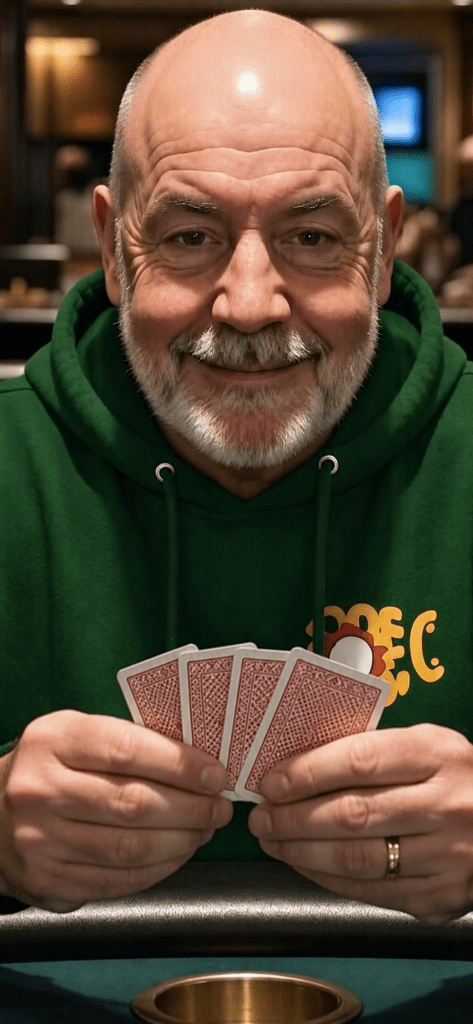
How to Play Pot Limit Omaha: A Beginner’s Guide to PLO Poker
I started writing this series of articles because I wanted to branch out beyond Texas Holdem. I have been seeing more and more casinos offering PLO in poker rooms, so I decided to dig deeper into this poker variation to improve myself and possibly help others . I will review playing basics, best hands to play, bankroll management and distinct differences between PLO and Texas Holdem.
If you have spent most of your poker life playing Texas Hold’em, Pot Limit Omaha can feel like someone suddenly turned the action up to maximum speed.
More cards. Bigger draws. Bigger pots. And yes—sometimes much bigger swings.
Pot Limit Omaha, commonly called PLO, has become a favorite poker game for players who enjoy action and complex post-flop decisions. But before jumping into a PLO game, you need to understand one important fact:
Omaha is not Texas Hold’em with two extra cards.
The Player in Seat 4 is breaking down the basics of how to play Pot Limit Omaha and the simple strategy adjustments beginners should make before putting chips in the middle.
What Is Pot Limit Omaha Poker?
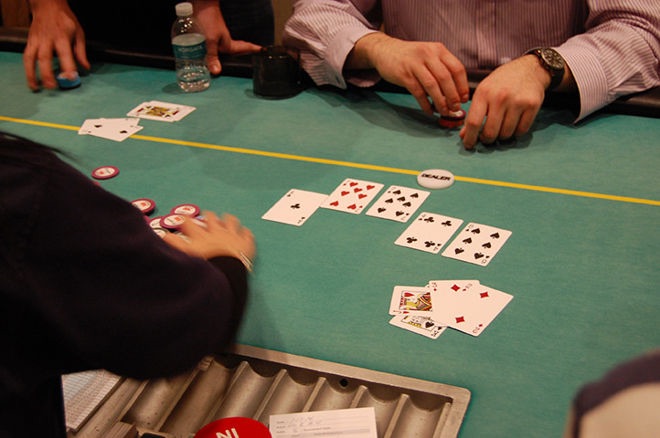
Pot Limit Omaha is a community card poker game similar to Texas Hold’em.
Each player receives four hole cards instead of two. Five community cards are then dealt on the board using the familiar flop, turn, and river format.
Here is the rule every new Omaha player must remember:
You must use exactly TWO cards from your hand and exactly THREE cards from the community board.
Not one card from your hand.
Not three cards from your hand.
Exactly two.
This rule creates plenty of confusion for Hold’em players making the move to Omaha.
For example, if four hearts are showing on the board and you hold only one heart in your hand, you do not have a flush. You must use two hole cards to complete your five-card poker hand.
Learn this rule before you learn anything else about PLO.
Why Is It Called Pot Limit Omaha?
Unlike No Limit Texas Hold’em, you cannot simply shove your entire stack into the middle whenever you want.
The maximum bet or raise is determined by the size of the pot.
This is why the game is called Pot Limit Omaha.
Don’t worry if calculating a pot-sized raise seems confusing at first. In a live poker room, you can simply announce “pot” and the dealer will calculate the correct maximum raise.
The pot-limit structure may sound like it controls the action.
It doesn’t.
PLO pots can grow incredibly fast.
Starting Hand Selection Is Critical in PLO
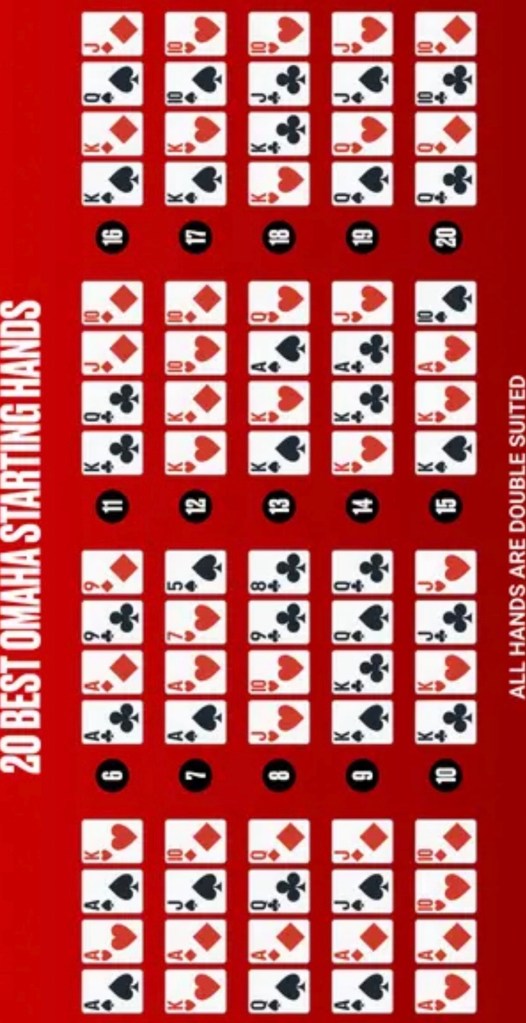
One of the biggest mistakes new Omaha players make is playing too many hands.
Four cards look exciting.
You look down at your hand and immediately start imagining straights, flushes, and full houses.
But not all four-card combinations are created equal.
The best PLO starting hands contain cards that work together.
Hands such as:
A-A-K-Q double suited
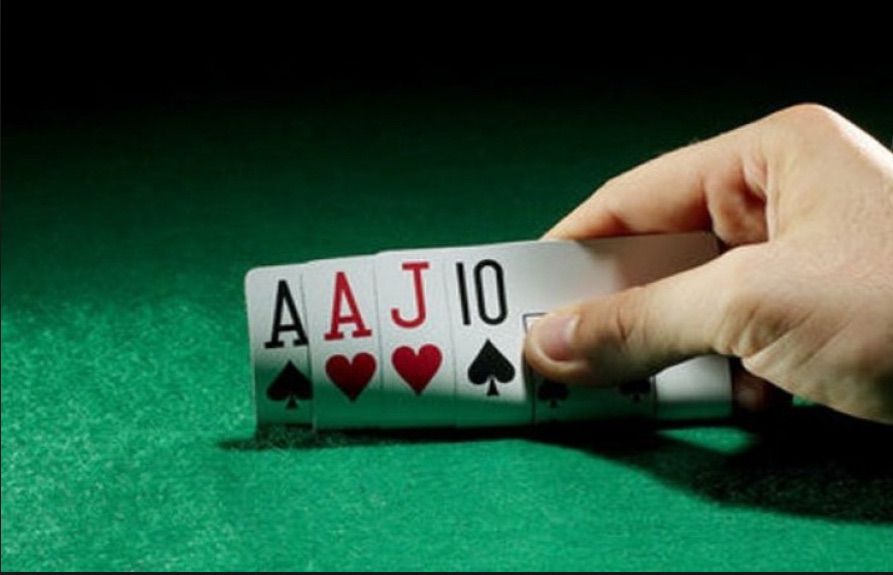
A-A-J-10 double suited
K-Q-J-10 double suited
J-10-9-8 double suited
These hands have multiple ways to connect with the flop.
Compare that to a hand like:
K-8-5-2 rainbow
Yes, you have four cards.
Unfortunately, those four cards have very little connection.
The Player in Seat 4 rule for beginners is simple:
Play four cards that work together—not four cards that simply look playable.
Double-Suited Hands Are Powerful
You will often hear Omaha players describe a hand as double suited.
This means your four-card hand contains two different suited combinations.
For example:
A♠ K♠ J♥ 10♥
You now have two possible flush draws along with straight possibilities.
Double-suited hands are valuable because they give you multiple ways to make strong hands.
But remember—making a flush isn’t always enough in Omaha.
You should constantly be thinking about the nut flush.
In Pot Limit Omaha, Draw to the Nuts
This may be the most important strategy adjustment for Texas Hold’em players.
In Hold’em, a king-high flush can be an incredibly strong hand.
In Omaha?
It might cost you your entire stack.
With four hole cards dealt to every player, opponents have far more combinations available. Strong hands appear much more frequently.
When you are drawing to a flush, ask yourself:
Am I drawing to the best possible flush?
When you are drawing to a straight, ask:
Could someone make a higher straight?
PLO punishes players who repeatedly make the second-best hand.
The second nut flush looks beautiful right up until someone turns over the ace-high flush.
If you enjoyed this post please like, share, comment and subscribe! Please click on our sponsor links to help keep this poker source free. Thanks for reading and I’ll see you at the tables!

How to Tilt Your Opponents in Poker (Without Crossing the Line)

In July I’m trying to write articles around a common theme, the theme is emotional intelligence in poker. We will continue to review different player types and strategies you can utilize to exploit their behaviors and improve your results.
Every poker player has experienced tilt. Whether it’s a bad beat, a missed draw, or a costly mistake, emotions can quickly affect decision-making. The best players know how to stay calm—but they also understand how to recognize when an opponent is tilting and, within the rules and good etiquette, apply pressure that causes even more mistakes.
If you’re looking to improve your Texas Hold’em strategy, learning how to capitalize on an opponent’s frustration can significantly increase your win rate. Here’s how to tilt your opponents the right way.
1. Play Solid, Aggressive Poker
Nothing frustrates opponents more than consistently running into strong hands and well-timed aggression. Raise your premium hands, value bet confidently, and apply pressure when the situation calls for it. Players who are already frustrated often begin calling too wide or making reckless bluffs against aggressive opponents.
A disciplined strategy is one of the most effective ways to create tilt naturally.
2. Stay Calm After Winning Big Pots
When you win a large pot, avoid celebrating or rubbing it in. Simply stack your chips and prepare for the next hand. Ironically, your calm demeanor can frustrate opponents even more because they don’t get the emotional reaction they’re hoping for.
Professional behavior often creates more psychological pressure than trash talk ever will.
3. Put Pressure on Short Stacks
Players with shrinking stacks frequently feel stressed. Continue making fundamentally sound raises when you’re in favorable positions. Tilted players often respond by making desperate all-in moves with weak holdings, giving you profitable opportunities to call with stronger ranges.
Remember: pressure should come from good poker decisions, not intimidation.
4. Let Your Opponents Make Their Own Mistakes
One of the biggest mistakes players make is trying too hard to force action. Instead, be patient. Tilted opponents often bluff too much, chase impossible draws, or overplay marginal hands. Give them the chance to hang themselves rather than forcing the issue.
Poker rewards patience.
5. Maintain a Friendly Table Presence

Being respectful doesn’t prevent you from gaining an edge. Smile, be courteous, and avoid arguments. Players who are already upset may become even more frustrated when they see you remaining composed while they lose control of their emotions.
Good sportsmanship is both ethical and profitable.
6. Recognize the Signs of Tilt
Watch for opponents who:
- Play far more hands than usual.
- Call large bets with weak holdings.
- Raise impulsively after losing a pot.
- Complain about bad luck.
- Show visible frustration or impatience.
Once you identify these signs, tighten your value betting and avoid unnecessary hero calls. Let their emotional decisions work in your favor.
Common Mistakes to Avoid

Trying to intentionally provoke someone with insults, slow rolling, excessive celebration, or disrespectful behavior is bad for the game and can create an uncomfortable atmosphere. The goal is not to upset people personally—it’s to recognize emotional mistakes and respond with fundamentally sound poker.
Winning because your opponents make poor strategic decisions is part of poker. Winning through poor etiquette is not.
Final Thoughts
Learning how to tilt opponents in poker isn’t about mind games or trash talk. It’s about understanding human psychology, recognizing emotional decision-making, and continuing to play disciplined, fundamentally sound poker while others lose focus.
The best players don’t create chaos—they stay composed while everyone else does the opposite. Over the long run, emotional control is one of the biggest edges you can have at the poker table.
If you enjoyed this article please like, share, comment and subscribe! Please click on sponsor ads to help keep our blog free. I hope you enjoyed reading and I’ll see you at the tables!
The Tropicana Poker Room: A Classic Atlantic City Poker Experience
For poker players who love the excitement of Atlantic City without the overwhelming crowds, the poker room at the Tropicana has long been a favorite destination. While it may not be the largest poker room in town, it offers something many players appreciate: a relaxed atmosphere, friendly competition, and plenty of action, especially during weekends.
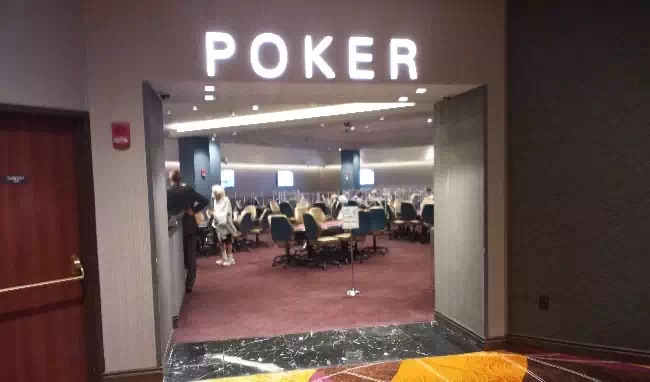
Located just off The Quarter inside the Tropicana, the poker room primarily spreads low-stakes No-Limit Hold’em cash games, making it an excellent choice for recreational players and weekend grinders. The room has earned a reputation for attracting a mix of locals and tourists, creating games that are often less intimidating than those found in larger poker rooms. Many regulars consider the games to be soft, giving patient players plenty of opportunities to build a bankroll. (Poker Wiki)
One of the biggest advantages of playing at the Tropicana is the overall experience. After your poker session, you’re just steps away from restaurants, bars, live entertainment, and the famous Boardwalk. Whether you’re celebrating a winning session or taking a break between games, there is always something to do. The convenience of having everything under one roof makes the Tropicana an ideal destination for a poker getaway.

The poker room itself focuses on cash games rather than tournaments, with $1/$2 No-Limit Hold’em being the most common game and additional stakes sometimes available during busy periods. Weekend evenings typically provide the best action, while weekdays tend to be quieter and attract more regular players.
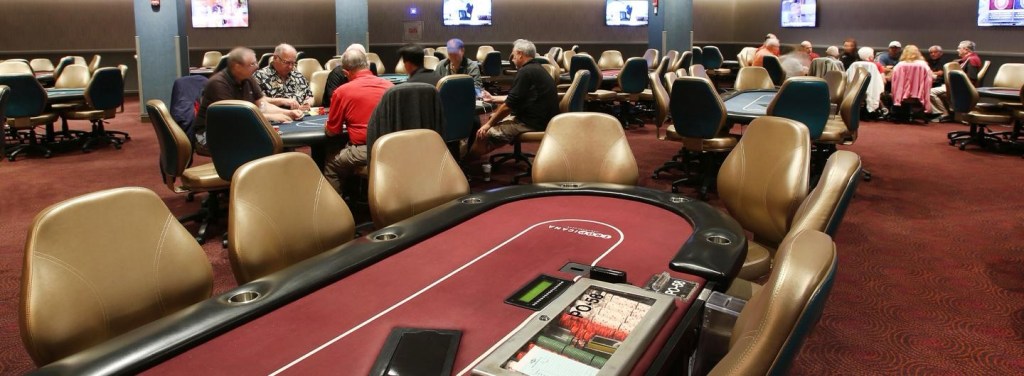
Although many serious professionals gravitate toward larger rooms like Borgata, the Tropicana has carved out its own niche. If your goal is to enjoy a fun session, meet interesting players, and play in a welcoming environment, it’s hard to go wrong. The dealers and staff are generally well regarded, and many visitors return because they enjoy the laid-back atmosphere as much as the poker itself. (Poker Wiki)
Final Thoughts
The Tropicana poker room reminds us that poker isn’t always about chasing the biggest games. Sometimes the best sessions come from good conversations, competitive tables, and the chance to enjoy one of Atlantic City’s classic casino resorts. Whether you’re visiting for the first time or making your annual poker trip to the Jersey Shore, the Tropicana deserves a spot on your list.
What do you think? Have you played at the Tropicana poker room? Share your favorite memories and biggest wins in the comments!
If you enjoyed this article please like,share, comment and subscribe! Thanks for reading and I’ll see you at the tables!
Is 4-Betting Just a Setup to Shove All-In?
In my last post we discussed 3 betting in 2026, what about the 4 bet? If you’ve played enough No-Limit Texas Hold’em, you’ve probably seen the action go raise, 3-bet, and then 4-bet. At lower stakes, many players assume that a 4-bet automatically means someone is committed to getting all of their chips into the middle. But is a 4-bet really just a setup to shove all-in? The answer is: not always.
What Is a 4-Bet?
A 4-bet is the fourth aggressive action before the flop. For example, Player A opens the pot, Player B 3-bets, and Player A responds with a 4-bet. This move is usually made with a very strong hand, but experienced players also include well-timed bluffs in their 4-betting range to stay balanced.
Does a 4-Bet Mean You’re Pot-Committed?
In many $1/$2 and $2/$5 cash games, a large 4-bet often leaves only a pot-sized bet remaining. That means both players may already be committed to the hand, making an all-in shove on the next action very common. However, stack depth matters. With 200 big blinds or more, skilled players can sometimes 4-bet and still fold if faced with overwhelming aggression from an opponent who only continues with premium hands.
When Should You 4-Bet?
The best 4-bets are made for value with premium hands like AA, KK, QQ, and AK against aggressive opponents. Occasionally, adding hands like suited wheel aces (A5s or A4s) as bluffs can make your strategy harder to exploit. The key is understanding your opponent. Against players who only 3-bet monsters, bluff 4-betting is usually a losing play. Against aggressive regulars who 3-bet frequently, well-timed 4-bets can be extremely profitable.
Final Thoughts
A 4-bet is often a step toward playing for stacks, but it isn’t automatically a commitment to shove all-in. Your stack size, your opponent’s tendencies, position, and table dynamics should all influence your decision. Great poker players don’t 4-bet simply because they have a strong hand—they 4-bet because it’s the most profitable play in the situation.
Whether you’re grinding your local $1/$2 cash game or battling tougher $2/$5 players, understanding when a 4-bet is for value, when it’s a bluff, and when it leads to an all-in confrontation will make you a far more dangerous opponent at the table.
If enjoyed this article please like, share, comment and subscribe. Thanks for reading and see you at the tables!
How to Study Poker and Improve Your Game: A Complete Guide for Serious Players

If you’ve ever wondered why some poker players consistently win while others struggle to break even, the answer often comes down to study habits. While experience at the tables is important, the most successful players dedicate time away from the felt to improving their skills. Whether you’re grinding $1/$2 cash games, playing $2/$5 No-Limit Hold’em, or entering poker tournaments, learning how to study poker effectively can dramatically increase your win rate.
Why Studying Poker Matters
Poker is a game of skill, strategy, and continuous adaptation. The players who consistently profit are usually those who spend time analyzing hands, learning new concepts, and correcting mistakes. Simply playing more hours isn’t enough. To become a better poker player, you need a structured approach to poker study.
Review Your Poker Hands
One of the best ways to improve your poker game is by reviewing hand histories after every session. Focus on:
- Large pots won and lost
- Tough river decisions
- Bluffing opportunities
- Spots where you felt uncertain
Ask yourself if you made the most profitable decision with the information available. Over time, you’ll begin identifying recurring mistakes and leaks in your game.
Learn Strong Preflop Strategy
Many costly errors occur before the flop. Understanding proper preflop ranges can instantly improve your results.
Key areas to study include:
- Opening ranges by position
- Blind defense strategy
- 3-betting and 4-betting ranges
- Tournament push-fold charts
Strong preflop fundamentals create easier decisions on later streets and help avoid difficult situations.
Watch Poker Training Videos
Poker training videos are an excellent resource for players looking to improve. Watching experienced players explain their thought process can help you better understand:
- Hand reading
- Bet sizing
- Bluffing frequencies
- Exploitative strategies
- Game theory concepts
To maximize learning, pause the video before key decisions and determine what action you would take.
Join a Poker Study Group

Discussing hands with other players can expose you to new perspectives and strategies. Whether it’s a local poker group, an online forum, or a private study session with friends, collaboration can accelerate improvement.
When sharing hands, include:
- Stack sizes
- Positions
- Betting action
- Opponent tendencies
The goal is not just to know what happened, but to understand why a particular play was correct or incorrect.
Use Poker Software and Tools
Modern poker players have access to powerful software that can help analyze hands and improve decision-making.
Popular study methods include:
- Equity calculators
- Range analyzers
- Poker solvers
- Session tracking software
Even spending a few hours each week studying equity can significantly improve your understanding of poker mathematics and expected value.
Study Your Opponents
Live poker is often about exploiting player tendencies rather than playing perfectly balanced strategy.
Look for common player types such as:
- Calling stations
- Tight-passive players
- Loose-aggressive players
- Recreational players
Taking notes and recognizing patterns can help you make better adjustments and maximize profits.
Improve Your Mental Game
Many poker players focus entirely on strategy while ignoring the mental side of the game. However, tilt and emotional decision-making can quickly erase hours of good play.
To strengthen your mental game:
- Accept short-term variance
- Focus on decision quality
- Practice bankroll management
- Take breaks when frustrated
- Maintain realistic expectations
The ability to remain disciplined during losing sessions is often what separates winning players from losing players.
Track Your Results
Successful poker players track their performance over time. Keeping records allows you to identify strengths, weaknesses, and trends in your game.
Track:
- Hours played
- Profit and loss
- Stakes played
- Win rate
- Session notes
Accurate records provide valuable insight into your long-term progress and help keep emotions out of the equation.
Final Thoughts

Learning how to study poker effectively is one of the biggest edges a player can develop. The combination of hand reviews, preflop study, training videos, software analysis, opponent observation, and mental game work creates a foundation for long-term success.
If you’re serious about becoming a winning poker player, consider dedicating at least one hour of study for every five hours played. Over time, that investment can lead to better decisions, fewer mistakes, and increased profits at the poker table.
If you enjoyed this article please like, share, comment and subscribe. Thanks for reading and I’ll see you at the tables!
Understanding GTO in Poker:
What Is GTO in Poker? A Simple 2026 Beginner’s Guide
If you’ve been playing poker in 2026 — whether grinding online micro-stakes, hitting live tables in Vegas or watching streams — you’ve probably heard the term GTO thrown around. It stands for Game Theory Optimal, and it’s one of the biggest game-changers in modern poker.
But what does GTO actually mean? Let’s break it down simply, without the math overload.

GTO Poker Explained in Plain English
GTO is a perfectly balanced strategy that makes you unexploitable. No matter what your opponent does, they can’t gain a long-term edge over you just by adjusting to your play.
Think of it like this:
• In poker, if you bluff too much, opponents start calling lighter and crush you.
• If you never bluff, they fold to every bet and you miss value.
• GTO finds the exact mix of bluffs, value bets, calls, and folds so opponents are indifferent — they can’t profit by changing their strategy against you.
It’s like playing rock-paper-scissors where you randomize perfectly: no one can beat you consistently if you stick to the optimal frequencies.
In poker terms, GTO means:
• Betting the right amount of bluffs vs. value hands in every spot.
• Defending (calling/raising) the perfect percentage against bets.
• Building ranges (groups of hands) that are tough to attack.
The goal? Maximize your expected value (EV) in the long run, even against the best players.
GTO vs. Exploitative Play: Quick Comparison
Most pros in 2026 start with GTO as a baseline (to plug leaks), then deviate exploitatively when they spot clear weaknesses (like calling stations who never fold pairs).
Why GTO Matters So Much in 2026
Thanks to affordable, powerful solvers like GTO Wizard (the top tool right now), PioSolver, PeakGTO, and others, even mid-stakes players study GTO solutions daily. The meta has shifted: regs defend wider, call lighter with bluff-catchers, and punish unbalanced aggression.
If you’re not at least GTO-aware, you’re leaking money in tougher games.
How to Start Using GTO (Without Overwhelm)
1. Learn basics — Focus on preflop ranges first (charts show how often to raise/call/fold from each position).
2. Use tools — GTO Wizard offers instant lookups, trainers, and hand analysis — perfect for beginners to pros.
3. Apply selectively — In soft live games or low-stakes online, exploit more. In reg-heavy fields, stick closer to GTO.
4. Study spots — Review hands: “Was my bluff frequency right here?” instead of “Did villain read me?”
GTO isn’t about playing “perfectly” every hand — it’s about building habits that protect your win rate and let opponents’ mistakes pay you off.
Ready to level up your game? Drop a comment: Are you playing mostly cash, tournaments, or live? What’s one spot where you’re not sure if you’re too tight or too loose?
If you enjoyed this article please like, comment, share and subscribe! Thanks and I’ll see you at the tables!
Atlantic City Trip Day 2
Woke up and checked out of Cesars they were really great about us leaving early and going to a different casino.
We decided to drive to Margate and see Lucy the elephant, I was told about this from a friend,which was really cool. I have to admit though I thought it was going to be a real elephant, I was wrong but still really great site to see.

Driving to Tropicana we saw a fire truck headed to the hotel but honestly thought nothing of it. We are in line at the front desk when a young man says I just came down to get a new room , um mines flooded from the sprinklers going off due to a fire or something, I’m not sure because I’m still hung over. My wife quickly asked what tower because I hope we’re not staying there! The young man was super cool and it appears he and the other guests involved will be well taken care of!
My wife and I go to check in and in my haste last night to find a different room accidentally booked March 19 by mistake. Host was super amazing and quickly sorted it out and we were booked in minutes.

Finally had a chance to play cards so I bought in min for $2/$5 well $600, I was looking for good action but not a call fest. I played for a few hours up down couldn’t make anything work, eventually lost when I rammed 77 into a caller on a straight and a flush draw, I had hit a set on the flop. I shoved my stack and got called for a river straight. The pot was already $70 plus preflop so I figured my set was good…
Overall nice poker room, fun, mixed batch of players, good pace and well run!
Anyway spent the rest of the night hanging out with my wife, great few days so I’ll call it a win!
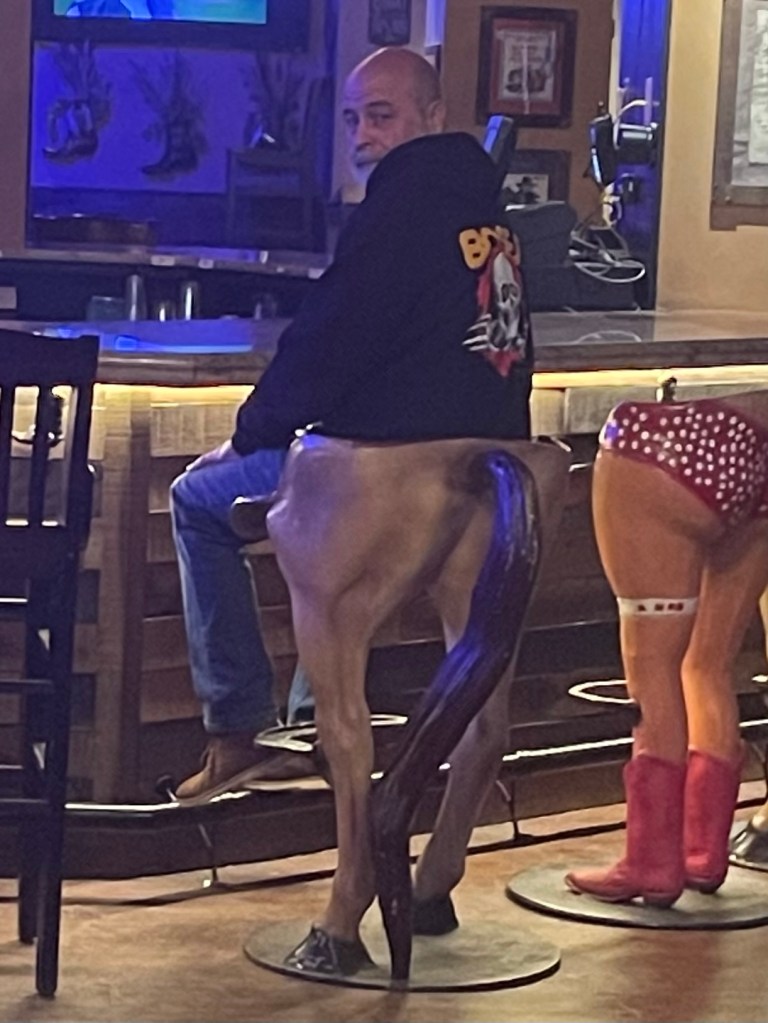
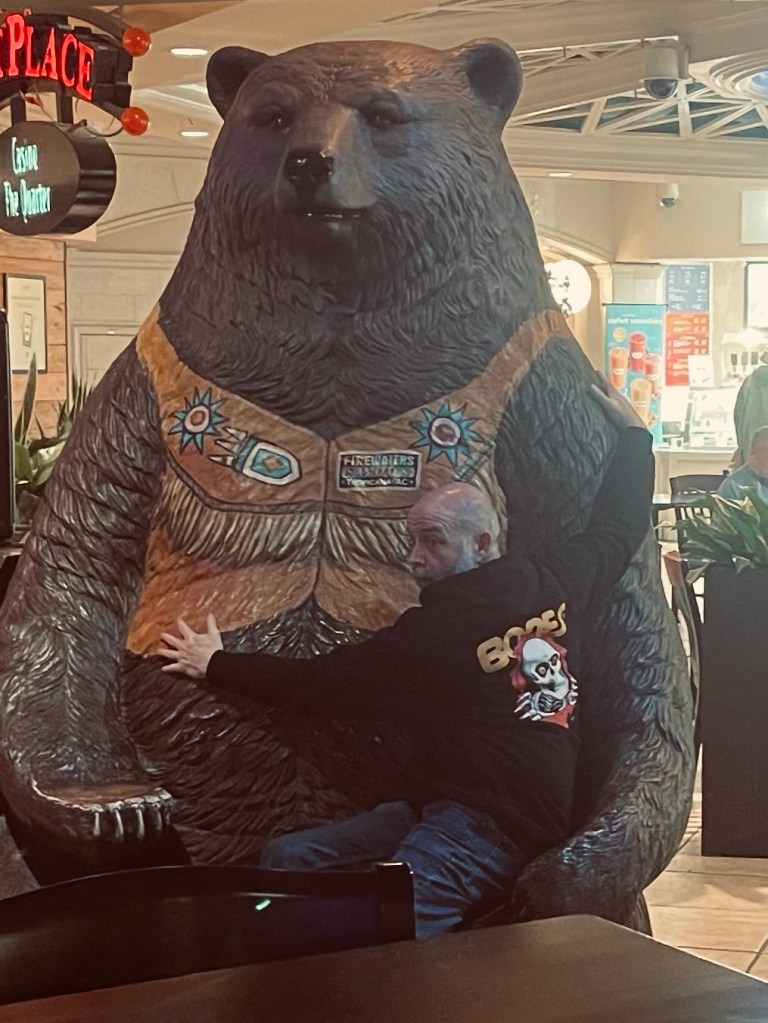
If you liked this article please like, share or subscribe. Thank you and I’ll see you at the tables!

Atlantic City trip Day 1
So over the past week won a Super Bowl block for $175 then managed to spin that up to $1000. Playing cards between Perryville poker room and a Championship tournament in my local home game. Decided to get out of town with my wife for a couple days to Atlantic City.

We normally stay at Harrahs because we are always treated great there, practically locals in our favorite Poker bar “ the exhibition bar”. However my wife wanted a change of pace so we booked Cesars for 2 nights…
First off it’s a Wednesday so maybe that’s part of it, but no poker room was definitely a miss. Even the poker room at Ballys next door would have been okay but that’s gone too? Shame on me for not doing my research however the website says poker but it’s now only the dealer table game version Ultimate Texas holdem.
Poker Bar was great instantly served drinks while you play didn’t have to wait for the “ green light” and the bartender was amazing. played on the machines there and then I headed to the tables. Played Ultimate Texas Holdem and ended up +$200. My wife text me she was hungry it was 600pm so ok let’s eat however the only place open was Ramsays Pub? Don’t get me wrong I love Gordon, my brother has even met him, but the only restaurant I’ve ever had a complaint about in AC is the only place open in this huge casino at 600pm?
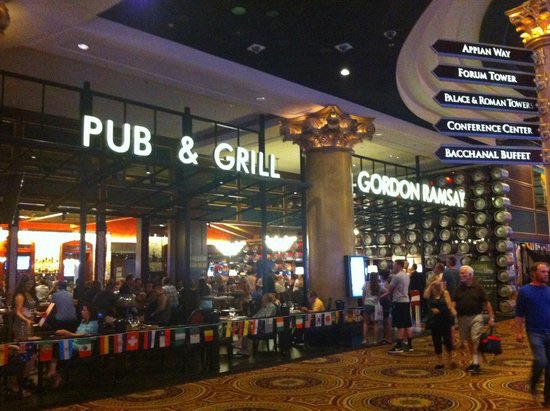

The meal was really good,my wife had a burger and I had fish and chips. Then went back to the tables tried to play Ultimate Texas Holdem again but the only table open was full. I played Top Flush, then 3 card poker both of which I hardly won more than 2 hands, lost $200 on each game! I did try to get even on craps but I should have just bet for 4 rollers to hit craps on 2 rolls each.
I decided to go back to the room and chill for a bit.. which really means lick my wounds. After talking to my wife for a bit we decided to change hotels so tomorrow we will be at Tropicana, nice room and more places to eat. My wife doesn’t really gamble so enjoying a nice dining experience is her jam!
We will see how it goes. Better food options and a poker room, so hopefully a better experience!
So for my poker followers, Cesars is not it! Great room just not the games that I was looking to play.
For Future reference the only poker rooms in AC are:
Borgata
Harrahs
Tropicana
If you enjoyed this article please like, share and subscribe. Thank you and see you at the tables!

What kind of Poker Player are you?

Understanding Poker Player Types: Casual, Recreational, and Regular Players Explained
In the world of poker, knowing the different types of poker players can give you a real edge at the table. Whether you’re a beginner searching for poker playing styles or a seasoned grinder looking to exploit poker players, understanding categories like casual poker player, recreational poker player, and poker regular is key. These poker player types influence game dynamics, strategy, and even where you choose to play—be it online poker sites, live casinos, or home games. In this guide, we’ll break down each type with brief descriptions, highlighting their motivations, habits, and how they fit into the broader poker strategy ecosystem.
What Is a Casual Poker Player?
A casual poker player is the epitome of low-commitment fun in the game. These players dip into poker sporadically, often treating it like any other leisure activity—think someone who joins a friendly home game during holidays or logs into a free online poker app when bored. Their primary goal isn’t winning big; it’s simply enjoying the social vibe or killing time.
Key traits of a casual poker player:
• Frequency: Plays infrequently, maybe a few times a year.
• Strategy: Minimal knowledge beyond basic rules; decisions are gut-based, leading to common mistakes like chasing unlikely draws.
• Mindset: Low stakes, no bankroll management—losses are just part of the entertainment.
• Impact on Games: They add unpredictability but aren’t consistent enough to be reliable “action” providers.
If you’re searching for beginner poker tips, starting as a casual player is a low-pressure way to learn without the grind.
What Is a Recreational Poker Player (Rec)?
Often abbreviated as “rec,” a recreational poker player takes the hobby a step further than casuals. These are the enthusiasts who play for the thrill and social interaction, viewing poker as a fun escape rather than a job. In poker lingo, recs are the “fish” that keep games juicy, as they prioritize enjoyment over profit.
Brief description of a recreational poker player:
• Frequency: Regular sessions, like weekly casino visits or online games a few times a month.
• Strategy: Basic understanding of hands, but prone to loose calls and speculative plays—think overvaluing suited connectors in video poker or live settings.
• Mindset: Accepts long-term losses as the “cost of fun,” similar to a night out. They might watch poker streams or follow pros for entertainment.
• Impact on Games: Essential for the ecosystem; pros love tables full of recs because they’re exploitable with solid poker strategy.
Recs embody the spirit of free poker games but with real money on the line, making them a staple in discussions about poker player differences.
What Is a Regular Poker Player (Reg)?
A poker regular, or “reg,” represents the more serious side of non-pro play. These players treat poker as a consistent pursuit, often aiming to break even or profit over time. They’re the familiar faces at local card rooms or online tables, grinding sessions with discipline.
Essential traits of a poker regular:
• Frequency: Plays frequently, sometimes daily, with a routine schedule.
• Strategy: Employs structured approaches like tight-aggressive (TAG) or loose-aggressive (LAG) styles, focusing on stats, position, and reads to exploit poker players.
• Mindset: Bankroll-focused, with goals for improvement—might use tools like HUDs or study resources to refine their game.
• Impact on Games: They stabilize tables but can make them tougher; regs often spot and avoid each other, targeting recs and casuals instead.
For those researching poker terms or advancing from casual play, becoming a reg involves mastering essential poker math and player reads.
Key Differences Between Casual, Rec, and Regular Poker Players
To sum up the poker player types:
• Casual vs. Recreational: Casuals play rarely and passively, while recs are more engaged hobbyists who show up often but still prioritize fun over strategy.
• Recreational vs. Regular: Recs lose money long-term for enjoyment, whereas regs aim for sustainability or profit through disciplined play.
• Overall: Casuals bring whimsy, recs fuel the action, and regs provide the challenge—together, they create balanced, exciting games.
Understanding these types of poker players can transform your sessions. If you’re a casual poker player eyeing progression, start by observing regs at free poker games to pick up tips. For regs, spotting recs is your path to profitability.
Whether you’re into online poker or live tournaments, recognizing these categories enhances your experience. What’s your poker player type? Share in the comments below!
Thank you for reading this article. If you enjoyed it please like, comment or subscribe! See you at the table!

Pros and Cons Poker Room at the Borgata

The Borgata Poker Room in Atlantic City, New Jersey, is widely regarded as one of the premier poker destinations on the East Coast. Located inside the luxurious Borgata Hotel Casino & Spa (an MGM property), it stands out as the largest and most active poker room in AC, often described as a “Vegas-style” experience outside of Las Vegas. With around 52 tables (sources vary slightly on exact count, but it’s consistently the biggest in the region), it’s open 24/7 and attracts a mix of recreational players, regulars, and pros.
Whether you’re a casual visitor or a serious grinder, the room has a lot going for it—but like any poker venue, it’s not perfect. Here’s a balanced look at the pros and cons based on player reviews, industry sites, and recent feedback.
Pros of the Borgata Poker Room
1. Size and Action Availability
The room is massive and spacious, with high ceilings, good lighting, and a dedicated, smoke-free environment separated from the main casino floor. Games run around the clock, and there’s almost always action available—especially in popular stakes like $1/$2 or $1/$3 No-Limit Hold’em. Players frequently praise the short wait times and reliable game starts, even on weekdays.
2. Tournament Excellence
Borgata is a tournament powerhouse. It hosts major series like the Borgata Poker Open and Winter Poker Open, with huge guarantees (often millions in prize pools) that draw top talent and big fields. Daily tournaments offer variety for all bankrolls, making it a go-to for tournament enthusiasts.
3. Game Variety and Stakes
Beyond standard NLHE, you’ll find Omaha, mixed games, and higher-stakes options. The room spreads more high-stakes action than most AC competitors. Bad beat jackpots, high-hand bonuses, and promotions add extra excitement and value.
4. Comfort and Amenities
The setup is player-friendly: USB charging ports at tables, comfortable chairs (with recent upgrades noted), its own restrooms, and proximity to dining options. Free drinks are standard (tip your servers), and the overall vibe is clean, professional, and upscale—many call it the “best in AC” or even a favorite in the U.S.
5. Overall Reputation
Longtime players and reviews from sites like PokerAtlas, Upswing Poker, and PokerNews often rank it as the top East Coast room (outside Vegas), with consistent praise for efficiency, competent dealers/floor staff, and a lively yet serious atmosphere.
Cons of the Borgata Poker Room
1. Game Toughness
The room attracts many serious and professional players, especially off-peak (weekdays or quieter hours). Games can be nitty or tough, with fewer “soft” recreational fish compared to some other venues. Some regulars note that softer action is more reliable on busy weekends or during big events.
2. Staff and Management Issues (Mixed Feedback)
While many praise the dealers and floor, recent reviews (including Reddit threads) mention disorganization, low dealer morale, slow service at times, or inconsistent rulings. Some players feel the room has declined in management quality compared to its peak years.
3. Minor Annoyances
TVs mounted high on ceilings make them hard to view comfortably. Some complain about the sportsbook/horse betting integration feeling intrusive if it’s near the entrance. Comps and rewards (via MGM) can be underwhelming for lower-stakes or non-high-volume players.
4. Crowds and Atmosphere During Peaks
It gets busy during tournaments or weekends, which is great for action but can lead to longer waits for preferred stakes or a more crowded feel. The sterile, serious vibe appeals to pros but might feel less “fun” to casual players compared to smaller, chattier rooms.
5. Location-Specific Quirks
As part of a high-end resort, parking, crowds in the casino, and AC’s general vibe (travel, costs) can be drawbacks for some. Recent feedback suggests renovations (new felt, chairs, TVs) are improving things, but not everyone agrees the changes have fully restored its “best on the East Coast” status.
Final Thoughts
The Borgata Poker Room remains a top-tier choice for live poker in Atlantic City and the Northeast—especially if you value big action, major tournaments, and a professional setup. It’s particularly strong for tournament players and those who don’t mind tougher games in exchange for consistent availability and upscale amenities.
If you’re a recreational player seeking softer, looser games, you might find better spots elsewhere (like some regional casinos outside AC). But for most, the pros outweigh the cons, and it’s still frequently called the best room in town.
Personally I love playing here, great poker room with an incredible vibe. Good competitive play!
Have you played there recently? What’s your take on the games or the vibe? If you’re planning a trip, it’s definitely worth checking out—especially during one of their big series!

If you enjoyed this article please like, comment or share. Subscribe for additional articles. Thank you and see you at the tables

Potomac Winter Open begins this February!!
Get Ready for Winter’s Hottest Poker Action: The 2026 Potomac Winter Poker Open
Every February, poker players from across the region and beyond make a beeline for Maryland’s premier gambling destination — and 2026 is shaping up to be one of the biggest years yet. The Potomac Winter Poker Open is returning to MGM National Harbor from February 11–23, 2026, delivering more competitive action, bigger prize pools, and a fresh tournament format designed to appeal to recreational players and seasoned pros alike.
🎲 What’s New in 2026
This year’s series brings a refreshed format crafted to elevate the experience for everyone involved. For the first time, tournaments will be held directly on the casino floor in The Poker Room — putting the action front and center amid the buzz of the MGM’s gaming atmosphere.
Highlights include:
23 trophied events over 13 action-packed days. A strong mix of multi-day tournaments and mixed-game formats that test a range of poker skills. A Charity Series of Poker (CSOP) designed to give back to the community while keeping competition fierce.
Whether you’re chasing the glory of a hard-fought tournament win or just looking to enjoy some low-stress tables with friends, the series has something for every type of player.
🏆 Featured Events
While the full schedule is packed with intriguing stops, a few key events promise to be particularly big draws:
💰 Opener with a Major Guarantee
The series kicks off with a big Opener event featuring a $500,000 guaranteed prize pool and multiple starting flights — perfect for players who want plenty of chances to make deep runs.
⭐ Main Event
The $3,000 buy-in Main Event is always the marquee headliner. This year it comes with a $750,000 guaranteed prize pool and multiple starting flights designed to build excitement and attract a competitive field.
🎯 Mixed Games & Specialty Events
In addition to No-Limit Hold’em staples, the schedule features:
Tag Team poker — partner up and take on the field. Seniors and Super Seniors events — celebrating experienced players with age-specific buy-ins. Women’s event — promoting inclusion and community competition. Mixed game formats like Big O, PLO, and 8-Game Mix for players who like variety.
These additions make the tournament more than just a typical No-Limit Hold’em grind — they bring diversity, strategy, and new ways to enjoy the game.
📍 Why It Matters
The Potomac Winter Poker Open is more than just a tournament — it’s become one of the East Coast’s signature winter poker festivals. Held against the stunning backdrop of the Potomac River and just a short ride from Washington, D.C., the event draws a wide mix of seasoned pros, regional regulars, and ambitious newcomers, creating an electric atmosphere that’s as social as it is competitive.
In past years, the series has drawn hundreds of players and featured memorable stories — like deep runs and big chops in the Main Event — and 2026 is expected to continue that tradition with an even broader slate of events.
🧳 Planning Your Trip
If you’re thinking of heading down, here are a few tips:
Book early — MGM National Harbor hotels and nearby accommodations tend to fill fast during poker festivals. Study the schedule — with so many events on the calendar, planning which tournaments you want to enter can save money and energy. Play smart — these festivals are marathons, not sprints. Know your buy-in budget and pace yourself.
Whether you’re chasing glory in the Main Event, trying your hand at mixed games, or just soaking in the poker community vibe, this year’s Potomac Winter Poker Open promises something for everyone.
🃏 Final Thoughts
From its expanded schedule to its fresh new competitive formats, the 2026 Potomac Winter Poker Open is shaping up to be one of the must-play poker series of the winter season. Mark your calendars for February 11–23, sharpen your strategy, and get ready to shuffle up and deal in Maryland this February!
If you enjoyed this article please like, share, comment and subscribe! Thanks and I’ll see you at the tables!

General Poker table etiquette
Poker table etiquette helps keep the game enjoyable, fair, and flowing smoothly for everyone—whether you’re at a casino, home game, or tournament. Good manners show respect for the dealers, staff, and fellow players, and they prevent unnecessary tension or delays.
Here are the most important guidelines to follow:
Act in Turn and Pay Attention
Always wait for your turn before acting (betting, calling, folding, etc.). Acting out of turn can give unfair information or disrupt the action. Stay focused on the hand—even when you’ve folded—so you don’t miss your turn later. If you’re unsure, ask the dealer for clarification.
Be Clear and Deliberate with Actions
Announce your intentions verbally (“raise to $50,” “all-in,” “call”) before moving chips. Avoid “string bets” (reaching for more chips after already putting some forward). Place bets neatly in front of you—don’t “splash the pot” by throwing chips haphazardly into the center.
Don’t Slow Roll
When you win a big pot, don’t deliberately delay showing your winning hand to build suspense or taunt opponents. Flip your cards promptly when called or at showdown. Slow rolling is one of the most disliked behaviors in poker.
Respect the Table and Players
• Keep conversation friendly and avoid excessive trash talk, especially when someone is on tilt.
• Don’t criticize other players’ decisions or give unsolicited advice.
• Protect your cards and stack—keep chips organized and don’t touch other players’ cards or chips.
• One player to a hand: Don’t discuss strategy or show hole cards while a hand is ongoing.
Phone and Distractions
Step away from the table for phone calls or important texts. Constant phone use slows the game and annoys others. Many casinos require you to leave the table for calls anyway.
Tipping and Leaving
Tip the dealer when you win pots (especially big ones)—a small toke is standard in live games. If you need to leave, say a quick goodbye and cash out politely. Avoid “hit and run” tactics (buying in, winning a big pot quickly, then immediately leaving), which can frustrate regulars.
General Courtesy
• Be gracious in both victory and defeat—don’t gloat or berate others.
• Keep the table clean—no food/drink spills, no excessive profanity if the table vibe doesn’t support it.
• If you’re new, feel free to ask the dealer questions—most are happy to help beginners.
Following these simple rules makes you a welcome player at any table. Poker is social, and good etiquette keeps the atmosphere positive and the action moving. Good luck—and may your bluffs always get through! ♠️
These are basic, I’ll cover the difference between a casino and home game etiquette in a future article!
If you enjoyed this article please like, comment, share or subscribe! Thank you and see you at the tables!

Limit Holdem compared to No Limit:Which should I play?
Limit Texas Hold’em vs No-Limit Texas Hold’em ($1/$2 Blinds Comparison)
If you play live or online poker, chances are you’ve sat in a $1/$2 Texas Hold’em cash game. But not all $1/$2 games are the same. One big decision players face is choosing between Limit Texas Hold’em and No-Limit Texas Hold’em. While the rules are identical, the strategy, risk, and profit potential couldn’t be more different.
Let’s break down how $1/$2 Limit Hold’em compares to $1/$2 No-Limit Hold’em and which game might be better for your style.
$1/$2 Limit Texas Hold’em Strategy
In $1/$2 Limit Hold’em, betting is fixed. Preflop and flop bets are $1, while turn and river bets are $2. You can’t overbet the pot or shove all-in, which means players see more flops and hands often go to showdown.
At these stakes, winning players focus on:
Playing tight preflop Value betting strong hands Calculating pot odds and implied odds Avoiding costly hero calls
Because bet sizes are controlled, variance is lower, making $1/$2 Limit Hold’em a popular choice for bankroll management and long sessions.
$1/$2 No-Limit Texas Hold’em Strategy
$1/$2 No-Limit Hold’em is the most popular cash game in poker rooms. Here, you can bet any amount up to your entire stack, which adds a whole new layer of complexity.
Key skills in $1/$2 No-Limit games include:
Using position to apply pressure Sizing bets correctly Bluffing and semi-bluffing effectively Managing stack sizes and SPR (stack-to-pot ratio)
One mistake can cost your entire stack, but one well-timed bluff can win a massive pot. That’s why $1/$2 No-Limit Hold’em has higher variance but also a higher earning potential.
Limit vs No-Limit: Which $1/$2 Game Is Better?
Choose Limit Hold’em if you prefer low-risk, math-based poker and longer sessions Choose No-Limit Hold’em if you enjoy aggression, big pots, and exploiting mistakes
Both games reward skill, but $1/$2 No-Limit Hold’em favors creativity, while $1/$2 Limit Hold’em rewards consistency.
Final Thoughts
Whether you’re grinding a $1/$2 Limit Hold’em cash game or battling in $1/$2 No-Limit Texas Hold’em, understanding the differences will help you choose the game that fits your bankroll and personality.
The best game isn’t about the stakes—it’s about playing the format you can beat.
♠️♣️♥️♦️
I played mostly Limit Holdem for a few years to become more comfortable with playing in a poker room. This helped me better understand position, betting and general poker etiquette. God idea to learn to walk before you run.
If you liked this article please like, share or subscribe! Thank you and I’ll see you at the tables!



 THE PLAYER IN SEAT 4..
Recent Comments