Archive
Texas Holdem VS. Pot Limit Omaha!
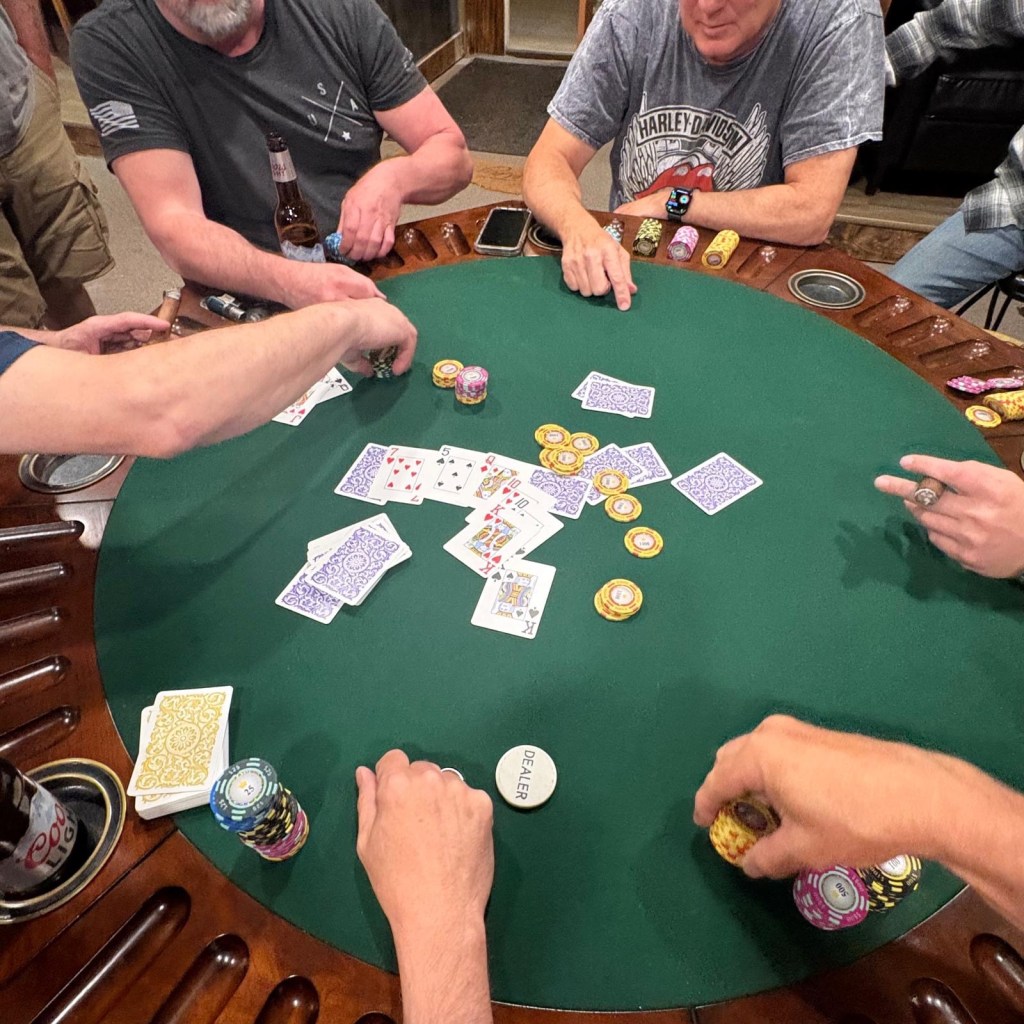
Walk into almost any poker room today, and you’ll find two games dominating the action: Texas Hold’em and Pot Limit Omaha (PLO).
Both games use community cards. Both require skill, patience, and strategy. Yet the similarities stop there.
While Texas Hold’em is known for calculated aggression and straightforward hand reading, Pot Limit Omaha is a game of massive draws, big pots, and constant action.
So which game is right for you?
Let’s compare the two and see what makes each unique.
Texas Hold’em: The World’s Most Popular Poker Game
Texas Hold’em remains the most popular poker variant in the world—and for good reason.
Each player receives two private hole cards, followed by five community cards. Players make the best five-card hand using any combination of those cards.
Hold’em is easy to learn but incredibly difficult to master.
It rewards patience, discipline, position, and strong decision-making.
For beginners, Texas Hold’em is usually the best place to start because the rules are simple and hand values are easier to understand.
Pot Limit Omaha: More Cards, More Action
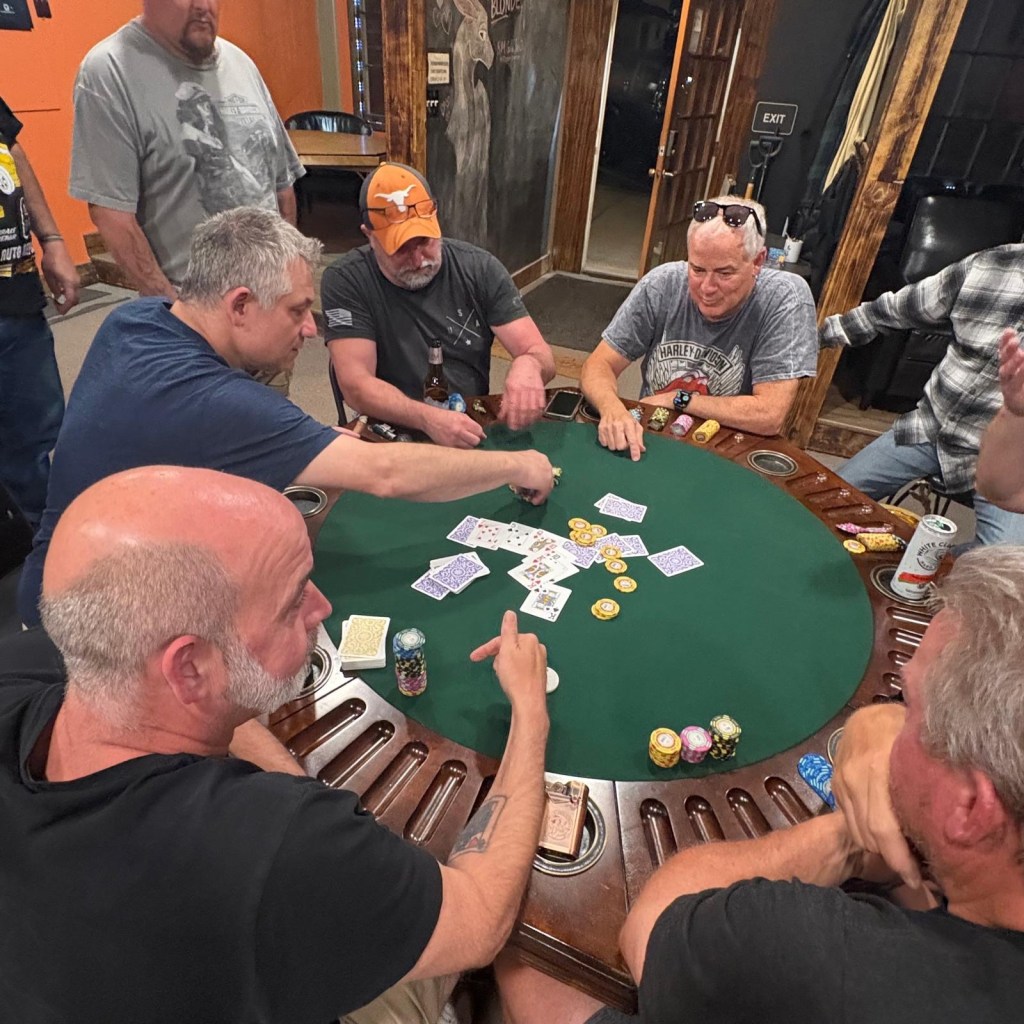
Pot Limit Omaha raises the excitement immediately.
Instead of two hole cards, every player receives four hole cards.
However, there’s one rule every new player must remember:
You must use exactly two of your hole cards and exactly three community cards to make your final hand.
That single rule changes everything.
Because players have four hole cards, they make stronger hands much more often than in Hold’em.
Straights, flushes, full houses, and monster combination draws become common.
If you enjoy action, you’ll probably love PLO.
Starting Hands Matter Differently
In Texas Hold’em, premium starting hands like pocket Aces, Kings, and Ace-King dominate before the flop.
In Pot Limit Omaha, premium hands are built around coordination.
The strongest PLO hands contain connected cards, suited cards, and multiple ways to improve after the flop.
For example:
Strong Hold’em Hand
● A♠ A♥
Strong PLO Hand
● A♠ A♦ K♠ Q♦ (double suited)
Notice the difference?
In Omaha, all four cards need to work together.
Big Hands Happen More Often
One of the biggest shocks for Hold’em players is how often huge hands appear in Omaha.
Top pair that wins comfortably in Hold’em is often worthless in PLO.
Even top set can become vulnerable on coordinated boards.
The winning hand in Omaha is frequently the nuts—the best possible hand.
If you consistently chase second-best hands, Omaha will quickly teach you an expensive lesson.
Betting Structures
Texas Hold’em is most commonly played as No-Limit Hold’em, allowing players to bet all of their chips at any time.
Pot Limit Omaha uses a different betting structure.
The maximum bet is the size of the current pot.
This changes strategy significantly.
Instead of relying on all-in pressure, PLO players focus on building pots, maximizing value, and making disciplined decisions over multiple betting streets.
Variance: Prepare for Bigger Swings
Both games have variance.
Pot Limit Omaha simply has more of it.
Because draws often have substantial equity against made hands, even favorites lose more frequently than many Hold’em players expect.
That doesn’t mean Omaha is luck-based.
It means bankroll management becomes even more important.
Successful PLO players understand that short-term swings are part of the game.
Which Game Requires More Skill?

Poker players have debated this question for years.
Texas Hold’em places a premium on reading opponents, understanding ranges, bluffing, and extracting value with thinner edges.
Pot Limit Omaha demands exceptional hand selection, board reading, equity evaluation, discipline, and an understanding of complex post-flop situations.
Neither game is “easy.”
They simply challenge different poker skills.
The best players often study and enjoy both.
Which Game Should You Play?
Choose Texas Hold’em if you:
● Prefer a slower, more strategic pace.
● Enjoy bluffing and reading opponents.
● Are new to poker.
● Want the widest variety of games and tournaments.
Choose Pot Limit Omaha if you:
● Love action-packed poker.
● Enjoy drawing hands and complex decisions.
● Like deeper post-flop strategy.
● Don’t mind larger bankroll swings.
Many players begin with Hold’em before adding Omaha to their skill set, giving them a broader understanding of poker strategy.
Final Thoughts from The Player in Seat 4
Texas Hold’em and Pot Limit Omaha are both fantastic games, but they reward different approaches.
Hold’em is often a game of patience, precision, and calculated aggression.
Pot Limit Omaha rewards coordinated starting hands, nut potential, position, and disciplined post-flop play.
If you’ve never tried PLO, give it a chance. Just don’t expect your Hold’em instincts to translate perfectly.
The players who adapt, continue learning, and respect the differences between the two games are usually the ones stacking chips at the end of the night.
Whether you’re grinding a $1/$2 cash game, chasing tournament glory, or simply looking to improve your overall poker skills, learning both formats will make you a more complete player.
Key Takeaways
● Texas Hold’em uses 2 hole cards; Pot Limit Omaha uses 4 hole cards.
● In PLO, you must use exactly 2 hole cards and 3 community cards.
● Omaha produces stronger hands and larger pots more often.
● Hold’em rewards patience and reading opponents.
● PLO rewards coordinated hands, nut potential, and disciplined post-flop decisions.
● Mastering both games will strengthen your overall poker success
If you enjoyed this article please like, share, comment and subscribe. Please take a second and click on our advertiser links to keep these articles free. Thanks for reading and I’ll see you at the tables!

Stop Losing at Pot Limit Omaha! The 10 Biggest Mistakes Texas Hold’em Players Make in PLO

If you’ve spent years crushing Texas Hold’em and think you’ll automatically dominate Pot Limit Omaha (PLO), think again.
Every day, experienced Hold’em players sit down in a PLO game convinced they’re bringing a huge edge to the table. A few hours later, they’re wondering where their bankroll went.
The truth is simple: Pot Limit Omaha is an entirely different game.
The skills you’ve developed playing Hold’em certainly help, but many habits that make you a winning Hold’em player can become costly mistakes in PLO.
If you’re making the transition, avoid these ten common mistakes and you’ll give yourself a much better chance of becoming a winning Omaha player.
1. Overvaluing Pocket Aces
In Texas Hold’em, pocket aces are the undisputed king of starting hands.
In Pot Limit Omaha, they’re only as good as the other two cards.
A hand like A♠ A♥ K♠ Q♥ double-suited is a monster because it has premium flush and straight potential.
A hand like A♠ A♦ 7♣ 2♥ rainbow? Not nearly as exciting.
Many Hold’em players stack off simply because they have aces.
In Omaha, always evaluate all four cards—not just the pair.
2. Playing Too Many Starting Hands
Four hole cards create endless possibilities.
Unfortunately, they also create endless bad decisions.
Many Hold’em players believe that four cards automatically mean more playable hands.
Wrong.
Winning PLO players are selective. They look for hands that work together with connected cards, suited combinations, and nut-making potential.
Disconnected hands belong in the muck.
3. Falling in Love with Top Two Pair
Top two pair is often a powerhouse in Hold’em.
In Omaha?
It’s frequently a bluff catcher.
Because every player starts with four cards, strong made hands happen much more often. Sets, straights, bigger two-pair combinations, and monster draws are everywhere.
If you’re stacking off with top two pair in PLO, prepare for some expensive lessons.
4. Chasing Non-Nut Draws

may be the biggest adjustment for Hold’em players. Second-best flushes.
Bottom ends of straights.
Weak full houses.
These hands often lose huge pots.
Winning PLO players constantly ask themselves:
“Am I drawing to the nuts?”
If the answer is no, proceed carefully.
5. Ignoring Position
Position is valuable in every form of poker.
In Pot Limit Omaha, it becomes even more important.
The extra combinations mean more difficult decisions on every street.
Playing in position allows you to gather information before risking chips.
Playing out of position forces you to guess.
Good Omaha players guess less.
6. Overplaying Sets
Flopping top set feels incredible.
Until the board runs out:
9♠ 10♠ J♦ Q♣ K♠
Welcome to Omaha.
Sets remain strong, but they become vulnerable very quickly on coordinated boards.
Always ask yourself what draws your opponents could realistically have.
7. Ignoring Board Texture
Hold’em players often think:
“I have top set.”
Omaha players think:
“What does this board hit?”
Every flop should trigger questions.
Is it coordinated?
Are flushes possible?
How many straight combinations exist?
Could multiple players have monster draws?
Reading board texture separates winning PLO players from losing ones.
8. Betting Like It’s No-Limit Hold’em
PLO uses pot-limit betting.
That changes strategy dramatically.
You cannot pressure opponents by moving all-in whenever you choose.
Instead, successful players build pots strategically over multiple streets while paying close attention to stack-to-pot ratios.
Learning proper pot control is a huge step toward becoming a winning Omaha player.
9. Underestimating Variance
Even when you’re a favorite, you’ll lose.
Often.
Monster draws frequently have significant equity against made hands.
That means swings are much larger than many Hold’em players expect.
Don’t panic after a losing session.
Stick to sound strategy and protect your bankroll.
10. Refusing to Adapt
This is the mistake that ties all the others together.
Too many players try to force Hold’em strategy into an Omaha game.
PLO rewards flexibility.
It rewards patience.
It rewards discipline.
The sooner you stop thinking like a Hold’em player, the sooner you’ll start winning at Omaha.
Final Thoughts from The Player in Seat 4

Pot Limit Omaha isn’t simply “Texas Hold’em with four cards.”
It’s a game built around nut hands, powerful draws, position, discipline, and careful hand selection.
The biggest winners in PLO aren’t always the most aggressive players—they’re the ones who consistently avoid expensive mistakes.
If you’re transitioning from Hold’em, take your time. Study the game, respect the action, and remember that every hand offers more possibilities—for both you and your opponents.
Master these ten adjustments, and you’ll already be ahead of many players making the same transition.
Join the Conversation
Which mistake do you see most often when Texas Hold’em players try Pot Limit Omaha? Share your thoughts in the comments!
For more strategy articles, cash game tips, tournament advice, and poker psychology, visit The Player in Seat 4 at jackstokingspoker.org.
If you enjoyed this article please like, comment, share and subscribe. Please click on our sponsor ads to keep our articles free. Thank you for reading and I’ll see you at the tables!

How to Play Pot Limit Omaha: A Beginner’s Guide to PLO Poker

I started writing this series of articles because I wanted to branch out beyond Texas Holdem. I have been seeing more and more casinos offering PLO in poker rooms, so I decided to dig deeper into this poker variation to improve myself and possibly help others . I will review playing basics, best hands to play, bankroll management and distinct differences between PLO and Texas Holdem.
If you have spent most of your poker life playing Texas Hold’em, Pot Limit Omaha can feel like someone suddenly turned the action up to maximum speed.
More cards. Bigger draws. Bigger pots. And yes—sometimes much bigger swings.
Pot Limit Omaha, commonly called PLO, has become a favorite poker game for players who enjoy action and complex post-flop decisions. But before jumping into a PLO game, you need to understand one important fact:
Omaha is not Texas Hold’em with two extra cards.
The Player in Seat 4 is breaking down the basics of how to play Pot Limit Omaha and the simple strategy adjustments beginners should make before putting chips in the middle.
What Is Pot Limit Omaha Poker?
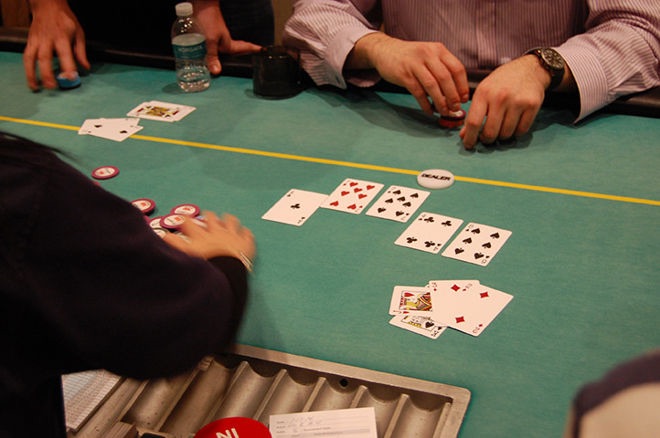
Pot Limit Omaha is a community card poker game similar to Texas Hold’em.
Each player receives four hole cards instead of two. Five community cards are then dealt on the board using the familiar flop, turn, and river format.
Here is the rule every new Omaha player must remember:
You must use exactly TWO cards from your hand and exactly THREE cards from the community board.
Not one card from your hand.
Not three cards from your hand.
Exactly two.
This rule creates plenty of confusion for Hold’em players making the move to Omaha.
For example, if four hearts are showing on the board and you hold only one heart in your hand, you do not have a flush. You must use two hole cards to complete your five-card poker hand.
Learn this rule before you learn anything else about PLO.
Why Is It Called Pot Limit Omaha?
Unlike No Limit Texas Hold’em, you cannot simply shove your entire stack into the middle whenever you want.
The maximum bet or raise is determined by the size of the pot.
This is why the game is called Pot Limit Omaha.
Don’t worry if calculating a pot-sized raise seems confusing at first. In a live poker room, you can simply announce “pot” and the dealer will calculate the correct maximum raise.
The pot-limit structure may sound like it controls the action.
It doesn’t.
PLO pots can grow incredibly fast.
Starting Hand Selection Is Critical in PLO
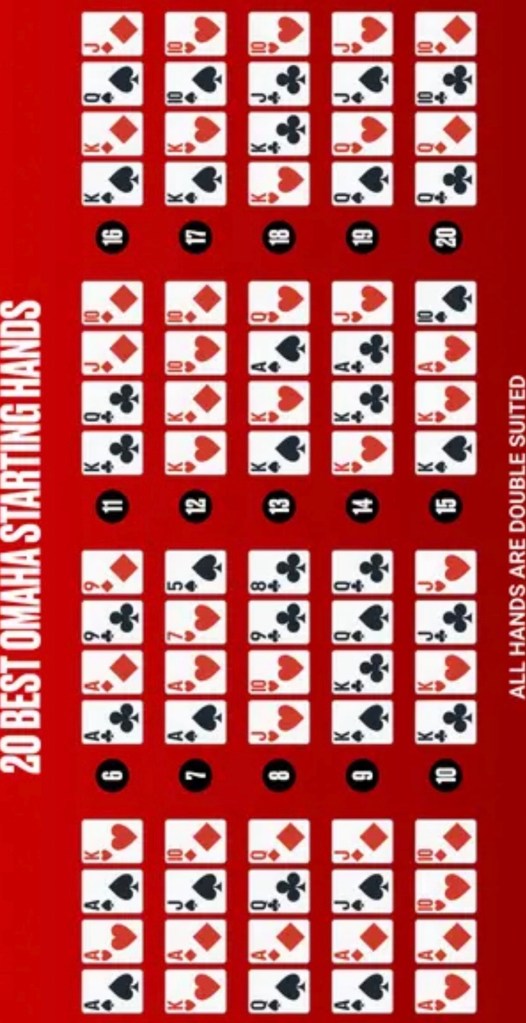
One of the biggest mistakes new Omaha players make is playing too many hands.
Four cards look exciting.
You look down at your hand and immediately start imagining straights, flushes, and full houses.
But not all four-card combinations are created equal.
The best PLO starting hands contain cards that work together.
Hands such as:
A-A-K-Q double suited
A-A-J-10 double suited
K-Q-J-10 double suited
J-10-9-8 double suited
These hands have multiple ways to connect with the flop.
Compare that to a hand like:
K-8-5-2 rainbow
Yes, you have four cards.
Unfortunately, those four cards have very little connection.
The Player in Seat 4 rule for beginners is simple:
Play four cards that work together—not four cards that simply look playable.
Double-Suited Hands Are Powerful
You will often hear Omaha players describe a hand as double suited.
This means your four-card hand contains two different suited combinations.
For example:
A♠ K♠ J♥ 10♥
You now have two possible flush draws along with straight possibilities.
Double-suited hands are valuable because they give you multiple ways to make strong hands.
But remember—making a flush isn’t always enough in Omaha.
You should constantly be thinking about the nut flush.
In Pot Limit Omaha, Draw to the Nuts
This may be the most important strategy adjustment for Texas Hold’em players.
In Hold’em, a king-high flush can be an incredibly strong hand.
In Omaha?
It might cost you your entire stack.
With four hole cards dealt to every player, opponents have far more combinations available. Strong hands appear much more frequently.
When you are drawing to a flush, ask yourself:
Am I drawing to the best possible flush?
When you are drawing to a straight, ask:
Could someone make a higher straight?
PLO punishes players who repeatedly make the second-best hand.
The second nut flush looks beautiful right up until someone turns over the ace-high flush.
If you enjoyed this post please like, share, comment and subscribe! Please click on our sponsor links to help keep this poker source free. Thanks for reading and I’ll see you at the tables!



 THE PLAYER IN SEAT 4..
Recent Comments