Archive
Texas Holdem VS. Pot Limit Omaha!
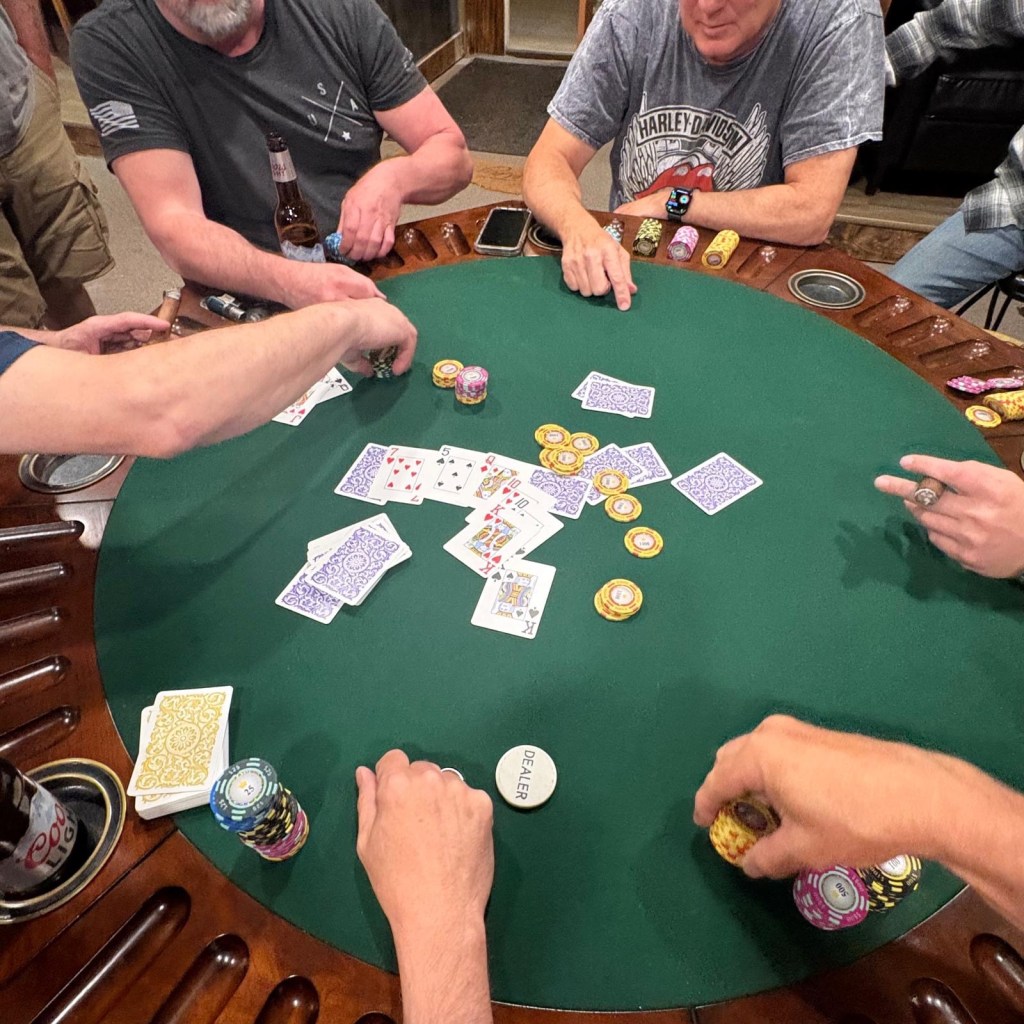
Walk into almost any poker room today, and you’ll find two games dominating the action: Texas Hold’em and Pot Limit Omaha (PLO).
Both games use community cards. Both require skill, patience, and strategy. Yet the similarities stop there.
While Texas Hold’em is known for calculated aggression and straightforward hand reading, Pot Limit Omaha is a game of massive draws, big pots, and constant action.
So which game is right for you?
Let’s compare the two and see what makes each unique.
Texas Hold’em: The World’s Most Popular Poker Game
Texas Hold’em remains the most popular poker variant in the world—and for good reason.
Each player receives two private hole cards, followed by five community cards. Players make the best five-card hand using any combination of those cards.
Hold’em is easy to learn but incredibly difficult to master.
It rewards patience, discipline, position, and strong decision-making.
For beginners, Texas Hold’em is usually the best place to start because the rules are simple and hand values are easier to understand.
Pot Limit Omaha: More Cards, More Action
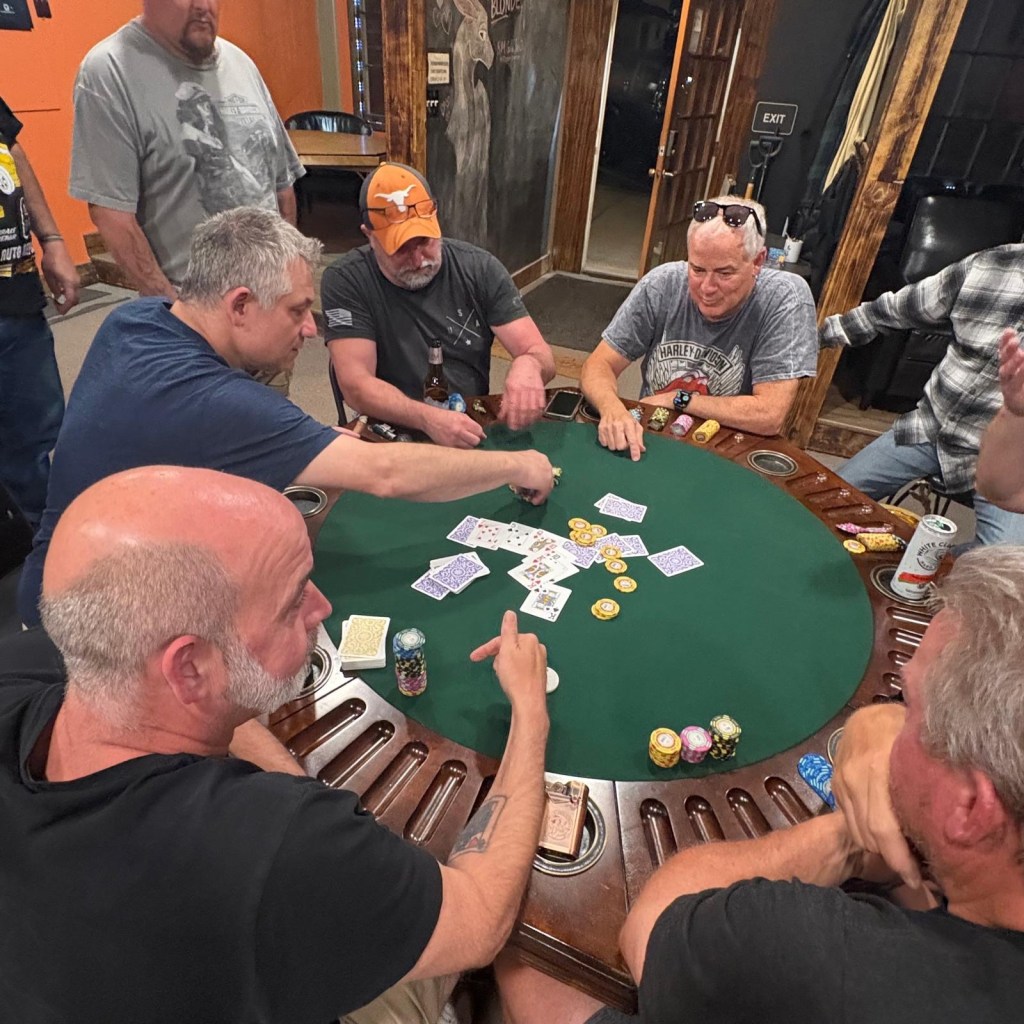
Pot Limit Omaha raises the excitement immediately.
Instead of two hole cards, every player receives four hole cards.
However, there’s one rule every new player must remember:
You must use exactly two of your hole cards and exactly three community cards to make your final hand.
That single rule changes everything.
Because players have four hole cards, they make stronger hands much more often than in Hold’em.
Straights, flushes, full houses, and monster combination draws become common.
If you enjoy action, you’ll probably love PLO.
Starting Hands Matter Differently
In Texas Hold’em, premium starting hands like pocket Aces, Kings, and Ace-King dominate before the flop.
In Pot Limit Omaha, premium hands are built around coordination.
The strongest PLO hands contain connected cards, suited cards, and multiple ways to improve after the flop.
For example:
Strong Hold’em Hand
● A♠ A♥
Strong PLO Hand
● A♠ A♦ K♠ Q♦ (double suited)
Notice the difference?
In Omaha, all four cards need to work together.
Big Hands Happen More Often
One of the biggest shocks for Hold’em players is how often huge hands appear in Omaha.
Top pair that wins comfortably in Hold’em is often worthless in PLO.
Even top set can become vulnerable on coordinated boards.
The winning hand in Omaha is frequently the nuts—the best possible hand.
If you consistently chase second-best hands, Omaha will quickly teach you an expensive lesson.
Betting Structures
Texas Hold’em is most commonly played as No-Limit Hold’em, allowing players to bet all of their chips at any time.
Pot Limit Omaha uses a different betting structure.
The maximum bet is the size of the current pot.
This changes strategy significantly.
Instead of relying on all-in pressure, PLO players focus on building pots, maximizing value, and making disciplined decisions over multiple betting streets.
Variance: Prepare for Bigger Swings
Both games have variance.
Pot Limit Omaha simply has more of it.
Because draws often have substantial equity against made hands, even favorites lose more frequently than many Hold’em players expect.
That doesn’t mean Omaha is luck-based.
It means bankroll management becomes even more important.
Successful PLO players understand that short-term swings are part of the game.
Which Game Requires More Skill?

Poker players have debated this question for years.
Texas Hold’em places a premium on reading opponents, understanding ranges, bluffing, and extracting value with thinner edges.
Pot Limit Omaha demands exceptional hand selection, board reading, equity evaluation, discipline, and an understanding of complex post-flop situations.
Neither game is “easy.”
They simply challenge different poker skills.
The best players often study and enjoy both.
Which Game Should You Play?
Choose Texas Hold’em if you:
● Prefer a slower, more strategic pace.
● Enjoy bluffing and reading opponents.
● Are new to poker.
● Want the widest variety of games and tournaments.
Choose Pot Limit Omaha if you:
● Love action-packed poker.
● Enjoy drawing hands and complex decisions.
● Like deeper post-flop strategy.
● Don’t mind larger bankroll swings.
Many players begin with Hold’em before adding Omaha to their skill set, giving them a broader understanding of poker strategy.
Final Thoughts from The Player in Seat 4
Texas Hold’em and Pot Limit Omaha are both fantastic games, but they reward different approaches.
Hold’em is often a game of patience, precision, and calculated aggression.
Pot Limit Omaha rewards coordinated starting hands, nut potential, position, and disciplined post-flop play.
If you’ve never tried PLO, give it a chance. Just don’t expect your Hold’em instincts to translate perfectly.
The players who adapt, continue learning, and respect the differences between the two games are usually the ones stacking chips at the end of the night.
Whether you’re grinding a $1/$2 cash game, chasing tournament glory, or simply looking to improve your overall poker skills, learning both formats will make you a more complete player.
Key Takeaways
● Texas Hold’em uses 2 hole cards; Pot Limit Omaha uses 4 hole cards.
● In PLO, you must use exactly 2 hole cards and 3 community cards.
● Omaha produces stronger hands and larger pots more often.
● Hold’em rewards patience and reading opponents.
● PLO rewards coordinated hands, nut potential, and disciplined post-flop decisions.
● Mastering both games will strengthen your overall poker success
If you enjoyed this article please like, share, comment and subscribe. Please take a second and click on our advertiser links to keep these articles free. Thanks for reading and I’ll see you at the tables!

How to Tilt Your Opponents in Poker (Without Crossing the Line)

In July I’m trying to write articles around a common theme, the theme is emotional intelligence in poker. We will continue to review different player types and strategies you can utilize to exploit their behaviors and improve your results.
Every poker player has experienced tilt. Whether it’s a bad beat, a missed draw, or a costly mistake, emotions can quickly affect decision-making. The best players know how to stay calm—but they also understand how to recognize when an opponent is tilting and, within the rules and good etiquette, apply pressure that causes even more mistakes.
If you’re looking to improve your Texas Hold’em strategy, learning how to capitalize on an opponent’s frustration can significantly increase your win rate. Here’s how to tilt your opponents the right way.
1. Play Solid, Aggressive Poker
Nothing frustrates opponents more than consistently running into strong hands and well-timed aggression. Raise your premium hands, value bet confidently, and apply pressure when the situation calls for it. Players who are already frustrated often begin calling too wide or making reckless bluffs against aggressive opponents.
A disciplined strategy is one of the most effective ways to create tilt naturally.
2. Stay Calm After Winning Big Pots
When you win a large pot, avoid celebrating or rubbing it in. Simply stack your chips and prepare for the next hand. Ironically, your calm demeanor can frustrate opponents even more because they don’t get the emotional reaction they’re hoping for.
Professional behavior often creates more psychological pressure than trash talk ever will.
3. Put Pressure on Short Stacks
Players with shrinking stacks frequently feel stressed. Continue making fundamentally sound raises when you’re in favorable positions. Tilted players often respond by making desperate all-in moves with weak holdings, giving you profitable opportunities to call with stronger ranges.
Remember: pressure should come from good poker decisions, not intimidation.
4. Let Your Opponents Make Their Own Mistakes
One of the biggest mistakes players make is trying too hard to force action. Instead, be patient. Tilted opponents often bluff too much, chase impossible draws, or overplay marginal hands. Give them the chance to hang themselves rather than forcing the issue.
Poker rewards patience.
5. Maintain a Friendly Table Presence

Being respectful doesn’t prevent you from gaining an edge. Smile, be courteous, and avoid arguments. Players who are already upset may become even more frustrated when they see you remaining composed while they lose control of their emotions.
Good sportsmanship is both ethical and profitable.
6. Recognize the Signs of Tilt
Watch for opponents who:
- Play far more hands than usual.
- Call large bets with weak holdings.
- Raise impulsively after losing a pot.
- Complain about bad luck.
- Show visible frustration or impatience.
Once you identify these signs, tighten your value betting and avoid unnecessary hero calls. Let their emotional decisions work in your favor.
Common Mistakes to Avoid

Trying to intentionally provoke someone with insults, slow rolling, excessive celebration, or disrespectful behavior is bad for the game and can create an uncomfortable atmosphere. The goal is not to upset people personally—it’s to recognize emotional mistakes and respond with fundamentally sound poker.
Winning because your opponents make poor strategic decisions is part of poker. Winning through poor etiquette is not.
Final Thoughts
Learning how to tilt opponents in poker isn’t about mind games or trash talk. It’s about understanding human psychology, recognizing emotional decision-making, and continuing to play disciplined, fundamentally sound poker while others lose focus.
The best players don’t create chaos—they stay composed while everyone else does the opposite. Over the long run, emotional control is one of the biggest edges you can have at the poker table.
If you enjoyed this article please like, share, comment and subscribe! Please click on sponsor ads to help keep our blog free. I hope you enjoyed reading and I’ll see you at the tables!




Recent Comments