How to Play Pot Limit Omaha: A Beginner’s Guide to PLO Poker
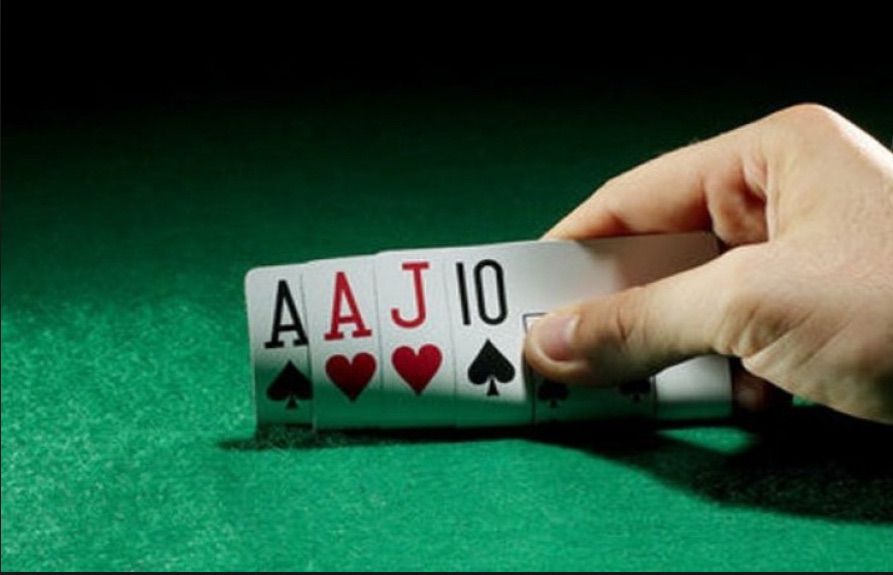
I started writing this series of articles because I wanted to branch out beyond Texas Holdem. I have been seeing more and more casinos offering PLO in poker rooms, so I decided to dig deeper into this poker variation to improve myself and possibly help others . I will review playing basics, best hands to play, bankroll management and distinct differences between PLO and Texas Holdem.
If you have spent most of your poker life playing Texas Hold’em, Pot Limit Omaha can feel like someone suddenly turned the action up to maximum speed.
More cards. Bigger draws. Bigger pots. And yes—sometimes much bigger swings.
Pot Limit Omaha, commonly called PLO, has become a favorite poker game for players who enjoy action and complex post-flop decisions. But before jumping into a PLO game, you need to understand one important fact:
Omaha is not Texas Hold’em with two extra cards.
The Player in Seat 4 is breaking down the basics of how to play Pot Limit Omaha and the simple strategy adjustments beginners should make before putting chips in the middle.
What Is Pot Limit Omaha Poker?
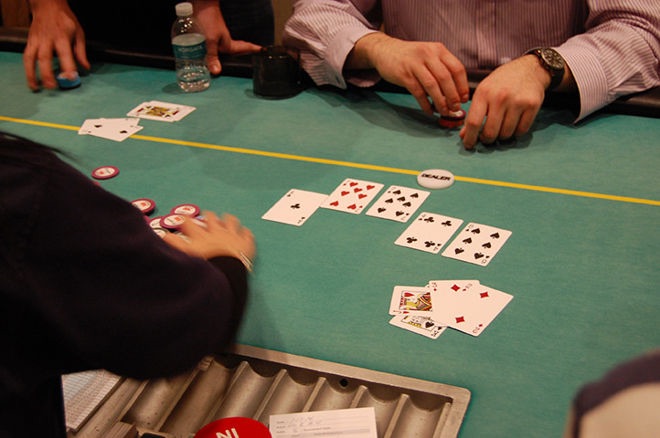
Pot Limit Omaha is a community card poker game similar to Texas Hold’em.
Each player receives four hole cards instead of two. Five community cards are then dealt on the board using the familiar flop, turn, and river format.
Here is the rule every new Omaha player must remember:
You must use exactly TWO cards from your hand and exactly THREE cards from the community board.
Not one card from your hand.
Not three cards from your hand.
Exactly two.
This rule creates plenty of confusion for Hold’em players making the move to Omaha.
For example, if four hearts are showing on the board and you hold only one heart in your hand, you do not have a flush. You must use two hole cards to complete your five-card poker hand.
Learn this rule before you learn anything else about PLO.
Why Is It Called Pot Limit Omaha?
Unlike No Limit Texas Hold’em, you cannot simply shove your entire stack into the middle whenever you want.
The maximum bet or raise is determined by the size of the pot.
This is why the game is called Pot Limit Omaha.
Don’t worry if calculating a pot-sized raise seems confusing at first. In a live poker room, you can simply announce “pot” and the dealer will calculate the correct maximum raise.
The pot-limit structure may sound like it controls the action.
It doesn’t.
PLO pots can grow incredibly fast.
Starting Hand Selection Is Critical in PLO
One of the biggest mistakes new Omaha players make is playing too many hands.
Four cards look exciting.
You look down at your hand and immediately start imagining straights, flushes, and full houses.
But not all four-card combinations are created equal.
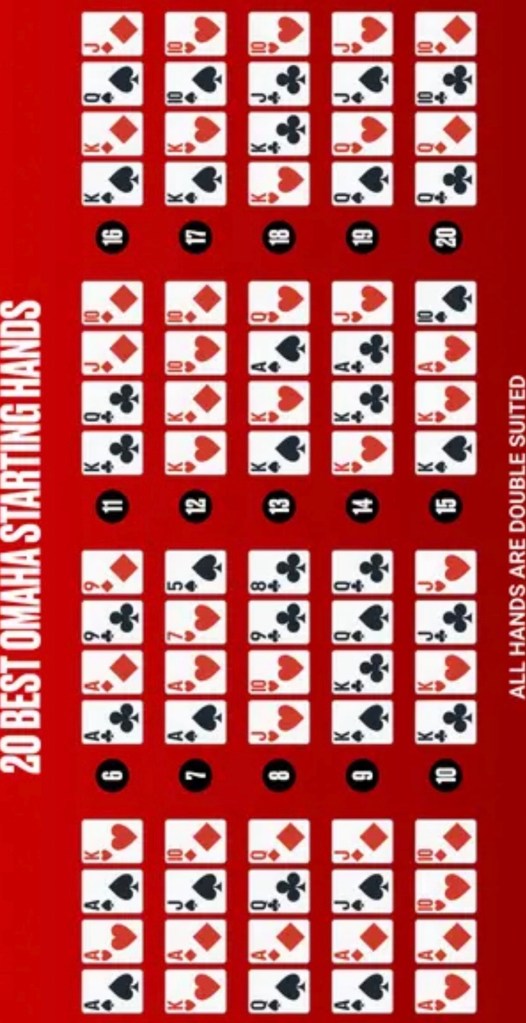
The best PLO starting hands contain cards that work together.
Hands such as:
A-A-K-Q double suited
A-A-J-10 double suited
K-Q-J-10 double suited
J-10-9-8 double suited
These hands have multiple ways to connect with the flop.
Compare that to a hand like:
K-8-5-2 rainbow
Yes, you have four cards.
Unfortunately, those four cards have very little connection.
The Player in Seat 4 rule for beginners is simple:
Play four cards that work together—not four cards that simply look playable.
Double-Suited Hands Are Powerful
You will often hear Omaha players describe a hand as double suited.
This means your four-card hand contains two different suited combinations.
For example:
A♠ K♠ J♥ 10♥
You now have two possible flush draws along with straight possibilities.
Double-suited hands are valuable because they give you multiple ways to make strong hands.
But remember—making a flush isn’t always enough in Omaha.
You should constantly be thinking about the nut flush.
In Pot Limit Omaha, Draw to the Nuts
This may be the most important strategy adjustment for Texas Hold’em players.
In Hold’em, a king-high flush can be an incredibly strong hand.
In Omaha?
It might cost you your entire stack.
With four hole cards dealt to every player, opponents have far more combinations available. Strong hands appear much more frequently.
When you are drawing to a flush, ask yourself:
Am I drawing to the best possible flush?
When you are drawing to a straight, ask:
Could someone make a higher straight?
PLO punishes players who repeatedly make the second-best hand.
The second nut flush looks beautiful right up until someone turns over the ace-high flush.
If you enjoyed this post please like, share, comment and subscribe! Please click on our sponsor links to help keep this poker source free. Thanks for reading and I’ll see you at the tables!


 THE PLAYER IN SEAT 4..
Recent Comments