Strategy for Calling Stations in Poker!

What Is a Calling Station in Poker? (And the Best Strategy to Beat Them)
If you play live low-stakes poker like $1/$2 or $2/$5 cash games, you’ve definitely run into the classic calling station. These players are everywhere—and if you know how to adjust, they can become one of your biggest sources of profit.
In this article, we’ll break down exactly what a calling station is in poker and the best strategy to exploit them for maximum value.
What Is a Calling Station in Poker?
A calling station is a type of poker player who calls far too often and folds far too rarely. Instead of playing aggressively, they prefer to check and call with a wide range of hands—many of which are weak.
Common Traits of a Calling Station
- Calls with weak pairs, draws, and even high cards
- Rarely folds after seeing the flop
- Almost never bluffs
- Plays passively (check/call instead of bet/raise)
In simple terms: they hate folding and are willing to “see it through” to the river.
Why Calling Stations Are Profitable
Calling stations might seem frustrating because they hit unexpected hands—but in reality, they are highly exploitable.
Why? Because poker is about making your opponents make mistakes—and calling stations make one of the biggest mistakes in the game:
Calling too much with worse hands
That means you can consistently extract value when you’re ahead.

Best Strategy to Beat a Calling Station
To win against calling stations, you need to shift your mindset. Forget fancy plays—this is about simple, disciplined, value-driven poker.
1. Value Bet Relentlessly
This is the #1 adjustment.
If you think you have the best hand, bet—and bet big. Calling stations will often pay you off with worse hands.
Examples of hands to value bet:
- Top pair (good kicker)
- Overpairs
- Two pair or better
Pro tip: Don’t get tricky. If they’re calling, keep charging them.
2. Stop Bluffing (Almost Completely)
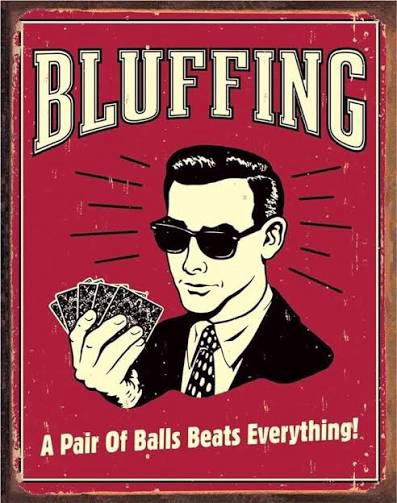
Bluffing a calling station is one of the fastest ways to lose money in poker.
- They don’t fold enough
- They call “just to see it”
- Even scary board cards won’t always work
Rule: If your strategy relies on them folding, rethink it.
3. Use Bigger Bet Sizes
Against strong players, you balance your bet sizing. Against calling stations, you exploit.
Since they call too much:
- Increase your bet sizes (60%–100% pot or more)
- Charge their draws heavily
- Build bigger pots when you’re ahead
You’re not trying to be balanced—you’re trying to get paid.

4. Play Tighter Preflop
You want to go to showdown with strong, value-heavy hands.
Avoid:
- Weak suited connectors (especially out of position)
- Marginal hands that make weak pairs
Focus on hands that can make:
- Top pair with a strong kicker
- Overpairs
- Strong draws with equity
5. Don’t Slow Play Your Big Hands
Slow playing is a mistake against calling stations.
Why?
- They’re already calling too much
- You risk missing value
- You give free cards that can beat you
Instead, bet your strong hands immediately and often.
6. Stay Patient and Emotionally Disciplined
Calling stations will:
- Hit lucky draws
- Catch miracle river cards
- Occasionally crack your premium hands
That’s part of the game.
The key is understanding:
You’re making money long-term by getting called by worse hands
Stick to your strategy and avoid tilt.
Winning Mindset Against Calling Stations
Against skilled opponents, poker is about balance and deception.
Against calling stations, it’s much simpler:
- Bet when you’re ahead
- Don’t bluff when you’re behind
- Charge them as much as possible
Final Thoughts
If you’re playing live low-stakes poker, learning how to beat calling stations is essential. These players are not your enemy—they’re your opportunity.
Master this one adjustment—value betting relentlessly—and you’ll see a noticeable increase in your win rate.
If you enjoyed this article please like, share, comment and subscribe. Thanks for reading and I’ll see you at the tables!


 THE PLAYER IN SEAT 4..
Recent Comments