Turning Marginal Hands into Bluffs!
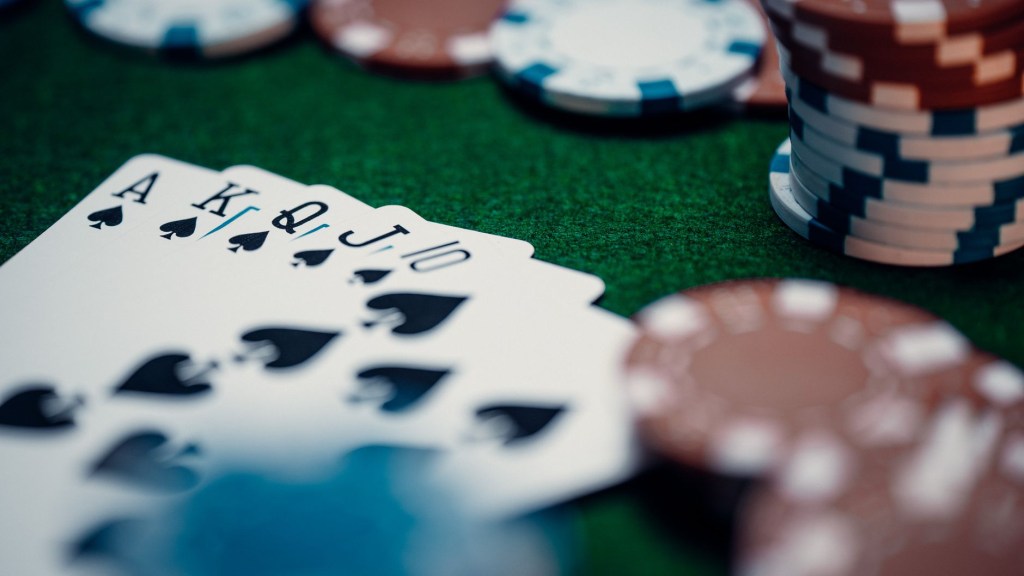
One of my favorite topics in poker because let’s face it sometimes you need to turn lemons into lemonade and even marginal hands can pay off if played correctly! Poker isn’t just about making big hands. Some of the most profitable players understand how to turn marginal holdings into effective bluffs when the situation calls for it. Knowing when to transform a weak pair, missed draw, or mediocre showdown hand into a bluff can help you win pots that would otherwise be lost.
What Is a Marginal Hand?
A marginal hand is a holding that has some value but is often not strong enough to comfortably win at showdown. Examples include second pair with a weak kicker, bottom pair, ace-high, or a missed straight or flush draw. Many recreational players simply check and hope these hands are good. Stronger players recognize opportunities to apply pressure and force better hands to fold.
Why Bluff With Marginal Hands?
When you hold a marginal hand, your chances of winning at showdown are often limited. If your opponent is likely to have a stronger hand, turning your holding into a bluff can be the more profitable option. By representing a strong range and applying pressure on favorable board textures, you can force folds from hands that currently beat you.
For example, imagine you’re playing a $2/$5 No-Limit Hold’em cash game. You raise preflop with J♦10♦ and get called. The board runs A♠7♣3♥K♣2♠. After your opponent checks all three streets, a large river bet may convince them to fold medium-strength hands like pocket eights, nines, or even a weak ace.
The Best Candidates for Bluffing
Not all marginal hands should become bluffs. The best bluffing candidates usually block your opponent’s strongest holdings. For instance, holding an ace can make it less likely that your opponent has top pair. Missed draws are also excellent bluff candidates because they rarely win at showdown and can credibly represent completed draws or strong made hands.
Hands that have little showdown value but contain important blockers often make the most profitable bluffs.
Picking the Right Spots

Successful bluffing depends heavily on board texture and opponent tendencies. Bluff more often against players who can fold and less often against calling stations. Look for scare cards that improve the story you’re telling. Overcards, completed flush draws, and coordinated turn or river cards can all create opportunities to represent strength.
Remember that a good bluff tells a believable story. Your betting pattern should make sense based on the hand you’re representing.
Final Thoughts
Turning marginal hands into bluffs is one of the skills that separates average poker players from winning players. Instead of giving up when you miss the flop or make a weak pair, look for opportunities to apply pressure in the right situations. By understanding blockers, board texture, and opponent tendencies, you can turn losing hands into profitable weapons.
At JackStokingsPoker.org, we believe that mastering advanced concepts like bluffing with marginal hands is essential for long-term success at the poker table. The next time you’re facing a difficult decision with a weak holding, ask yourself: “Can this hand make more money as a bluff than as a showdown hand?”
If you enjoyed this article please like, share, comment and subscribe. Thanks for reading and I’ll see you at the tables!



Recent Comments