Archive
The Tropicana Poker Room: A Classic Atlantic City Poker Experience
For poker players who love the excitement of Atlantic City without the overwhelming crowds, the poker room at the Tropicana has long been a favorite destination. While it may not be the largest poker room in town, it offers something many players appreciate: a relaxed atmosphere, friendly competition, and plenty of action, especially during weekends.

Located just off The Quarter inside the Tropicana, the poker room primarily spreads low-stakes No-Limit Hold’em cash games, making it an excellent choice for recreational players and weekend grinders. The room has earned a reputation for attracting a mix of locals and tourists, creating games that are often less intimidating than those found in larger poker rooms. Many regulars consider the games to be soft, giving patient players plenty of opportunities to build a bankroll. (Poker Wiki)
One of the biggest advantages of playing at the Tropicana is the overall experience. After your poker session, you’re just steps away from restaurants, bars, live entertainment, and the famous Boardwalk. Whether you’re celebrating a winning session or taking a break between games, there is always something to do. The convenience of having everything under one roof makes the Tropicana an ideal destination for a poker getaway.

The poker room itself focuses on cash games rather than tournaments, with $1/$2 No-Limit Hold’em being the most common game and additional stakes sometimes available during busy periods. Weekend evenings typically provide the best action, while weekdays tend to be quieter and attract more regular players.

Although many serious professionals gravitate toward larger rooms like Borgata, the Tropicana has carved out its own niche. If your goal is to enjoy a fun session, meet interesting players, and play in a welcoming environment, it’s hard to go wrong. The dealers and staff are generally well regarded, and many visitors return because they enjoy the laid-back atmosphere as much as the poker itself. (Poker Wiki)
Final Thoughts
The Tropicana poker room reminds us that poker isn’t always about chasing the biggest games. Sometimes the best sessions come from good conversations, competitive tables, and the chance to enjoy one of Atlantic City’s classic casino resorts. Whether you’re visiting for the first time or making your annual poker trip to the Jersey Shore, the Tropicana deserves a spot on your list.
What do you think? Have you played at the Tropicana poker room? Share your favorite memories and biggest wins in the comments!
If you enjoyed this article please like,share, comment and subscribe! Thanks for reading and I’ll see you at the tables!

Is 4-Betting Just a Setup to Shove All-In?
In my last post we discussed 3 betting in 2026, what about the 4 bet? If you’ve played enough No-Limit Texas Hold’em, you’ve probably seen the action go raise, 3-bet, and then 4-bet. At lower stakes, many players assume that a 4-bet automatically means someone is committed to getting all of their chips into the middle. But is a 4-bet really just a setup to shove all-in? The answer is: not always.
What Is a 4-Bet?
A 4-bet is the fourth aggressive action before the flop. For example, Player A opens the pot, Player B 3-bets, and Player A responds with a 4-bet. This move is usually made with a very strong hand, but experienced players also include well-timed bluffs in their 4-betting range to stay balanced.
Does a 4-Bet Mean You’re Pot-Committed?
In many $1/$2 and $2/$5 cash games, a large 4-bet often leaves only a pot-sized bet remaining. That means both players may already be committed to the hand, making an all-in shove on the next action very common. However, stack depth matters. With 200 big blinds or more, skilled players can sometimes 4-bet and still fold if faced with overwhelming aggression from an opponent who only continues with premium hands.
When Should You 4-Bet?
The best 4-bets are made for value with premium hands like AA, KK, QQ, and AK against aggressive opponents. Occasionally, adding hands like suited wheel aces (A5s or A4s) as bluffs can make your strategy harder to exploit. The key is understanding your opponent. Against players who only 3-bet monsters, bluff 4-betting is usually a losing play. Against aggressive regulars who 3-bet frequently, well-timed 4-bets can be extremely profitable.
Final Thoughts
A 4-bet is often a step toward playing for stacks, but it isn’t automatically a commitment to shove all-in. Your stack size, your opponent’s tendencies, position, and table dynamics should all influence your decision. Great poker players don’t 4-bet simply because they have a strong hand—they 4-bet because it’s the most profitable play in the situation.
Whether you’re grinding your local $1/$2 cash game or battling tougher $2/$5 players, understanding when a 4-bet is for value, when it’s a bluff, and when it leads to an all-in confrontation will make you a far more dangerous opponent at the table.
If enjoyed this article please like, share, comment and subscribe. Thanks for reading and see you at the tables!

Mastering the 3-Bet in 2026: A Modern Poker Strategy Guide

If you want to become a stronger poker player in 2026, learning how to 3-bet effectively should be one of your top priorities. As players become more aggressive and better studied, simply calling raises isn’t enough. Whether you play $1/$2 or $2/$5 No-Limit Hold’em cash games or local tournaments, a solid 3-betting strategy can significantly increase your win rate.
What Is a 3-Bet?
A 3-bet is the first re-raise before the flop. For example, the blinds are posted, one player opens the action with a raise, and you re-raise. That’s a 3-bet.
The purpose of a 3-bet is to build the pot with your strongest hands, put pressure on opponents, and often win the pot before the flop. Many recreational players call too often instead of re-raising, leaving money on the table over the long run.
Value 3-Betting
The easiest hands to 3-bet are your premium holdings. Hands like AA, KK, QQ, AK, JJ, and AQs should usually be played aggressively. At low-stakes live games, players frequently call with weaker hands, making value 3-betting extremely profitable.
When you have the best hand, don’t be afraid to build a bigger pot. Playing premium hands passively often allows opponents to realize their equity cheaply.
Bluff 3-Betting
The best players in 2026 don’t only 3-bet with monsters—they also include carefully selected bluff hands in their range. Suited wheel aces like A5s through A2s, suited connectors, and blocker hands can make excellent bluff 3-bets in the right situations.
However, choose your opponents wisely. Bluff players who are capable of folding. Against loose calling stations, focus on value because they will often call with weaker holdings.
Position Is Everything
Position continues to be one of the biggest advantages in poker. When you’re on the Button or Cutoff, you can widen your 3-betting range because you’ll have position after the flop. Out of position, tighten your range and rely more heavily on premium hands.
Having position allows you to control the size of the pot, gather more information, and make better decisions throughout the hand.
Common 3-Betting Mistakes
Many players make the mistake of 3-betting every decent hand or never bluffing at all. Others use the same sizing regardless of position or stack depth.
Instead, pay attention to your opponent’s tendencies. Are they opening too many hands? Do they fold to aggression? Are they calling almost every raise? Adjust your strategy accordingly rather than relying on a one-size-fits-all approach.
Final Thoughts
A strong 3-betting strategy is one of the fastest ways to improve your poker results in 2026. By combining aggressive value betting with well-timed bluffs, you’ll win more uncontested pots, extract more value from your premium hands, and become a much tougher opponent.
Remember, successful poker isn’t about playing every hand aggressively—it’s about applying pressure at the right time against the right opponents. Master the 3-bet, and you’ll put yourself in position to win more consistently at the tables.
If you enjoyed this article please like. share, and subscribe. Thanks for reading and see you at the tables!
Turning Marginal Hands into Bluffs!
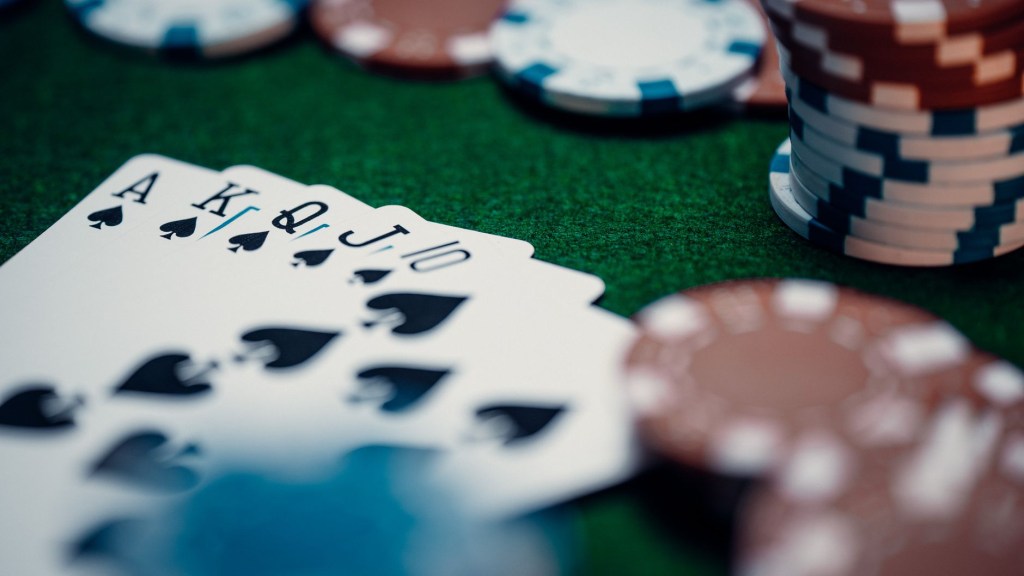
One of my favorite topics in poker because let’s face it sometimes you need to turn lemons into lemonade and even marginal hands can pay off if played correctly! Poker isn’t just about making big hands. Some of the most profitable players understand how to turn marginal holdings into effective bluffs when the situation calls for it. Knowing when to transform a weak pair, missed draw, or mediocre showdown hand into a bluff can help you win pots that would otherwise be lost.
What Is a Marginal Hand?
A marginal hand is a holding that has some value but is often not strong enough to comfortably win at showdown. Examples include second pair with a weak kicker, bottom pair, ace-high, or a missed straight or flush draw. Many recreational players simply check and hope these hands are good. Stronger players recognize opportunities to apply pressure and force better hands to fold.
Why Bluff With Marginal Hands?
When you hold a marginal hand, your chances of winning at showdown are often limited. If your opponent is likely to have a stronger hand, turning your holding into a bluff can be the more profitable option. By representing a strong range and applying pressure on favorable board textures, you can force folds from hands that currently beat you.
For example, imagine you’re playing a $2/$5 No-Limit Hold’em cash game. You raise preflop with J♦10♦ and get called. The board runs A♠7♣3♥K♣2♠. After your opponent checks all three streets, a large river bet may convince them to fold medium-strength hands like pocket eights, nines, or even a weak ace.
The Best Candidates for Bluffing
Not all marginal hands should become bluffs. The best bluffing candidates usually block your opponent’s strongest holdings. For instance, holding an ace can make it less likely that your opponent has top pair. Missed draws are also excellent bluff candidates because they rarely win at showdown and can credibly represent completed draws or strong made hands.
Hands that have little showdown value but contain important blockers often make the most profitable bluffs.
Picking the Right Spots

Successful bluffing depends heavily on board texture and opponent tendencies. Bluff more often against players who can fold and less often against calling stations. Look for scare cards that improve the story you’re telling. Overcards, completed flush draws, and coordinated turn or river cards can all create opportunities to represent strength.
Remember that a good bluff tells a believable story. Your betting pattern should make sense based on the hand you’re representing.
Final Thoughts
Turning marginal hands into bluffs is one of the skills that separates average poker players from winning players. Instead of giving up when you miss the flop or make a weak pair, look for opportunities to apply pressure in the right situations. By understanding blockers, board texture, and opponent tendencies, you can turn losing hands into profitable weapons.
At JackStokingsPoker.org, we believe that mastering advanced concepts like bluffing with marginal hands is essential for long-term success at the poker table. The next time you’re facing a difficult decision with a weak holding, ask yourself: “Can this hand make more money as a bluff than as a showdown hand?”
If you enjoyed this article please like, share, comment and subscribe. Thanks for reading and I’ll see you at the tables!
The Art of Barreling in Poker!
The Art of Barreling: How to Apply Relentless Pressure Without Lighting Money on Fire
Barreling is one of the purest expressions of skill, courage, and psychological warfare in poker. Anyone can fire a c‑bet. But the players who consistently win pots they “shouldn’t” — the ones who make regs uncomfortable and force recreational players into mistakes — are the ones who understand when and why to fire the second and third shell.
This guide breaks down the strategy, psychology, and execution behind elite barreling.
What Barreling Actually Accomplishes
Barreling isn’t about blind aggression. It’s about targeting specific parts of your opponent’s range and applying pressure on the cards that hurt them most.
You barrel to:
- Fold out equity — deny their ability to realize draws or marginal hands
- Fold out range — attack capped ranges that can’t withstand heat
- Build a pot — when you have strong value
- Set up river plays — for value or for a credible bluff
The best barrels are intentional, not automatic.
Three Questions Before You Pull the Trigger

Elite players run this mental checklist before firing the turn or river.
- Does the turn card favor my range?
Good barreling cards include:
- Overcards to villain’s pairs (A, K, Q)
- Cards that complete your perceived range
- Cards that add equity to your bluffs
Bad barreling cards include:
- Low bricks
- Paired boards
- Cards that complete their draws
If you want a deeper dive into board texture, check out range advantage concepts.
- Is my opponent capable of folding?
You don’t bluff calling stations. You value‑bet them.
Barreling works best against:
- Tight players
- Fit‑or‑fold players
- Players who fear big pots
- Players who “play their hand, not the situation”
Learn more about this with identifying fold‑capable players.
- Do I have equity or blockers?
The best bluffs have:
- Gutshots
- Overcards
- Backdoor flush draws
- Blockers to villain’s strongest hands
The worst bluffs have no equity, no blockers, and no story.
If you want to go deeper, here’s a breakdown of blockers.

When to Fire the Second Barrel (Turn)
The turn is where most players freeze — and where strong players print money.
Great Turn Barrel Spots
- The turn brings an A or K
- The turn completes your perceived range
- You pick up additional equity
- Villain’s flop calling range is capped
Terrible Turn Barrel Spots
- The board pairs
- The obvious draw completes
- The turn is a low brick
- Villain is a calling station
When to Fire the Third Barrel (River)
The river barrel is where the real money is made — and where amateurs torch stacks.
Fire the River When:
- You have nut blockers
- The river is a scare card for their exact range
- Your line credibly represents value
- Villain’s range is full of bluff‑catchers
Do NOT Fire the River When:
- You have no blockers
- The river improves their draws
- Your story makes no sense
- Villain is a “show me” player
A Perfect Barreling Example
Hand:
You open CO with A♣5♣. BTN calls.
Flop: 9♦ 6♠ 2♣
You c‑bet. BTN calls.
Turn: K♣
This is a dream barrel card:
- You pick up the nut flush draw
- The K smashes your range
- It’s terrible for their 9x/6x hands
You fire again.
River: Q♠
Another scare card for their exact range.
You hold the A♣, blocking nut flushes and strong Kx.
This is a green‑light triple barrel.
The Secret: Tell a Believable Story
Weak players bluff because they “feel like it.”
Strong players bluff because the board, ranges, and blockers all align.
Barreling is the art of:
- Applying pressure where opponents are weak
- Representing hands you should have
- Using blockers to remove their strongest holdings
- Firing when the story makes sense
Master this, and you become the player nobody wants to face.
If you enjoyed this article please like, share, comment and subscribe. Thanks for reading and I’ll see you at the tables!
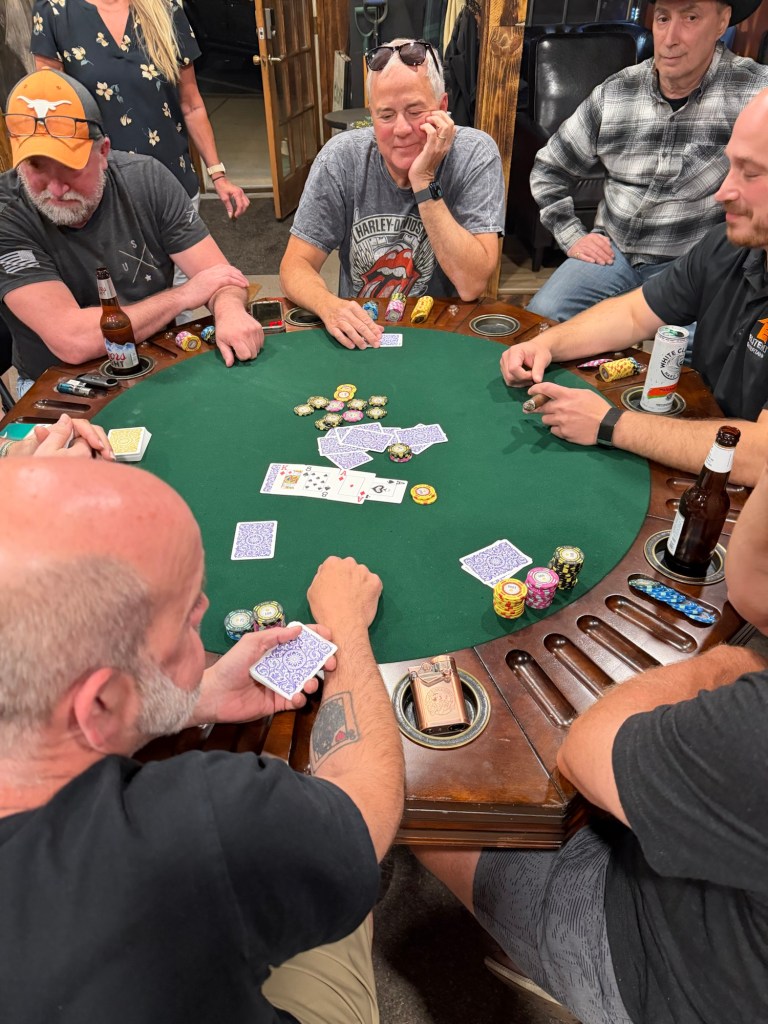
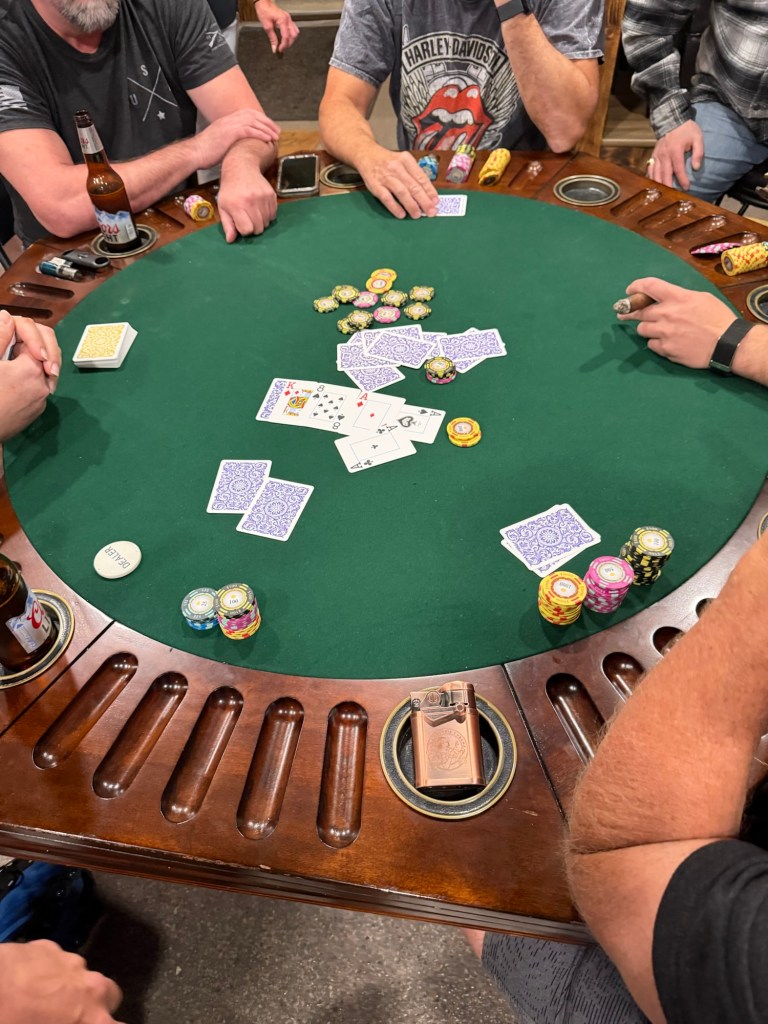
When you deal Fire… for someone else!
The cost of playing too many hands in Poker!
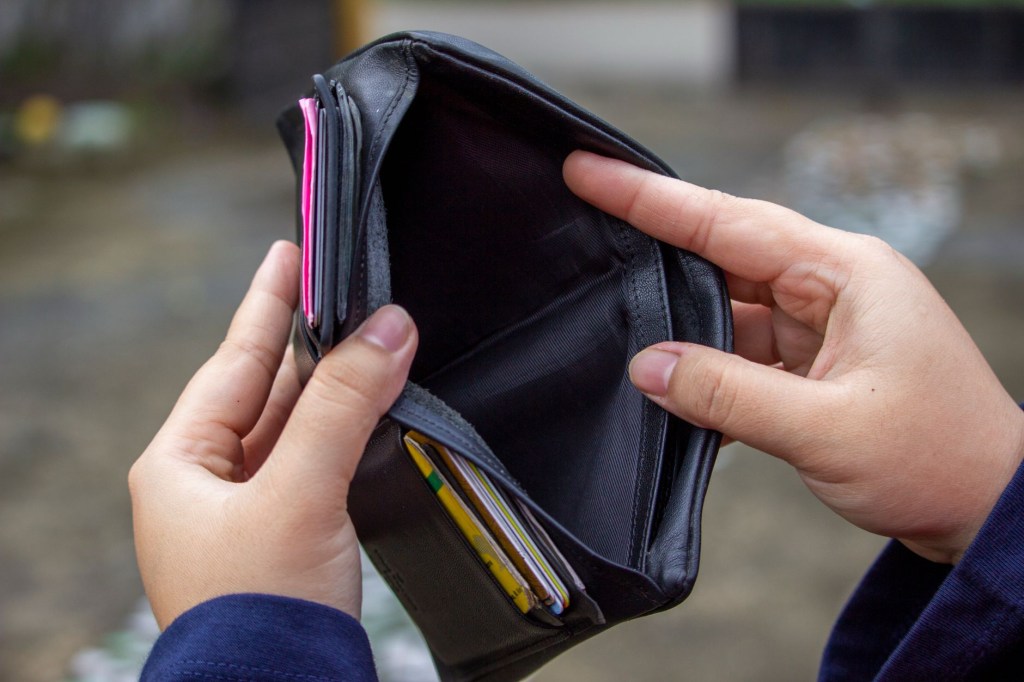
The High Cost of Playing Too Many Hands in Poker
One of the most common mistakes made by low-stakes poker players is playing too many starting hands. Whether you’re sitting in a $1/$2 cash game, a $2/$5 game, or a local tournament, the temptation to “see one more flop” can be difficult to resist. Unfortunately, this habit can quietly drain your bankroll and significantly reduce your chances of becoming a winning poker player.
Why Playing Too Many Hands Hurts Your Win Rate
Every hand you play costs money. Even when you simply call the big blind or limp into a pot, those chips add up over time. Many recreational players convince themselves that suited cards, weak aces, or small connectors are worth playing from any position. While these hands can occasionally make big hands, they often lead to difficult post-flop situations that cost more money than they’re worth.
The reality is simple: the more weak hands you play, the more often you’ll find yourself making tough decisions with second-best holdings.
Position Matters More Than Most Players Think
A major reason players lose money with marginal hands is that they ignore position. Hands that may be profitable on the button can become significant losers from early position.
When you’re out of position, your opponents get to act after you on every street. This information advantage allows them to control the pot size, apply pressure, and extract value when they have strong hands. By tightening your starting hand requirements in early positions, you’ll avoid many costly situations before they even begin.
The Hidden Cost of “Just Seeing a Flop”
Many players justify loose calls by telling themselves it’s only a small amount of money. However, these small calls often create much larger losses later in the hand.
For example, a player may call pre-flop with a weak king, pair their king on the flop, and end up losing a large pot to an opponent holding a stronger kicker. Situations like these occur repeatedly in low-stakes games and are one of the primary reasons loose players struggle to show long-term profits.
Quality Over Quantity
Winning poker isn’t about playing the most hands. It’s about playing the right hands. Strong players understand that patience is a valuable skill. Folding marginal holdings may feel boring in the moment, but it allows you to preserve chips and capitalize when premium opportunities arise.
By focusing on quality starting hands, you’ll enter more pots with an advantage and face fewer difficult decisions after the flop.
Building Better Poker Discipline
Improving your starting hand selection is one of the fastest ways to increase your win rate. Before entering a pot, ask yourself:
● Am I in a good position?
● Is this hand strong enough to continue?
● What is my plan if I get raised?
● Am I playing this hand because it’s profitable or because I’m bored?
Developing this discipline can immediately improve your results and help protect your bankroll.
Final Thoughts
The high cost of playing too many hands isn’t always obvious in a single session. The damage occurs gradually through small mistakes that accumulate over hundreds of hours at the poker table. By becoming more selective with your starting hands, respecting position, and avoiding unnecessary risks, you’ll put yourself in a much stronger position to succeed.
At JacksToKingsPoker.org, we believe one of the biggest edges in poker comes from patience. Remember, folding isn’t losing—it’s often the smartest investment you can make for your long-term poker success.

If you enjoyed this article please like, share, comment and subscribe! Thanks for reading and see you at the tables!
Poker Bankroll Management for Weekend Warriors: Play Longer and Stress Less

If you’re a weekend poker player, managing your bankroll is one of the most important skills you can develop. While many players focus on learning strategy, reading opponents, and improving their poker math, bankroll management is what keeps you in the game long enough to benefit from those skills. Whether you’re playing $1/$2 cash games at your local poker room or entering small buy-in tournaments, a solid bankroll plan can help you avoid unnecessary financial stress and enjoy poker more.
What Is Poker Bankroll Management?
Poker bankroll management is the process of setting aside a dedicated amount of money specifically for poker and only using those funds for your games. This helps separate poker from your everyday finances and protects you from chasing losses. Even great players experience losing sessions due to variance, so having a properly managed bankroll is essential for long-term success.
For weekend warriors, bankroll management isn’t about becoming a professional poker player. It’s about maximizing entertainment value while giving yourself the best chance to win over time.
How Much Bankroll Do You Need?
A common guideline for cash game players is to maintain at least 20 to 30 buy-ins for the stakes you regularly play. For example, if you typically buy into a $1/$2 No-Limit Hold’em game for $200, a bankroll of $4,000 to $6,000 would provide a comfortable cushion against downswings.
If that number sounds large, don’t worry. Many recreational players simply establish a monthly poker budget. The key is to play at stakes that fit comfortably within that budget and avoid risking money needed for bills or other responsibilities.
Avoid the Biggest Weekend Warrior Mistakes
Many recreational players make the mistake of moving up in stakes after a single big win. While it can be tempting to take a shot at larger games, doing so without an adequate bankroll often leads to unnecessary losses.
Another common mistake is trying to win back losses immediately after a bad session. This emotional reaction, often called “tilt,” can quickly turn a small loss into a much larger one. Instead, stick to your bankroll limits and remember that poker is a long-term game.
Track Your Results
Keeping records of your poker sessions can be incredibly valuable. Tracking wins, losses, hours played, and game types allows you to identify trends and determine whether you’re truly profitable. Many successful players use simple spreadsheets or mobile apps to monitor their progress.
By reviewing your results regularly, you can make better decisions about which games to play and whether it’s time to move up or down in stakes.
Final Thoughts
For weekend warriors, poker bankroll management is about balance. The goal isn’t necessarily to build a six-figure bankroll—it’s to enjoy the game, minimize financial stress, and give yourself the opportunity to improve. By setting a dedicated poker budget, playing within your limits, and avoiding emotional decisions, you’ll be able to stay in action longer and enjoy the ups and downs that make poker such a great game.
At JacksToKingsPoker.org, we believe that smart bankroll management is one of the biggest edges recreational players can have. Protect your bankroll, stay disciplined, and you’ll put yourself in position for long-term success at the tables.
If you enjoyed this article please like, share , comment and subscribe. Thanks for reading and I’ll see you at the tables!
How to Study Poker and Improve Your Game: A Complete Guide for Serious Players

If you’ve ever wondered why some poker players consistently win while others struggle to break even, the answer often comes down to study habits. While experience at the tables is important, the most successful players dedicate time away from the felt to improving their skills. Whether you’re grinding $1/$2 cash games, playing $2/$5 No-Limit Hold’em, or entering poker tournaments, learning how to study poker effectively can dramatically increase your win rate.
Why Studying Poker Matters
Poker is a game of skill, strategy, and continuous adaptation. The players who consistently profit are usually those who spend time analyzing hands, learning new concepts, and correcting mistakes. Simply playing more hours isn’t enough. To become a better poker player, you need a structured approach to poker study.
Review Your Poker Hands
One of the best ways to improve your poker game is by reviewing hand histories after every session. Focus on:
- Large pots won and lost
- Tough river decisions
- Bluffing opportunities
- Spots where you felt uncertain
Ask yourself if you made the most profitable decision with the information available. Over time, you’ll begin identifying recurring mistakes and leaks in your game.
Learn Strong Preflop Strategy
Many costly errors occur before the flop. Understanding proper preflop ranges can instantly improve your results.
Key areas to study include:
- Opening ranges by position
- Blind defense strategy
- 3-betting and 4-betting ranges
- Tournament push-fold charts
Strong preflop fundamentals create easier decisions on later streets and help avoid difficult situations.
Watch Poker Training Videos
Poker training videos are an excellent resource for players looking to improve. Watching experienced players explain their thought process can help you better understand:
- Hand reading
- Bet sizing
- Bluffing frequencies
- Exploitative strategies
- Game theory concepts
To maximize learning, pause the video before key decisions and determine what action you would take.
Join a Poker Study Group
Discussing hands with other players can expose you to new perspectives and strategies. Whether it’s a local poker group, an online forum, or a private study session with friends, collaboration can accelerate improvement.
When sharing hands, include:
- Stack sizes
- Positions
- Betting action
- Opponent tendencies
The goal is not just to know what happened, but to understand why a particular play was correct or incorrect.
Use Poker Software and Tools
Modern poker players have access to powerful software that can help analyze hands and improve decision-making.
Popular study methods include:
- Equity calculators
- Range analyzers
- Poker solvers
- Session tracking software
Even spending a few hours each week studying equity can significantly improve your understanding of poker mathematics and expected value.
Study Your Opponents
Live poker is often about exploiting player tendencies rather than playing perfectly balanced strategy.
Look for common player types such as:
- Calling stations
- Tight-passive players
- Loose-aggressive players
- Recreational players
Taking notes and recognizing patterns can help you make better adjustments and maximize profits.
Improve Your Mental Game
Many poker players focus entirely on strategy while ignoring the mental side of the game. However, tilt and emotional decision-making can quickly erase hours of good play.
To strengthen your mental game:
- Accept short-term variance
- Focus on decision quality
- Practice bankroll management
- Take breaks when frustrated
- Maintain realistic expectations
The ability to remain disciplined during losing sessions is often what separates winning players from losing players.
Track Your Results
Successful poker players track their performance over time. Keeping records allows you to identify strengths, weaknesses, and trends in your game.
Track:
- Hours played
- Profit and loss
- Stakes played
- Win rate
- Session notes
Accurate records provide valuable insight into your long-term progress and help keep emotions out of the equation.
Final Thoughts
Learning how to study poker effectively is one of the biggest edges a player can develop. The combination of hand reviews, preflop study, training videos, software analysis, opponent observation, and mental game work creates a foundation for long-term success.
If you’re serious about becoming a winning poker player, consider dedicating at least one hour of study for every five hours played. Over time, that investment can lead to better decisions, fewer mistakes, and increased profits at the poker table.
If you enjoyed this article please like, share, comment and subscribe. Thanks for reading and I’ll see you at the tables!
Hand of the Day: Jack-Nine of Spades Cracks Ace-Ten in a $2/$5 No-Limit Hold’em Cash Game
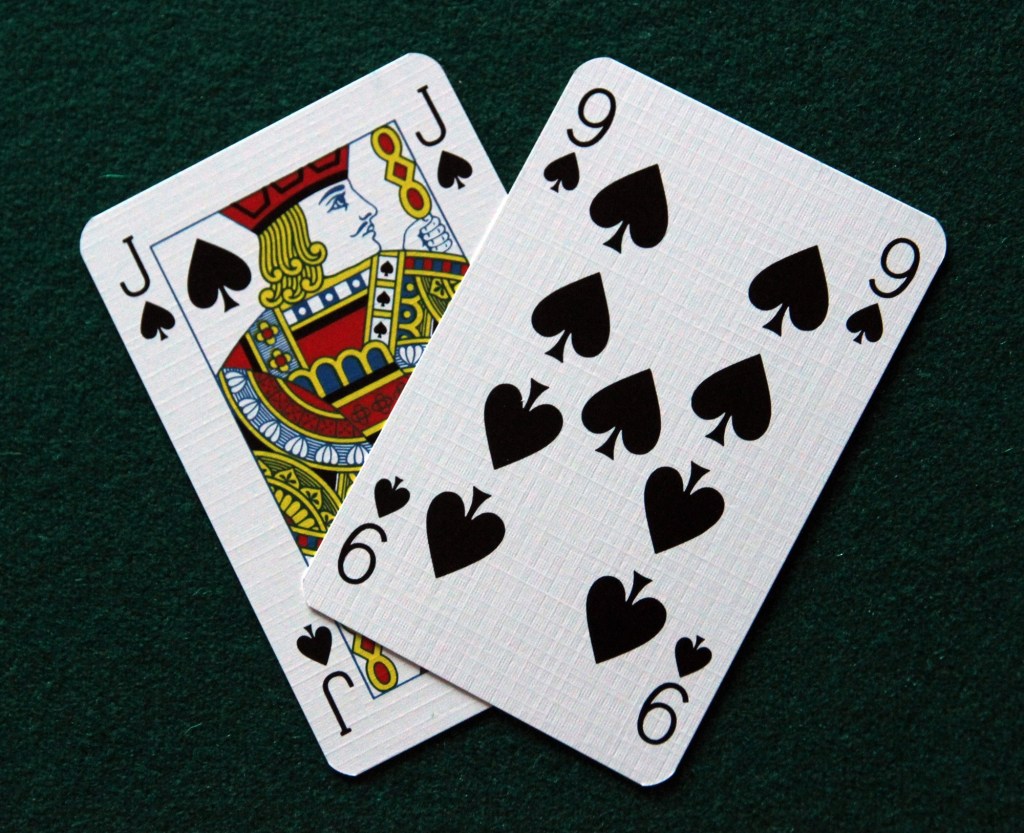
J♠9♠ vs A♦10♣ – Why Suited Connectors Can Be Dangerous
One of the most exciting aspects of live poker is watching a speculative hand turn into a monster. In today’s Hand of the Day, a player holding J♠9♠ takes on A♦10♣ in a $2/$5 No-Limit Hold’em cash game and comes out on top in dramatic fashion.
Preflop Action
The game is a typical $2/$5 NLH cash game with effective stacks of around $600. Action folds to a player in middle position who opens to $20 with A♦10♣. A player on the button looks down at J♠9♠ and makes the call. The blinds fold, and the two players head to the flop.
While Ace-Ten offsuit starts as the stronger hand, J♠9♠ is one of the most playable drawing hands in poker. Suited connectors have excellent implied odds and can create disguised monsters.
The Flop
Flop: Q♠ 10♠ 4♦
The preflop raiser connects with middle pair and bets $25 into a $47 pot.
The button now has an open-ended straight flush draw, one of the strongest drawing hands possible in Texas Hold’em. With so many ways to improve, calling is an easy decision.
The Turn
Turn: 8♣
Boom.
The turn completes the button’s straight, giving J♠9♠ a made hand. The Ace-Ten player bets again, this time $75, believing his pair of tens may still be good.
The button elects to call, disguising the strength of the straight and keeping weaker hands in the pot.
The River
River: 2♥
The board doesn’t pair, and no flush arrives.
Holding the nut straight, the button watches as the Ace-Ten player fires one final value bet of $150.
The button quickly raises to $425. After several minutes in the tank, the Ace-Ten player convinces himself his top pair might be good and makes the call.
Showdown
J♠9♠ – Straight (8 through Queen)
A♦10♣ – One Pair, Tens
The suited connector scoops a massive pot.
Poker Strategy Takeaway
This hand is a perfect example of why experienced poker players love suited connectors in deep-stacked cash games. While A♦10♣ was ahead preflop, J♠9♠ had tremendous post-flop potential. Once the flop delivered both a straight draw and a flush draw, the hand became a mathematical powerhouse.
In $2/$5 No-Limit Hold’em cash games, hands like J♠9♠ can win large pots because they often make hidden straights and flushes that are difficult for opponents to detect. Meanwhile, hands like Ace-Ten can become expensive when they make only one pair and fail to recognize the danger signs.
The next time you’re debating whether to play a suited connector in position, remember this hand. Sometimes the prettiest starting hand doesn’t win the pot—the hand with the most potential does.
If you enjoyed this article please like, share, comment and subscribe! Thank you for reading and I’ll see you at the tables!
Why Playing Small Pot Poker Can Be a Big Winning Strategy
Many poker players dream of stacking opponents in massive pots, but some of the most successful long-term winners understand the value of playing small pot poker. Whether you’re grinding a $1/$2 cash game or building a bankroll online, learning how to win small and consistent pots can dramatically improve your results. Small pot poker isn’t about being passive—it’s about making smart decisions, controlling variance, and maximizing profit over time.

What Is Small Pot Poker?
Small pot poker refers to a strategy focused on keeping pots manageable when holding medium-strength hands or marginal situations. Instead of constantly building huge pots with one-pair hands or drawing hands, skilled players often choose smaller bet sizes, pot control, and selective aggression. This approach reduces risk while still allowing players to extract value from weaker opponents.
In low-stakes cash games, many recreational players make costly mistakes by overvaluing hands and chasing draws. By keeping pots smaller and forcing opponents to make difficult decisions, you can capitalize on those mistakes without exposing your stack unnecessarily.
The Benefits of Playing Small Pot Poker
One of the biggest advantages of small pot poker is reduced variance. Large pots naturally create larger swings, which can be emotionally and financially challenging. Winning several small pots each session often produces steadier profits than relying on a few huge confrontations.
Another benefit is improved decision-making. When pots remain manageable, players can make more accurate reads and avoid committing large portions of their stack with marginal holdings. This is especially valuable in $1/$2 No-Limit Texas Hold’em games, where opponents frequently make unpredictable plays.
Small pot poker also helps preserve your bankroll. By avoiding unnecessary all-ins and oversized confrontations, you protect yourself from costly mistakes while maintaining opportunities to exploit weaker players later in the session.
Small Pots Add Up Quickly
Many new players underestimate how profitable small pots can be. Winning five or six uncontested pots per hour through solid preflop raises, continuation bets, and position play can generate a significant hourly win rate. Professional poker players understand that consistent small wins often outperform high-risk, high-variance strategies over the long run.
Think of it this way: if you’re regularly picking up blinds, taking down limped pots, and extracting value from weaker hands, those chips accumulate steadily throughout a session. Poker is ultimately a game of long-term expected value, not individual hands.
Final Thoughts
While big pots make for exciting stories, small pot poker is often where real profits are made. By controlling pot size, reducing variance, and consistently capitalizing on opponent mistakes, players can develop a more sustainable and profitable poker strategy. The next time you’re tempted to inflate a pot with a marginal hand, remember that small pots won consistently can lead to big results over time.
If you’re looking to improve your poker game, mastering small pot poker strategy may be one of the most valuable skills you can add to your arsenal.
ICM: exploring the concept in today’s #Poker Climate
Understanding ICM in Poker: Why Chip Value Changes Near the Money

If you’ve ever played a poker tournament and wondered why players suddenly become more cautious near the money bubble or final table, the answer is often ICM. The Independent Chip Model (ICM) is one of the most important concepts in tournament poker because it helps determine the real-money value of your chips. Unlike cash games where every chip has a fixed value, tournament chips gain and lose value depending on the payout structure and the number of players remaining.
ICM becomes especially important as a poker tournament approaches the money bubble, final table, or major pay jumps. For example, calling an all-in with a marginal hand might be profitable in terms of chip EV, but it could be a losing decision when ICM is considered. This is because busting out before a payout increase can cost more in real money than the chips you might gain by winning the hand.
Successful tournament players adjust their strategy based on ICM pressure. Large stacks can often apply pressure to medium stacks who are trying to survive, while short stacks must carefully choose their spots to maximize their chances of moving up the payout ladder. Understanding ICM can help players avoid costly mistakes and make better decisions when tournament life is on the line.
Whether you’re playing local poker tournaments, online MTTs, or major series events, learning ICM is essential for long-term success. Mastering ICM poker strategy, final table decision-making, and bubble play can significantly improve your tournament results and increase your overall profitability.
If you enjoyed this article please like, share, comment and subscribe! Thanks for reading and I’ll see you at the tables!
Poker Lingo used in 2026!

I’m often asked what some of the lingo, or acronyms I use in my articles mean, I take for granted that I’ve been playing, studying poker for several years now. So using my AI partners tried to compile a glossary of commonly used terms that would help other players at different levels understand better. I’m sure this isn’t everything so if you have additional questions please let me know!
Poker Lingo Glossary 2026: Essential NLHE Tournament Terms Every Player Needs
Are you new to poker or looking to sharpen your game in 2026? Understanding poker lingo is one of the fastest ways to improve your No-Limit Hold’em (NLHE) tournament strategy. Whether you’re defending your big blind, navigating ICM pressure on the bubble, or studying GTO ranges, knowing the right terms helps you think and talk like a pro.
This updated poker glossary focuses on modern MTT (Multi-Table Tournament) language. It’s perfect for beginners and intermediate players alike.
Why Learning Poker Terms Matters in 2026
Poker strategy has never been more solver-driven. With tools like GTO Wizard and advanced training software, players throw around terms like “fold equity,” “blockers,” and “ICM” constantly. Mastering this vocabulary improves your hand reading, table talk, and overall expected value (EV).
Let’s break down the most important poker lingo used in NLHE tournaments today.
Core Game and Structural Terms
• NLHE / NL: No-Limit Hold’em – the world’s most popular poker format where you can bet all your chips at any time.
• MTT: Multi-Table Tournament. Events with hundreds or thousands of players that pay out based on finishing position.
• BB (Big Blind): The larger forced bet. Also refers to the position that posts it (a key spot for defending).
• SB (Small Blind): The smaller forced bet to the left of the big blind.
• Ante: A forced bet posted by every player, common in later stages to speed up play and build bigger pots.
• Effective Stack: The shortest stack at the table, measured in big blinds. This heavily influences strategy.
Key Poker Positions
• UTG (Under the Gun): First player to act preflop – the toughest position.
• Cutoff (CO): Seat immediately right of the Button. Strong stealing position.
• Button (BTN): Dealer position. Best seat at the table as you act last postflop.
• OOP (Out of Position): Acting first on one or more streets (common when defending the big blind).
• IP (In Position): Acting after your opponent – a major advantage.
Strategy and Math Concepts
• EV (Expected Value): The long-term profitability of a play in chips or dollars. +EV = profitable over time.
• ICM (Independent Chip Model): Converts chip stacks into real-money equity based on payouts. Critical near pay jumps and final tables.
• GTO (Game Theory Optimal): An unexploitable baseline strategy solved by computers. Many players study GTO ranges in 2026.
• Pot Odds: Ratio of the pot size to the cost of calling. Essential when deciding whether to defend your big blind.
• Implied Odds: Potential to win more chips later if you hit your hand.
• Fold Equity: The value of making your opponent fold when you bet or raise.
Common Actions and Plays
• Open (Open Raise): The first raise preflop.
• 3-Bet: Re-raising preflop. A key weapon when defending the big blind.
• Flat / Call: Matching the current bet without raising.
• Defend: Calling or 3-betting from the blinds against a raise.
• Steal: Raising light from late position to win the blinds and antes.
• Squeeze: 3-betting after an open and call(s) to apply maximum pressure.
• Jam / Shove: Going all-in with your remaining stack.
• Muck: Folding your hand without showing it.
Player Types and Dynamics
• Nit: Extremely tight player who only plays premium hands.
• LAG (Loose Aggressive): Plays many hands and bets/raises frequently.
• TAG (Tight Aggressive): Selective but aggressive – the classic solid style.
• Fish / Whale: Recreational or weak player (your main profit source).
• Reg: Experienced regular/grinder.
• Tilt: Playing emotionally after bad beats, usually leading to mistakes.
Tournament Stage Terminology
• Bubble: One player away from the money. Play often tightens dramatically here.
• Pay Jump: Moving up payout positions and the resulting increase in prize money.
• Final Table: The last table in an MTT.
• Chip EV: Playing as if chips equal real money (early tournament or cash game mindset).
• ICM Pressure: Adjusting strategy based on payout implications.
Hand Notation and Other Slang
• AKs: Ace-King suited.
• 76s: Seven-Six suited (a classic suited connector).
• Broadway: High cards (A-K-Q-J-10) that can make the nut straight.
• Suited Connectors: Consecutive same-suit cards (great for big blind defense).
• Blockers: Holding key cards that reduce the chance your opponent has a specific hand.
• Cooler: When two very strong hands clash unavoidably.
• Bad Beat: Losing a big pot with a strong hand to a statistically unlikely one.
How to Use This Poker Glossary
Print this out or bookmark it as your go-to poker terms reference. When you read a strategy article about defending your big blind, you’ll now understand why pot odds, effective stack depth, and ICM all matter.
Pro tip: The biggest EV gains often come from late-position steals and proper big blind defense. Combine this vocabulary with solid range construction and you’ll quickly move up in stakes.
Final Thoughts
Poker lingo in 2026 is more solver-influenced than ever, but the fundamentals remain the same. Master these terms and you’ll feel more confident at the tables, in training videos, and in discussions with other players.
If you enjoyed this article please like, comment, share and subscribe! Thanks for reading and I’ll see you at the tables!
When and Why to defend your Big Blind in a Poker Tournament

Defending Your Big Blind in NL Poker Tournaments: When and Why to Fight for That Extra BB
In No-Limit Hold’em tournaments, the big blind is one of the most important positions at the table—and often the most misunderstood. Many recreational players treat it like a punishment: they fold far too often to raises, bleeding chips slowly while waiting for premium hands. Strong tournament players, however, view the big blind as an opportunity.
Defending your big blind properly is one of the highest-EV adjustments you can make in MTTs.
Why Defend the Big Blind?

1. You’re Already Invested You’ve posted 1 big blind. When someone raises to 2.5BB or 3BB, you’re often getting excellent pot odds (sometimes 3:1 or better) to call. That dead money changes the math significantly compared to defending from other positions.
2. You Close the Action When you defend from the big blind, there are no players left to act behind you. This reduces the chance of facing a squeeze play and lets you realize equity more cleanly.
3. You Can Win the Pot Immediately (or Apply Pressure) You can defend with calls or 3-bets. A well-timed 3-bet from the big blind can take down the pot preflop or put the opener in a tough spot, especially from late positions.
4. Tournament Dynamics Reward Aggression In MTTs, chip preservation matters, but so does chip accumulation. Letting steals go unanswered lets aggressive players run over your table. Proper defense maintains your stack and your table image.
The main downside? You play out of position (OOP) postflop. This is why your defending range must be carefully constructed—you need hands that play well OOP or have good implied odds.
When Should You Defend More Often?
1. Opener’s Position Matters Most
• Early Position (UTG, UTG+1): Tighten up significantly. These ranges are strongest, and you’ll be OOP against a player with position for the entire hand.
• Middle Position: Moderate defense frequency.
• Late Position (Cutoff, Button): Defend much wider. A button open is often 40-50%+ of hands. You can call with many suited connectors, suited gappers, weak aces, and broadway hands.
2. Stack Depths
• Deep Stacks (50BB+): Wider defending range. You have room to maneuver postflop and realize equity with speculative hands (76s, 98s, small pocket pairs).
• Mid Stacks (20-40BB): Still defend quite wide, but start 3-betting more for value/protection and folding some marginal hands.
• Short Stacks (15BB or less): Shift toward all-in 3-bets (shoves) or tight folds. Pot odds still matter, but playability OOP drops.
3. Opponent Tendencies
• Nit / Tight Opener: Defend tighter. Their range is strong.
• Aggressive / Loose Opener: Defend very wide. Punish them.
• Players Who Fold Too Much to 3-Bets: Increase your 3-bet bluff frequency from the big blind.
4. ICM and Tournament Stage
This is where tournaments differ from cash games:
• Early Stage / Deep Run: Play closer to cash-game style. Pot odds dominate.
• Bubble / Final Table: ICM pressure increases. You should defend tighter against big stacks (they can punish you) and be more willing to defend against short stacks (they have less fold equity).
• Pay Jumps: When a min-cash or big pay jump is near, over-folding the big blind can actually be correct to avoid high-variance spots.
Constructing Your Big Blind Defending Range
A simplified way to think about it:
Calling Range (vs Late Position Raise):
• All pocket pairs
• Strong aces (AJo+, ATs+)
• Broadway combinations (KQo, KJs, QJs, etc.)
• Suited connectors and one-gappers down to around 54s
• Some suited kings/queens (K9s, Q9s)
3-Bet Range:
• Premium value: QQ+, AK
• Strong hands that benefit from fold equity: AQs, AJs, KQs
• Bluffs: A5s-A2s (wheel aces), suited connectors with good blockers, some offsuit broadways
Against an UTG raise, you might only defend with the top ~15-20% of hands. Against a button min-raise, that number can jump to 40%+ depending on the player.
Common Mistakes to Avoid
• Defending too wide with trash just because of pot odds: T9o and 72s are very different hands OOP.
• Never 3-betting: This makes you exploitable. Good players will raise wider if they know you only call.
• Calling and then check-folding too often postflop: You must have a plan to continue on favorable boards.
• Ignoring table dynamics: If the table is passive, defend wider. If it’s aggressive with frequent 3-bets, tighten up.
Quick Rule of Thumb for Intermediate Players
If the raise is from the Button or Cutoff and the effective stack is 25BB+, you should usually defend at least 30-35% of hands (mix of calls and 3-bets). Many players defend closer to 25% or less—leaving significant EV on the table.
Final Thoughts
Mastering big blind defense separates good tournament players from great ones. It’s not about “gamboling” or “seeing flops”—it’s about understanding ranges, pot odds, position, and ICM.
Start by widening up versus late position opens, track your results, and study postflop play in those spots. Over time, you’ll stop dreading the big blind and start looking forward to it as a profitable position.
What’s your biggest leak in the big blind right now—over-folding, over-calling, or postflop play? Drop a comment below.
If you enjoyed this article please like, comment share and subscribe. Thank you and I’ll see you at the tables!

Hand of the Day: Pocket 9s vs AK off in an ugly way.

Hand of the Day: Pocket Nines Face the High-Variance Runout in a $1/$3 Cash Game
Preflop Action: Building a Low-SPR ( Stack to pot ratio) Pot
In a $1/$3 cash game with $134 effective stacks, the cutoff opens to $10. Hero looks down at 9♣ 9♦ in the big blind and elects to apply maximum pressure with a $37 3-bet, effectively committing to the hand with only $97 behind. The table folds back to the cutoff, who makes the call with A♠ K♥, setting up a low SPR situation where postflop decisions become brutally simple.
Flop: 2♦ 4♣ 7♠ — A Dream Board for Pocket Nines
The flop comes 2♦ 4♣ 7♠, a clean, low, uncoordinated board that heavily favors Hero’s range and hand. With an SPR under 1, Hero shoves the remaining $97, putting maximum pressure on all unpaired overcard hands. The cutoff thinks briefly but calls with Ace-King high, trusting the equity of two overcards in a shallow-stacked pot.
Turn and River: The Deck Has the Final Word
The turn brings the 5♣, a total brick that keeps Hero well ahead. But the river delivers the K♣, giving the cutoff top pair and the winning hand. Hero’s pocket nines, ahead the entire way, get clipped at the finish line.
Result
Villain wins with top pair, kings, after calling off with Ace-King high and finding one of their six outs on the river.
Strategy Takeaway
This hand is a textbook example of low-SPR dynamics. Once Hero 3-bets to $37 with only $97 behind, the hand is essentially committed. On a dry 2-4-7 flop, shoving pocket nines is the correct, profitable play against the cutoff’s calling range. But when you give A-K two cards to come, sometimes it gets there. The line is sound, the shove is standard, and the result is simply poker doing what poker does.
If you enjoyed this article please like, share comment and subscribe. Thank you and I’ll see you at the tables!



Recent Comments