Archive
Poker Position 101
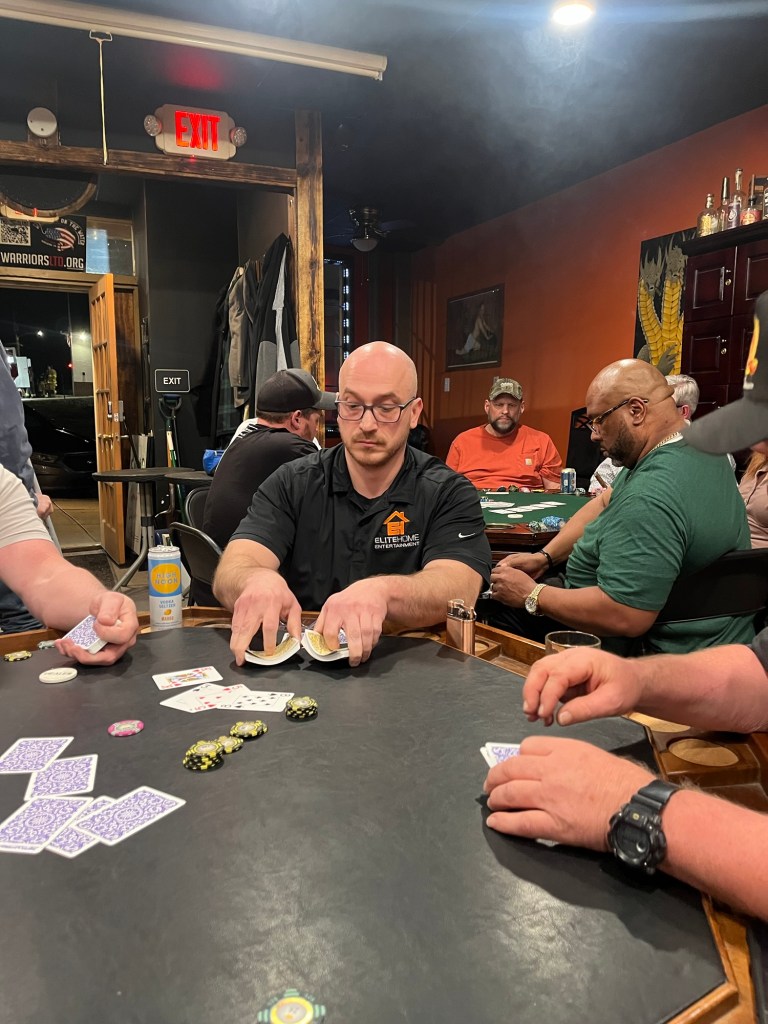
I wrote an article recently called the importance of understanding position in poker and have had several people ask me more about the different positions and what they are called. I decided to follow up with this simple explanation as a back to basics.
Poker table positions are one of the most important concepts for beginners to learn in Texas Hold’em (the most popular poker variant). Your position at the table determines when you act in each betting round, which gives you more (or less) information about what other players are doing. Acting later is a huge advantage because you see everyone’s actions before deciding.
The dealer button (a small disc labeled “Dealer”) moves clockwise each hand, so positions rotate. This guide focuses on a standard 9-handed (full-ring) table, common in live games and many online settings.
Why Position Matters for Beginners
• Early positions act first → tougher, play fewer hands.
• Late positions act last → easier, play more hands aggressively.
• Blinds post forced bets but act out of order.
Positions are grouped into early, middle, late, and blinds.
Poker Positions Explained (9-Handed Table)
1. Small Blind (SB)
Directly left of the button. Posts the small forced bet (half the big blind). Acts second-to-last preflop (after big blind calls/raises) but first postflop (after the flop). Tricky spot—play carefully.
2. Big Blind (BB)
Left of the small blind. Posts the full forced bet. Acts last preflop (great for seeing raises) but second postflop. Defend your blind with decent hands.
3. Under the Gun (UTG)
First to act preflop (left of big blind). “Under the gun” means pressure—no one has acted yet. Tightest position—only play strong hands.
4. Under the Gun +1 (UTG+1)
Next after UTG. Still early position. Similar to UTG: be selective.
5. Lojack (LJ) or Middle Position
Early-middle. More flexibility than UTG but still somewhat early.
6. Hijack (HJ)
Middle-late position (right of lojack). Good spot to open-raise if folded to you.
7. Cutoff (CO)
Right of the hijack (one seat right of button). Strong late position—often steal blinds with wider ranges.
8. Button (BTN)
The dealer position (button in front). Best seat overall. Acts last postflop in almost every hand—maximum information. Play most hands aggressively here.
Quick Tips for Beginners
• Position > Cards — A mediocre hand in late position often beats a good hand in early position.
• Always note the button location—it shows who’s in late position.
• In online poker or 6-max games, positions shift (fewer early seats, more late-play opportunities).
• Start by playing tight from early positions and looser from late.
Mastering positions will instantly improve your game more than memorizing hand rankings. Practice at low-stakes tables, watch where the button is, and ask yourself: “Do I act early or late?” Good luck at the tables
If you enjoyed this article please like, comment subscribe and share. Thank you and see you at the tables!
Monthly Home Game March
Another good time, cigars, beverages, and cards! 18 players battling for 1st place prize and points to the championship! Action was slow till level 2 brought tons of action! After the break players returned to 150/300 blinds and things really heated up! Action quickly progressed from 3 starting tables to 2 and now down to 1.
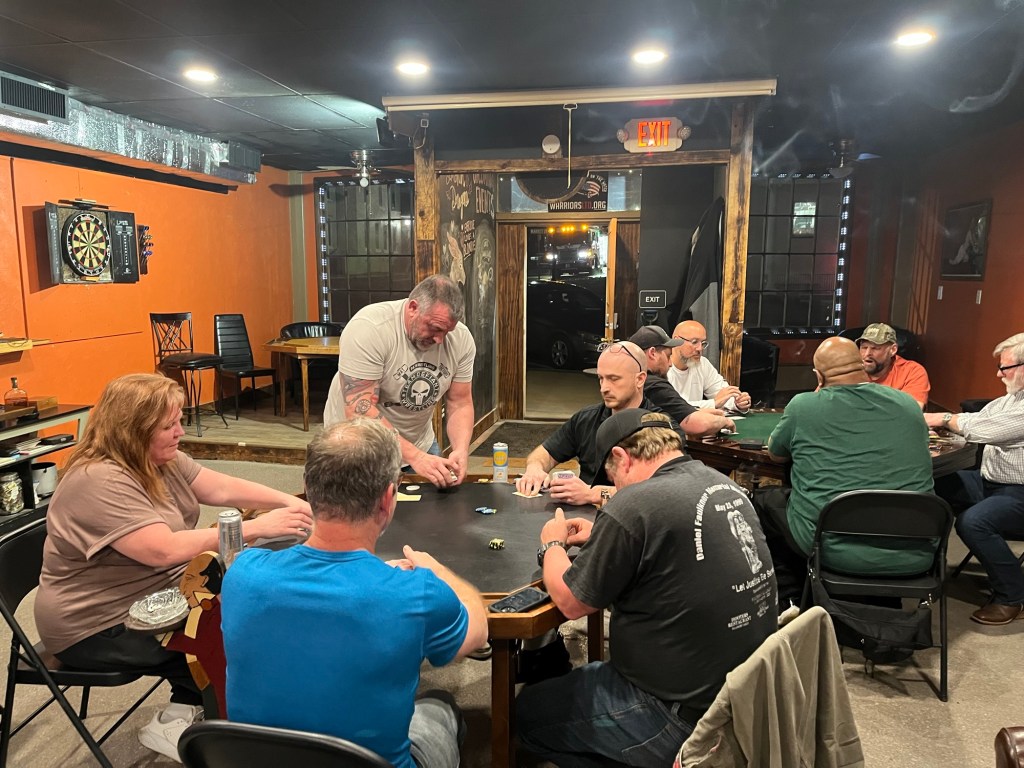
Final table action takes off at 350/700…and we’re off!
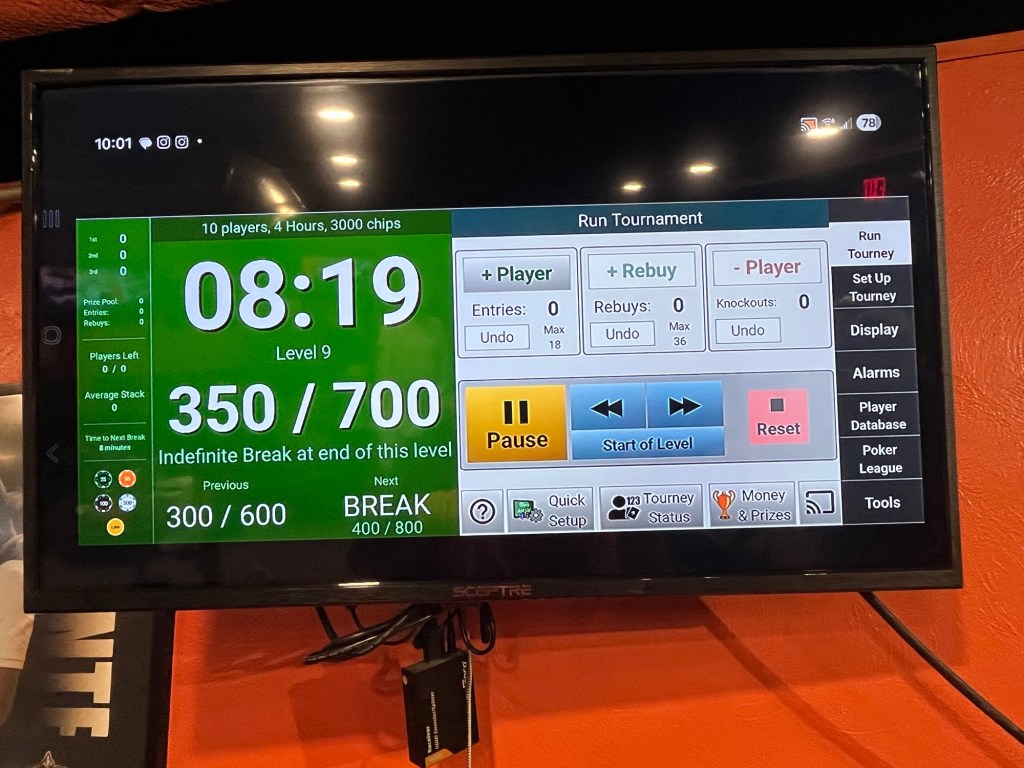
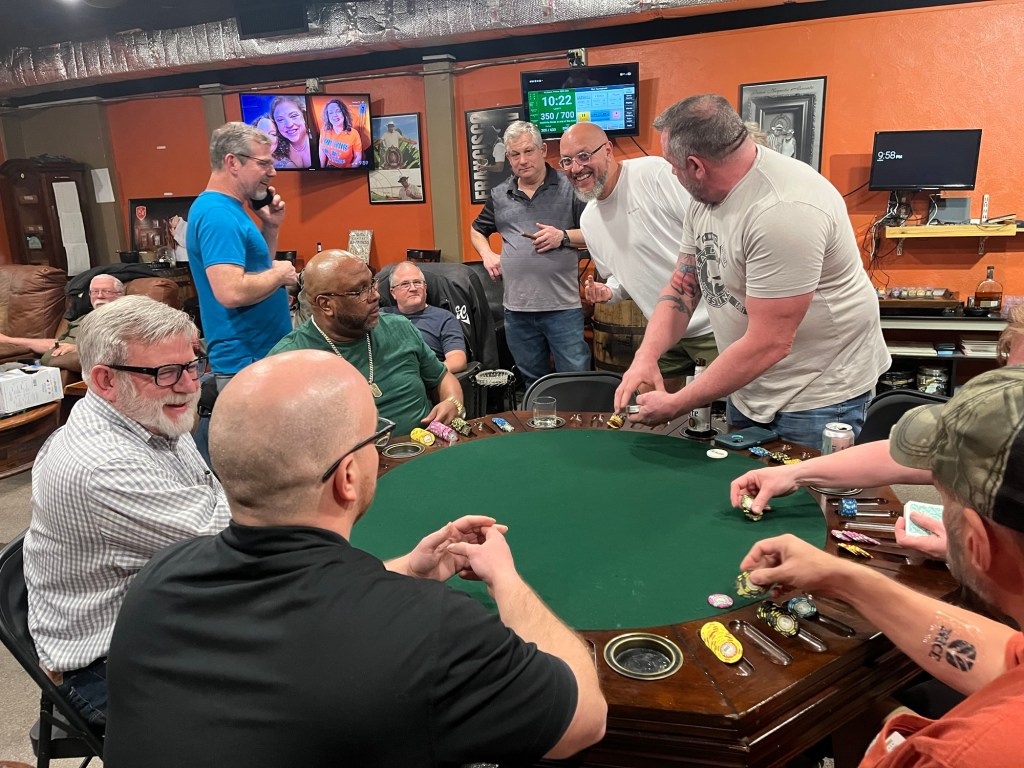
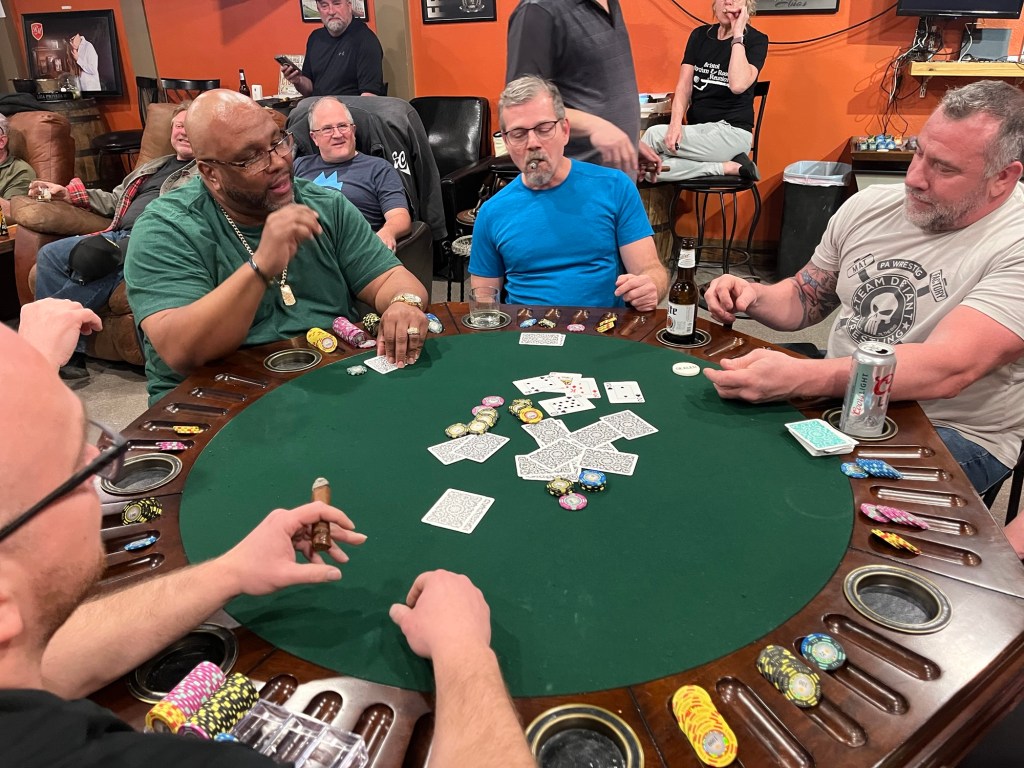
Action continues fast and furious till we get to the final 4. But then Leslie loses to quad 4s to Lem who also now takes the high hand. Play now down to 3.
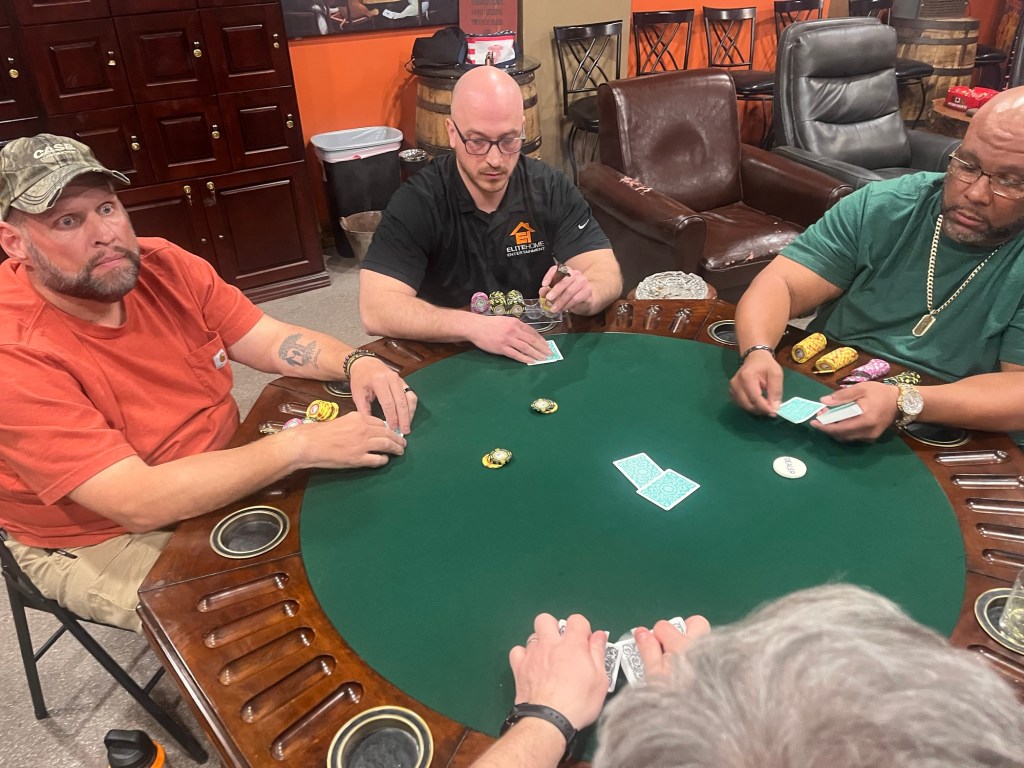
After some back and forth Jeff wins a much needed hand with Pocket Aces, however a few hands later the game end in a wild hand!
Jeff flat calls with King King, Terry and Lem are in the blinds, Terry calls from the small 8 6 off and Lem checks his option with K 6 off. Flop comes out 6 3 6. Jeff jams all in with 2 pair, Terry and Lem both call with Trips… Lem is the winner when his his King kicker holds.
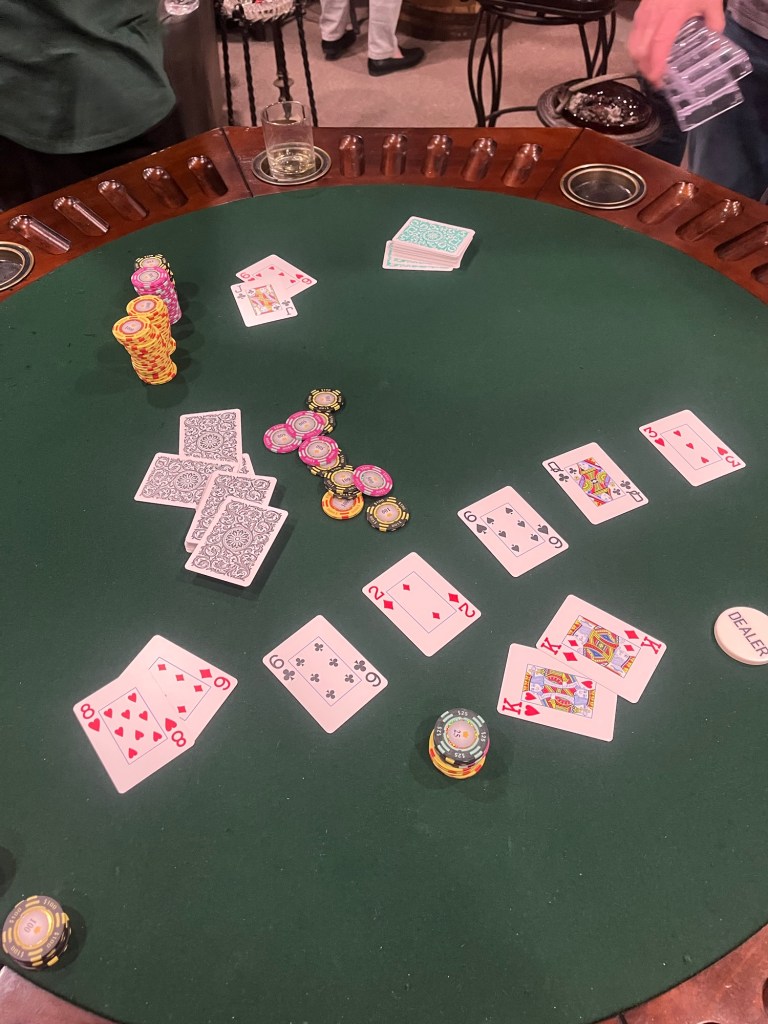
Congratulations to all 3 and Leslie and Sean both earn points toward the Championship.
Home Game Tournament Blind Timer
Here’s a quick blog post about the benefits of using a Blind Timer in your home games. Below is a great low priced option that you can order with the link below. Great way to bring a professional touch to your home game!
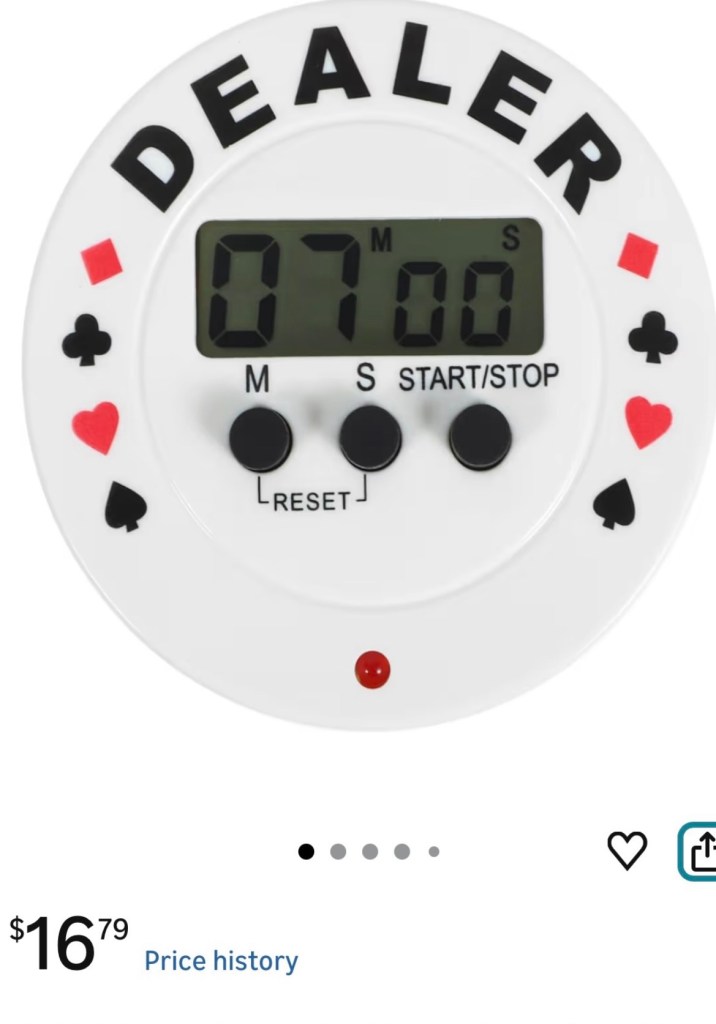
Why Every Home Poker Game Needs a Timer (And How to Use One)
If you’ve ever hosted (or played in) a home poker night, you know the drill: blinds creep up slowly because someone forgets to call “blinds up,” the game drags on forever, players get tired or bored, and suddenly it’s 2 a.m. with half the table still in but everyone wanting to go home. Enter the humble poker timer—one of the simplest upgrades that makes your home games feel way more professional and enjoyable.
A poker timer (usually a free or cheap app on your phone/tablet) handles blind levels, breaks, and alerts automatically. No more awkward “hey, can we speed this up?” moments.
Key Benefits of Using a Timer
• Keeps the game moving at a predictable pace — Everyone knows exactly when blinds increase, so play stays action-oriented instead of turning into a 6-hour slog.
• Prevents arguments over timing — “Did the level just end?” disappears when a loud beep or voice announces “Blinds up!” and shows the new levels.
• Creates better poker — With structured blind increases, short stacks get pushed, decisions matter more, and skill (not just chip hoarding) shines through.
• Builds in breaks — Most timers let you schedule 5–10 minute pauses for snacks, bathroom runs, or a quick stretch—keeping energy high.
• Ends games on time — Want a 3–4 hour tournament? Set it up so the structure finishes around then instead of dragging indefinitely.
A lesson in playing $2/$5 min buy.
Since recently I got a chance to play $2/$5 and got stacked, I decided to do my research and write an article about how to best play with a minimal buy in. I included the resources.

Optimal Starting Hands for $2/$5 Poker: Short Stack Strategy with Minimum Buy-In (40BB)
If you’re grinding $2/$5 No-Limit Hold’em live cash games and buying in for the minimum (usually $200, or 40 big blinds), your poker strategy must change dramatically from the deep-stack playbook most players follow.
With only 40BB, you can’t rely on implied odds, multi-street bluffs, or speculative hands like suited connectors. Instead, you need tight, aggressive preflop play focused on premium starting hands that make strong top pairs or better right away.
In this guide, we’ll break down the optimal starting hands for $2/$5 poker at minimum buy-in, provide position-based ranges, and share pro tips to maximize your edge. Whether you’re new to short-stack play or looking to optimize your $2/5 NLHE strategy, this is your complete roadmap.
Why Minimum Buy-In Changes Everything in $2/$5 NLHE
Most $2/$5 tables allow a minimum buy-in of $200 (exactly 40 big blinds). This short-to-mid stack depth turns the game into a high-variance, preflop-heavy battle.
Key differences from 100BB+ deep stacks:
• No set-mining with small pairs (implied odds disappear).
• Fewer postflop decisions — you often raise-or-shove preflop or commit on the flop.
• You play for stacks quickly, so hand strength and fold equity matter most.
• Opponents (recreational players and regs) overcall lighter, giving your premiums massive value.
Short-stacking isn’t always optimal long-term (deeper stacks let you extract more value), but it’s bankroll-friendly for $2/$5 and exploits loose tables common at this stake.
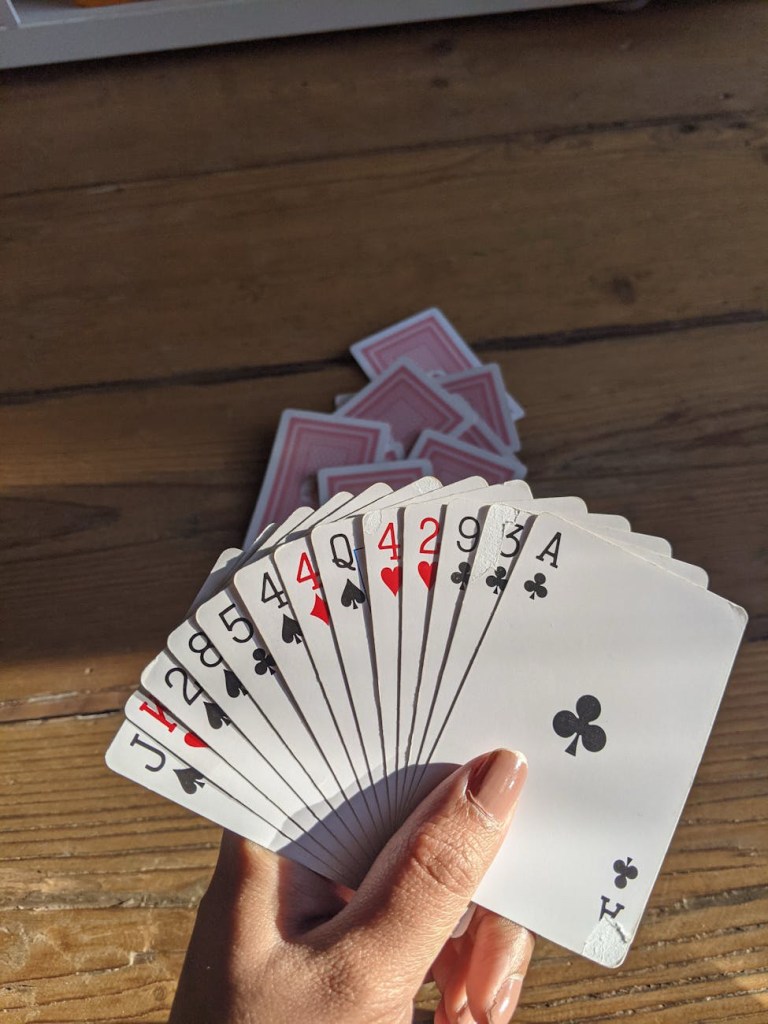
Optimal Starting Hands by Stack Depth (40BB Focus)
At exactly 40 big blinds, prioritize big-card strength hands that flop top pair or better. Avoid suited connectors (87s, T9s), small pocket pairs (22-55), and weak aces (A5s-A2s) — they lose money without deep implied odds.
Core 40BB Starting Hand List (from strongest to playable):
• Premium pairs: AA, KK, QQ, JJ
• Strong aces: AKs, AQs, AKo, AQo, AJs
• Borderline: TT, AJo, KQs (add selectively by position)
As your stack drops toward 30BB or below, tighten further and shift to shove-or-fold.
Quick Reference by Effective Stack:
• 40BB: AA–JJ, AKs–AQs, AKo–AQo, AJs
• 30BB or less: Add AJ, TT, ATs, KQs
• 20BB or less: Add AT, KQ, KJs, KJ
• 10BB or less: Push any Ax, QJs, QJ (all-in preflop)
These hands dominate because they win at showdown often and play well when you jam.
Position-Based Opening Ranges for $2/$5 Short Stack (40BB)
Position still matters — even short-stacked. Here’s a simple, profitable range structure for a typical 9-handed $2/$5 table:
Early Position (UTG, UTG+1):
Play ultra-tight (top ~8-10% of hands).
Raise 3–4x BB (or larger to $20–$25).
Hands: AA–JJ, AKs–AQs, AKo–AQo
Middle Position (MP):
Slightly wider.
Hands: AA–TT, AKs–AJs, AKo–AJo, KQs
Late Position (Cutoff, Button):
Steal more aggressively, especially vs. passive blinds.
Hands: AA–99, AKs–ATs, AKo–AJo, KQs–KJs, QJs
(Shove wider from Button if blinds fold often.)
Blinds Defense:
3-bet shove premiums vs. opens. Call lighter only with position and very weak openers.
Pro Tip: Always raise first-in — never limp. At $2/$5, a $15–$20 open builds the pot while giving you fold equity. If facing a raise, 3-bet shove your strongest hands (QQ+, AK) for maximum pressure.
How to Play These Hands Postflop (Short Stack Style)
With 40BB, postflop play is simple ABC poker:
• Hit the flop strong? Bet big or jam (especially top pair top kicker or better).
• Miss? Check-fold unless you have a strong draw with equity.
• C-bet size: 50–75% pot or all-in on coordinated boards.
• Avoid fancy bluffs — your edge comes from value, not hero folds.
Example: You open AKs from middle position for $20. Flop comes A-7-2 rainbow. With ~35BB behind, jam — most $2/$5 opponents call with weaker aces or draws.
7 Essential Tips for Winning $2/$5 Short Stack Play
1. Learn preflop ranges cold — Every decision is worth big chunks of your stack.
2. Track effective stacks — Always play to the shortest stack at the table.
3. Raise bigger preflop — $15–$25 opens deter multi-way pots.
4. Exploit loose callers — $2/$5 players love calling with KJo or 76s — your premiums crush them.
5. Don’t get below 30BB — Top up if you lose a pot to stay in the 40BB sweet spot.
6. Leave after doubling up (optional) — Many short-stackers cash out winners to lock in profit.
7. Bankroll for variance — Short-stack play has big swings; bring 30–50+ buy-ins.
Common Mistakes to Avoid in $2/$5 Minimum Buy-In Games
• Playing suited connectors or small pairs — They bleed money without implied odds.
• Limping or min-raising — Builds small pots and invites multi-way action.
• Being too passive — Short stacks must apply pressure.
• Ignoring table dynamics — Looser tables = wider late-position steals.
Final Thoughts: Crush $2/$5 with Minimum Buy-In
Mastering these optimal starting hands for $2/$5 poker with a 40BB minimum buy-in gives you a massive edge over recreational players who treat it like deep-stack poker. Stick to premiums, play tight-aggressive, and watch your win rate climb.
If you enjoyed this article please like, comment, share or subscribe! Thank you and I’ll see you at the tables!
Article Sources:
Early Stage play in a multi table Poker Tournament
Mastering Early-Stage MTT Play: Play Tight, Stick to Premium Hands, and Exploit Weakness Like a Pro
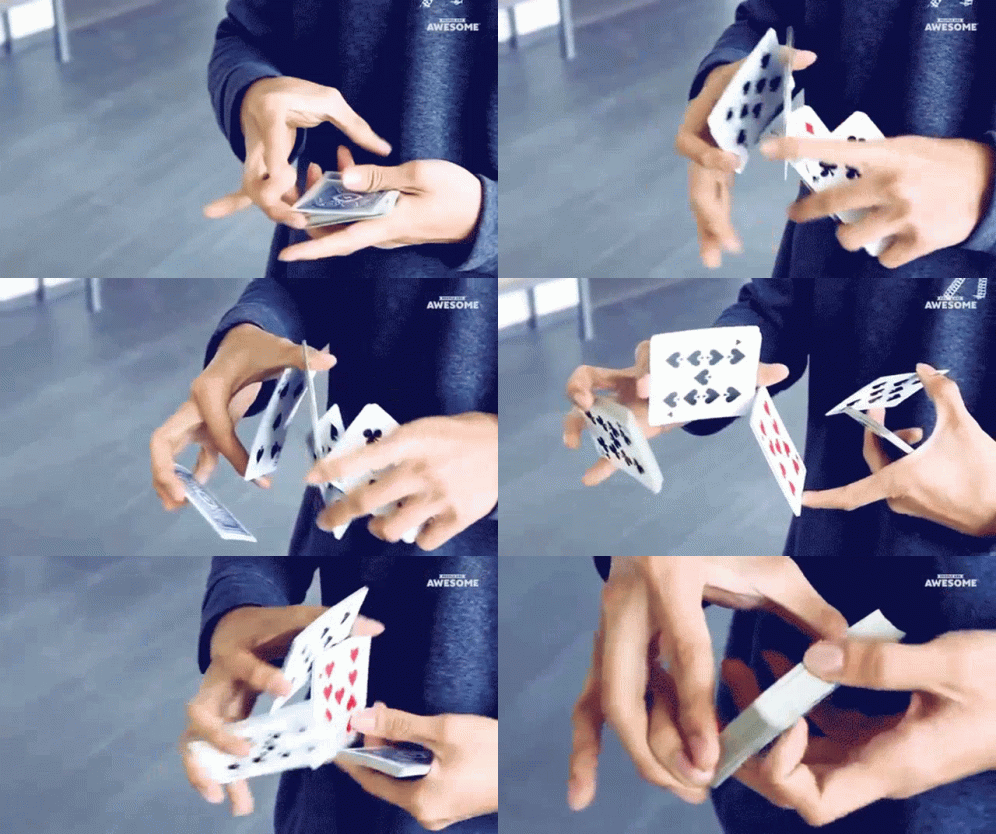
If you’ve ever busted out of a poker MTT in the first two hours with a speculative suited connector or a marginal ace, you know the pain. The blinds are tiny, the stacks are deep (usually 100+ big blinds), and there are still hundreds of players left. Yet so many amateurs treat the early stages like a cash game and spew chips left and right.
The truth? Playing tight early is one of the highest-EV adjustments you can make in modern MTTs. It’s not “nitty” — it’s disciplined. You’re not there to gamble; you’re there to survive, accumulate, and exploit the recreational players who are dying to give you their chips.
Here’s exactly how to do it — from hand selection to exploitation tactics that print money when everyone else is playing loose.
Why Tight Is Right in the First 2–4 Levels
- Stack preservation is king. With 100–200bb effective stacks and tiny blinds (0.5–1bb per orbit), you don’t need to steal blinds to stay alive. One bad flip or cooler can cripple you for the entire tournament.
- ICM hasn’t kicked in yet. You’re not fighting for pay jumps — you’re fighting for chip EV. Premium hands realize their equity best against multiple callers and deep stacks.
- The field is at its weakest. Recreational players are still in “fun mode.” They limp, call 3-bets with KJo, and pay off top pair with second pair. Your job is to be the shark in the tank.
Tight play early isn’t passive — it’s selective aggression. You play fewer hands, but you play them for maximum value.
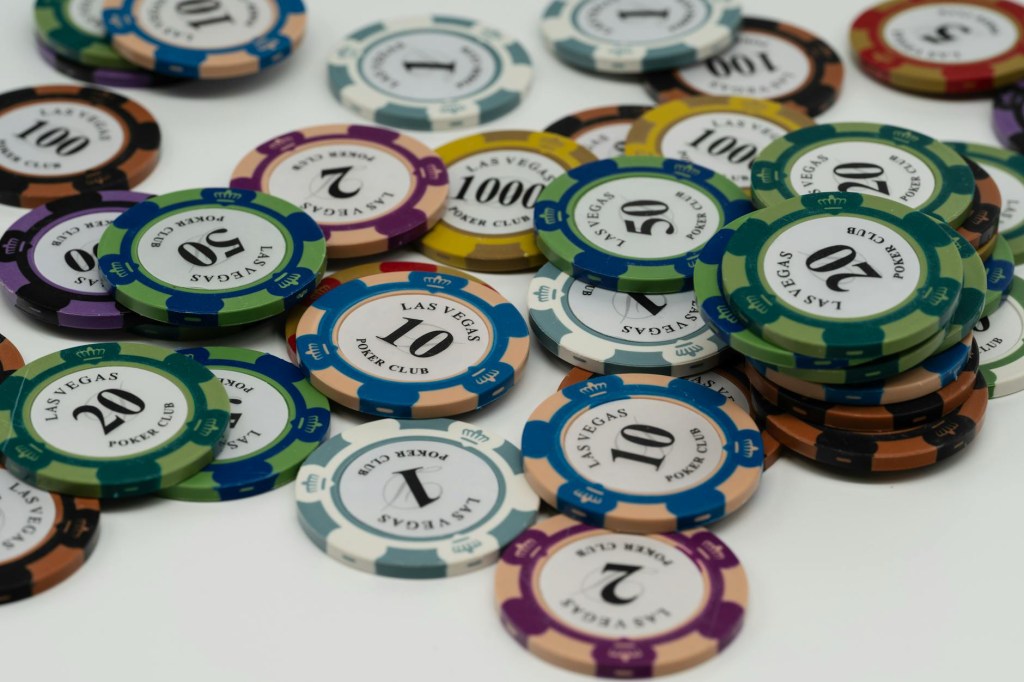
The Early-Stage Opening Range: Only the Top ~8–10% of Hands
Forget the 25% “standard” cash-game range. In an MTT with 100+bb stacks and 9-handed tables, your default opening range should look something like this (adjust slightly by position):
Early Position (UTG, UTG+1)
AA–TT, AKs–AQs, AKo–AQo, KQs
Middle Position
Add: 99–88, AJo, KJs, QJs, JTs
Late Position (Cutoff, Button)
Add: 77–66, ATo–A9s, KQo, suited connectors down to 98s (only if you have a solid postflop edge)
Big Blind Defense
Call or 3-bet only with the above plus occasional suited broadways and pocket pairs when the price is right.
Pro Tip: If the table is super soft (multiple limpers every orbit), you can widen your late-position range slightly — but never open 22 or 76s from early position just because “it’s cheap.”
How to Play Your Premium Hands for Maximum Value
- AA–KK: Raise big, always.
3–4x in early position, 2.5–3x late. If there are limpers, iso-raise huge (5–7x + 1x per limper). You want to isolate the weak players and build the pot immediately. - QQ–JJ & AK: Your bread-and-butter.
Raise standard sizing. 3-bet AK every time vs opens (especially from loose openers). With QQ–JJ, mix in flat-calls vs tight opens but 3-bet aggressively vs loose players. - Premium suited aces (AQs–AJs) and KQs:
These are your money-makers against weak ranges. Raise, call 3-bets in position, and be ready to stack off on ace-high flops when villain shows weakness. - Pocket pairs 88–TT:
Set-mine only if you’re closing the action or getting great implied odds (multiple callers behind). Otherwise, raise and take it down preflop.
Golden Rule: Never limp. Never flat-call raises with these hands unless you’re trapping a maniac (and even then, 3-bet most of the time).
Exploiting Weakness: The Real Money-Maker

This is where tight players separate themselves from the pack. While you’re waiting for premium hands, you’re laser-focused on the table dynamics.
Target these player types early:
- The “Fun Guy” — Limps 40% of hands, calls 3-bets with any two broadways, and never folds top pair.
- The Sticky Fish — Calls every raise with suited connectors and small pairs, then pays off when he hits second pair.
- The Over-Limper — Limps every orbit from every position. These players are printing money for you.
Exploitation Tactics:
- Iso-raise relentlessly. Limpers + one raise = your premium hand gets called by junk. A 5–7x iso-raise with AK or QQ often wins the pot preflop or gets heads-up against a dominated hand.
- 3-bet light vs weak openers. If a loose early-position player opens 25%+, 3-bet AK, AQ, and even some bluffs (but mostly value). They fold too much and call too wide when they do continue.
- Barrel weakness. On A-high or K-high boards, these players will check-fold second pair or gutshots way too often. One or two continuation bets usually take it down.
- Value bet thin. They call down with Kx on an A-high board. Bet your top pair for three streets.
Example Hand (real-life spot I’ve seen 100 times):
Hero (Button, 150bb): AKo
Villain (MP, recreational, limped 6 of last 8 orbits): Limps
Hero raises 5x. Villain calls.
Flop: A♠7♥3♦
Villain checks. Hero bets 60% pot. Villain calls.
Turn: 9♣
Villain checks. Hero bets 70% pot. Villain calls.
River: 2♠
Villain checks. Hero bets 80% pot and gets called by K7o.
That’s +150bb because you played tight early and waited for the right spot to isolate weakness.
Common Mistakes to Avoid
- Opening too wide early just because “the blinds are small” — variance will destroy you.
- Getting married to suited connectors preflop — save them for middle/late stages when stacks are shallower.
- Failing to adjust when the table tightens up — if everyone is suddenly playing solid, widen slightly in position.
- Slow-playing monsters — build the pot early against weak players who over-call.
Final Thoughts: Tight Early = Stack Monster Later
Playing tight early in an MTT isn’t boring — it’s strategic patience. You’re not folding to win; you’re folding to set up the biggest stack at your table when the blinds start to matter and the weak players start making massive mistakes.
Stick to the top hands, iso-raise the limpers, 3-bet the weak openers, and value bet relentlessly. Do this for the first 2–4 levels and you’ll find yourself at the final table with a massive stack far more often than the gamblers who “just wanted to see a flop.”
Now go crush those early stages.
What’s your biggest leak early in MTTs? Drop it in the comments — I read every one.
If you enjoyed this article please like, share, comment and subscribe! Thank you and I’ll see you at the tables!
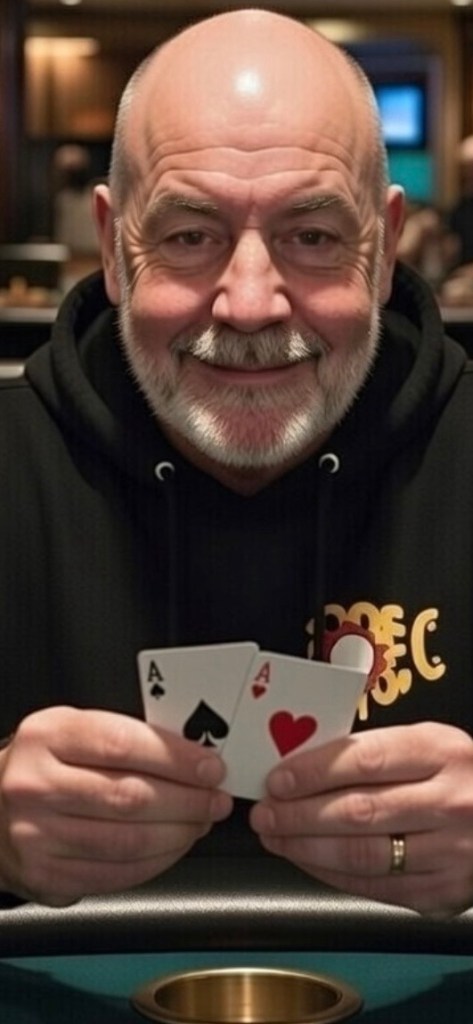
3rd Annual Championship Tournament!
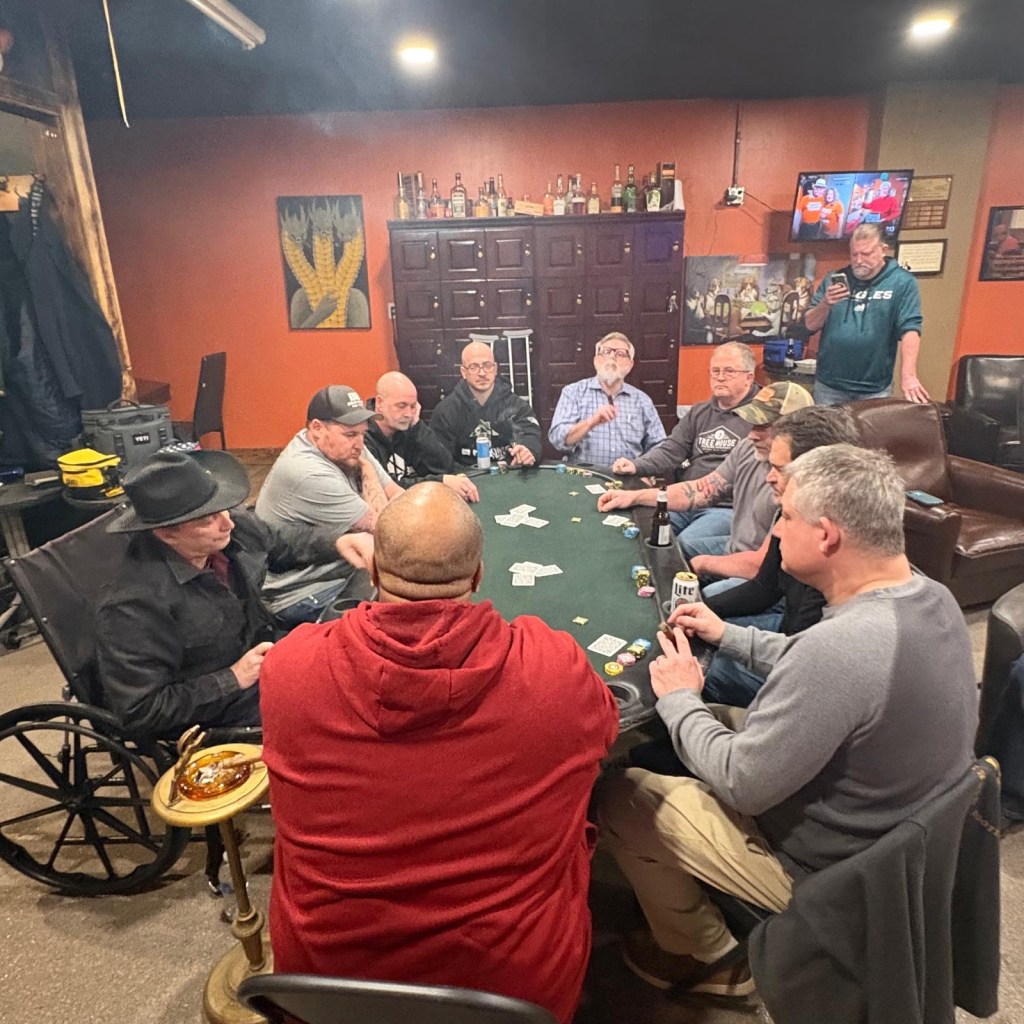
February 17th was the 3rd annual Championship Tournament at our local home game! The top 10 scoring players throughout the year are invited to play in the event! So even making it to the Championship should be considered a victory in itself. The pot is accumulated throughout out the year from the monthly tournaments so this year’s prize was Awesome and there’s also the coveted Championship Bracelet. The tournament host Mel and the club owners Scott and Leslie do an incredible job managing this throughout the year! Thank you to all of them for hosting such a great series of tournaments!
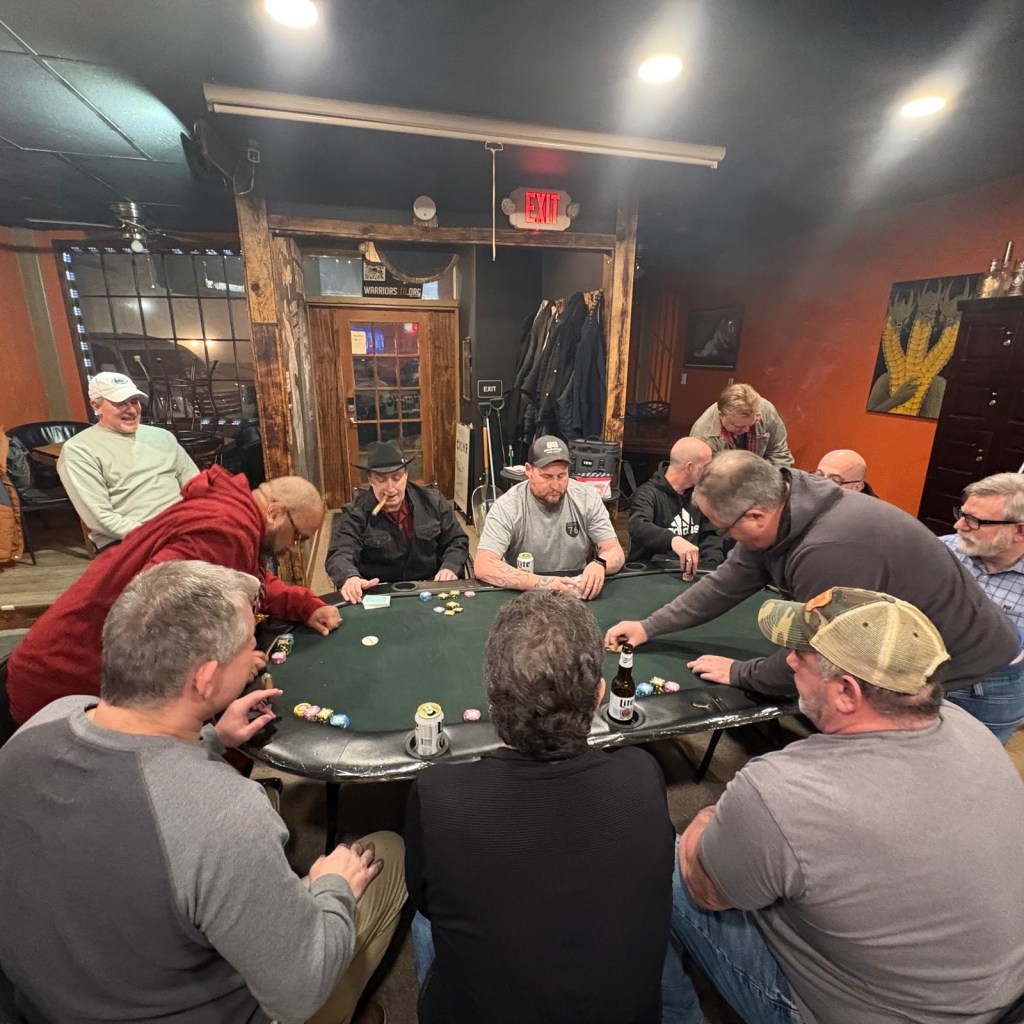
The tournament brings out the best gamesmanship, the best bluffs and steals, the best play and of course the best banter! This year was no exception as there was definitely so wild moves, and wilder calls!
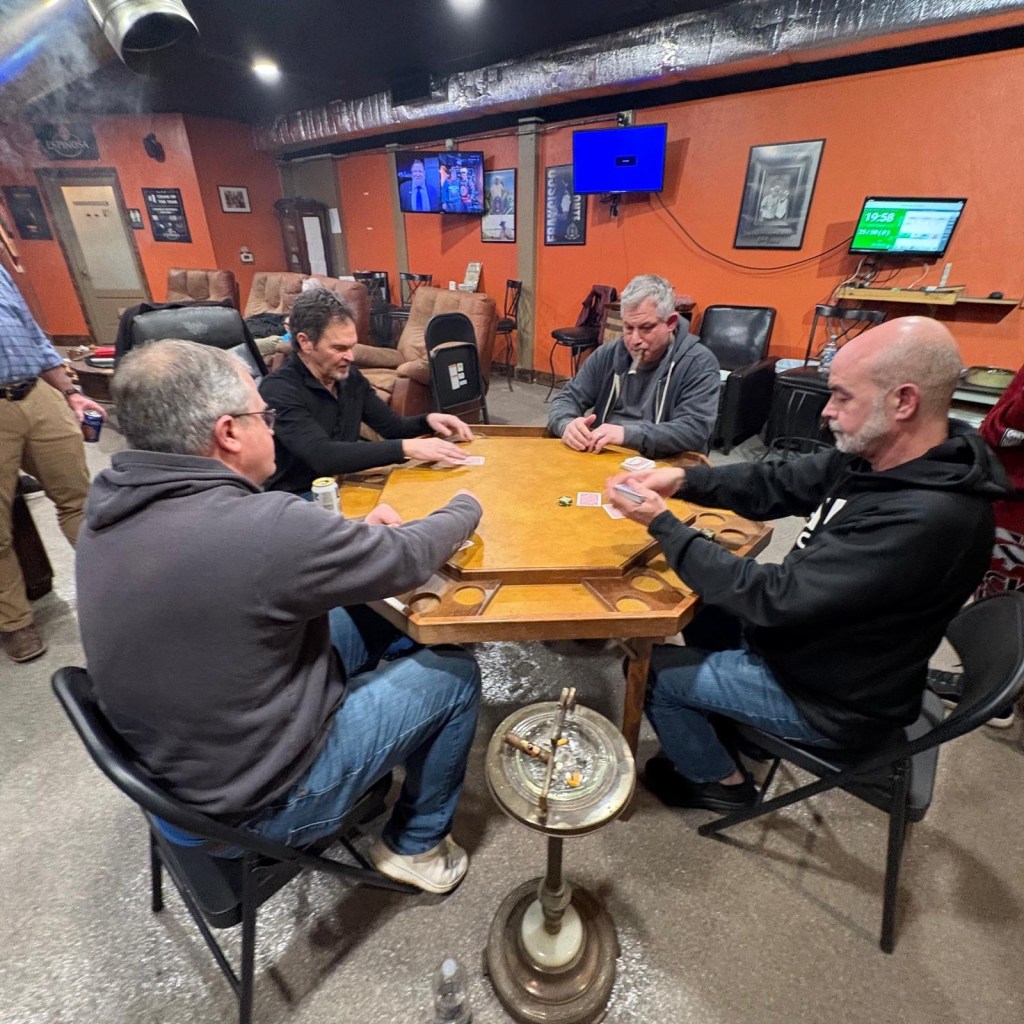
This year on top of the prize pool each player added an additional buy in and every player put up a 5 buck bounty on themselves, making the action even more aggressive!
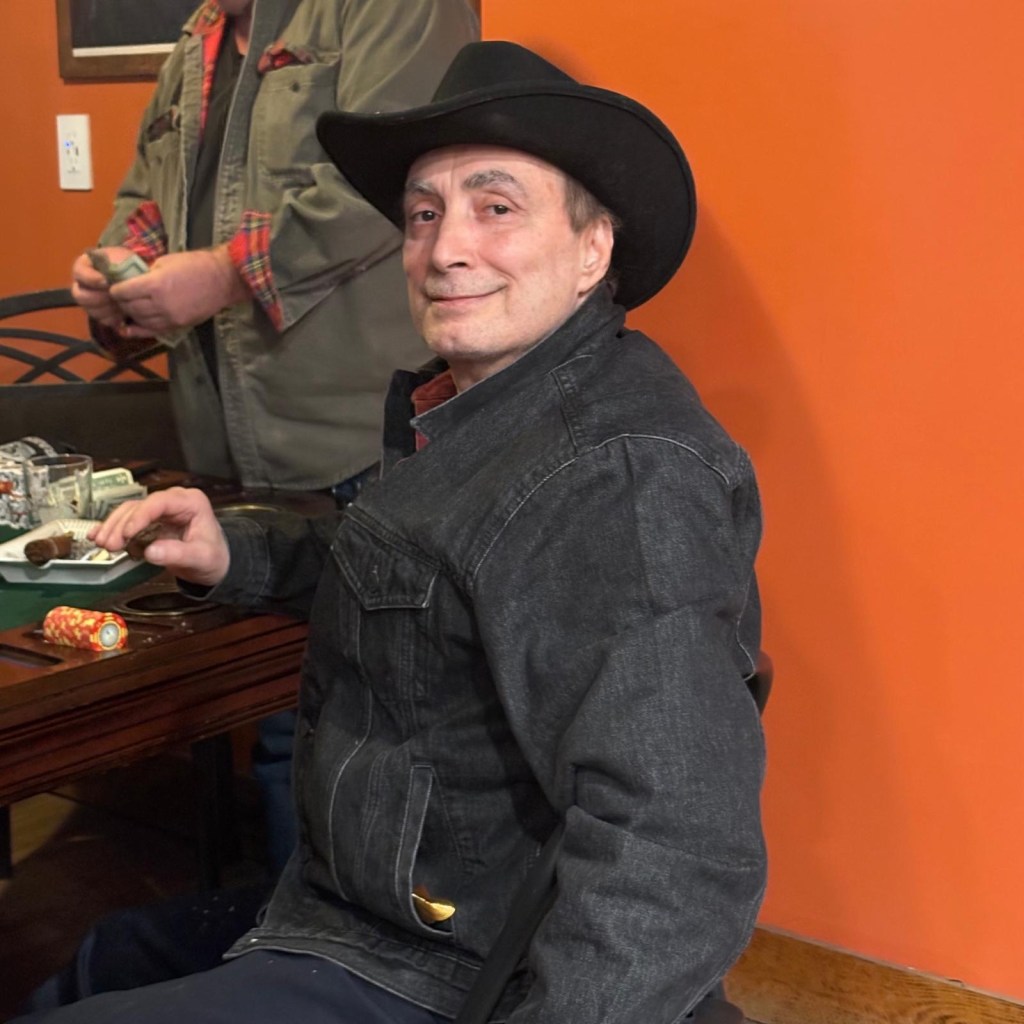
The final 5 Lem, Scotty “doesn’t know “ Greg ( by all accounts is one of the most improved) myself, and the chip bully ( sorry chip leader) “5 buck Chuck” ( new nickname cuz he was collecting bounties)
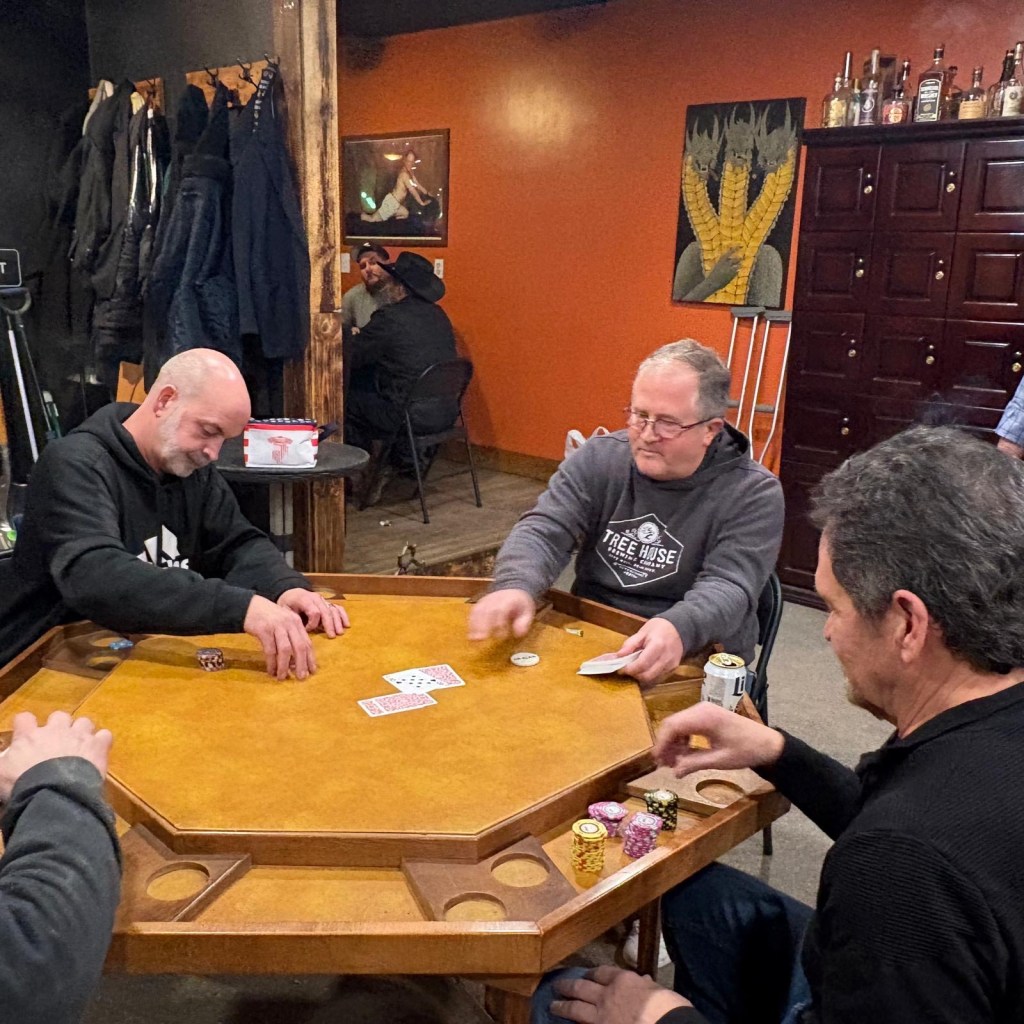
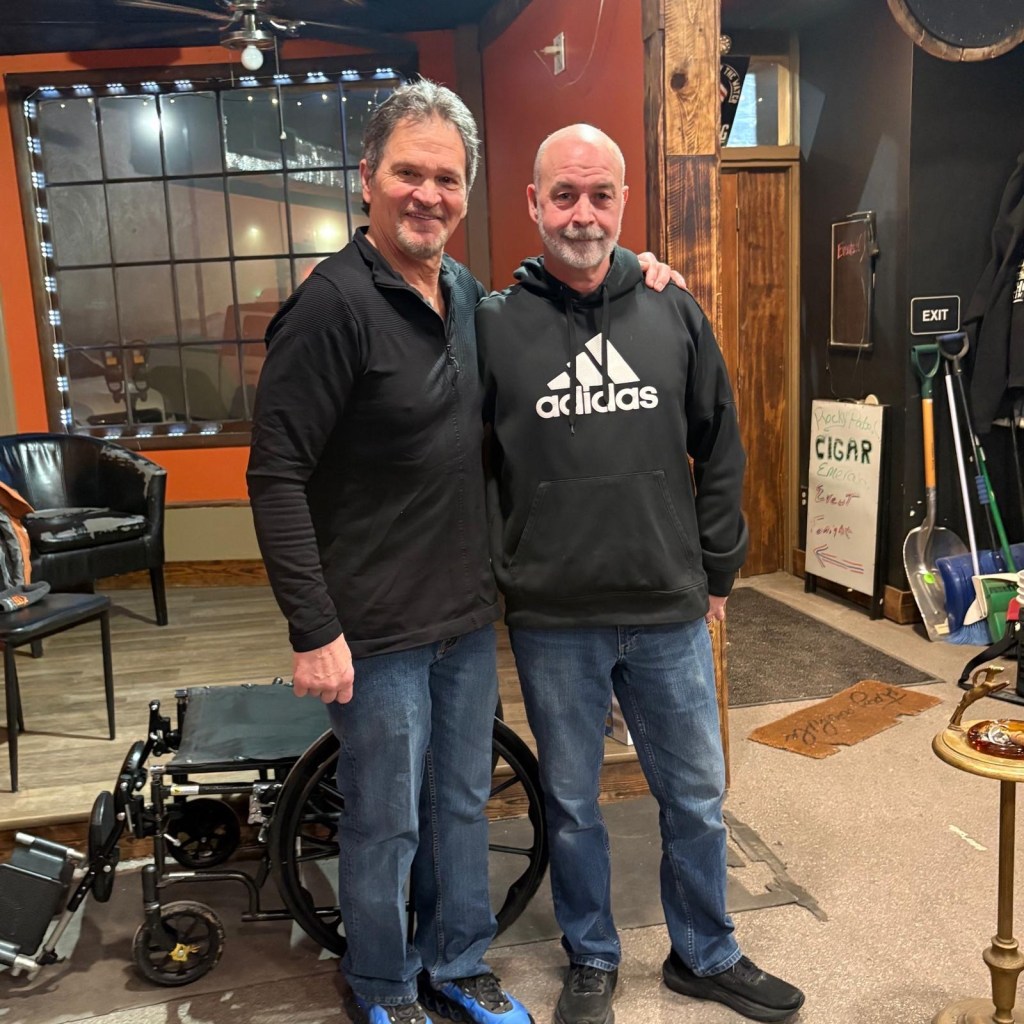
Final 2 heads up myself and Chick decided to chop, could’ve played a bit longer but honestly Chuck’s play deserved to win, consistent, aggressive play I enjoyed being a part of it! Great Job Chuck now everyone can go after you for the rest of the year!!!
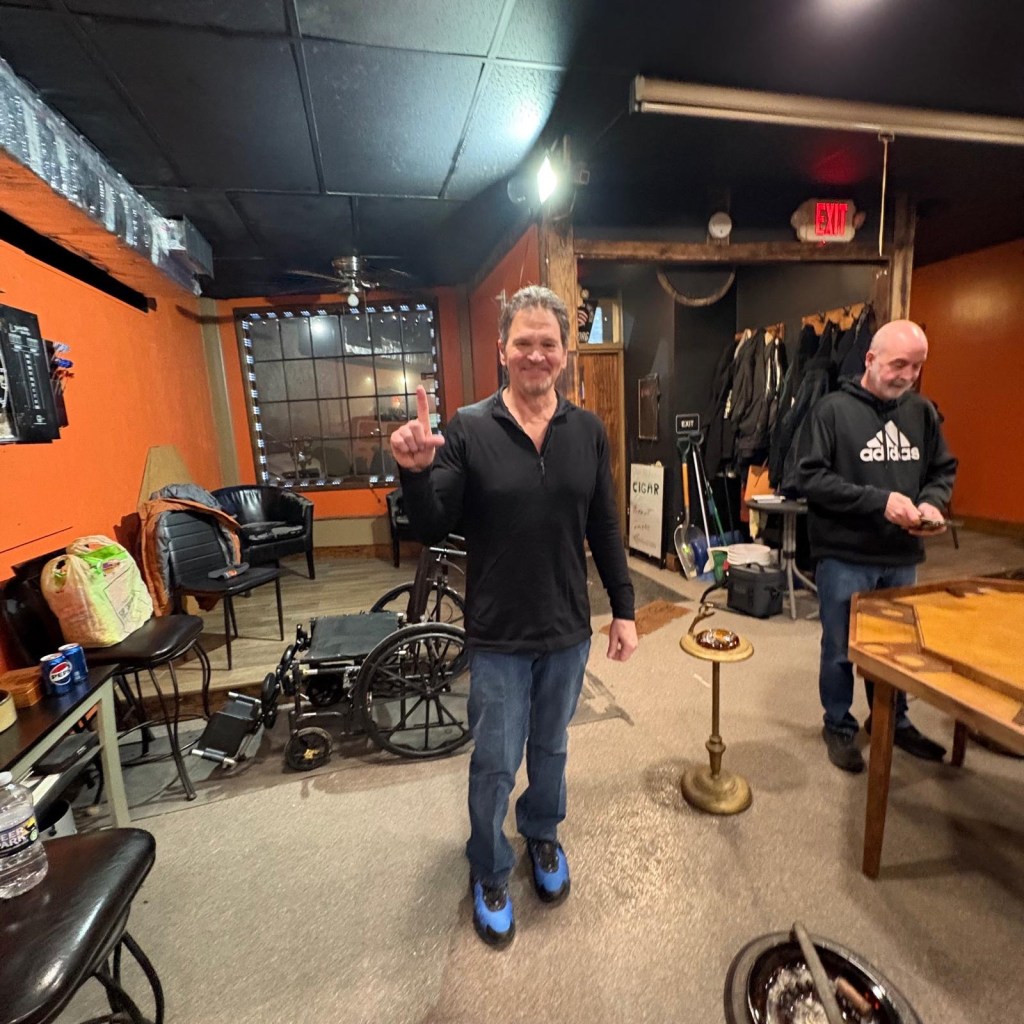
I’ve managed to be selected for all 3 Championships so far however have only been able to get to 2nd in 2 of the 3. For me I enjoy the game, I enjoy the people, but hopefully next year I can win the freaking bracelet!
If you enjoyed this article please like, comment or subscribe. Thanks for reading and I’ll see you at the tables!
Monthly Home Game Fun!
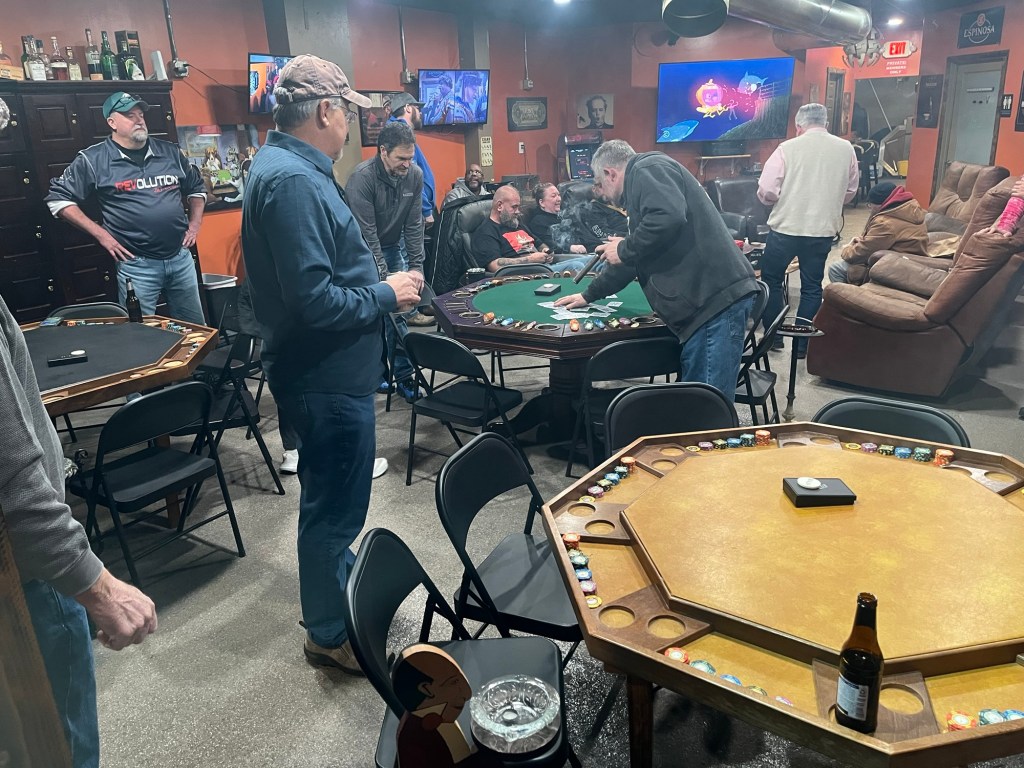
This past week was the monthly tournament,full of competitive, great players! I really enjoy playing cards with this group, great venue, having a few drinks, smoking cigars and the banter amongst everyone is top notch!a small $ amount and a cigar buys you in and additional $5 and your part of the high hand prize. The tournaments are well run with nice tables and poker chips and there is a blind clock to manage the rounds!
The tournament director is incredible and everyone has a fun time! Whether you’re playing great or your down everyone is supportive and there to hang out and enjoy the camaraderie!
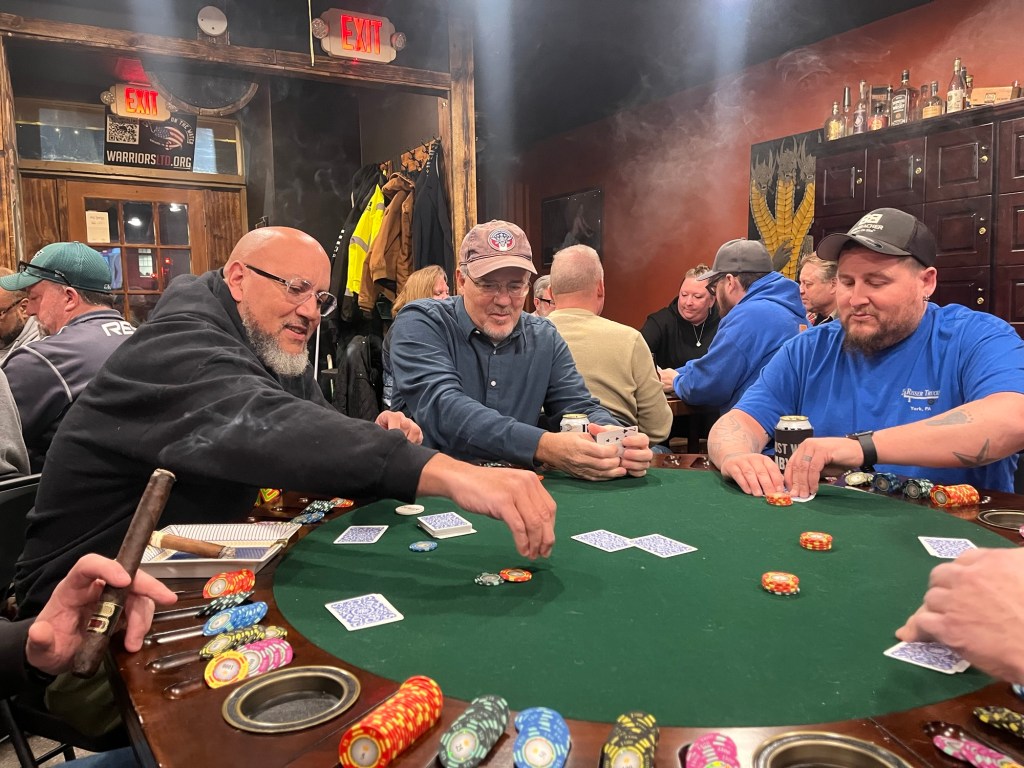
The atmosphere is great and the hands can get wild. The pace and the action is great for both beginners and those that have played for years.
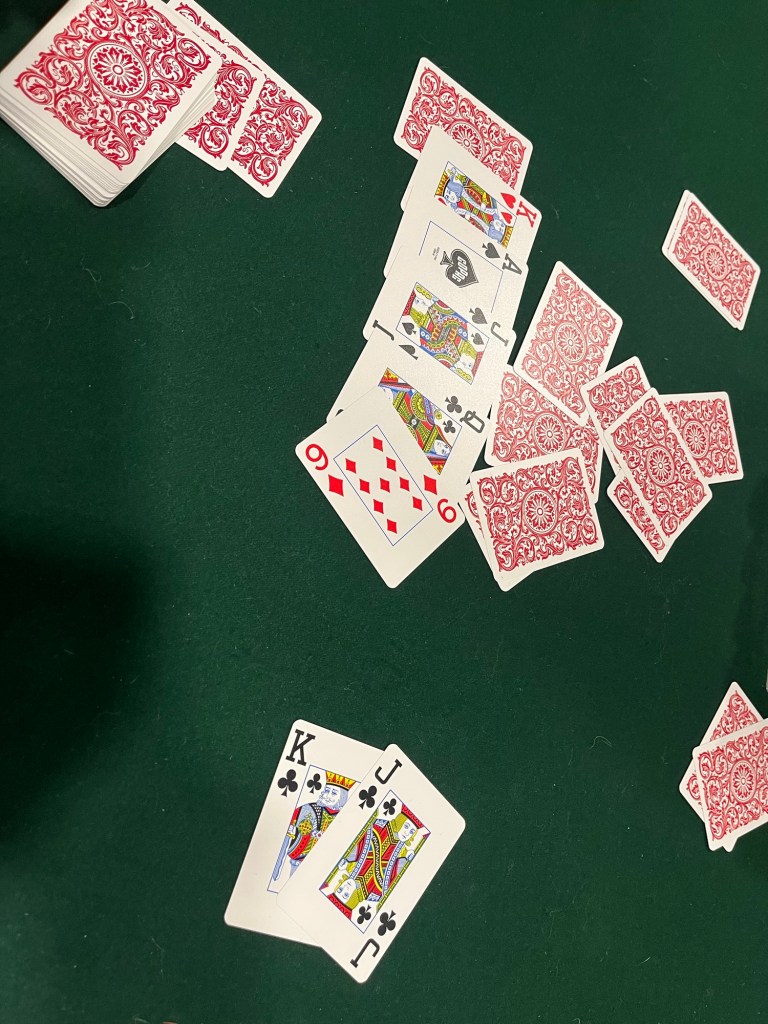
It’s a great time, and allows me an opportunity to continue to learn and sometimes share what I’ve learned. Whether I’m trying a new strategy or losing with my current strategy I enjoy playing with great people and watching the game evolve. Making new friends and building on long friendships, the relationships amongst players is often overlooked in the poker “how to” guides!
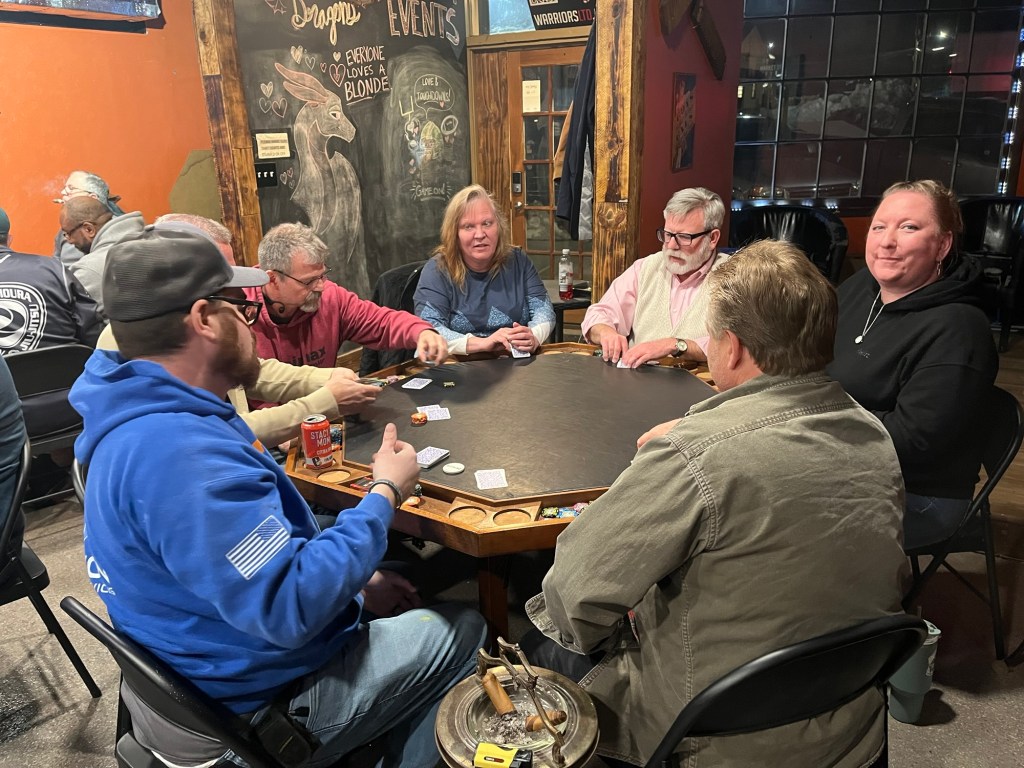
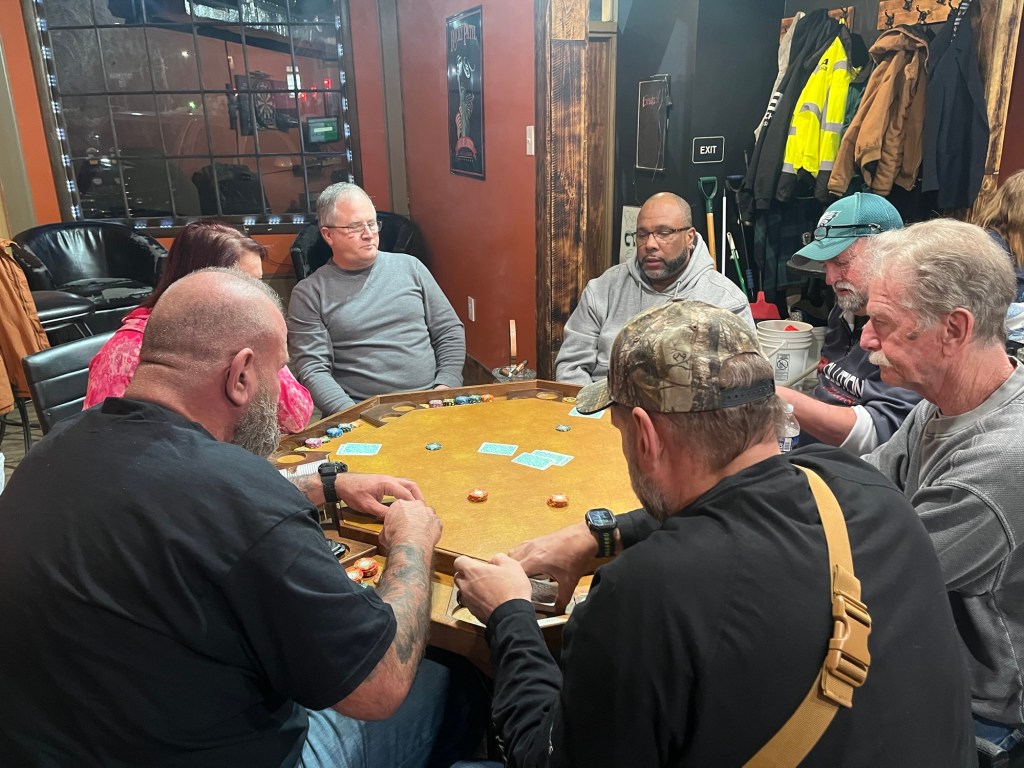
In ending whether you’re a recreational player, a grinder or even a pro, make time for your home game. Enjoy the players, the relaxed pace and try to enjoy yourself! (Bluff your ass off)
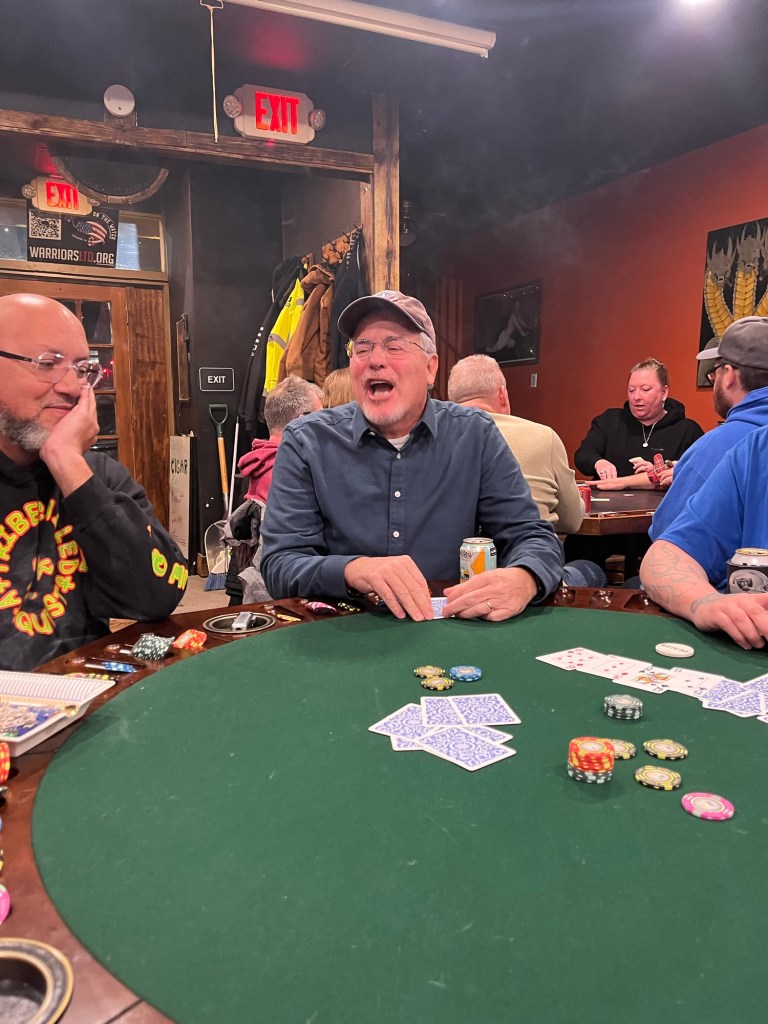
This article is dedicated to Terry missed you last week brother and Sean who will be missed as he heads off to great opportunities in Cali!
If you enjoyed this article please like, share and subscribe! Thank you and See you at the tables!
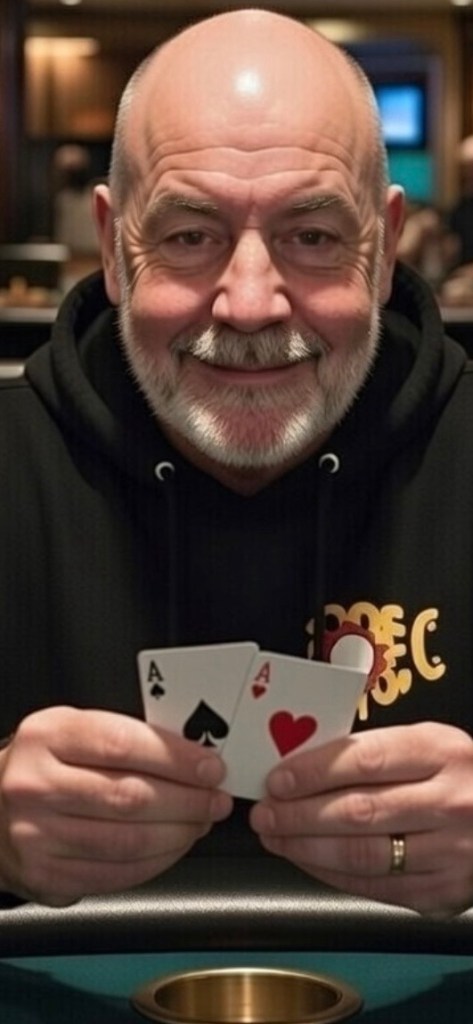
What kind of Poker Player are you?
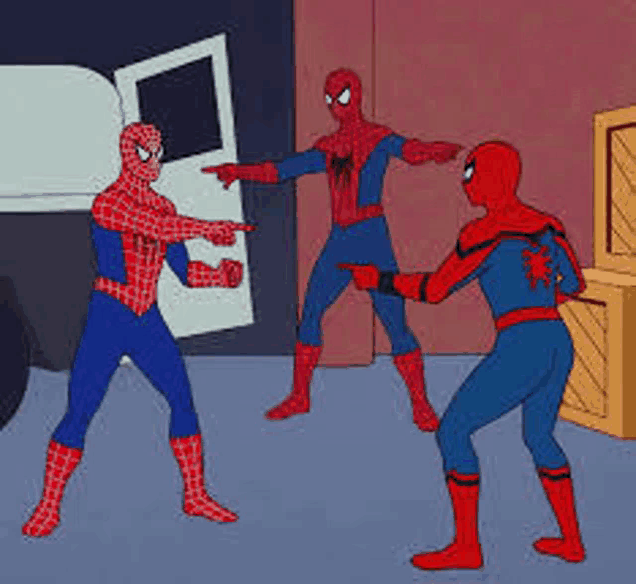
Understanding Poker Player Types: Casual, Recreational, and Regular Players Explained
In the world of poker, knowing the different types of poker players can give you a real edge at the table. Whether you’re a beginner searching for poker playing styles or a seasoned grinder looking to exploit poker players, understanding categories like casual poker player, recreational poker player, and poker regular is key. These poker player types influence game dynamics, strategy, and even where you choose to play—be it online poker sites, live casinos, or home games. In this guide, we’ll break down each type with brief descriptions, highlighting their motivations, habits, and how they fit into the broader poker strategy ecosystem.
What Is a Casual Poker Player?
A casual poker player is the epitome of low-commitment fun in the game. These players dip into poker sporadically, often treating it like any other leisure activity—think someone who joins a friendly home game during holidays or logs into a free online poker app when bored. Their primary goal isn’t winning big; it’s simply enjoying the social vibe or killing time.
Key traits of a casual poker player:
• Frequency: Plays infrequently, maybe a few times a year.
• Strategy: Minimal knowledge beyond basic rules; decisions are gut-based, leading to common mistakes like chasing unlikely draws.
• Mindset: Low stakes, no bankroll management—losses are just part of the entertainment.
• Impact on Games: They add unpredictability but aren’t consistent enough to be reliable “action” providers.
If you’re searching for beginner poker tips, starting as a casual player is a low-pressure way to learn without the grind.
What Is a Recreational Poker Player (Rec)?
Often abbreviated as “rec,” a recreational poker player takes the hobby a step further than casuals. These are the enthusiasts who play for the thrill and social interaction, viewing poker as a fun escape rather than a job. In poker lingo, recs are the “fish” that keep games juicy, as they prioritize enjoyment over profit.
Brief description of a recreational poker player:
• Frequency: Regular sessions, like weekly casino visits or online games a few times a month.
• Strategy: Basic understanding of hands, but prone to loose calls and speculative plays—think overvaluing suited connectors in video poker or live settings.
• Mindset: Accepts long-term losses as the “cost of fun,” similar to a night out. They might watch poker streams or follow pros for entertainment.
• Impact on Games: Essential for the ecosystem; pros love tables full of recs because they’re exploitable with solid poker strategy.
Recs embody the spirit of free poker games but with real money on the line, making them a staple in discussions about poker player differences.
What Is a Regular Poker Player (Reg)?
A poker regular, or “reg,” represents the more serious side of non-pro play. These players treat poker as a consistent pursuit, often aiming to break even or profit over time. They’re the familiar faces at local card rooms or online tables, grinding sessions with discipline.
Essential traits of a poker regular:
• Frequency: Plays frequently, sometimes daily, with a routine schedule.
• Strategy: Employs structured approaches like tight-aggressive (TAG) or loose-aggressive (LAG) styles, focusing on stats, position, and reads to exploit poker players.
• Mindset: Bankroll-focused, with goals for improvement—might use tools like HUDs or study resources to refine their game.
• Impact on Games: They stabilize tables but can make them tougher; regs often spot and avoid each other, targeting recs and casuals instead.
For those researching poker terms or advancing from casual play, becoming a reg involves mastering essential poker math and player reads.
Key Differences Between Casual, Rec, and Regular Poker Players
To sum up the poker player types:
• Casual vs. Recreational: Casuals play rarely and passively, while recs are more engaged hobbyists who show up often but still prioritize fun over strategy.
• Recreational vs. Regular: Recs lose money long-term for enjoyment, whereas regs aim for sustainability or profit through disciplined play.
• Overall: Casuals bring whimsy, recs fuel the action, and regs provide the challenge—together, they create balanced, exciting games.
Understanding these types of poker players can transform your sessions. If you’re a casual poker player eyeing progression, start by observing regs at free poker games to pick up tips. For regs, spotting recs is your path to profitability.
Whether you’re into online poker or live tournaments, recognizing these categories enhances your experience. What’s your poker player type? Share in the comments below!
Thank you for reading this article. If you enjoyed it please like, comment or subscribe! See you at the table!
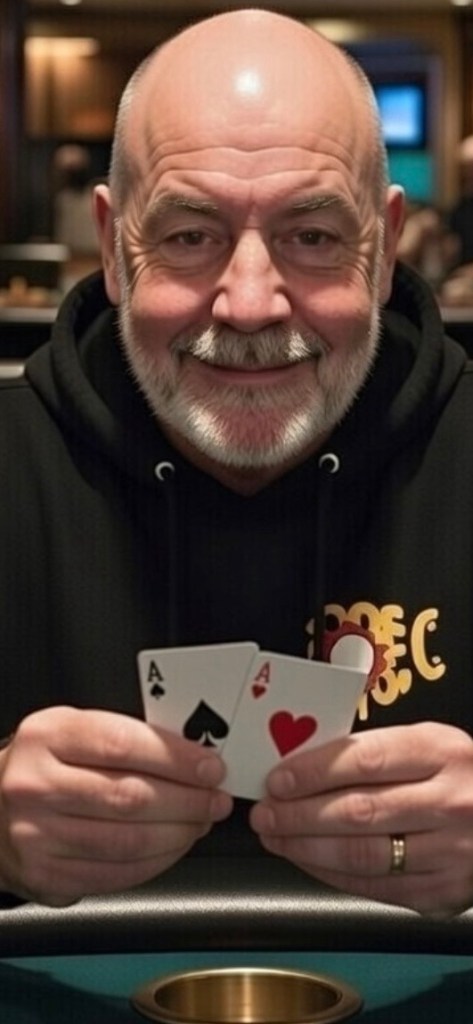
Winning $1/$2 Heads-Up Poker: Why Aggression Is King

Playing Aggressive Heads-Up Poker in a $1/$2 Cash Game
Heads-up poker at $1/$2 cash games is where aggression truly pays off. With only two players at the table, hand values change, ranges widen, and passive play quickly gets exposed. If you’re not applying pressure, you’re likely bleeding chips.
In this guide, we’ll break down how to play aggressive heads-up poker at $1/$2, when to apply pressure, and how to avoid the most common mistakes low-stakes players make.
Why Aggression Is So Important in $1/$2 Heads-Up Poker
At $1/$2, many players are uncomfortable playing heads-up. They’re used to multi-way pots and tight ranges. This creates a huge edge for aggressive players.
Aggression allows you to:
Win blinds consistently Pick up small pots without showdown Force opponents into mistakes Control the tempo of the match
Since both players post blinds every hand, folding too often simply isn’t an option. Aggressive poker is winning poker heads-up.
Preflop Strategy: Raising Wide at $1/$2 Heads-Up
In a heads-up $1/$2 cash game, opening ranges should be very wide—especially on the button.
Recommended Preflop Approach
Button: Raise 70–90% of hands Big Blind: Defend wide and mix in 3-bets Use smaller raise sizes (2x–2.5x) to keep pots manageable
Hands like:
Any Ace Any King Suited connectors Small pocket pairs One-gap suited hands
…are all playable when you’re playing aggressively.
Most $1/$2 opponents fold too often preflop or call too wide without a plan. Aggression exploits both tendencies.
Postflop Aggression: C-Betting at $1/$2
Low-stakes players miss flops frequently and hate facing multiple barrels. This makes continuation betting extremely profitable.
Heads-Up C-Betting Tips
C-bet often on dry boards (A-7-2, K-8-3) Use smaller sizing (30–40% pot) Fire second barrels when overcards or scare cards hit Value bet thin when you connect
You don’t need a big hand to bet. You need range advantage and confidence.
Playing Aggressive in Position vs Out of Position
In Position (Button)
This is where aggression shines:
Bet more frequently Float flops and apply turn pressure Bluff rivers selectively Extract thin value from top pair and second pair
Out of Position (Big Blind)
Check-raise strong hands and strong draws Avoid calling passively with weak hands Use aggression to deny equity
At $1/$2, many players check too much out of position. Punish that.
Reading Your Opponent Through Aggression
Aggression isn’t just about winning pots—it’s about gathering information.
Watch how your opponent reacts:
Folding too often to raises? Calling flops but folding turns? Never bluff-raising?
Each aggressive action helps define their range and tendencies. Passive play gives away control.
Common $1/$2 Heads-Up Mistakes to Avoid
Even aggressive players can torch money at low stakes by ignoring player pools.
❌ Over-bluffing calling stations
❌ Bluffing scare cards against unobservant players
❌ Refusing to slow down with marginal hands
❌ Playing scared after losing a pot
At $1/$2, aggression works best when paired with discipline and observation.
Final Thoughts: Aggression Wins $1/$2 Heads-Up Cash Games
If you want to win consistently in $1/$2 heads-up poker, aggression is non-negotiable. You don’t need fancy moves—just pressure, position, and persistence.
Play more pots. Bet more flops. Force decisions.
Because in low-stakes heads-up cash games, the player applying pressure usually walks away with the stack. ♠️
Thank you for reading this article. If you enjoyed it please like, share or comment! See you at the tables
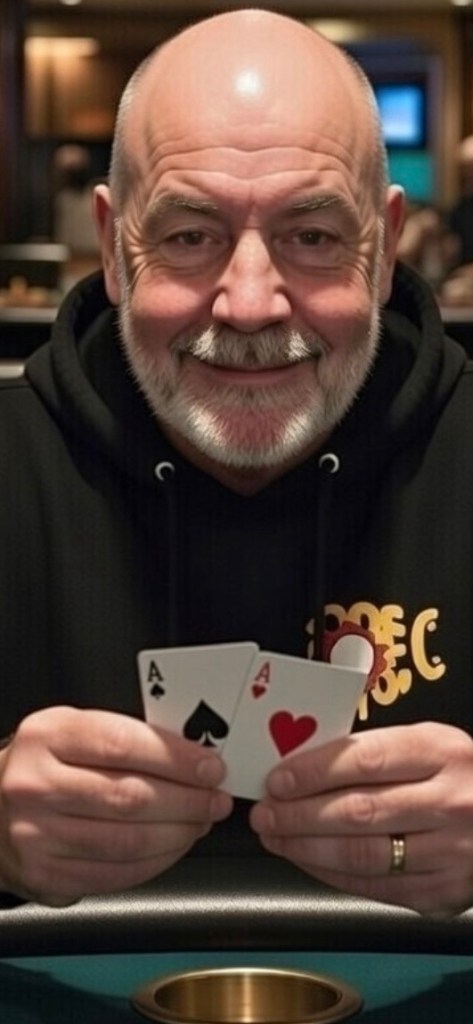
Potomac Winter Open begins this February!!
Get Ready for Winter’s Hottest Poker Action: The 2026 Potomac Winter Poker Open
Every February, poker players from across the region and beyond make a beeline for Maryland’s premier gambling destination — and 2026 is shaping up to be one of the biggest years yet. The Potomac Winter Poker Open is returning to MGM National Harbor from February 11–23, 2026, delivering more competitive action, bigger prize pools, and a fresh tournament format designed to appeal to recreational players and seasoned pros alike.
🎲 What’s New in 2026
This year’s series brings a refreshed format crafted to elevate the experience for everyone involved. For the first time, tournaments will be held directly on the casino floor in The Poker Room — putting the action front and center amid the buzz of the MGM’s gaming atmosphere.
Highlights include:
23 trophied events over 13 action-packed days. A strong mix of multi-day tournaments and mixed-game formats that test a range of poker skills. A Charity Series of Poker (CSOP) designed to give back to the community while keeping competition fierce.
Whether you’re chasing the glory of a hard-fought tournament win or just looking to enjoy some low-stress tables with friends, the series has something for every type of player.
🏆 Featured Events
While the full schedule is packed with intriguing stops, a few key events promise to be particularly big draws:
💰 Opener with a Major Guarantee
The series kicks off with a big Opener event featuring a $500,000 guaranteed prize pool and multiple starting flights — perfect for players who want plenty of chances to make deep runs.
⭐ Main Event
The $3,000 buy-in Main Event is always the marquee headliner. This year it comes with a $750,000 guaranteed prize pool and multiple starting flights designed to build excitement and attract a competitive field.
🎯 Mixed Games & Specialty Events
In addition to No-Limit Hold’em staples, the schedule features:
Tag Team poker — partner up and take on the field. Seniors and Super Seniors events — celebrating experienced players with age-specific buy-ins. Women’s event — promoting inclusion and community competition. Mixed game formats like Big O, PLO, and 8-Game Mix for players who like variety.
These additions make the tournament more than just a typical No-Limit Hold’em grind — they bring diversity, strategy, and new ways to enjoy the game.
📍 Why It Matters
The Potomac Winter Poker Open is more than just a tournament — it’s become one of the East Coast’s signature winter poker festivals. Held against the stunning backdrop of the Potomac River and just a short ride from Washington, D.C., the event draws a wide mix of seasoned pros, regional regulars, and ambitious newcomers, creating an electric atmosphere that’s as social as it is competitive.
In past years, the series has drawn hundreds of players and featured memorable stories — like deep runs and big chops in the Main Event — and 2026 is expected to continue that tradition with an even broader slate of events.
🧳 Planning Your Trip
If you’re thinking of heading down, here are a few tips:
Book early — MGM National Harbor hotels and nearby accommodations tend to fill fast during poker festivals. Study the schedule — with so many events on the calendar, planning which tournaments you want to enter can save money and energy. Play smart — these festivals are marathons, not sprints. Know your buy-in budget and pace yourself.
Whether you’re chasing glory in the Main Event, trying your hand at mixed games, or just soaking in the poker community vibe, this year’s Potomac Winter Poker Open promises something for everyone.
🃏 Final Thoughts
From its expanded schedule to its fresh new competitive formats, the 2026 Potomac Winter Poker Open is shaping up to be one of the must-play poker series of the winter season. Mark your calendars for February 11–23, sharpen your strategy, and get ready to shuffle up and deal in Maryland this February!
If you enjoyed this article please like, share, comment and subscribe! Thanks and I’ll see you at the tables!
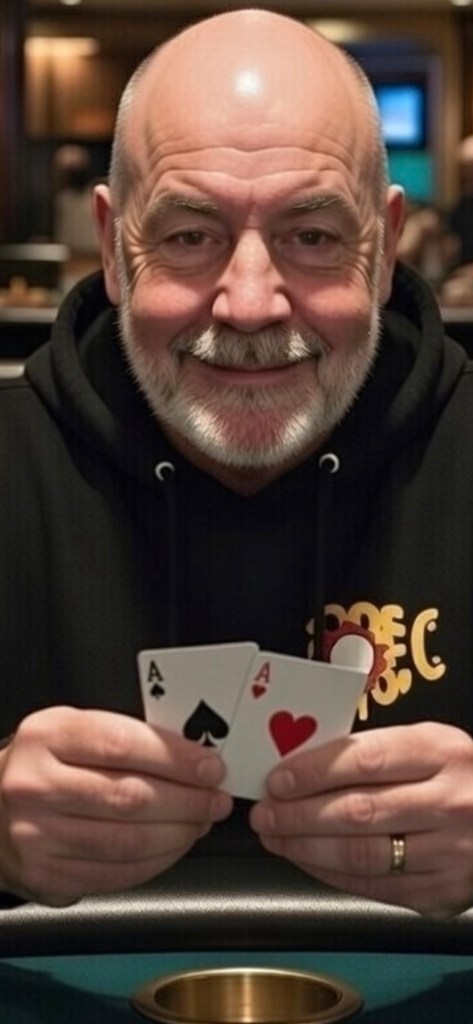
General Poker table etiquette
Poker table etiquette helps keep the game enjoyable, fair, and flowing smoothly for everyone—whether you’re at a casino, home game, or tournament. Good manners show respect for the dealers, staff, and fellow players, and they prevent unnecessary tension or delays.
Here are the most important guidelines to follow:
Act in Turn and Pay Attention
Always wait for your turn before acting (betting, calling, folding, etc.). Acting out of turn can give unfair information or disrupt the action. Stay focused on the hand—even when you’ve folded—so you don’t miss your turn later. If you’re unsure, ask the dealer for clarification.
Be Clear and Deliberate with Actions
Announce your intentions verbally (“raise to $50,” “all-in,” “call”) before moving chips. Avoid “string bets” (reaching for more chips after already putting some forward). Place bets neatly in front of you—don’t “splash the pot” by throwing chips haphazardly into the center.
Don’t Slow Roll
When you win a big pot, don’t deliberately delay showing your winning hand to build suspense or taunt opponents. Flip your cards promptly when called or at showdown. Slow rolling is one of the most disliked behaviors in poker.
Respect the Table and Players
• Keep conversation friendly and avoid excessive trash talk, especially when someone is on tilt.
• Don’t criticize other players’ decisions or give unsolicited advice.
• Protect your cards and stack—keep chips organized and don’t touch other players’ cards or chips.
• One player to a hand: Don’t discuss strategy or show hole cards while a hand is ongoing.
Phone and Distractions
Step away from the table for phone calls or important texts. Constant phone use slows the game and annoys others. Many casinos require you to leave the table for calls anyway.
Tipping and Leaving
Tip the dealer when you win pots (especially big ones)—a small toke is standard in live games. If you need to leave, say a quick goodbye and cash out politely. Avoid “hit and run” tactics (buying in, winning a big pot quickly, then immediately leaving), which can frustrate regulars.
General Courtesy
• Be gracious in both victory and defeat—don’t gloat or berate others.
• Keep the table clean—no food/drink spills, no excessive profanity if the table vibe doesn’t support it.
• If you’re new, feel free to ask the dealer questions—most are happy to help beginners.
Following these simple rules makes you a welcome player at any table. Poker is social, and good etiquette keeps the atmosphere positive and the action moving. Good luck—and may your bluffs always get through! ♠️
These are basic, I’ll cover the difference between a casino and home game etiquette in a future article!
If you enjoyed this article please like, comment, share or subscribe! Thank you and see you at the tables!
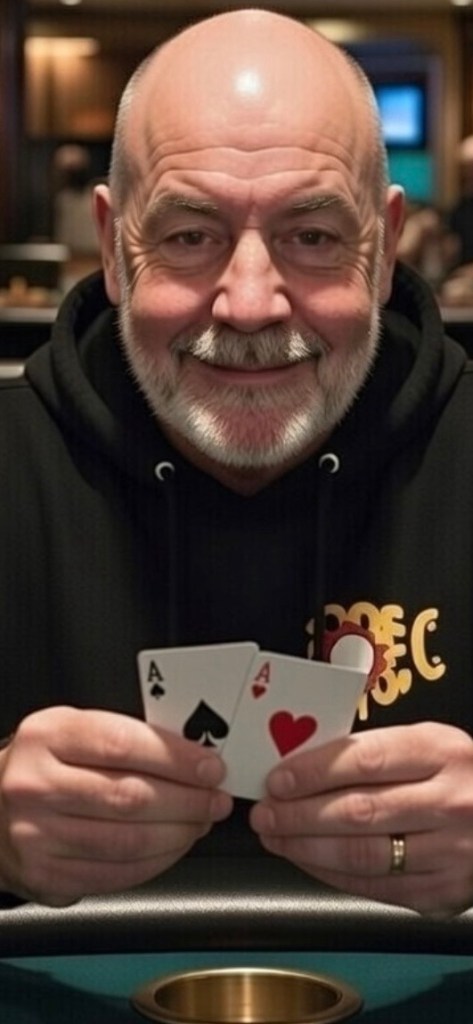
Steps to control your emotions when running bad!

Top 5 Tips to Control Emotions and Beat Tilt in Poker (2025 Guide)
Poker is 80% mental. Even the best strategy falls apart when tilt strikes—frustration from bad beats, coolers, or variance that clouds judgment and drains your bankroll.
Mastering emotional control is essential for consistent profits. Here are the top 5 practical tips to stay calm, make better decisions, and protect your stack.
1. Spot Your Tilt Triggers Early
Awareness is the foundation. Notice early signs like a racing heart, replaying bad hands in your head, or irritation toward opponents.
Quick fix: After each session, note what triggered frustration. Recognizing patterns lets you catch tilt rising and pause before it impacts your play.
2. Take Immediate Breaks to Reset
Never keep playing while tilted. Step away—even for just 5 minutes—to interrupt the emotional spiral.
Pro move: Set a firm rule: If you’re steaming, stand up, walk around, or sit out. In live games, leave the table; online, use the “sit out” option.
3. Use Deep Breathing to Calm Down Fast
Simple breathing techniques lower adrenaline in seconds. Try the 4-7-8 method: Inhale for 4 seconds, hold for 7, exhale for 8.
Tip: Practice this between hands or during tough spots to shift focus back to the math instead of the emotion.
4. Focus on Process, Not Results
Variance is part of poker—you can make the perfect +EV play and still lose. Fixating on outcomes fuels tilt.
Mindset shift: Ask yourself: “Did I make the correct decision with the info I had?” Celebrate strong plays, not just winning pots.
5. Set Stop-Loss Limits and Prepare Properly
Protect your bankroll and mindset with strict rules: Set a daily or session loss limit (e.g., 3-5 buy-ins) and stop immediately—no exceptions.
Prep tip: Get good sleep, eat light, limit caffeine, and show up mentally sharp. Treat poker like a performance sport.
Emotional control separates winning players from break-even ones. Practice these tips consistently, and tilt will cost you far less while your edge grows.
Which of these helps you most at the tables? Let me know in the comments! ♠️
Stay cool and keep stacking!
If you enjoyed this article please like, comment, share or subscribe! Thank you and see you at the tables!
Limit Holdem compared to No Limit:Which should I play?
Limit Texas Hold’em vs No-Limit Texas Hold’em ($1/$2 Blinds Comparison)
If you play live or online poker, chances are you’ve sat in a $1/$2 Texas Hold’em cash game. But not all $1/$2 games are the same. One big decision players face is choosing between Limit Texas Hold’em and No-Limit Texas Hold’em. While the rules are identical, the strategy, risk, and profit potential couldn’t be more different.
Let’s break down how $1/$2 Limit Hold’em compares to $1/$2 No-Limit Hold’em and which game might be better for your style.
$1/$2 Limit Texas Hold’em Strategy
In $1/$2 Limit Hold’em, betting is fixed. Preflop and flop bets are $1, while turn and river bets are $2. You can’t overbet the pot or shove all-in, which means players see more flops and hands often go to showdown.
At these stakes, winning players focus on:
Playing tight preflop Value betting strong hands Calculating pot odds and implied odds Avoiding costly hero calls
Because bet sizes are controlled, variance is lower, making $1/$2 Limit Hold’em a popular choice for bankroll management and long sessions.
$1/$2 No-Limit Texas Hold’em Strategy
$1/$2 No-Limit Hold’em is the most popular cash game in poker rooms. Here, you can bet any amount up to your entire stack, which adds a whole new layer of complexity.
Key skills in $1/$2 No-Limit games include:
Using position to apply pressure Sizing bets correctly Bluffing and semi-bluffing effectively Managing stack sizes and SPR (stack-to-pot ratio)
One mistake can cost your entire stack, but one well-timed bluff can win a massive pot. That’s why $1/$2 No-Limit Hold’em has higher variance but also a higher earning potential.
Limit vs No-Limit: Which $1/$2 Game Is Better?
Choose Limit Hold’em if you prefer low-risk, math-based poker and longer sessions Choose No-Limit Hold’em if you enjoy aggression, big pots, and exploiting mistakes
Both games reward skill, but $1/$2 No-Limit Hold’em favors creativity, while $1/$2 Limit Hold’em rewards consistency.
Final Thoughts
Whether you’re grinding a $1/$2 Limit Hold’em cash game or battling in $1/$2 No-Limit Texas Hold’em, understanding the differences will help you choose the game that fits your bankroll and personality.
The best game isn’t about the stakes—it’s about playing the format you can beat.
♠️♣️♥️♦️
I played mostly Limit Holdem for a few years to become more comfortable with playing in a poker room. This helped me better understand position, betting and general poker etiquette. God idea to learn to walk before you run.
If you liked this article please like, share or subscribe! Thank you and I’ll see you at the tables!
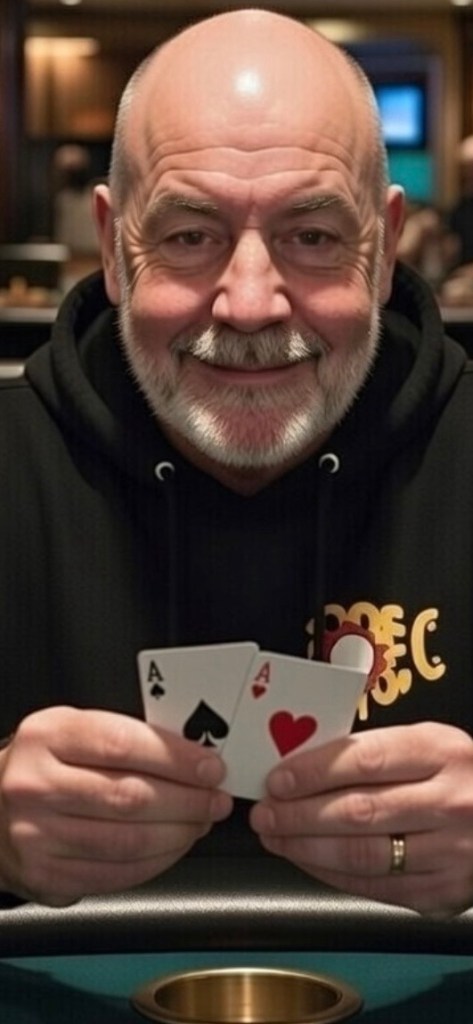
You Defended with that??? Hand of the Day!

Hand of the Day: Defending the Big Blind With 9♥7♥ in a $1/$2 Cash Game
Hand of the Day is all about finding profitable spots in live poker that many players overlook. Today’s hand focuses on a key low-stakes concept: defending the big blind with suited connectors, specifically 9♥7♥, in a $1/$2 No-Limit Hold’em cash game.
Game Setup
Stakes: $1/$2 No-Limit Hold’em Location: Live cash game Hero Position: Big Blind Hero Hand: 9♥7♥ Effective Stack: $300 (150 BB)
A middle-position player opens to $8, and two players call. Action folds to us in the big blind.
Preflop: Big Blind Defense With Suited Connectors
This is a textbook spot to defend the big blind in a $1/$2 cash game. We’re getting a great price and closing the action against multiple opponents.
Why 9♥7♥ is a profitable call here:
Excellent pot odds Strong playability postflop High implied odds in live low-stakes games Performs well in multi-way pots
Folding here would be too tight. We call.
Flop: Equity and Board Coverage
Flop: T♣ 8♥ 2♦
Pot: ~$33
This is a favorable board for our big blind defending range. With 9♥7♥, we flop an open-ended straight draw with backdoor flush potential.
The preflop raiser continuation bets $15.
Flop Decision: Why This Is a Profitable Continue
In a $1/$2 cash game, this is a mandatory continue. We have:
8 outs to the straight Backdoor flush equity Strong turn cards to apply pressure
Calling keeps in weaker hands and allows us to realize our equity.
We call.
Turn: Applying Pressure in Live Poker
Turn: 6♠
Pot: ~$63
This is a perfect card—giving us the nut straight. This is where defending suited connectors in the big blind truly pays off.
The preflop raiser bets $40.
Turn Play: Maximizing Value With a Disguised Hand
At $1/$2, opponents often struggle to put the big blind on a straight. Hands like overpairs, top pair, and two pair will frequently continue.
We raise to $110.
The original raiser calls.
River: Extracting Value at $1/$2
River: 2♠
Pot: ~$283
A clean river. No flush completes, and the board pairs in a way that rarely helps the preflop raiser.
Villain checks.
River Value Bet: Getting Paid at Low Stakes
This is a clear value bet. Live $1/$2 players routinely call with:
Overpairs Top pair, top kicker Two pair
We bet $140.
Villain tanks and calls, showing A♠T♦.
Showdown
Hero: 9♥7♥ — straight Villain: A♠T♦ — top pair
Hero wins a large pot.
Key Takeaways: Big Blind Defense in $1/$2 Cash Games
Defending your big blind with suited connectors is profitable when you’re getting the right price. Hands like 9♥7♥ shine in multi-way pots common to live poker. Hidden hands generate maximum implied odds at low stakes. Board coverage allows you to fight back on connected textures. Discipline is key—win big when you hit, fold when you miss.
Final Thoughts
This Hand of the Day shows why big blind defense strategy in $1/$2 cash games is essential for long-term success. Suited connectors like 9♥7♥ aren’t flashy, but when played correctly, they quietly build your stack by winning pots opponents never see coming.
If you’re serious about improving your live low-stakes poker strategy, start paying closer attention to your big blind decisions—they matter more than you think
If you’re enjoying this blog or this article, please like , share, subscribe, tell a friend! See you at the table!
Poker Home Game Fun!!
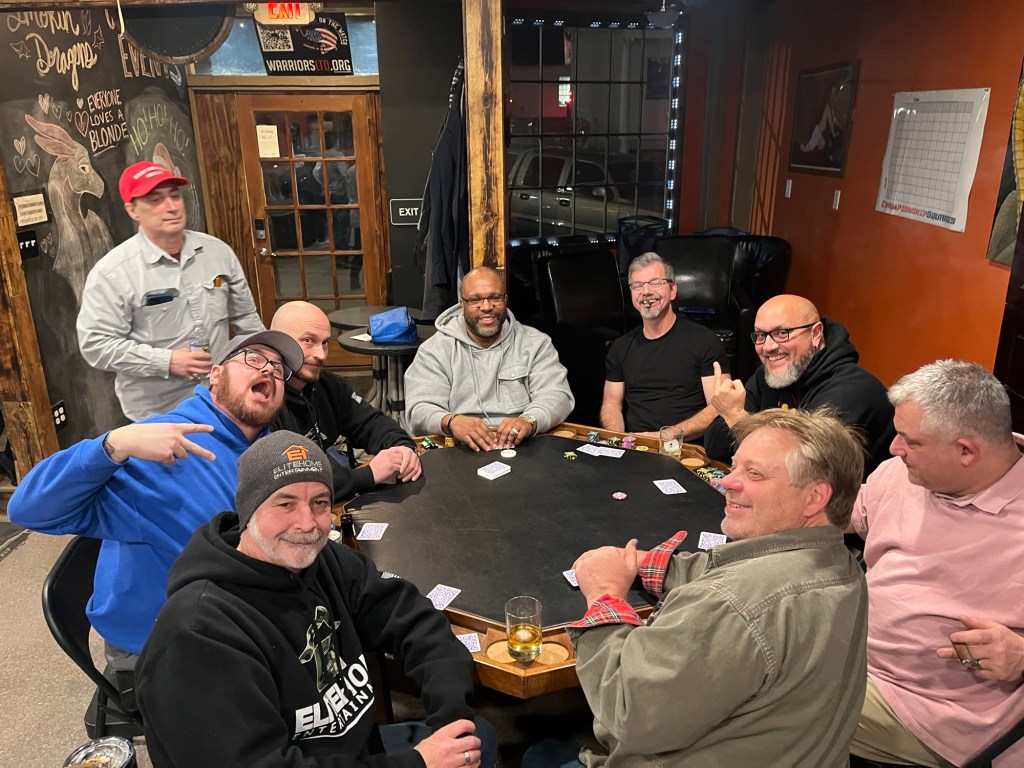
Why Nothing Beats a Poker Home Game
There’s something special about a poker home game that no casino, app, or online table can ever fully replicate. It’s not just about the cards—it’s about the people, the laughs, the stories, and the memories that get shuffled into every hand.
The Comfort Factor
Home games are relaxed by nature. You’re not sitting under bright casino lights or listening to slot machines screaming in the background. Instead, you’re in a living room, basement, or garage, wearing comfortable clothes, sitting in a familiar chair, and enjoying the kind of atmosphere that instantly puts you at ease. That comfort makes every hand more enjoyable—win or lose.
Friends, Trash Talk, and Inside Jokes
A home game is as much a social event as it is a poker night. Friendly trash talk, ongoing rivalries, and inside jokes are part of the experience. Someone always brings up that bad beat from three months ago. Someone else insists they’re “running cold” for the fifth week in a row. These moments are what turn a simple card game into a weekly tradition.
The Snacks Matter
Let’s be honest—home game food is undefeated. Whether it’s pizza boxes stacked on the counter, wings in the oven, or someone’s famous homemade chili, the snacks become part of the night’s identity. No overpriced casino burgers here—just comfort food shared among friends, usually eaten between hands or during a dramatic all-in.
Low Stakes, High Fun
Most home games keep the stakes reasonable, which makes the night about entertainment rather than pressure. You can experiment with plays, chase a draw once in a while, or make a hero call without worrying that it’ll ruin your week. The lower stakes also keep everyone laughing and coming back for more.
Stories You’ll Talk About for Years
Every home game produces legendary hands. The unbelievable river card. The bluff that somehow worked. The time someone accidentally mucked the winner. These stories get retold again and again, growing slightly more dramatic each time. Long after the money is gone, the memories remain.
It’s About Belonging
At its core, a poker home game is about connection. It’s about unplugging for a few hours, sitting around a table, and sharing an experience with people you enjoy. The cards give everyone a reason to gather, but the real value comes from the camaraderie.
Final Thoughts
Poker home games aren’t just games—they’re traditions. They’re laughter, competition, comfort, and community all wrapped into one deck of cards. If you’ve got a table, a few friends, and a set of chips, you already have everything you need for a great night.
So shuffle up, deal, and enjoy the fun. ♠️♥️♣️♦️

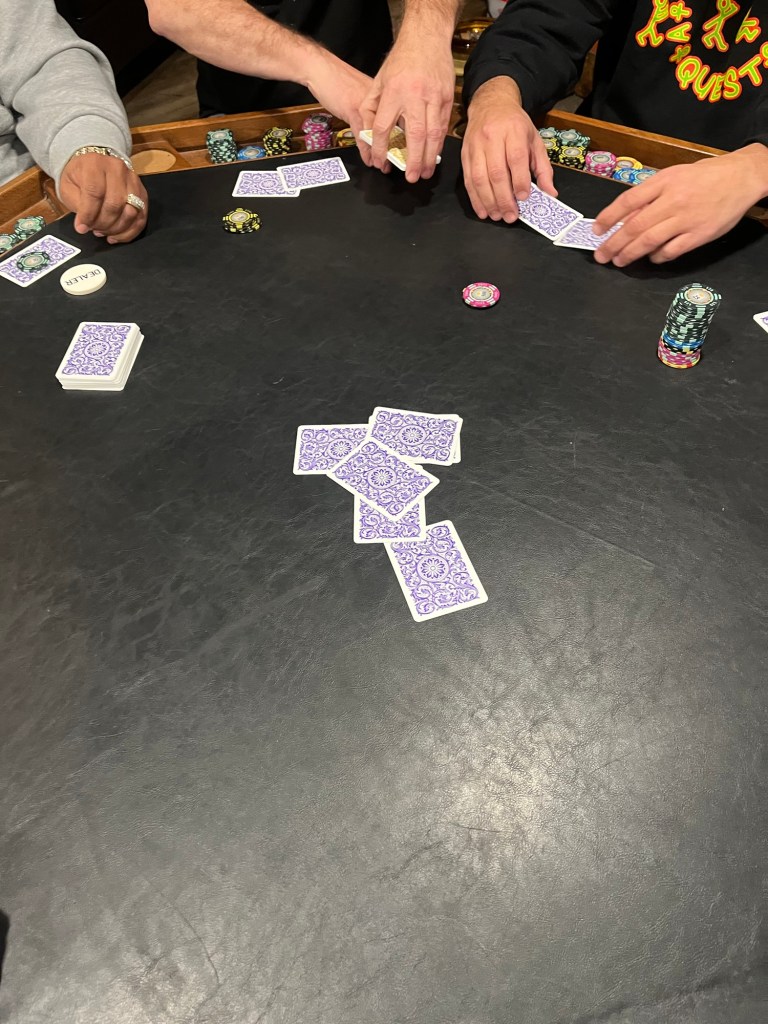
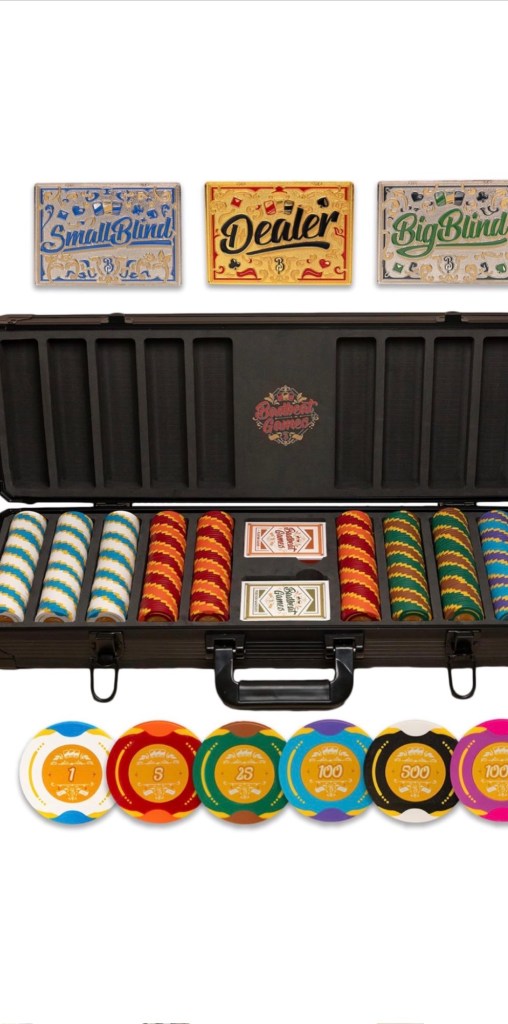
https://amzn.to/3NjoVQx great home game chip set click the link to order!

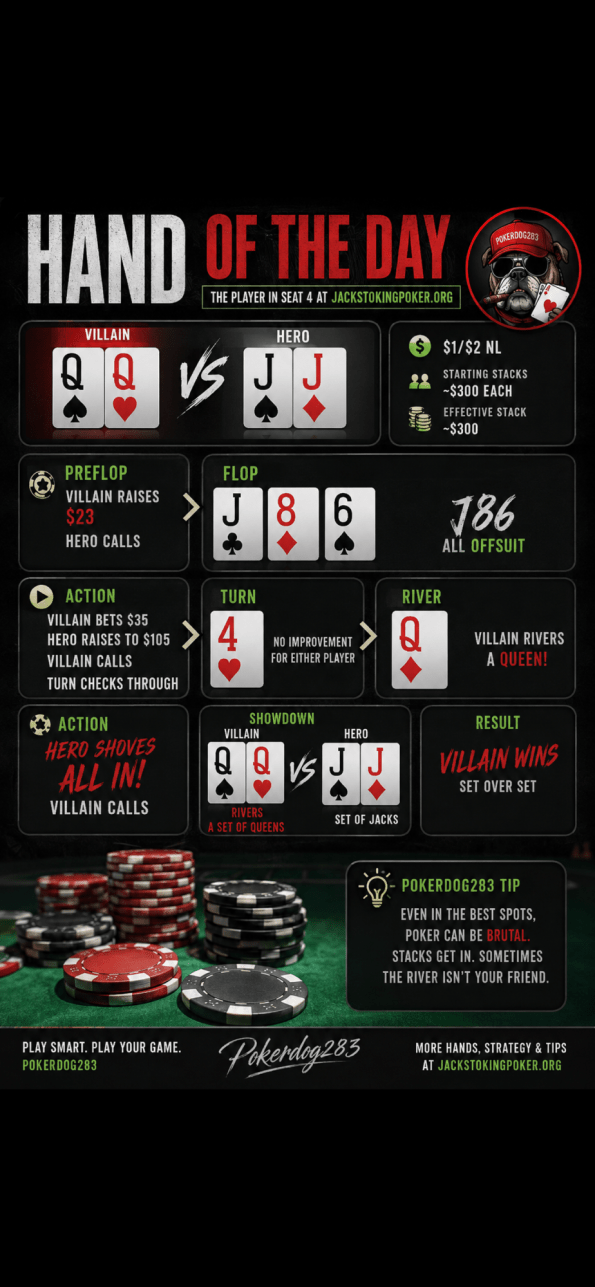

 THE PLAYER IN SEAT 4..
Recent Comments