Archive
Exploring the C Bet in Poker
What Exactly Is a Continuation Bet in Poker?
A continuation bet occurs when you raise pre-flop, then bet again on the flop — even if the board didn’t improve your hand.
It’s called a “continuation” because you’re simply continuing the story you started pre-flop: “I have a strong hand.” Your opponents don’t know you missed — and that uncertainty is pure gold.
Why Continuation Bets Are So Important in Poker
A well-timed c-bet serves two massive purposes at once:
1. Taking Down the Pot Immediately
Most flops miss most hands. When you c-bet, you force folds from the majority of opponent ranges that whiffed the board (weak aces, suited connectors, small pairs, etc.).
Result? You win the pot right there without a showdown. In heads-up pots, a standard ⅔-pot c-bet often succeeds 60-70% of the time. That’s massive EV.
2. Gathering Critical Information
Your opponent’s reaction tells you everything:
• Instant fold → They have nothing or a weak draw.
• Quick call → They likely have a marginal made hand or decent draw.
• Raise → They hit big or are bluffing aggressively.
This information shapes your entire plan for the turn and river. You now know whether to double-barrel, check-fold, or value-bet thin.
When Should You Fire That C-Bet?
• You raised pre-flop from early or middle position
• The flop is dry or semi-dry (e.g., K♦ 8♠ 3♥)
• You’re in position against 1-2 opponents
• The board favors your perceived range more than theirs
Pro tip: Even on coordinated boards (flush draws, straight draws), selective c-bets with strong blockers or backdoor equity keep you in control.
Quick Stats That Prove the Power of C-Bets
• Average c-bet frequency for winning regulars: 55-65%
• Expected value of a single successful c-bet: often +0.75 to +1.5 big blinds
• Players who c-bet too little leave money on the table; players who c-bet too much get punished on later streets
Final Thoughts: Make the Continuation Bet Your Default
The continuation bet in poker isn’t just a move — it’s a mindset. It turns marginal hands into winners and turns information into profit. Master the c-bet and you’ll instantly start stealing more pots while reading your opponents like an open book.
Ready to level up your poker game? Start incorporating continuation bets into your sessions today and watch your win rate climb.
What’s your favorite board texture for a c-bet? Drop it in the comments below!
If you enjoyed this article please like, share, comment and subscribe! Thanks, see you at the tables!

Poker Position 101
I wrote an article recently called the importance of understanding position in poker and have had several people ask me more about the different positions and what they are called. I decided to follow up with this simple explanation as a back to basics.
Poker table positions are one of the most important concepts for beginners to learn in Texas Hold’em (the most popular poker variant). Your position at the table determines when you act in each betting round, which gives you more (or less) information about what other players are doing. Acting later is a huge advantage because you see everyone’s actions before deciding.
The dealer button (a small disc labeled “Dealer”) moves clockwise each hand, so positions rotate. This guide focuses on a standard 9-handed (full-ring) table, common in live games and many online settings.
Why Position Matters for Beginners
• Early positions act first → tougher, play fewer hands.
• Late positions act last → easier, play more hands aggressively.
• Blinds post forced bets but act out of order.
Positions are grouped into early, middle, late, and blinds.
Poker Positions Explained (9-Handed Table)
1. Small Blind (SB)
Directly left of the button. Posts the small forced bet (half the big blind). Acts second-to-last preflop (after big blind calls/raises) but first postflop (after the flop). Tricky spot—play carefully.
2. Big Blind (BB)
Left of the small blind. Posts the full forced bet. Acts last preflop (great for seeing raises) but second postflop. Defend your blind with decent hands.
3. Under the Gun (UTG)
First to act preflop (left of big blind). “Under the gun” means pressure—no one has acted yet. Tightest position—only play strong hands.
4. Under the Gun +1 (UTG+1)
Next after UTG. Still early position. Similar to UTG: be selective.
5. Lojack (LJ) or Middle Position
Early-middle. More flexibility than UTG but still somewhat early.
6. Hijack (HJ)
Middle-late position (right of lojack). Good spot to open-raise if folded to you.
7. Cutoff (CO)
Right of the hijack (one seat right of button). Strong late position—often steal blinds with wider ranges.
8. Button (BTN)
The dealer position (button in front). Best seat overall. Acts last postflop in almost every hand—maximum information. Play most hands aggressively here.
Quick Tips for Beginners
• Position > Cards — A mediocre hand in late position often beats a good hand in early position.
• Always note the button location—it shows who’s in late position.
• In online poker or 6-max games, positions shift (fewer early seats, more late-play opportunities).
• Start by playing tight from early positions and looser from late.
Mastering positions will instantly improve your game more than memorizing hand rankings. Practice at low-stakes tables, watch where the button is, and ask yourself: “Do I act early or late?” Good luck at the tables
If you enjoyed this article please like, comment subscribe and share. Thank you and see you at the tables!
Implied odds in poker. What the heck are they?
What Are Implied Odds in Poker? A Complete Guide for 2026 Players
If you’re serious about improving your Texas Hold’em game—whether in cash games, tournaments, or online poker—you’ve probably heard the term implied odds. Many players understand pot odds, but implied odds often separate winning players from break-even ones.
In this guide, we’ll break down exactly what implied odds are, how they differ from pot odds, when they matter most, real-world examples, and practical tips to use them at the table. By the end, you’ll know precisely when to call with draws that look “unprofitable” on paper.
What Are Implied Odds in Poker?
Implied odds refer to the additional money you expect to win on future betting streets if you complete your drawing hand.
Unlike pot odds (which only look at the current pot and the price to call right now), implied odds factor in future bets your opponent(s) will likely pay once you hit your hand.
In short:
• Pot odds = What the pot offers now
• Implied odds = What the pot will likely offer later if you improve
This concept shines in no-limit Hold’em (especially deep-stacked cash games), where players can win big pots after hitting strong hands like straights, flushes, or sets.
Pot Odds vs Implied Odds: Key Differences
Pot odds tell you if a call is +EV based on current math. Implied odds let you justify calls when pot odds alone aren’t enough—because you expect to stack your opponent (or win big) when you hit.
How to Calculate Implied Odds (Simple Formula)

There’s no perfect formula since it involves estimation, but here’s a practical way pros think about it:
1. Calculate your pot odds first.
2. Figure out how much equity you need (your “required equity”).
3. Estimate how much extra money you’ll win if you hit.
4. Add that to the current pot → get your effective implied pot.
Basic shortcut (great for quick decisions):
Required extra $$ on later streets = (Amount to call × Required odds) – Current pot after call
Example (common flush draw on the flop):
• Pot = $100
• Opponent bets $50 → Pot now $150
• You must call $50
• Pot odds = 150:50 = 3:1 (you need ~25% equity to call)
• Flush draw has ~35% equity to hit by river (9 outs × 4 ≈ 36%)
• Pot odds alone say call is profitable
But suppose pot odds were worse (e.g., opponent bets $200 into $100 pot → you need to call $200 for $300 pot = 1.5:1, need ~40% equity).
• Your flush draw is only ~35% → looks like a fold.
• But if stacks are deep and villain pays off big when you hit → you add implied money.
If you estimate villain will pay $400 more on turn + river when you hit → your effective pot becomes $300 + $400 = $700.
New implied odds = 700:200 = 3.5:1 → now a profitable call.
Real Poker Example: Flush Draw with Great Implied Odds
Scenario (No-Limit Hold’em, 200bb deep stacks):
• You have A♠ K♠ in the big blind.
• Flop: 9♠ 7♠ 2♦ (you have the nut flush draw + overcards)
• Pot = $60
• Villain (loose-aggressive fish) bets $45
• You call $45 (pot now $150)
Turn brings 4♥ (still draw)
• Villain bets $120
• Pot = $270
• You need to call $120
Raw pot odds = 270:120 ≈ 2.25:1 → need ~31% equity.
Your equity to hit flush on river = 9 outs / 46 cards ≈ 19.6%
Looks bad… but implied odds save the day.
Villain has shown he overvalues top pair and will stack off with it. Effective stacks behind = $400.
If you hit your flush, you expect to win at least $300–$400 more (villain calls your river shove or bets big).
Effective pot if hit ≈ $270 (current after call) + $350 (expected) = $620+
Implied odds ≈ 620:120 ≈ 5:1 → way better than needed.
You call profitably, even though raw pot odds + equity say no.
Reverse example (bad implied odds): Short-stack opponent or tight player who folds to river bets → implied odds near zero → fold the draw.
When Implied Odds Are Highest (and Lowest)
Great implied odds situations:
• Deep stacks (150bb+)
• Draws to nuts (nut flush, straight)
• Loose/passive opponents who pay off big
• Multiway pots (more people to pay you off)
• You have disguised strength (e.g., set-mining with small pairs)
Poor implied odds situations:
• Shallow stacks (<50bb)
• Non-nut draws (weak flush, gutshot)
• Tight/aggressive opponents who fold to aggression
• Board is scary/paired (opponent fears worse)
• You’re out of position
Common Mistakes Players Make with Implied Odds
1. Overestimating how much they’ll win → “He’ll pay my whole stack!” (Reality: villain often checks back or folds.)
2. Ignoring reverse implied odds → You hit, but villain has a better hand and stacks you.
3. Calling too much on turn → Turn calls need higher implied odds since only one street left.
4. Using implied odds to justify every draw → Sometimes pot odds alone are terrible and future money won’t compensate.

Final Tips to Master Implied Odds
• Ask yourself: “If I hit, how much will this specific opponent pay me?”
• Adjust for villain type (fish = high implied, reg = lower).
• In tournaments, implied odds drop as stacks get shorter.
• Practice with tools like equity calculators to compare raw vs. implied scenarios.
• Remember: Implied odds are an estimate—lean conservative until you know your opponents well.
Mastering implied odds turns marginal calls into big winners and helps you avoid expensive mistakes. Next time you’re facing a draw with “bad” pot odds, pause and calculate the implied potential—it might be the most profitable play at the table.
What are your biggest implied odds leaks? Drop a comment below—I read them all!
Ready to level up your poker math? Check out our guides on pot odds, equity realization, and reverse implied odds.
If you enjoyed this article please like, share, comment and subscribe! Thanks and I’ll see you at the tables!
A lesson in playing $2/$5 min buy.
Since recently I got a chance to play $2/$5 and got stacked, I decided to do my research and write an article about how to best play with a minimal buy in. I included the resources.

Optimal Starting Hands for $2/$5 Poker: Short Stack Strategy with Minimum Buy-In (40BB)
If you’re grinding $2/$5 No-Limit Hold’em live cash games and buying in for the minimum (usually $200, or 40 big blinds), your poker strategy must change dramatically from the deep-stack playbook most players follow.
With only 40BB, you can’t rely on implied odds, multi-street bluffs, or speculative hands like suited connectors. Instead, you need tight, aggressive preflop play focused on premium starting hands that make strong top pairs or better right away.
In this guide, we’ll break down the optimal starting hands for $2/$5 poker at minimum buy-in, provide position-based ranges, and share pro tips to maximize your edge. Whether you’re new to short-stack play or looking to optimize your $2/5 NLHE strategy, this is your complete roadmap.
Why Minimum Buy-In Changes Everything in $2/$5 NLHE
Most $2/$5 tables allow a minimum buy-in of $200 (exactly 40 big blinds). This short-to-mid stack depth turns the game into a high-variance, preflop-heavy battle.
Key differences from 100BB+ deep stacks:
• No set-mining with small pairs (implied odds disappear).
• Fewer postflop decisions — you often raise-or-shove preflop or commit on the flop.
• You play for stacks quickly, so hand strength and fold equity matter most.
• Opponents (recreational players and regs) overcall lighter, giving your premiums massive value.
Short-stacking isn’t always optimal long-term (deeper stacks let you extract more value), but it’s bankroll-friendly for $2/$5 and exploits loose tables common at this stake.
Optimal Starting Hands by Stack Depth (40BB Focus)
At exactly 40 big blinds, prioritize big-card strength hands that flop top pair or better. Avoid suited connectors (87s, T9s), small pocket pairs (22-55), and weak aces (A5s-A2s) — they lose money without deep implied odds.
Core 40BB Starting Hand List (from strongest to playable):
• Premium pairs: AA, KK, QQ, JJ
• Strong aces: AKs, AQs, AKo, AQo, AJs
• Borderline: TT, AJo, KQs (add selectively by position)
As your stack drops toward 30BB or below, tighten further and shift to shove-or-fold.
Quick Reference by Effective Stack:
• 40BB: AA–JJ, AKs–AQs, AKo–AQo, AJs
• 30BB or less: Add AJ, TT, ATs, KQs
• 20BB or less: Add AT, KQ, KJs, KJ
• 10BB or less: Push any Ax, QJs, QJ (all-in preflop)
These hands dominate because they win at showdown often and play well when you jam.
Position-Based Opening Ranges for $2/$5 Short Stack (40BB)
Position still matters — even short-stacked. Here’s a simple, profitable range structure for a typical 9-handed $2/$5 table:
Early Position (UTG, UTG+1):
Play ultra-tight (top ~8-10% of hands).
Raise 3–4x BB (or larger to $20–$25).
Hands: AA–JJ, AKs–AQs, AKo–AQo
Middle Position (MP):
Slightly wider.
Hands: AA–TT, AKs–AJs, AKo–AJo, KQs
Late Position (Cutoff, Button):
Steal more aggressively, especially vs. passive blinds.
Hands: AA–99, AKs–ATs, AKo–AJo, KQs–KJs, QJs
(Shove wider from Button if blinds fold often.)
Blinds Defense:
3-bet shove premiums vs. opens. Call lighter only with position and very weak openers.
Pro Tip: Always raise first-in — never limp. At $2/$5, a $15–$20 open builds the pot while giving you fold equity. If facing a raise, 3-bet shove your strongest hands (QQ+, AK) for maximum pressure.
How to Play These Hands Postflop (Short Stack Style)
With 40BB, postflop play is simple ABC poker:
• Hit the flop strong? Bet big or jam (especially top pair top kicker or better).
• Miss? Check-fold unless you have a strong draw with equity.
• C-bet size: 50–75% pot or all-in on coordinated boards.
• Avoid fancy bluffs — your edge comes from value, not hero folds.
Example: You open AKs from middle position for $20. Flop comes A-7-2 rainbow. With ~35BB behind, jam — most $2/$5 opponents call with weaker aces or draws.
7 Essential Tips for Winning $2/$5 Short Stack Play
1. Learn preflop ranges cold — Every decision is worth big chunks of your stack.
2. Track effective stacks — Always play to the shortest stack at the table.
3. Raise bigger preflop — $15–$25 opens deter multi-way pots.
4. Exploit loose callers — $2/$5 players love calling with KJo or 76s — your premiums crush them.
5. Don’t get below 30BB — Top up if you lose a pot to stay in the 40BB sweet spot.
6. Leave after doubling up (optional) — Many short-stackers cash out winners to lock in profit.
7. Bankroll for variance — Short-stack play has big swings; bring 30–50+ buy-ins.
Common Mistakes to Avoid in $2/$5 Minimum Buy-In Games
• Playing suited connectors or small pairs — They bleed money without implied odds.
• Limping or min-raising — Builds small pots and invites multi-way action.
• Being too passive — Short stacks must apply pressure.
• Ignoring table dynamics — Looser tables = wider late-position steals.
Final Thoughts: Crush $2/$5 with Minimum Buy-In
Mastering these optimal starting hands for $2/$5 poker with a 40BB minimum buy-in gives you a massive edge over recreational players who treat it like deep-stack poker. Stick to premiums, play tight-aggressive, and watch your win rate climb.
If you enjoyed this article please like, comment, share or subscribe! Thank you and I’ll see you at the tables!
Article Sources:
Early Stage play in a multi table Poker Tournament
Mastering Early-Stage MTT Play: Play Tight, Stick to Premium Hands, and Exploit Weakness Like a Pro
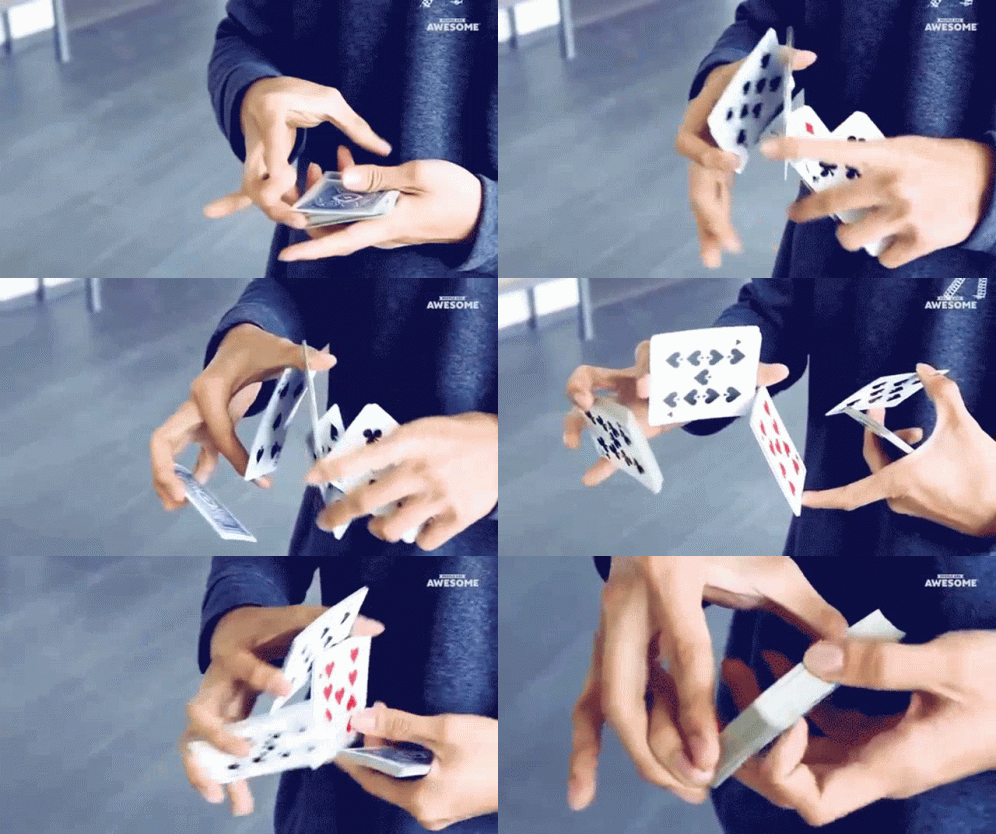
If you’ve ever busted out of a poker MTT in the first two hours with a speculative suited connector or a marginal ace, you know the pain. The blinds are tiny, the stacks are deep (usually 100+ big blinds), and there are still hundreds of players left. Yet so many amateurs treat the early stages like a cash game and spew chips left and right.
The truth? Playing tight early is one of the highest-EV adjustments you can make in modern MTTs. It’s not “nitty” — it’s disciplined. You’re not there to gamble; you’re there to survive, accumulate, and exploit the recreational players who are dying to give you their chips.
Here’s exactly how to do it — from hand selection to exploitation tactics that print money when everyone else is playing loose.
Why Tight Is Right in the First 2–4 Levels
- Stack preservation is king. With 100–200bb effective stacks and tiny blinds (0.5–1bb per orbit), you don’t need to steal blinds to stay alive. One bad flip or cooler can cripple you for the entire tournament.
- ICM hasn’t kicked in yet. You’re not fighting for pay jumps — you’re fighting for chip EV. Premium hands realize their equity best against multiple callers and deep stacks.
- The field is at its weakest. Recreational players are still in “fun mode.” They limp, call 3-bets with KJo, and pay off top pair with second pair. Your job is to be the shark in the tank.
Tight play early isn’t passive — it’s selective aggression. You play fewer hands, but you play them for maximum value.
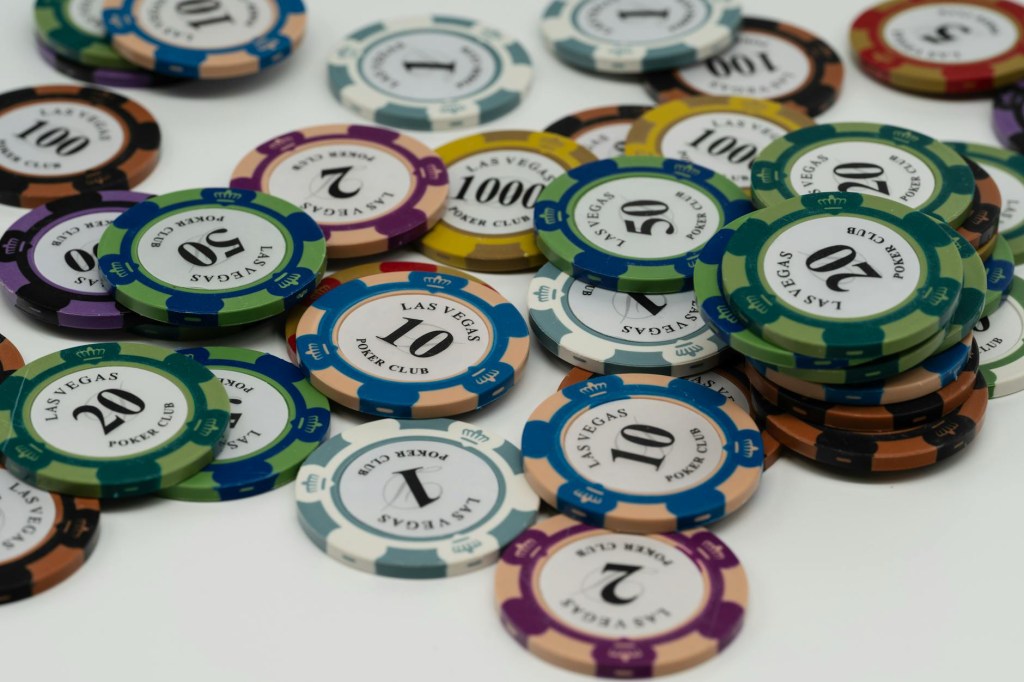
The Early-Stage Opening Range: Only the Top ~8–10% of Hands
Forget the 25% “standard” cash-game range. In an MTT with 100+bb stacks and 9-handed tables, your default opening range should look something like this (adjust slightly by position):
Early Position (UTG, UTG+1)
AA–TT, AKs–AQs, AKo–AQo, KQs
Middle Position
Add: 99–88, AJo, KJs, QJs, JTs
Late Position (Cutoff, Button)
Add: 77–66, ATo–A9s, KQo, suited connectors down to 98s (only if you have a solid postflop edge)
Big Blind Defense
Call or 3-bet only with the above plus occasional suited broadways and pocket pairs when the price is right.
Pro Tip: If the table is super soft (multiple limpers every orbit), you can widen your late-position range slightly — but never open 22 or 76s from early position just because “it’s cheap.”
How to Play Your Premium Hands for Maximum Value
- AA–KK: Raise big, always.
3–4x in early position, 2.5–3x late. If there are limpers, iso-raise huge (5–7x + 1x per limper). You want to isolate the weak players and build the pot immediately. - QQ–JJ & AK: Your bread-and-butter.
Raise standard sizing. 3-bet AK every time vs opens (especially from loose openers). With QQ–JJ, mix in flat-calls vs tight opens but 3-bet aggressively vs loose players. - Premium suited aces (AQs–AJs) and KQs:
These are your money-makers against weak ranges. Raise, call 3-bets in position, and be ready to stack off on ace-high flops when villain shows weakness. - Pocket pairs 88–TT:
Set-mine only if you’re closing the action or getting great implied odds (multiple callers behind). Otherwise, raise and take it down preflop.
Golden Rule: Never limp. Never flat-call raises with these hands unless you’re trapping a maniac (and even then, 3-bet most of the time).
Exploiting Weakness: The Real Money-Maker

This is where tight players separate themselves from the pack. While you’re waiting for premium hands, you’re laser-focused on the table dynamics.
Target these player types early:
- The “Fun Guy” — Limps 40% of hands, calls 3-bets with any two broadways, and never folds top pair.
- The Sticky Fish — Calls every raise with suited connectors and small pairs, then pays off when he hits second pair.
- The Over-Limper — Limps every orbit from every position. These players are printing money for you.
Exploitation Tactics:
- Iso-raise relentlessly. Limpers + one raise = your premium hand gets called by junk. A 5–7x iso-raise with AK or QQ often wins the pot preflop or gets heads-up against a dominated hand.
- 3-bet light vs weak openers. If a loose early-position player opens 25%+, 3-bet AK, AQ, and even some bluffs (but mostly value). They fold too much and call too wide when they do continue.
- Barrel weakness. On A-high or K-high boards, these players will check-fold second pair or gutshots way too often. One or two continuation bets usually take it down.
- Value bet thin. They call down with Kx on an A-high board. Bet your top pair for three streets.
Example Hand (real-life spot I’ve seen 100 times):
Hero (Button, 150bb): AKo
Villain (MP, recreational, limped 6 of last 8 orbits): Limps
Hero raises 5x. Villain calls.
Flop: A♠7♥3♦
Villain checks. Hero bets 60% pot. Villain calls.
Turn: 9♣
Villain checks. Hero bets 70% pot. Villain calls.
River: 2♠
Villain checks. Hero bets 80% pot and gets called by K7o.
That’s +150bb because you played tight early and waited for the right spot to isolate weakness.
Common Mistakes to Avoid
- Opening too wide early just because “the blinds are small” — variance will destroy you.
- Getting married to suited connectors preflop — save them for middle/late stages when stacks are shallower.
- Failing to adjust when the table tightens up — if everyone is suddenly playing solid, widen slightly in position.
- Slow-playing monsters — build the pot early against weak players who over-call.
Final Thoughts: Tight Early = Stack Monster Later
Playing tight early in an MTT isn’t boring — it’s strategic patience. You’re not folding to win; you’re folding to set up the biggest stack at your table when the blinds start to matter and the weak players start making massive mistakes.
Stick to the top hands, iso-raise the limpers, 3-bet the weak openers, and value bet relentlessly. Do this for the first 2–4 levels and you’ll find yourself at the final table with a massive stack far more often than the gamblers who “just wanted to see a flop.”
Now go crush those early stages.
What’s your biggest leak early in MTTs? Drop it in the comments — I read every one.
If you enjoyed this article please like, share, comment and subscribe! Thank you and I’ll see you at the tables!

Dominate the bubble in poker tournaments!
Detailed Bubble Stealing Tactics: Dominate the Poker Bubble in MTTs

The poker tournament bubble is a pressure cooker—one bust-out from the money, and play tightens dramatically. Bubble stealing tactics exploit this fear, letting you pillage blinds and antes from late position (CO/BTN) with massive fold equity. In MTTs, successful steals can double your stack without showdown, turning min-cashers into contenders. This guide delivers solver-backed poker bubble strategy, push/fold ranges, and exploits to crush it.
Why Bubble Stealing Crushes: ICM and Fold Equity
Near the bubble (e.g., 280/900 left), ICM makes busting devastating—bubble factor (survival value) spikes for shorts. Shorts fold premium hands; covers defend wider but still fold often. Antes (10-12.5%) amplify pots—win 2-3BB risk-free per steal.
Key Edges:
• Late Position: BTN sees 7 folds, ~50%+ success.
• Perceived Strength: Tight opens signal monsters.
• Exploits: Target play-to-cashers; spread aggression.
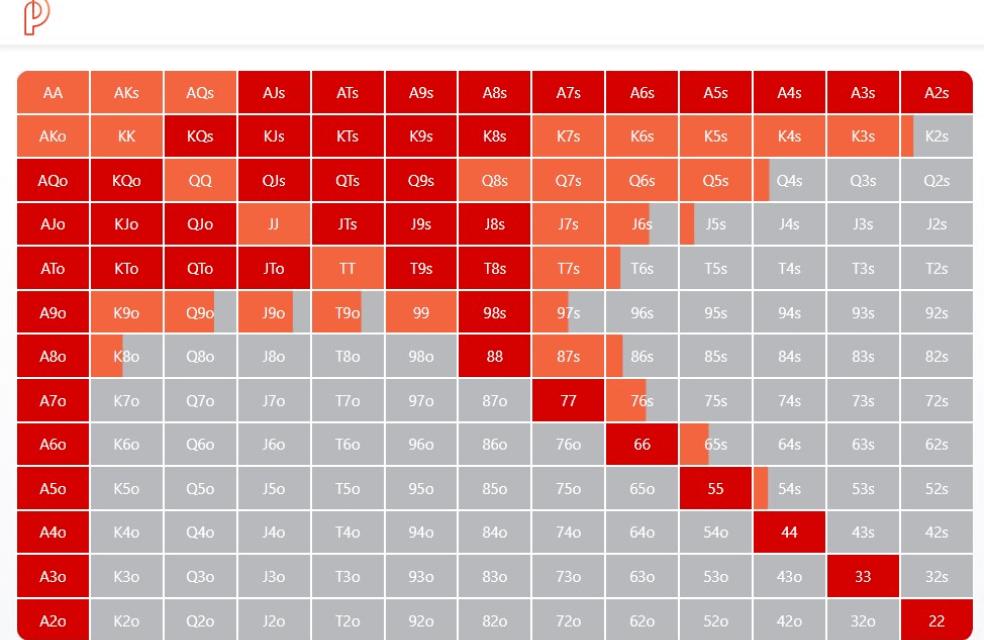
Preflop Bubble Stealing Ranges by Stack Size
Use min-raises (2-2.2x) over shoves for shorter stacks—preserves fold equity, builds pots. ICM tightens vs chipEV.
Short Stack (10-18BB): Push/Fold Heavy
• BTN: 38% (9% minraise + 29% shove @10BB); 39% @15BB. Heavy Ax/Kxs (blocks calls), pairs 22+, suited connectors 76s+
Medium Stack (20-40BB): Minraise + Selective Shoves
• BTN: 40-50% RFI. Mix value (QQ+, AK) with bluffs (A2s+, suited gappers).
• Shove over limps; 3-bet shove vs opens if blinds fold 70%+.
• Vs shorts in blinds: Wider, as they shove light.
Big Stack (50BB+): Wide Aggression
• BTN/CO: 50%+ RFI. Bully mediums/shorts—raise 2.5x, c-bet dry boards.
• Target: Weak blinds; avoid covers.
Sizing: 2x vs tights; 2.5-3x vs callers. Limpers ahead? Iso 4x+.
Key Factors for Bubble Steals
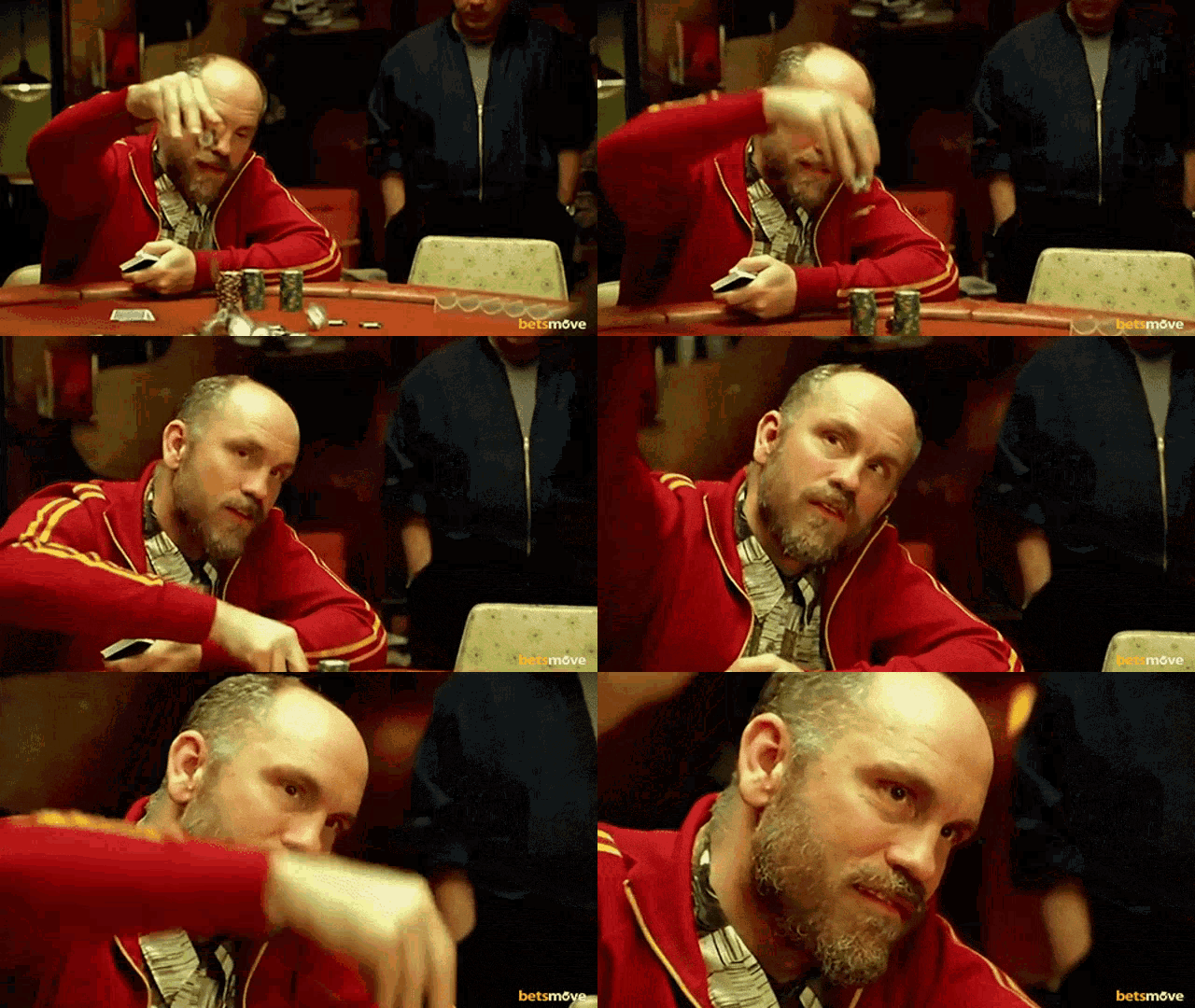
1. Opponent Stacks: Steal vs shorts (high ICM risk); tighter vs covers/BIGs.
2. Blinds’ Tendencies: HUD: Fold-to-steal >70%? Ramp up. Defenders? Tighten.
3. Table Image: Tight = steal wide; loose = value-heavy.
4. Bubble Pressure: 1-2 off? Max aggression. Post-bubble: Tighten.
5. ICM Tools: Use ICMizer/HRC for sims—bubble factor 2x+ warps ranges.
Re-Steals: BB 3-bet shove wide vs minraises if covering.
Post-Flop Tactics After Bubble Steals
Position = power. Simplify:
• Ace-High Flops (e.g., A62): Min c-bet 100% range—BB folds weak.
• Broadway (AQ2): Check medium (QJ, JJ) for equity; bet polar.
• Low Connected (854): Check back if unchecked; call donks wide.
• Barrel turns: Polar big bets on blanks.
Exploits: Vs passive BB, c-bet 70%; vs aggro, check/fold marginals.
Adjustments by Tournament Stage & Opponents
• Hard Bubble: Ultra-tight blinds—steal 4x/orbit from BTN.
• Soft Bubble: Wider defenses—focus value, fewer bluffs.
• Vs Weak: Late pos minraises every orbit.
• Short-Handed: Loosen 10-15% (fewer players).
10 Thinking Poker Tips:
1. Always raise (no limps).
2. Fold thin calls.
3. Target weak folders.
4. Size up aggro blinds.
5. Chat box reads.
6. Spread steals. 7-10: Defend smartly.
Common Mistakes to Avoid
• Static Ranges: Adjust per dynamics—don’t autopilot.
• Over-Shoving Deep: Minraise first.
• Ignoring ICM: Shorts fold more than chipEV.
• Predictability: Mix value/bluffs.
• Post-Bubble Tilt: Tighten immediately.
Real-World Example
Blinds 1k/2k +200 ante, you 18BB BTN vs tight BB (26BB). Folded to you: Minraise A5s (GTO). BB calls. Flop A62r: Min c-bet, BB folds. +3.2k chips. Repeat: Stack to 30BB pre-money.
Conclusion: Steal the Bubble, Cash Deeper
Master detailed bubble stealing tactics with ICM ranges, position, and exploits to ladder up. Practice in sims (GTO Wizard), review HUDs, and target leaks. From short-stack survival to big-stack tyranny, these moves print EV.
If you enjoyed this article please like, share, and subscribe! Thanks for reading and I’ll see you at the tables!

Aggressive play with small pairs in Tournament Poker
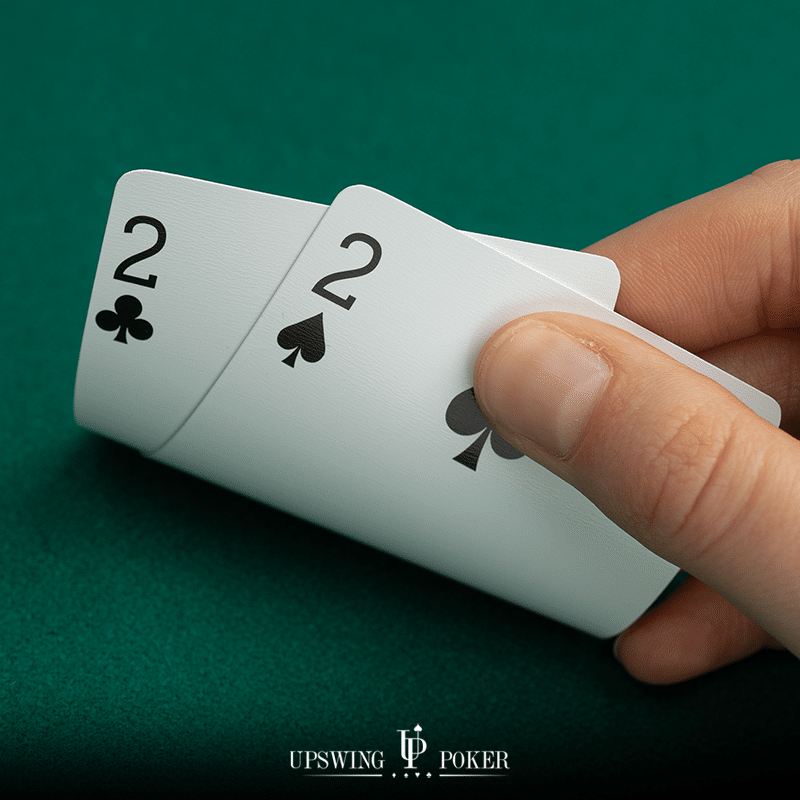
Mastering Aggressive Play with Small Pairs from Middle Position in Poker Tournaments
In the high-stakes world of poker tournaments, knowing how to handle small pairs—like 2-2 through 7-7—from middle position can be a game-changer. Many players shy away from aggression here, opting for cautious limps or folds, but adopting an aggressive strategy with small pairs in middle position can boost your chip stack and put pressure on opponents. This guide dives into why and how to play these hands boldly, drawing from proven poker tournament strategies to help you dominate the felt.
Whether you’re grinding online poker tournaments or battling in live events, understanding small pair aggression in poker is key to long-term success. Let’s break it down step by step.
Why Play Small Pairs Aggressively in Middle Position?
Middle position in a poker tournament—typically seats 4-6 in a 9-handed table—offers a sweet spot between early caution and late-position steals. Here’s why aggression pays off with small pairs:
• Set Mining Potential: Small pairs have excellent implied odds. If you hit a set (about 12% of the time on the flop), you can extract massive value from overpairs or top-pair hands. Aggressive pre-flop raises build the pot early, maximizing your payoff when you connect.
• Fold Equity Advantage: Raising from middle position often forces folds from later players, including the blinds. In tournaments where stacks are shallower (e.g., 20-50 big blinds), this aggressive poker play can steal blinds and antes without showdown.
• Balancing Your Range: By including small pairs in your raising range, you disguise premium hands like A-A or K-K. Opponents can’t easily put you on a hand, making your overall poker tournament strategy more unpredictable and profitable.
• Stack Depth Considerations: In deep-stack stages (100+ BBs), aggression with small pairs allows you to control the pot size. In shallower stacks, it sets up all-in spots where your pair might be ahead.
Remember, playing small pairs in poker tournaments isn’t about always going all-in—it’s about calculated risks that align with your table image and opponents’ tendencies.
Key Strategies for Aggressive Play with Small Pairs
To optimize your middle position poker strategy, focus on these tactics when holding small pairs:
1. Pre-Flop Raising Guidelines
• Standard Raise Size: Open with 2.5-3x the big blind to build the pot while maintaining fold equity. If there’s a limp ahead, consider a larger iso-raise (3-4x plus the limp) to isolate weaker players.
• When to Raise vs. Call: Raise if the table is passive or if you’re in a good spot to steal. Call if facing aggressive players behind or if the effective stack allows for set mining (aim for 10-15x the raise in implied odds).
• Avoid Over-Aggression: Don’t 3-bet light with small pairs unless you have a read on the opener. Save that for when you want to represent strength.
2. Post-Flop Aggression Tactics
• Continuation Betting (C-Betting): If you raise pre-flop and miss the flop (no set), a well-timed c-bet (50-70% pot) can take it down, especially on dry boards. Fold to heavy resistance unless you have outs.
• Hitting Your Set: Slow-play occasionally to trap, but bet aggressively on draw-heavy boards to protect your hand and build value.
• Bluffing Opportunities: Use your aggressive image to bluff on turns or rivers when the board scares opponents (e.g., straight or flush completes).
3. Adjusting to Tournament Stages
• Early Stages: With deep stacks, lean into set mining. Aggressive raises help you accumulate chips without risking your tournament life.
• Middle Stages: As blinds rise, incorporate more 3-bets and shoves with small pairs if stacks are 20-30 BBs. This aggressive poker tournament play exploits bubble pressure.
• Late Stages: Near the final table, small pairs become shoving hands from middle position if short-stacked, capitalizing on fold equity against tight players.
Common Mistakes to Avoid When Playing Small Pairs Aggressively
Even seasoned pros slip up. Steer clear of these pitfalls in your small pair poker strategy:
• Overvaluing the Pair: Don’t call large re-raises without deep stacks. Small pairs are speculative—treat them as such.
• Ignoring Position Dynamics: Middle position isn’t hijack; be wary of cutoff and button players who might 3-bet wide.
• Neglecting Table Image: If you’ve been caught bluffing, dial back aggression. Conversely, a tight image lets you raise more freely.
• Poor Bankroll Management: In tournaments, aggressive play increases variance. Ensure your buy-ins align with your skill level to weather downswings.
Real-World Examples from Pro Poker Tournaments
Consider Daniel Negreanu’s aggressive style in the WSOP: He often raises small pairs from middle position to build pots, then extracts value post-flop. Or Phil Hellmuth’s infamous blow-ups—avoid those by staying disciplined.
In a hypothetical $1,000 buy-in tournament with 30 BB stacks, you raise 3x with 5-5 from MP. The button calls. Flop: 5-2-9 rainbow. Bet 60% pot, get called, then check-raise the turn for max value. Boom—stack boost!
Conclusion: Elevate Your Poker Game with Aggressive Small Pair Play
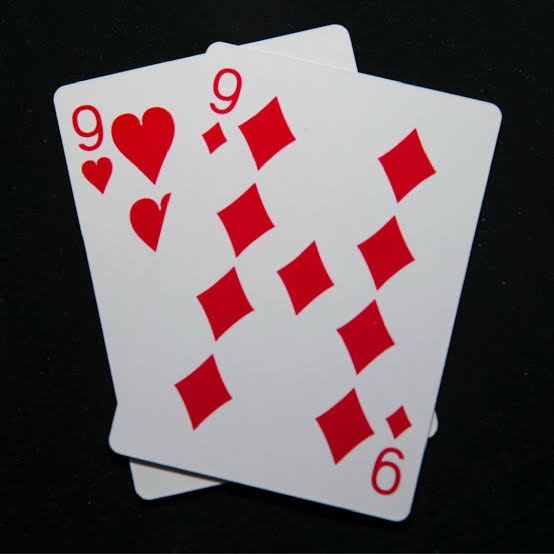
Incorporating aggressive strategies for small pairs in middle position can transform your poker tournament results. It’s about blending math, psychology, and timing to outmaneuver foes. Practice on low-stakes tables, review hands with software like PokerTracker, and watch pros on Twitch for inspiration.
Ready to crush your next tournament? Share your small pair stories in the comments below. Remember, in poker, fortune favors the bold—but the skilled bold win big.
If you enjoyed this article please like, share and subscribe! Thanks for reading and see you at the tables!

Winning $1/$2 Heads-Up Poker: Why Aggression Is King

Playing Aggressive Heads-Up Poker in a $1/$2 Cash Game
Heads-up poker at $1/$2 cash games is where aggression truly pays off. With only two players at the table, hand values change, ranges widen, and passive play quickly gets exposed. If you’re not applying pressure, you’re likely bleeding chips.
In this guide, we’ll break down how to play aggressive heads-up poker at $1/$2, when to apply pressure, and how to avoid the most common mistakes low-stakes players make.
Why Aggression Is So Important in $1/$2 Heads-Up Poker
At $1/$2, many players are uncomfortable playing heads-up. They’re used to multi-way pots and tight ranges. This creates a huge edge for aggressive players.
Aggression allows you to:
Win blinds consistently Pick up small pots without showdown Force opponents into mistakes Control the tempo of the match
Since both players post blinds every hand, folding too often simply isn’t an option. Aggressive poker is winning poker heads-up.
Preflop Strategy: Raising Wide at $1/$2 Heads-Up
In a heads-up $1/$2 cash game, opening ranges should be very wide—especially on the button.
Recommended Preflop Approach
Button: Raise 70–90% of hands Big Blind: Defend wide and mix in 3-bets Use smaller raise sizes (2x–2.5x) to keep pots manageable
Hands like:
Any Ace Any King Suited connectors Small pocket pairs One-gap suited hands
…are all playable when you’re playing aggressively.
Most $1/$2 opponents fold too often preflop or call too wide without a plan. Aggression exploits both tendencies.
Postflop Aggression: C-Betting at $1/$2
Low-stakes players miss flops frequently and hate facing multiple barrels. This makes continuation betting extremely profitable.
Heads-Up C-Betting Tips
C-bet often on dry boards (A-7-2, K-8-3) Use smaller sizing (30–40% pot) Fire second barrels when overcards or scare cards hit Value bet thin when you connect
You don’t need a big hand to bet. You need range advantage and confidence.
Playing Aggressive in Position vs Out of Position
In Position (Button)
This is where aggression shines:
Bet more frequently Float flops and apply turn pressure Bluff rivers selectively Extract thin value from top pair and second pair
Out of Position (Big Blind)
Check-raise strong hands and strong draws Avoid calling passively with weak hands Use aggression to deny equity
At $1/$2, many players check too much out of position. Punish that.
Reading Your Opponent Through Aggression
Aggression isn’t just about winning pots—it’s about gathering information.
Watch how your opponent reacts:
Folding too often to raises? Calling flops but folding turns? Never bluff-raising?
Each aggressive action helps define their range and tendencies. Passive play gives away control.
Common $1/$2 Heads-Up Mistakes to Avoid
Even aggressive players can torch money at low stakes by ignoring player pools.
❌ Over-bluffing calling stations
❌ Bluffing scare cards against unobservant players
❌ Refusing to slow down with marginal hands
❌ Playing scared after losing a pot
At $1/$2, aggression works best when paired with discipline and observation.
Final Thoughts: Aggression Wins $1/$2 Heads-Up Cash Games
If you want to win consistently in $1/$2 heads-up poker, aggression is non-negotiable. You don’t need fancy moves—just pressure, position, and persistence.
Play more pots. Bet more flops. Force decisions.
Because in low-stakes heads-up cash games, the player applying pressure usually walks away with the stack. ♠️
Thank you for reading this article. If you enjoyed it please like, share or comment! See you at the tables

Aces Cracked Again??

Pocket Aces in Early Position: How to Play Them in a $1/$2 Cash Game (and How Often They Lose)
Pocket Aces.
The best starting hand in Texas Hold’em.
And yet, the hand that somehow creates the most fear—especially in early position at a $1/$2 cash game.
If you’ve ever raised UTG with A♠ A♦, gotten multiple callers, and then watched a random two pair or straight crack your aces, you’re not alone. In fact, understanding how often pocket aces lose is the key to playing them profitably and emotionally correctly in low-stakes live poker.
Let’s break it down.
Why Pocket Aces Feel Tricky in Early Position
In a $1/$2 live cash game, early position (UTG, UTG+1) is dangerous for one simple reason:
👉 You’re almost guaranteed to get callers.
Live low-stakes games are:
Loose Passive Curious
When you raise with pocket aces from early position, players behind you aren’t folding hands they “want to see a flop with.” Suited connectors, small pairs, and offsuit junk all come along—often at bad prices.
That means:
More opponents More chances for someone to out-flop you More stress postflop
How Often Do Pocket Aces Actually Lose?
Here’s the reality many players don’t want to hear:
Pocket aces win about 85% of the time heads-up Against two opponents, that drops closer to ~73% Four or five opponents? You’re closer to 55–60%
So yes—aces lose far more often in multiway pots, which is exactly what early position creates in $1/$2 games.
That doesn’t mean aces are bad.
It means your expectations need to match reality.
The Biggest Mistake with Aces at $1/$2
The most common error isn’t preflop—it’s emotional.
Many players:
Overvalue one pair Feel “entitled” to win with aces Refuse to fold when the board becomes dangerous
Remember:
Pocket aces are just one pair after the flop.
If the board comes:
Highly connected Extremely wet Paired in a way that favors calling ranges
…you must be willing to slow down or even fold.
Winning players don’t ask, “Do I have aces?”
They ask, “What does my opponent’s range look like now?”
How to Play Pocket Aces in Early Position (Correctly)
1. Raise Bigger Than Usual
In $1/$2 games, standard opens often aren’t enough.
If the table is loose, consider 5–7x opens Charge the limpers and speculative hands Your goal is fewer opponents, not “balance”
2. Expect to Get Called
Even big raises won’t always isolate.
Plan for multiway pots and play cautiously postflop.
3. Don’t Overplay One Pair
If you’re facing:
Heavy turn aggression Multiple callers on dangerous boards Check-raise from a passive player
…believe them more often than not.
4. Focus on Long-Term Profit, Not Single Hands
Aces losing doesn’t mean you misplayed them.
It means variance exists, especially live.
Why Pocket Aces Still Print Money at $1/$2
Despite the heartbreak stories, pocket aces are still massively profitable because:
Players call too wide preflop They pay off too much postflop They don’t fold second-best hands
Your job isn’t to win every time—it’s to consistently extract value when ahead and minimize losses when behind.
That’s how aces make money.
Final Thoughts: Embrace the Truth About Aces
Pocket aces are powerful—but not invincible.
In early position at a $1/$2 cash game:
Expect action Expect variance Expect to lose sometimes
When you stop being surprised by aces getting cracked, you start playing them better—and your bankroll will thank you.
Play them strong. Play them smart. And don’t let one bad beat define your session.

If you liked this article please click like, or share or even subscribe. See you at the tables!
You Defended with that??? Hand of the Day!

Hand of the Day: Defending the Big Blind With 9♥7♥ in a $1/$2 Cash Game
Hand of the Day is all about finding profitable spots in live poker that many players overlook. Today’s hand focuses on a key low-stakes concept: defending the big blind with suited connectors, specifically 9♥7♥, in a $1/$2 No-Limit Hold’em cash game.
Game Setup
Stakes: $1/$2 No-Limit Hold’em Location: Live cash game Hero Position: Big Blind Hero Hand: 9♥7♥ Effective Stack: $300 (150 BB)
A middle-position player opens to $8, and two players call. Action folds to us in the big blind.
Preflop: Big Blind Defense With Suited Connectors
This is a textbook spot to defend the big blind in a $1/$2 cash game. We’re getting a great price and closing the action against multiple opponents.
Why 9♥7♥ is a profitable call here:
Excellent pot odds Strong playability postflop High implied odds in live low-stakes games Performs well in multi-way pots
Folding here would be too tight. We call.
Flop: Equity and Board Coverage
Flop: T♣ 8♥ 2♦
Pot: ~$33
This is a favorable board for our big blind defending range. With 9♥7♥, we flop an open-ended straight draw with backdoor flush potential.
The preflop raiser continuation bets $15.
Flop Decision: Why This Is a Profitable Continue
In a $1/$2 cash game, this is a mandatory continue. We have:
8 outs to the straight Backdoor flush equity Strong turn cards to apply pressure
Calling keeps in weaker hands and allows us to realize our equity.
We call.
Turn: Applying Pressure in Live Poker
Turn: 6♠
Pot: ~$63
This is a perfect card—giving us the nut straight. This is where defending suited connectors in the big blind truly pays off.
The preflop raiser bets $40.
Turn Play: Maximizing Value With a Disguised Hand
At $1/$2, opponents often struggle to put the big blind on a straight. Hands like overpairs, top pair, and two pair will frequently continue.
We raise to $110.
The original raiser calls.
River: Extracting Value at $1/$2
River: 2♠
Pot: ~$283
A clean river. No flush completes, and the board pairs in a way that rarely helps the preflop raiser.
Villain checks.
River Value Bet: Getting Paid at Low Stakes
This is a clear value bet. Live $1/$2 players routinely call with:
Overpairs Top pair, top kicker Two pair
We bet $140.
Villain tanks and calls, showing A♠T♦.
Showdown
Hero: 9♥7♥ — straight Villain: A♠T♦ — top pair
Hero wins a large pot.
Key Takeaways: Big Blind Defense in $1/$2 Cash Games
Defending your big blind with suited connectors is profitable when you’re getting the right price. Hands like 9♥7♥ shine in multi-way pots common to live poker. Hidden hands generate maximum implied odds at low stakes. Board coverage allows you to fight back on connected textures. Discipline is key—win big when you hit, fold when you miss.
Final Thoughts
This Hand of the Day shows why big blind defense strategy in $1/$2 cash games is essential for long-term success. Suited connectors like 9♥7♥ aren’t flashy, but when played correctly, they quietly build your stack by winning pots opponents never see coming.
If you’re serious about improving your live low-stakes poker strategy, start paying closer attention to your big blind decisions—they matter more than you think
If you’re enjoying this blog or this article, please like , share, subscribe, tell a friend! See you at the table!
Pocket Jacks? How do I play this??

How to Play Pocket Jacks in Middle Position ($2/$5 Cash Game Poker)
Pocket Jacks. The hand everyone loves… until the flop comes out.
If you play $2/$5 no-limit hold’em cash games, you already know JJ can be tricky—especially in middle position, where action is still behind you. This guide breaks down the best way to play pocket Jacks in live poker, without getting too technical or robotic.
Let’s keep it real.
Are Pocket Jacks a Good Hand in Poker?

Yes—pocket Jacks are a premium starting hand. In fact, JJ is the fourth-best hand in Texas Hold’em. The problem isn’t the cards—it’s how people play them.
In live $2/$5 games, players:
Call raises way too wide Rarely bluff big Tell you exactly what they have with bet sizing
That means JJ is strong preflop but needs smart postflop decisions.
Preflop: How to Play Pocket Jacks in Middle Position
Always Raise Pocket Jacks
In a $2/$5 cash game:
Open to $20–$30 Go bigger if there’s a straddle or lots of callers
Raising builds the pot while thinning the field. Limping JJ is a leak.
Should You 4-Bet Pocket Jacks?
Most of the time? No.
Against typical live players:
A 3-bet usually means QQ+, AK Flat-calling keeps weaker hands in and avoids bloating the pot
Best play:
✔️ Call 3-bets in position
✔️ 4-bet only against aggressive or loose opponents
Flop Play With Pocket Jacks
Best Flops for JJ
Low, dry boards like:
9♣ 5♦ 2♠ 8♠ 8♥ 3♦
These are great spots to:
Continuation bet for value Protect against overcards
What If an Ace, King, or Queen Hits?
This is where most players mess up.
Seeing an overcard doesn’t mean you’re automatically beat—but it does mean slow down.
Smart approach:
Call one reasonable bet Fold to heavy turn or river pressure Don’t turn JJ into a hero call machine
In live poker, big bets usually mean big hands.
Turn & River Strategy: Pot Control Wins Money
Pocket Jacks are not a hand to go broke with in $2/$5 cash games.
Ask yourself:
What worse hands are calling? Would this player bluff here? Does their line make sense?
If the answer feels uncomfortable, folding is usually the right play—and that’s how winning players stay profitable.
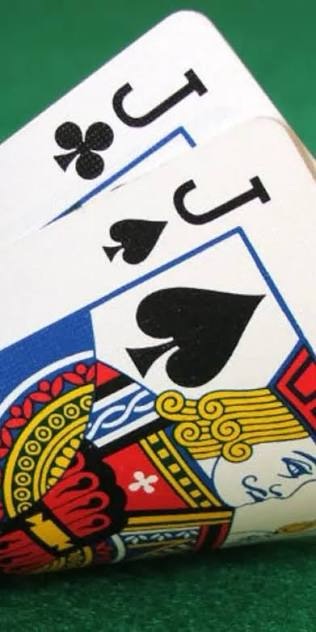
Common Pocket Jacks Mistakes in Live Poker
❌ Treating JJ like AA
❌ 4-betting tight players
❌ Calling down three streets on Ace-high boards
❌ Ignoring bet sizing and live reads
Final Thoughts: Best Way to Play Pocket Jacks in $2/$5
The best way to play pocket Jacks in middle position is simple:
Raise preflop Call more than you re-raise Keep the pot manageable Fold when the story says you’re beat
JJ isn’t cursed—you just have to respect the hand without marrying it.
Play it smart, and pocket Jacks will quietly become one of your most profitable hands in live cash games.
If you liked this article please like, share or subscribe, I’ll see you at the tables!
Hand of the Day:
Hand of the Day: Pocket 7s in the Small Blind vs J♠8♠ in the Big Blind
Blinds: 500 / 1,000
Stack Sizes: ~30 BB effective
Position:
Small Blind (Hero): 7♣7♦ Big Blind (Villain): J♠8♠
🔍 Preflop Action
Action folds around to the Small Blind, and Hero looks down at pocket sevens — a solid but tricky hand out of position.
Hero raises to 2.5 BB.
The Big Blind calls with J8 suited, a very standard defend given the price and position.
Pot: 5 BB
✅ Good open from the small blind. Pocket pairs play well heads-up, and folding here would be far too tight.
🌊 Flop: J♦ 7♠ 2♣
Bingo. Hero flops middle set on a fairly dry board.
Hero checks.
Big Blind bets 2 BB.
Hero raises to 6.5 BB.
Big Blind calls.
Pot: ~18 BB
💡 Why check-raise?
Allows Villain to continue with top pair (Jx) Builds the pot while disguising hand strength Protects against backdoor draws
🔥 Turn: 8♥
The turn brings an 8, giving Villain two pair (J8) — but Hero still has them crushed.
Hero bets 10 BB.
Big Blind tanks… then calls.
Pot: ~38 BB
⚠️ This is a critical card. While it improves J8, it also means Villain is now less likely to fold, making value betting mandatory.
🏁 River: 3♠
No straight completes. No flush completes.
Hero shoves for remaining ~11 BB.
Big Blind snap-calls.
🃏 Showdown
Hero: 7♣7♦ — Set of Sevens Villain: J♠8♠ — Two Pair
💥 Hero wins a massive pot and nearly doubles up.
🧠 Key Takeaways
✔ Pocket pairs gain huge value in blind vs blind battles
✔ Check-raising strong hands on dry boards maximizes value
✔ When opponents improve to second-best hands, keep betting
✔ Don’t slow-play when stacks are shallow — extract chips while you can
#poker
The importance of understanding position in Poker
What Position Means in Poker
Position refers to where you sit relative to the dealer button and when you act during each betting round. The later you act, the more information you have — and in poker, information is profit.
- Early Position (EP): You act first. Least information. Toughest seat.
- Middle Position (MP): More playable hands, more information.
- Late Position (LP): You act last. Maximum information. Most profitable.
- The Button: The best seat in poker.
Why Position Is So Powerful
- You Make Better Decisions With More Information
Acting last lets you see who is strong, who is weak, and who is giving up. This reduces guesswork and increases accuracy — the core of long-term winning poker.
- You Win More Pots Without Showdowns
Late position gives you more chances to:
- Steal blinds
- Apply pressure
- Float flops
- Value bet thinly
Players out of position simply can’t do this as often.
- You Can Play More Hands Profitably
In early position, you must stay tight.
In late position, you can profitably open:
- Suited connectors
- Suited gappers
- Small pairs
- Weaker aces
- Broadways
This is why strong players look “loose” — but only from the right seats.
- You Control the Size of the Pot
When you act last, you decide whether the pot stays small or grows. This is crucial with medium-strength hands that don’t want to play huge pots.
- You Avoid Difficult, Expensive Spots
Out of position, you’re forced into:
- More check-calling
- More guessing
- More defensive play
- More tough river decisions
Even strong hands lose value when you’re out of position.
Examples of Position in Action
Example 1: Same Hand, Different Position
You hold A♠ J♠.
- Under the Gun: Marginal. You’re often dominated or 3-bet.
- On the Button: A strong, profitable open.
Same hand. Different seat. Completely different value.
Example 2: Stealing the Blinds
On the button, everyone folds to you.
You raise with 9♦ 7♦.
You don’t need a premium hand — you just need the blinds to fold often enough. This is pure positional profit.
Example 3: Extracting Maximum Value
You flop top pair in position.
Your opponent checks every street.
You get:
- Free information
- Control of the pot
- The ability to value bet thinly
In position, you’re printing. Out of position, you’re guessing.
How to Use Position to Instantly Improve Your Game
✔️ 1. Play tighter in early position
Cut out marginal hands and protect your stack.
✔️ 2. Open wider in late position
Especially from the button and cutoff.
✔️ 3. 3-bet more often from late position
You win pots preflop and play postflop with the advantage.
✔️ 4. Keep pots small out of position
Medium-strength hands should avoid bloated pots.
✔️ 5. Attack capped ranges
When players check to you out of position, they often signal weakness. Punish it.
Final Thoughts
Position is one of the most important — and most misunderstood — concepts in poker. If you want to increase your win rate, reduce tough decisions, and build a more consistent long-term strategy, start prioritizing position every time you sit down.
 THE PLAYER IN SEAT 4..
Recent Comments