Archive
What kind of Poker Player are you?

Understanding Poker Player Types: Casual, Recreational, and Regular Players Explained
In the world of poker, knowing the different types of poker players can give you a real edge at the table. Whether you’re a beginner searching for poker playing styles or a seasoned grinder looking to exploit poker players, understanding categories like casual poker player, recreational poker player, and poker regular is key. These poker player types influence game dynamics, strategy, and even where you choose to play—be it online poker sites, live casinos, or home games. In this guide, we’ll break down each type with brief descriptions, highlighting their motivations, habits, and how they fit into the broader poker strategy ecosystem.
What Is a Casual Poker Player?
A casual poker player is the epitome of low-commitment fun in the game. These players dip into poker sporadically, often treating it like any other leisure activity—think someone who joins a friendly home game during holidays or logs into a free online poker app when bored. Their primary goal isn’t winning big; it’s simply enjoying the social vibe or killing time.
Key traits of a casual poker player:
• Frequency: Plays infrequently, maybe a few times a year.
• Strategy: Minimal knowledge beyond basic rules; decisions are gut-based, leading to common mistakes like chasing unlikely draws.
• Mindset: Low stakes, no bankroll management—losses are just part of the entertainment.
• Impact on Games: They add unpredictability but aren’t consistent enough to be reliable “action” providers.
If you’re searching for beginner poker tips, starting as a casual player is a low-pressure way to learn without the grind.
What Is a Recreational Poker Player (Rec)?
Often abbreviated as “rec,” a recreational poker player takes the hobby a step further than casuals. These are the enthusiasts who play for the thrill and social interaction, viewing poker as a fun escape rather than a job. In poker lingo, recs are the “fish” that keep games juicy, as they prioritize enjoyment over profit.
Brief description of a recreational poker player:
• Frequency: Regular sessions, like weekly casino visits or online games a few times a month.
• Strategy: Basic understanding of hands, but prone to loose calls and speculative plays—think overvaluing suited connectors in video poker or live settings.
• Mindset: Accepts long-term losses as the “cost of fun,” similar to a night out. They might watch poker streams or follow pros for entertainment.
• Impact on Games: Essential for the ecosystem; pros love tables full of recs because they’re exploitable with solid poker strategy.
Recs embody the spirit of free poker games but with real money on the line, making them a staple in discussions about poker player differences.
What Is a Regular Poker Player (Reg)?
A poker regular, or “reg,” represents the more serious side of non-pro play. These players treat poker as a consistent pursuit, often aiming to break even or profit over time. They’re the familiar faces at local card rooms or online tables, grinding sessions with discipline.
Essential traits of a poker regular:
• Frequency: Plays frequently, sometimes daily, with a routine schedule.
• Strategy: Employs structured approaches like tight-aggressive (TAG) or loose-aggressive (LAG) styles, focusing on stats, position, and reads to exploit poker players.
• Mindset: Bankroll-focused, with goals for improvement—might use tools like HUDs or study resources to refine their game.
• Impact on Games: They stabilize tables but can make them tougher; regs often spot and avoid each other, targeting recs and casuals instead.
For those researching poker terms or advancing from casual play, becoming a reg involves mastering essential poker math and player reads.
Key Differences Between Casual, Rec, and Regular Poker Players
To sum up the poker player types:
• Casual vs. Recreational: Casuals play rarely and passively, while recs are more engaged hobbyists who show up often but still prioritize fun over strategy.
• Recreational vs. Regular: Recs lose money long-term for enjoyment, whereas regs aim for sustainability or profit through disciplined play.
• Overall: Casuals bring whimsy, recs fuel the action, and regs provide the challenge—together, they create balanced, exciting games.
Understanding these types of poker players can transform your sessions. If you’re a casual poker player eyeing progression, start by observing regs at free poker games to pick up tips. For regs, spotting recs is your path to profitability.
Whether you’re into online poker or live tournaments, recognizing these categories enhances your experience. What’s your poker player type? Share in the comments below!
Thank you for reading this article. If you enjoyed it please like, comment or subscribe! See you at the table!
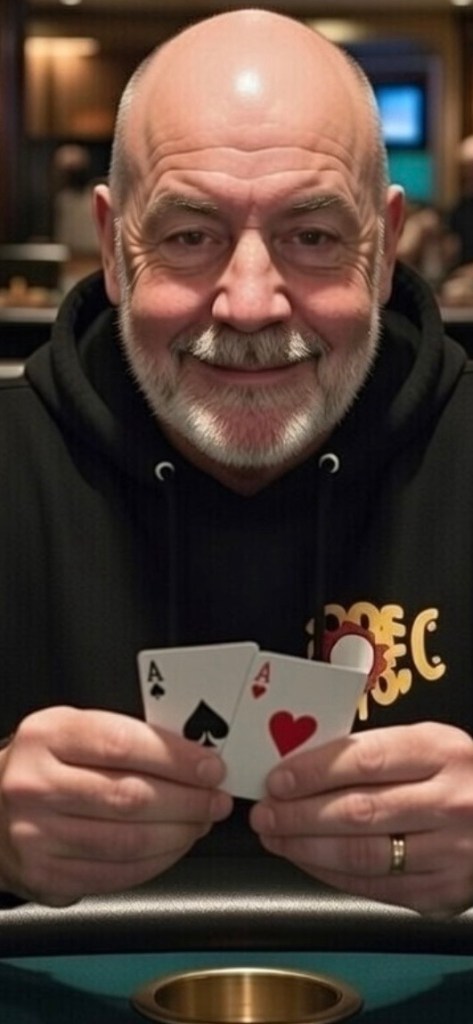
3 betting in $1/$2 NL Poker
The power of 3-betting is one of the biggest edges you can develop in a typical $1/$2 no-limit hold’em cash game. These live low-stakes games are often full of passive players who limp or call too much preflop, rarely 3-bet themselves, and fold far too often when facing aggression. By incorporating well-timed 3-bets (re-raises) into your strategy, you can dramatically increase your win rate.
Why 3-Betting Crushes in $1/$2
Here are the main reasons 3-betting is so powerful at these stakes:
1. You win pots immediately without seeing a flop
Many opponents open-raise wide (especially from late position) but fold a huge percentage to 3-bets. A single successful 3-bet steals the blinds + the original raise, and you avoid paying rake on a flop you never see. In passive $1/$2 games, this happens frequently.
2. You take control of position
When you 3-bet, you often end up heads-up against the original raiser with the initiative. If you’re in position (e.g., on the button or cutoff), that’s a massive advantage — you get to act last postflop and apply pressure with continuation bets.
3. You isolate weak players and build bigger pots with strong hands
3-betting premiums like QQ+, AK, or even thinner value hands (like AQ or TT in position) lets you get more money in preflop against opponents who call too wide but fold to further aggression. You also prevent multiway pots that kill value with your big hands.
4. Opponents rarely fight back
In most $1/$2 games, players 3-bet or 4-bet very infrequently — and when they do, it’s almost always for huge value. This lets you 3-bet lighter (with bluffs or semi-bluffs) profitably against opponents who over-fold.
How to 3-Bet Effectively in $1/$2
• Sizing: In position, use 3–3.5× the open raise (e.g., opponent raises to $8–$10 → 3-bet to $24–$35). Out of position (like from the blinds), go bigger — around 4× or more to discourage calls and deny equity.
• Value 3-bet hands like QQ+, AK, sometimes JJ or AQ in good spots.
• Bluff/light 3-bet with suited connectors, suited aces, or blockers (e.g., A5s, 76s) against opponents who fold too much — but only in position and against raisers who open wide.
• Target weak openers: Punish late-position min-raises or loose raisers who fold to 3-bets often. Avoid 3-betting tight early-position opens unless you have a monster.
Quick Example
A loose cutoff opens to $10 in a $1/$2 game. You have A♠Q♠ on the button.
A standard 3-bet to $30 often takes it down right there. If called, you’re heads-up in position with a strong hand that plays well postflop.
Bottom Line
Most $1/$2 players 3-bet way too rarely — sometimes only a handful of times per session. By 3-betting more aggressively (but selectively), you exploit their passivity, win more pots preflop, steal position, and build bigger pots when ahead. It’s one of the simplest ways to turn a break-even or losing $1/$2 game into a consistently profitable one.
Start adding a few more 3-bets to your arsenal next session — the results can be eye-opening. Good luck at the tables!
If you enjoyed this article please like, comment and subscribe for more! See you at the tables!
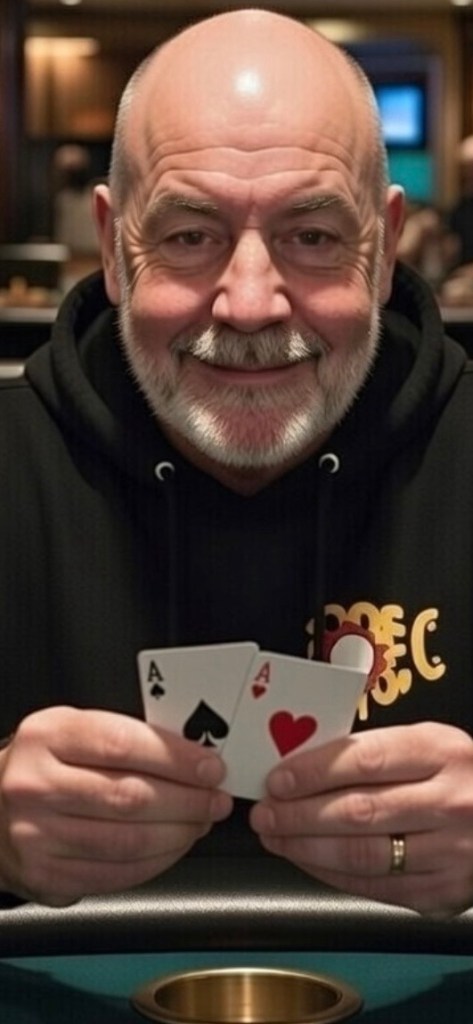
Pros and Cons Poker Room at the Borgata
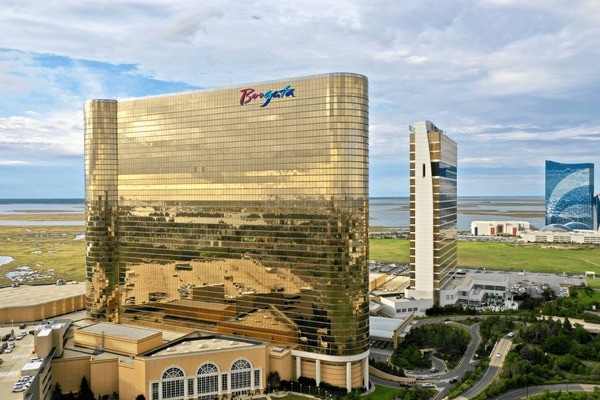
The Borgata Poker Room in Atlantic City, New Jersey, is widely regarded as one of the premier poker destinations on the East Coast. Located inside the luxurious Borgata Hotel Casino & Spa (an MGM property), it stands out as the largest and most active poker room in AC, often described as a “Vegas-style” experience outside of Las Vegas. With around 52 tables (sources vary slightly on exact count, but it’s consistently the biggest in the region), it’s open 24/7 and attracts a mix of recreational players, regulars, and pros.
Whether you’re a casual visitor or a serious grinder, the room has a lot going for it—but like any poker venue, it’s not perfect. Here’s a balanced look at the pros and cons based on player reviews, industry sites, and recent feedback.
Pros of the Borgata Poker Room
1. Size and Action Availability
The room is massive and spacious, with high ceilings, good lighting, and a dedicated, smoke-free environment separated from the main casino floor. Games run around the clock, and there’s almost always action available—especially in popular stakes like $1/$2 or $1/$3 No-Limit Hold’em. Players frequently praise the short wait times and reliable game starts, even on weekdays.
2. Tournament Excellence
Borgata is a tournament powerhouse. It hosts major series like the Borgata Poker Open and Winter Poker Open, with huge guarantees (often millions in prize pools) that draw top talent and big fields. Daily tournaments offer variety for all bankrolls, making it a go-to for tournament enthusiasts.
3. Game Variety and Stakes
Beyond standard NLHE, you’ll find Omaha, mixed games, and higher-stakes options. The room spreads more high-stakes action than most AC competitors. Bad beat jackpots, high-hand bonuses, and promotions add extra excitement and value.
4. Comfort and Amenities
The setup is player-friendly: USB charging ports at tables, comfortable chairs (with recent upgrades noted), its own restrooms, and proximity to dining options. Free drinks are standard (tip your servers), and the overall vibe is clean, professional, and upscale—many call it the “best in AC” or even a favorite in the U.S.
5. Overall Reputation
Longtime players and reviews from sites like PokerAtlas, Upswing Poker, and PokerNews often rank it as the top East Coast room (outside Vegas), with consistent praise for efficiency, competent dealers/floor staff, and a lively yet serious atmosphere.
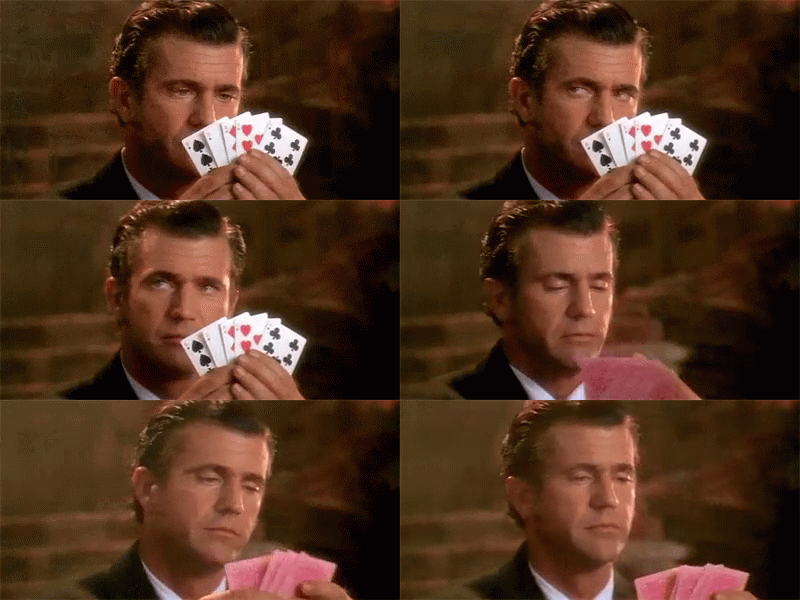
Cons of the Borgata Poker Room
1. Game Toughness
The room attracts many serious and professional players, especially off-peak (weekdays or quieter hours). Games can be nitty or tough, with fewer “soft” recreational fish compared to some other venues. Some regulars note that softer action is more reliable on busy weekends or during big events.
2. Staff and Management Issues (Mixed Feedback)
While many praise the dealers and floor, recent reviews (including Reddit threads) mention disorganization, low dealer morale, slow service at times, or inconsistent rulings. Some players feel the room has declined in management quality compared to its peak years.
3. Minor Annoyances
TVs mounted high on ceilings make them hard to view comfortably. Some complain about the sportsbook/horse betting integration feeling intrusive if it’s near the entrance. Comps and rewards (via MGM) can be underwhelming for lower-stakes or non-high-volume players.
4. Crowds and Atmosphere During Peaks
It gets busy during tournaments or weekends, which is great for action but can lead to longer waits for preferred stakes or a more crowded feel. The sterile, serious vibe appeals to pros but might feel less “fun” to casual players compared to smaller, chattier rooms.
5. Location-Specific Quirks
As part of a high-end resort, parking, crowds in the casino, and AC’s general vibe (travel, costs) can be drawbacks for some. Recent feedback suggests renovations (new felt, chairs, TVs) are improving things, but not everyone agrees the changes have fully restored its “best on the East Coast” status.
Final Thoughts
The Borgata Poker Room remains a top-tier choice for live poker in Atlantic City and the Northeast—especially if you value big action, major tournaments, and a professional setup. It’s particularly strong for tournament players and those who don’t mind tougher games in exchange for consistent availability and upscale amenities.
If you’re a recreational player seeking softer, looser games, you might find better spots elsewhere (like some regional casinos outside AC). But for most, the pros outweigh the cons, and it’s still frequently called the best room in town.
Personally I love playing here, great poker room with an incredible vibe. Good competitive play!
Have you played there recently? What’s your take on the games or the vibe? If you’re planning a trip, it’s definitely worth checking out—especially during one of their big series!
If you enjoyed this article please like, comment or share. Subscribe for additional articles. Thank you and see you at the tables
Winning $1/$2 Heads-Up Poker: Why Aggression Is King

Playing Aggressive Heads-Up Poker in a $1/$2 Cash Game
Heads-up poker at $1/$2 cash games is where aggression truly pays off. With only two players at the table, hand values change, ranges widen, and passive play quickly gets exposed. If you’re not applying pressure, you’re likely bleeding chips.
In this guide, we’ll break down how to play aggressive heads-up poker at $1/$2, when to apply pressure, and how to avoid the most common mistakes low-stakes players make.
Why Aggression Is So Important in $1/$2 Heads-Up Poker
At $1/$2, many players are uncomfortable playing heads-up. They’re used to multi-way pots and tight ranges. This creates a huge edge for aggressive players.
Aggression allows you to:
Win blinds consistently Pick up small pots without showdown Force opponents into mistakes Control the tempo of the match
Since both players post blinds every hand, folding too often simply isn’t an option. Aggressive poker is winning poker heads-up.
Preflop Strategy: Raising Wide at $1/$2 Heads-Up
In a heads-up $1/$2 cash game, opening ranges should be very wide—especially on the button.
Recommended Preflop Approach
Button: Raise 70–90% of hands Big Blind: Defend wide and mix in 3-bets Use smaller raise sizes (2x–2.5x) to keep pots manageable
Hands like:
Any Ace Any King Suited connectors Small pocket pairs One-gap suited hands
…are all playable when you’re playing aggressively.
Most $1/$2 opponents fold too often preflop or call too wide without a plan. Aggression exploits both tendencies.
Postflop Aggression: C-Betting at $1/$2
Low-stakes players miss flops frequently and hate facing multiple barrels. This makes continuation betting extremely profitable.
Heads-Up C-Betting Tips
C-bet often on dry boards (A-7-2, K-8-3) Use smaller sizing (30–40% pot) Fire second barrels when overcards or scare cards hit Value bet thin when you connect
You don’t need a big hand to bet. You need range advantage and confidence.
Playing Aggressive in Position vs Out of Position
In Position (Button)
This is where aggression shines:
Bet more frequently Float flops and apply turn pressure Bluff rivers selectively Extract thin value from top pair and second pair
Out of Position (Big Blind)
Check-raise strong hands and strong draws Avoid calling passively with weak hands Use aggression to deny equity
At $1/$2, many players check too much out of position. Punish that.
Reading Your Opponent Through Aggression
Aggression isn’t just about winning pots—it’s about gathering information.
Watch how your opponent reacts:
Folding too often to raises? Calling flops but folding turns? Never bluff-raising?
Each aggressive action helps define their range and tendencies. Passive play gives away control.
Common $1/$2 Heads-Up Mistakes to Avoid
Even aggressive players can torch money at low stakes by ignoring player pools.
❌ Over-bluffing calling stations
❌ Bluffing scare cards against unobservant players
❌ Refusing to slow down with marginal hands
❌ Playing scared after losing a pot
At $1/$2, aggression works best when paired with discipline and observation.
Final Thoughts: Aggression Wins $1/$2 Heads-Up Cash Games
If you want to win consistently in $1/$2 heads-up poker, aggression is non-negotiable. You don’t need fancy moves—just pressure, position, and persistence.
Play more pots. Bet more flops. Force decisions.
Because in low-stakes heads-up cash games, the player applying pressure usually walks away with the stack. ♠️
Thank you for reading this article. If you enjoyed it please like, share or comment! See you at the tables
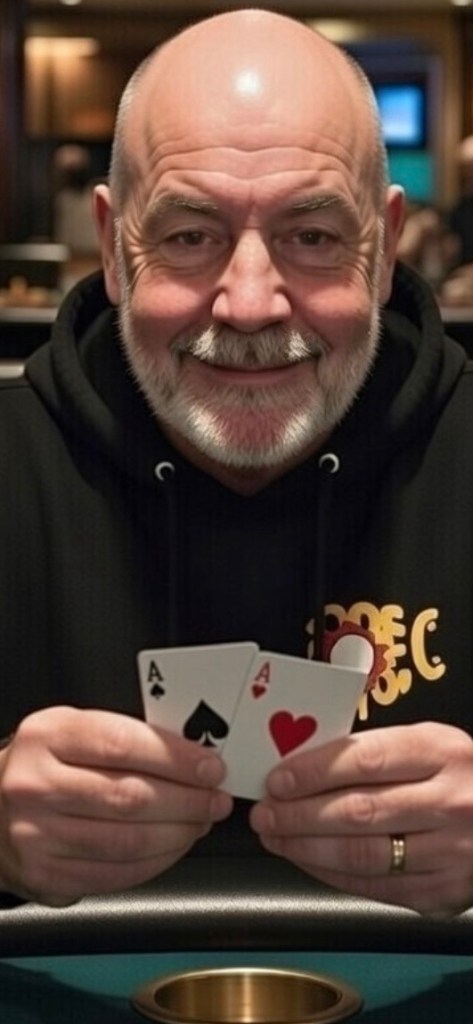
Potomac Winter Open begins this February!!
Get Ready for Winter’s Hottest Poker Action: The 2026 Potomac Winter Poker Open
Every February, poker players from across the region and beyond make a beeline for Maryland’s premier gambling destination — and 2026 is shaping up to be one of the biggest years yet. The Potomac Winter Poker Open is returning to MGM National Harbor from February 11–23, 2026, delivering more competitive action, bigger prize pools, and a fresh tournament format designed to appeal to recreational players and seasoned pros alike.
🎲 What’s New in 2026
This year’s series brings a refreshed format crafted to elevate the experience for everyone involved. For the first time, tournaments will be held directly on the casino floor in The Poker Room — putting the action front and center amid the buzz of the MGM’s gaming atmosphere.
Highlights include:
23 trophied events over 13 action-packed days. A strong mix of multi-day tournaments and mixed-game formats that test a range of poker skills. A Charity Series of Poker (CSOP) designed to give back to the community while keeping competition fierce.
Whether you’re chasing the glory of a hard-fought tournament win or just looking to enjoy some low-stress tables with friends, the series has something for every type of player.
🏆 Featured Events
While the full schedule is packed with intriguing stops, a few key events promise to be particularly big draws:
💰 Opener with a Major Guarantee
The series kicks off with a big Opener event featuring a $500,000 guaranteed prize pool and multiple starting flights — perfect for players who want plenty of chances to make deep runs.
⭐ Main Event
The $3,000 buy-in Main Event is always the marquee headliner. This year it comes with a $750,000 guaranteed prize pool and multiple starting flights designed to build excitement and attract a competitive field.
🎯 Mixed Games & Specialty Events
In addition to No-Limit Hold’em staples, the schedule features:
Tag Team poker — partner up and take on the field. Seniors and Super Seniors events — celebrating experienced players with age-specific buy-ins. Women’s event — promoting inclusion and community competition. Mixed game formats like Big O, PLO, and 8-Game Mix for players who like variety.
These additions make the tournament more than just a typical No-Limit Hold’em grind — they bring diversity, strategy, and new ways to enjoy the game.
📍 Why It Matters
The Potomac Winter Poker Open is more than just a tournament — it’s become one of the East Coast’s signature winter poker festivals. Held against the stunning backdrop of the Potomac River and just a short ride from Washington, D.C., the event draws a wide mix of seasoned pros, regional regulars, and ambitious newcomers, creating an electric atmosphere that’s as social as it is competitive.
In past years, the series has drawn hundreds of players and featured memorable stories — like deep runs and big chops in the Main Event — and 2026 is expected to continue that tradition with an even broader slate of events.
🧳 Planning Your Trip
If you’re thinking of heading down, here are a few tips:
Book early — MGM National Harbor hotels and nearby accommodations tend to fill fast during poker festivals. Study the schedule — with so many events on the calendar, planning which tournaments you want to enter can save money and energy. Play smart — these festivals are marathons, not sprints. Know your buy-in budget and pace yourself.
Whether you’re chasing glory in the Main Event, trying your hand at mixed games, or just soaking in the poker community vibe, this year’s Potomac Winter Poker Open promises something for everyone.
🃏 Final Thoughts
From its expanded schedule to its fresh new competitive formats, the 2026 Potomac Winter Poker Open is shaping up to be one of the must-play poker series of the winter season. Mark your calendars for February 11–23, sharpen your strategy, and get ready to shuffle up and deal in Maryland this February!
If you enjoyed this article please like, share, comment and subscribe! Thanks and I’ll see you at the tables!
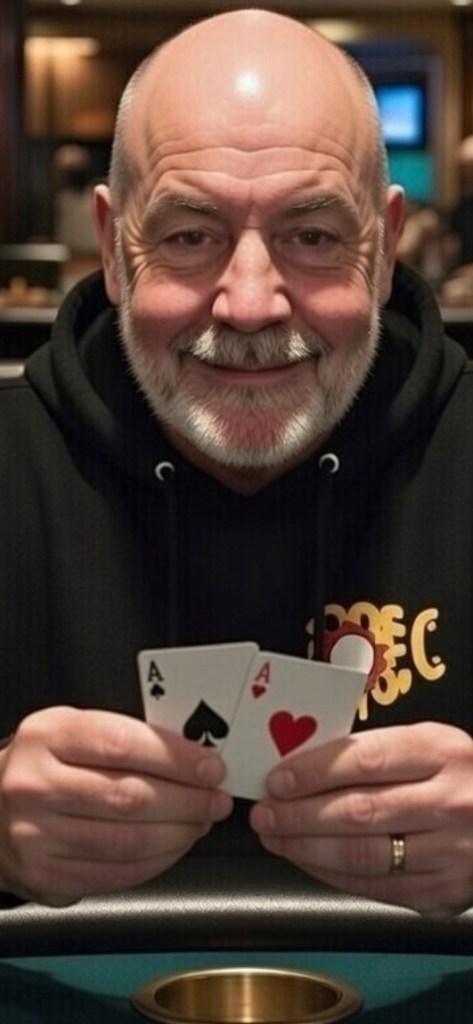
General Poker table etiquette
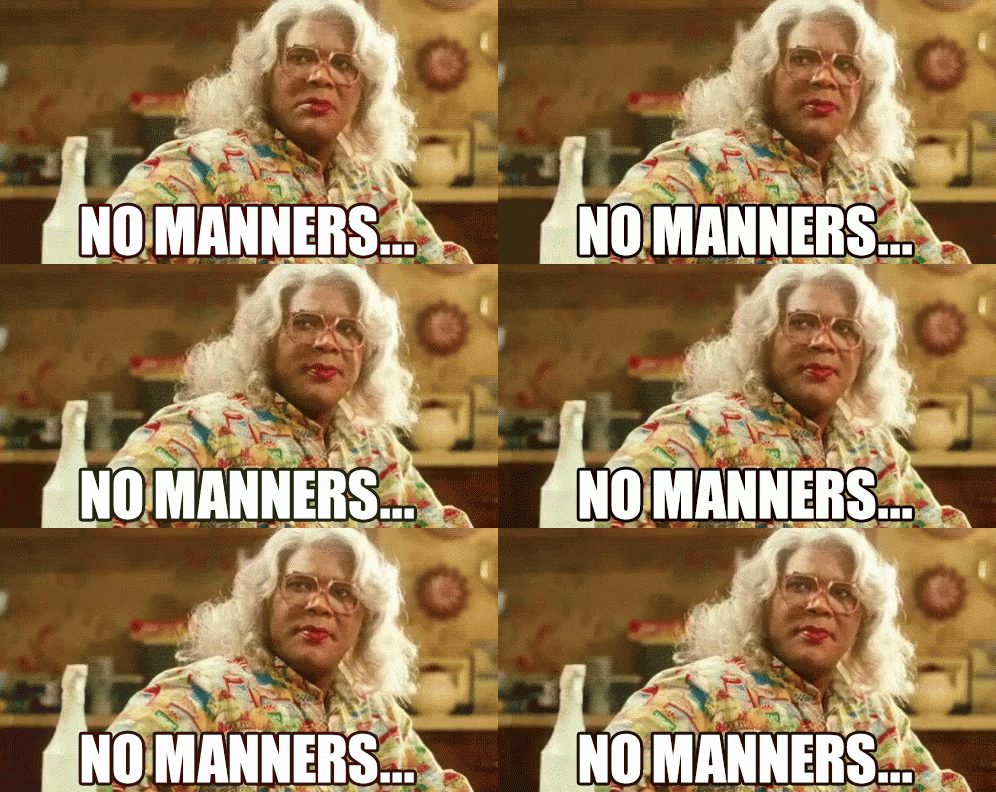
Poker table etiquette helps keep the game enjoyable, fair, and flowing smoothly for everyone—whether you’re at a casino, home game, or tournament. Good manners show respect for the dealers, staff, and fellow players, and they prevent unnecessary tension or delays.
Here are the most important guidelines to follow:
Act in Turn and Pay Attention
Always wait for your turn before acting (betting, calling, folding, etc.). Acting out of turn can give unfair information or disrupt the action. Stay focused on the hand—even when you’ve folded—so you don’t miss your turn later. If you’re unsure, ask the dealer for clarification.
Be Clear and Deliberate with Actions
Announce your intentions verbally (“raise to $50,” “all-in,” “call”) before moving chips. Avoid “string bets” (reaching for more chips after already putting some forward). Place bets neatly in front of you—don’t “splash the pot” by throwing chips haphazardly into the center.
Don’t Slow Roll
When you win a big pot, don’t deliberately delay showing your winning hand to build suspense or taunt opponents. Flip your cards promptly when called or at showdown. Slow rolling is one of the most disliked behaviors in poker.
Respect the Table and Players
• Keep conversation friendly and avoid excessive trash talk, especially when someone is on tilt.
• Don’t criticize other players’ decisions or give unsolicited advice.
• Protect your cards and stack—keep chips organized and don’t touch other players’ cards or chips.
• One player to a hand: Don’t discuss strategy or show hole cards while a hand is ongoing.
Phone and Distractions
Step away from the table for phone calls or important texts. Constant phone use slows the game and annoys others. Many casinos require you to leave the table for calls anyway.
Tipping and Leaving
Tip the dealer when you win pots (especially big ones)—a small toke is standard in live games. If you need to leave, say a quick goodbye and cash out politely. Avoid “hit and run” tactics (buying in, winning a big pot quickly, then immediately leaving), which can frustrate regulars.
General Courtesy
• Be gracious in both victory and defeat—don’t gloat or berate others.
• Keep the table clean—no food/drink spills, no excessive profanity if the table vibe doesn’t support it.
• If you’re new, feel free to ask the dealer questions—most are happy to help beginners.
Following these simple rules makes you a welcome player at any table. Poker is social, and good etiquette keeps the atmosphere positive and the action moving. Good luck—and may your bluffs always get through! ♠️
These are basic, I’ll cover the difference between a casino and home game etiquette in a future article!
If you enjoyed this article please like, comment, share or subscribe! Thank you and see you at the tables!


Recent Comments