Archive
Poker Position 101
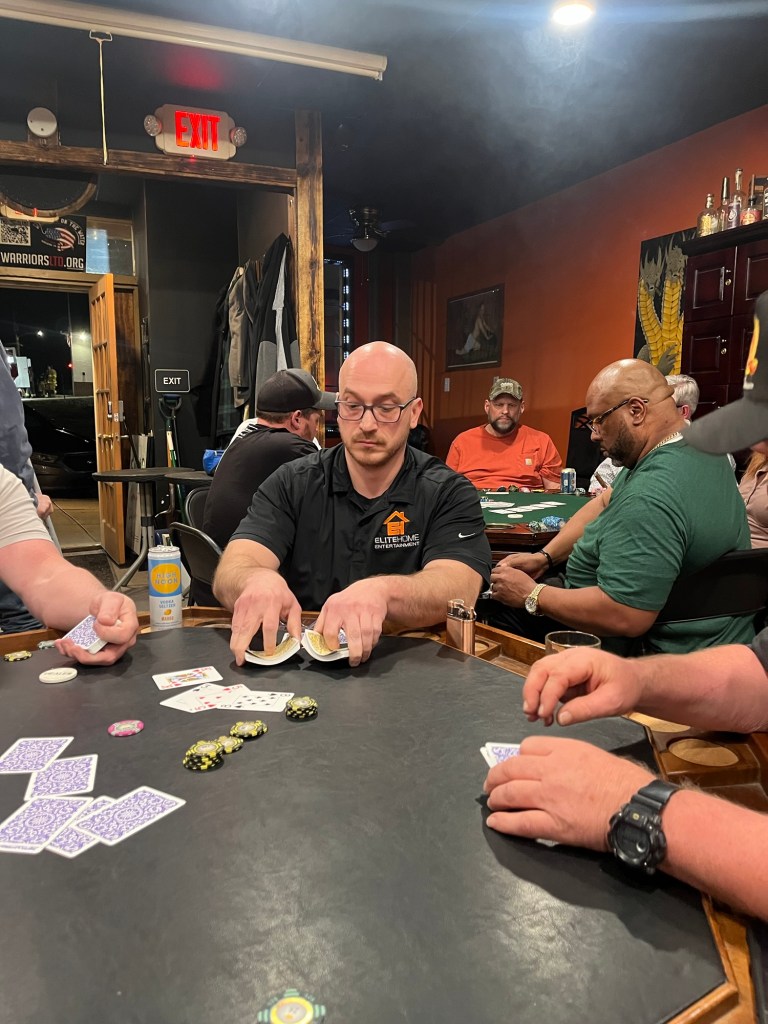
I wrote an article recently called the importance of understanding position in poker and have had several people ask me more about the different positions and what they are called. I decided to follow up with this simple explanation as a back to basics.
Poker table positions are one of the most important concepts for beginners to learn in Texas Hold’em (the most popular poker variant). Your position at the table determines when you act in each betting round, which gives you more (or less) information about what other players are doing. Acting later is a huge advantage because you see everyone’s actions before deciding.
The dealer button (a small disc labeled “Dealer”) moves clockwise each hand, so positions rotate. This guide focuses on a standard 9-handed (full-ring) table, common in live games and many online settings.
Why Position Matters for Beginners
• Early positions act first → tougher, play fewer hands.
• Late positions act last → easier, play more hands aggressively.
• Blinds post forced bets but act out of order.
Positions are grouped into early, middle, late, and blinds.
Poker Positions Explained (9-Handed Table)
1. Small Blind (SB)
Directly left of the button. Posts the small forced bet (half the big blind). Acts second-to-last preflop (after big blind calls/raises) but first postflop (after the flop). Tricky spot—play carefully.
2. Big Blind (BB)
Left of the small blind. Posts the full forced bet. Acts last preflop (great for seeing raises) but second postflop. Defend your blind with decent hands.
3. Under the Gun (UTG)
First to act preflop (left of big blind). “Under the gun” means pressure—no one has acted yet. Tightest position—only play strong hands.
4. Under the Gun +1 (UTG+1)
Next after UTG. Still early position. Similar to UTG: be selective.
5. Lojack (LJ) or Middle Position
Early-middle. More flexibility than UTG but still somewhat early.
6. Hijack (HJ)
Middle-late position (right of lojack). Good spot to open-raise if folded to you.
7. Cutoff (CO)
Right of the hijack (one seat right of button). Strong late position—often steal blinds with wider ranges.
8. Button (BTN)
The dealer position (button in front). Best seat overall. Acts last postflop in almost every hand—maximum information. Play most hands aggressively here.
Quick Tips for Beginners
• Position > Cards — A mediocre hand in late position often beats a good hand in early position.
• Always note the button location—it shows who’s in late position.
• In online poker or 6-max games, positions shift (fewer early seats, more late-play opportunities).
• Start by playing tight from early positions and looser from late.
Mastering positions will instantly improve your game more than memorizing hand rankings. Practice at low-stakes tables, watch where the button is, and ask yourself: “Do I act early or late?” Good luck at the tables
If you enjoyed this article please like, comment subscribe and share. Thank you and see you at the tables!
What kind of Poker Player are you?
Understanding Poker Player Types: Casual, Recreational, and Regular Players Explained
In the world of poker, knowing the different types of poker players can give you a real edge at the table. Whether you’re a beginner searching for poker playing styles or a seasoned grinder looking to exploit poker players, understanding categories like casual poker player, recreational poker player, and poker regular is key. These poker player types influence game dynamics, strategy, and even where you choose to play—be it online poker sites, live casinos, or home games. In this guide, we’ll break down each type with brief descriptions, highlighting their motivations, habits, and how they fit into the broader poker strategy ecosystem.
What Is a Casual Poker Player?
A casual poker player is the epitome of low-commitment fun in the game. These players dip into poker sporadically, often treating it like any other leisure activity—think someone who joins a friendly home game during holidays or logs into a free online poker app when bored. Their primary goal isn’t winning big; it’s simply enjoying the social vibe or killing time.
Key traits of a casual poker player:
• Frequency: Plays infrequently, maybe a few times a year.
• Strategy: Minimal knowledge beyond basic rules; decisions are gut-based, leading to common mistakes like chasing unlikely draws.
• Mindset: Low stakes, no bankroll management—losses are just part of the entertainment.
• Impact on Games: They add unpredictability but aren’t consistent enough to be reliable “action” providers.
If you’re searching for beginner poker tips, starting as a casual player is a low-pressure way to learn without the grind.
What Is a Recreational Poker Player (Rec)?
Often abbreviated as “rec,” a recreational poker player takes the hobby a step further than casuals. These are the enthusiasts who play for the thrill and social interaction, viewing poker as a fun escape rather than a job. In poker lingo, recs are the “fish” that keep games juicy, as they prioritize enjoyment over profit.
Brief description of a recreational poker player:
• Frequency: Regular sessions, like weekly casino visits or online games a few times a month.
• Strategy: Basic understanding of hands, but prone to loose calls and speculative plays—think overvaluing suited connectors in video poker or live settings.
• Mindset: Accepts long-term losses as the “cost of fun,” similar to a night out. They might watch poker streams or follow pros for entertainment.
• Impact on Games: Essential for the ecosystem; pros love tables full of recs because they’re exploitable with solid poker strategy.
Recs embody the spirit of free poker games but with real money on the line, making them a staple in discussions about poker player differences.
What Is a Regular Poker Player (Reg)?
A poker regular, or “reg,” represents the more serious side of non-pro play. These players treat poker as a consistent pursuit, often aiming to break even or profit over time. They’re the familiar faces at local card rooms or online tables, grinding sessions with discipline.
Essential traits of a poker regular:
• Frequency: Plays frequently, sometimes daily, with a routine schedule.
• Strategy: Employs structured approaches like tight-aggressive (TAG) or loose-aggressive (LAG) styles, focusing on stats, position, and reads to exploit poker players.
• Mindset: Bankroll-focused, with goals for improvement—might use tools like HUDs or study resources to refine their game.
• Impact on Games: They stabilize tables but can make them tougher; regs often spot and avoid each other, targeting recs and casuals instead.
For those researching poker terms or advancing from casual play, becoming a reg involves mastering essential poker math and player reads.
Key Differences Between Casual, Rec, and Regular Poker Players
To sum up the poker player types:
• Casual vs. Recreational: Casuals play rarely and passively, while recs are more engaged hobbyists who show up often but still prioritize fun over strategy.
• Recreational vs. Regular: Recs lose money long-term for enjoyment, whereas regs aim for sustainability or profit through disciplined play.
• Overall: Casuals bring whimsy, recs fuel the action, and regs provide the challenge—together, they create balanced, exciting games.
Understanding these types of poker players can transform your sessions. If you’re a casual poker player eyeing progression, start by observing regs at free poker games to pick up tips. For regs, spotting recs is your path to profitability.
Whether you’re into online poker or live tournaments, recognizing these categories enhances your experience. What’s your poker player type? Share in the comments below!
Thank you for reading this article. If you enjoyed it please like, comment or subscribe! See you at the table!
General Poker table etiquette
Poker table etiquette helps keep the game enjoyable, fair, and flowing smoothly for everyone—whether you’re at a casino, home game, or tournament. Good manners show respect for the dealers, staff, and fellow players, and they prevent unnecessary tension or delays.
Here are the most important guidelines to follow:
Act in Turn and Pay Attention
Always wait for your turn before acting (betting, calling, folding, etc.). Acting out of turn can give unfair information or disrupt the action. Stay focused on the hand—even when you’ve folded—so you don’t miss your turn later. If you’re unsure, ask the dealer for clarification.
Be Clear and Deliberate with Actions
Announce your intentions verbally (“raise to $50,” “all-in,” “call”) before moving chips. Avoid “string bets” (reaching for more chips after already putting some forward). Place bets neatly in front of you—don’t “splash the pot” by throwing chips haphazardly into the center.
Don’t Slow Roll
When you win a big pot, don’t deliberately delay showing your winning hand to build suspense or taunt opponents. Flip your cards promptly when called or at showdown. Slow rolling is one of the most disliked behaviors in poker.
Respect the Table and Players
• Keep conversation friendly and avoid excessive trash talk, especially when someone is on tilt.
• Don’t criticize other players’ decisions or give unsolicited advice.
• Protect your cards and stack—keep chips organized and don’t touch other players’ cards or chips.
• One player to a hand: Don’t discuss strategy or show hole cards while a hand is ongoing.
Phone and Distractions
Step away from the table for phone calls or important texts. Constant phone use slows the game and annoys others. Many casinos require you to leave the table for calls anyway.
Tipping and Leaving
Tip the dealer when you win pots (especially big ones)—a small toke is standard in live games. If you need to leave, say a quick goodbye and cash out politely. Avoid “hit and run” tactics (buying in, winning a big pot quickly, then immediately leaving), which can frustrate regulars.
General Courtesy
• Be gracious in both victory and defeat—don’t gloat or berate others.
• Keep the table clean—no food/drink spills, no excessive profanity if the table vibe doesn’t support it.
• If you’re new, feel free to ask the dealer questions—most are happy to help beginners.
Following these simple rules makes you a welcome player at any table. Poker is social, and good etiquette keeps the atmosphere positive and the action moving. Good luck—and may your bluffs always get through! ♠️
These are basic, I’ll cover the difference between a casino and home game etiquette in a future article!
If you enjoyed this article please like, comment, share or subscribe! Thank you and see you at the tables!
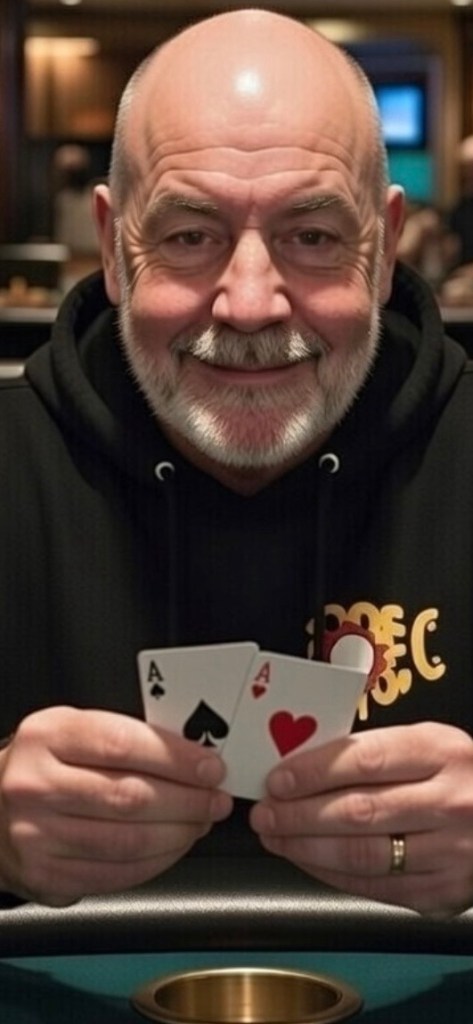
 THE PLAYER IN SEAT 4..
Recent Comments