Poker Position 101
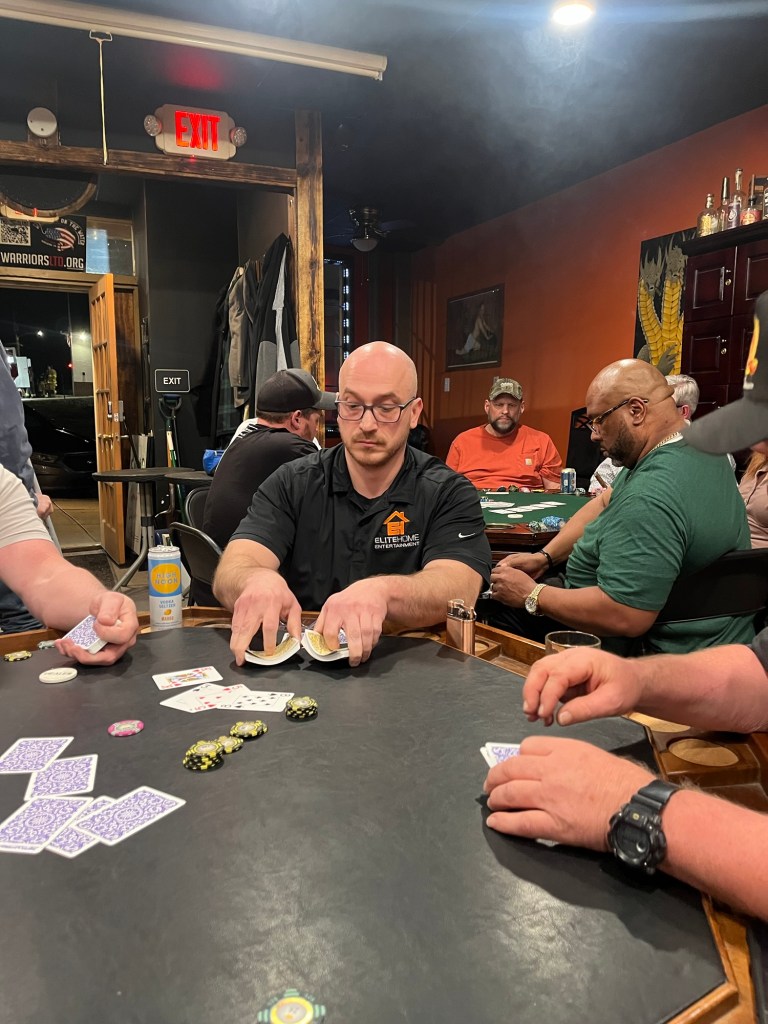
I wrote an article recently called the importance of understanding position in poker and have had several people ask me more about the different positions and what they are called. I decided to follow up with this simple explanation as a back to basics.
Poker table positions are one of the most important concepts for beginners to learn in Texas Hold’em (the most popular poker variant). Your position at the table determines when you act in each betting round, which gives you more (or less) information about what other players are doing. Acting later is a huge advantage because you see everyone’s actions before deciding.
The dealer button (a small disc labeled “Dealer”) moves clockwise each hand, so positions rotate. This guide focuses on a standard 9-handed (full-ring) table, common in live games and many online settings.
Why Position Matters for Beginners
• Early positions act first → tougher, play fewer hands.
• Late positions act last → easier, play more hands aggressively.
• Blinds post forced bets but act out of order.
Positions are grouped into early, middle, late, and blinds.
Poker Positions Explained (9-Handed Table)
1. Small Blind (SB)
Directly left of the button. Posts the small forced bet (half the big blind). Acts second-to-last preflop (after big blind calls/raises) but first postflop (after the flop). Tricky spot—play carefully.
2. Big Blind (BB)
Left of the small blind. Posts the full forced bet. Acts last preflop (great for seeing raises) but second postflop. Defend your blind with decent hands.
3. Under the Gun (UTG)
First to act preflop (left of big blind). “Under the gun” means pressure—no one has acted yet. Tightest position—only play strong hands.
4. Under the Gun +1 (UTG+1)
Next after UTG. Still early position. Similar to UTG: be selective.
5. Lojack (LJ) or Middle Position
Early-middle. More flexibility than UTG but still somewhat early.
6. Hijack (HJ)
Middle-late position (right of lojack). Good spot to open-raise if folded to you.
7. Cutoff (CO)
Right of the hijack (one seat right of button). Strong late position—often steal blinds with wider ranges.
8. Button (BTN)
The dealer position (button in front). Best seat overall. Acts last postflop in almost every hand—maximum information. Play most hands aggressively here.
Quick Tips for Beginners
• Position > Cards — A mediocre hand in late position often beats a good hand in early position.
• Always note the button location—it shows who’s in late position.
• In online poker or 6-max games, positions shift (fewer early seats, more late-play opportunities).
• Start by playing tight from early positions and looser from late.
Mastering positions will instantly improve your game more than memorizing hand rankings. Practice at low-stakes tables, watch where the button is, and ask yourself: “Do I act early or late?” Good luck at the tables
If you enjoyed this article please like, comment subscribe and share. Thank you and see you at the tables!

 THE PLAYER IN SEAT 4..
Recent Comments