A lesson in playing $2/$5 min buy.
Since recently I got a chance to play $2/$5 and got stacked, I decided to do my research and write an article about how to best play with a minimal buy in. I included the resources.

Optimal Starting Hands for $2/$5 Poker: Short Stack Strategy with Minimum Buy-In (40BB)
If you’re grinding $2/$5 No-Limit Hold’em live cash games and buying in for the minimum (usually $200, or 40 big blinds), your poker strategy must change dramatically from the deep-stack playbook most players follow.
With only 40BB, you can’t rely on implied odds, multi-street bluffs, or speculative hands like suited connectors. Instead, you need tight, aggressive preflop play focused on premium starting hands that make strong top pairs or better right away.
In this guide, we’ll break down the optimal starting hands for $2/$5 poker at minimum buy-in, provide position-based ranges, and share pro tips to maximize your edge. Whether you’re new to short-stack play or looking to optimize your $2/5 NLHE strategy, this is your complete roadmap.
Why Minimum Buy-In Changes Everything in $2/$5 NLHE
Most $2/$5 tables allow a minimum buy-in of $200 (exactly 40 big blinds). This short-to-mid stack depth turns the game into a high-variance, preflop-heavy battle.
Key differences from 100BB+ deep stacks:
• No set-mining with small pairs (implied odds disappear).
• Fewer postflop decisions — you often raise-or-shove preflop or commit on the flop.
• You play for stacks quickly, so hand strength and fold equity matter most.
• Opponents (recreational players and regs) overcall lighter, giving your premiums massive value.
Short-stacking isn’t always optimal long-term (deeper stacks let you extract more value), but it’s bankroll-friendly for $2/$5 and exploits loose tables common at this stake.
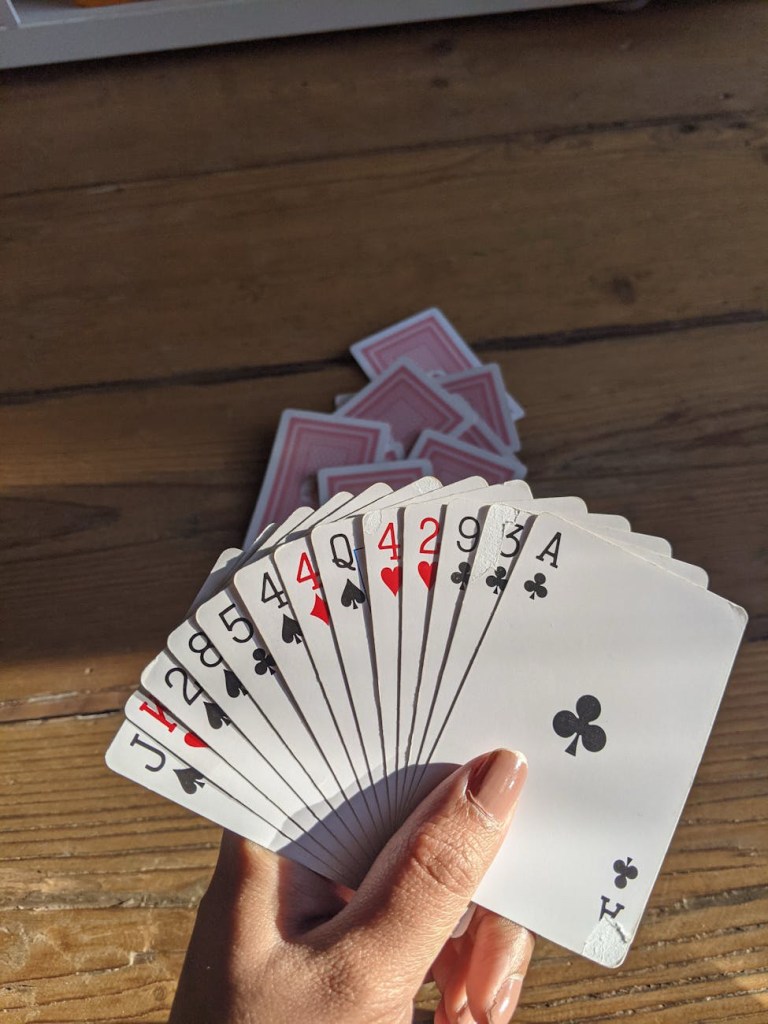
Optimal Starting Hands by Stack Depth (40BB Focus)
At exactly 40 big blinds, prioritize big-card strength hands that flop top pair or better. Avoid suited connectors (87s, T9s), small pocket pairs (22-55), and weak aces (A5s-A2s) — they lose money without deep implied odds.
Core 40BB Starting Hand List (from strongest to playable):
• Premium pairs: AA, KK, QQ, JJ
• Strong aces: AKs, AQs, AKo, AQo, AJs
• Borderline: TT, AJo, KQs (add selectively by position)
As your stack drops toward 30BB or below, tighten further and shift to shove-or-fold.
Quick Reference by Effective Stack:
• 40BB: AA–JJ, AKs–AQs, AKo–AQo, AJs
• 30BB or less: Add AJ, TT, ATs, KQs
• 20BB or less: Add AT, KQ, KJs, KJ
• 10BB or less: Push any Ax, QJs, QJ (all-in preflop)
These hands dominate because they win at showdown often and play well when you jam.
Position-Based Opening Ranges for $2/$5 Short Stack (40BB)
Position still matters — even short-stacked. Here’s a simple, profitable range structure for a typical 9-handed $2/$5 table:
Early Position (UTG, UTG+1):
Play ultra-tight (top ~8-10% of hands).
Raise 3–4x BB (or larger to $20–$25).
Hands: AA–JJ, AKs–AQs, AKo–AQo
Middle Position (MP):
Slightly wider.
Hands: AA–TT, AKs–AJs, AKo–AJo, KQs
Late Position (Cutoff, Button):
Steal more aggressively, especially vs. passive blinds.
Hands: AA–99, AKs–ATs, AKo–AJo, KQs–KJs, QJs
(Shove wider from Button if blinds fold often.)
Blinds Defense:

3-bet shove premiums vs. opens. Call lighter only with position and very weak openers.
Pro Tip: Always raise first-in — never limp. At $2/$5, a $15–$20 open builds the pot while giving you fold equity. If facing a raise, 3-bet shove your strongest hands (QQ+, AK) for maximum pressure.
How to Play These Hands Postflop (Short Stack Style)
With 40BB, postflop play is simple ABC poker:
• Hit the flop strong? Bet big or jam (especially top pair top kicker or better).
• Miss? Check-fold unless you have a strong draw with equity.
• C-bet size: 50–75% pot or all-in on coordinated boards.
• Avoid fancy bluffs — your edge comes from value, not hero folds.
Example: You open AKs from middle position for $20. Flop comes A-7-2 rainbow. With ~35BB behind, jam — most $2/$5 opponents call with weaker aces or draws.
7 Essential Tips for Winning $2/$5 Short Stack Play
1. Learn preflop ranges cold — Every decision is worth big chunks of your stack.
2. Track effective stacks — Always play to the shortest stack at the table.
3. Raise bigger preflop — $15–$25 opens deter multi-way pots.
4. Exploit loose callers — $2/$5 players love calling with KJo or 76s — your premiums crush them.
5. Don’t get below 30BB — Top up if you lose a pot to stay in the 40BB sweet spot.
6. Leave after doubling up (optional) — Many short-stackers cash out winners to lock in profit.
7. Bankroll for variance — Short-stack play has big swings; bring 30–50+ buy-ins.
Common Mistakes to Avoid in $2/$5 Minimum Buy-In Games
• Playing suited connectors or small pairs — They bleed money without implied odds.
• Limping or min-raising — Builds small pots and invites multi-way action.
• Being too passive — Short stacks must apply pressure.
• Ignoring table dynamics — Looser tables = wider late-position steals.
Final Thoughts: Crush $2/$5 with Minimum Buy-In
Mastering these optimal starting hands for $2/$5 poker with a 40BB minimum buy-in gives you a massive edge over recreational players who treat it like deep-stack poker. Stick to premiums, play tight-aggressive, and watch your win rate climb.
If you enjoyed this article please like, comment, share or subscribe! Thank you and I’ll see you at the tables!

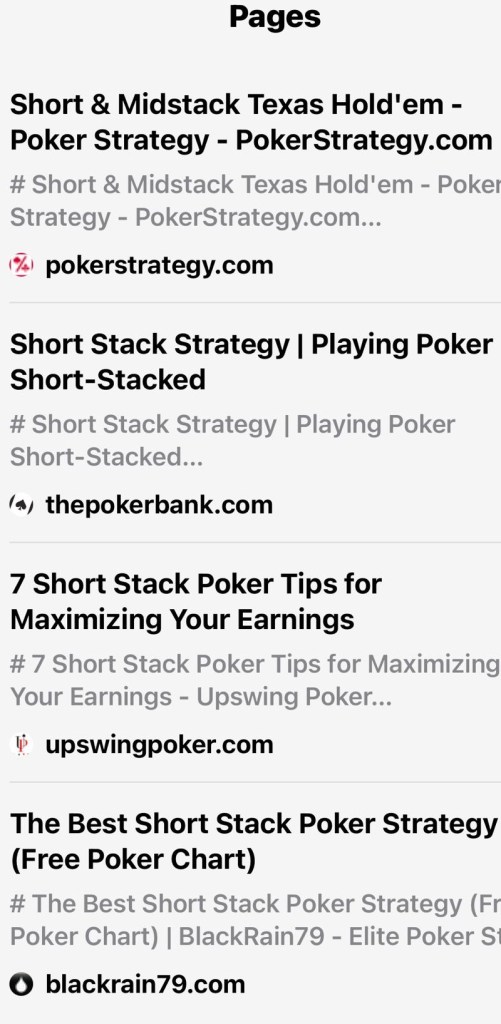
Article Sources:
 THE PLAYER IN SEAT 4..
Recent Comments